view more
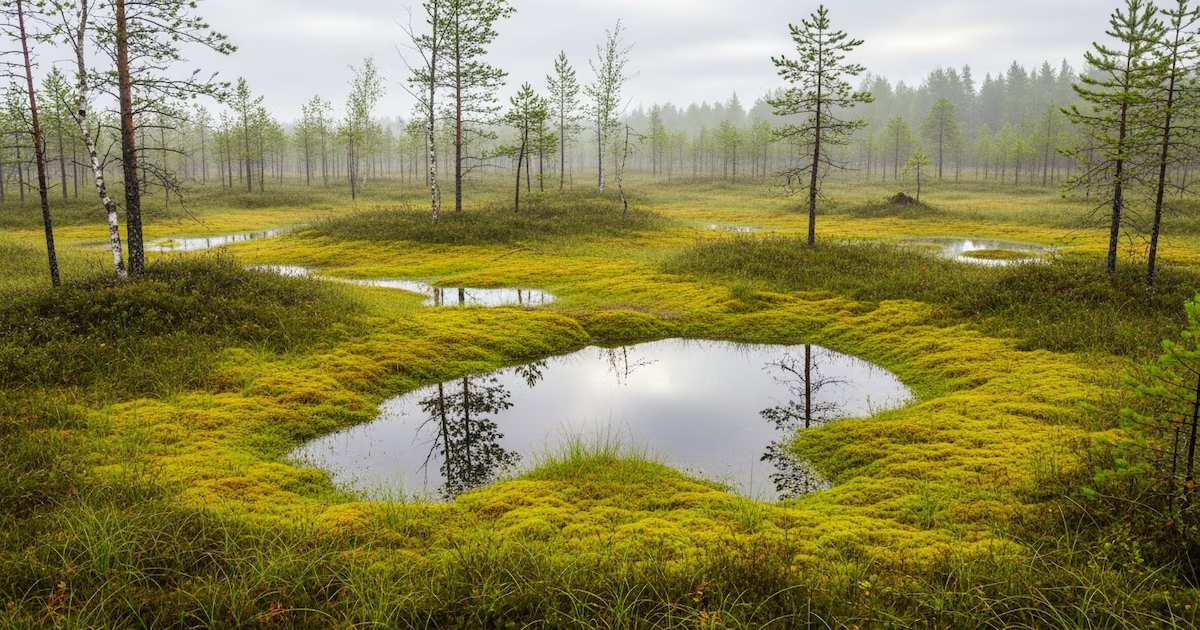
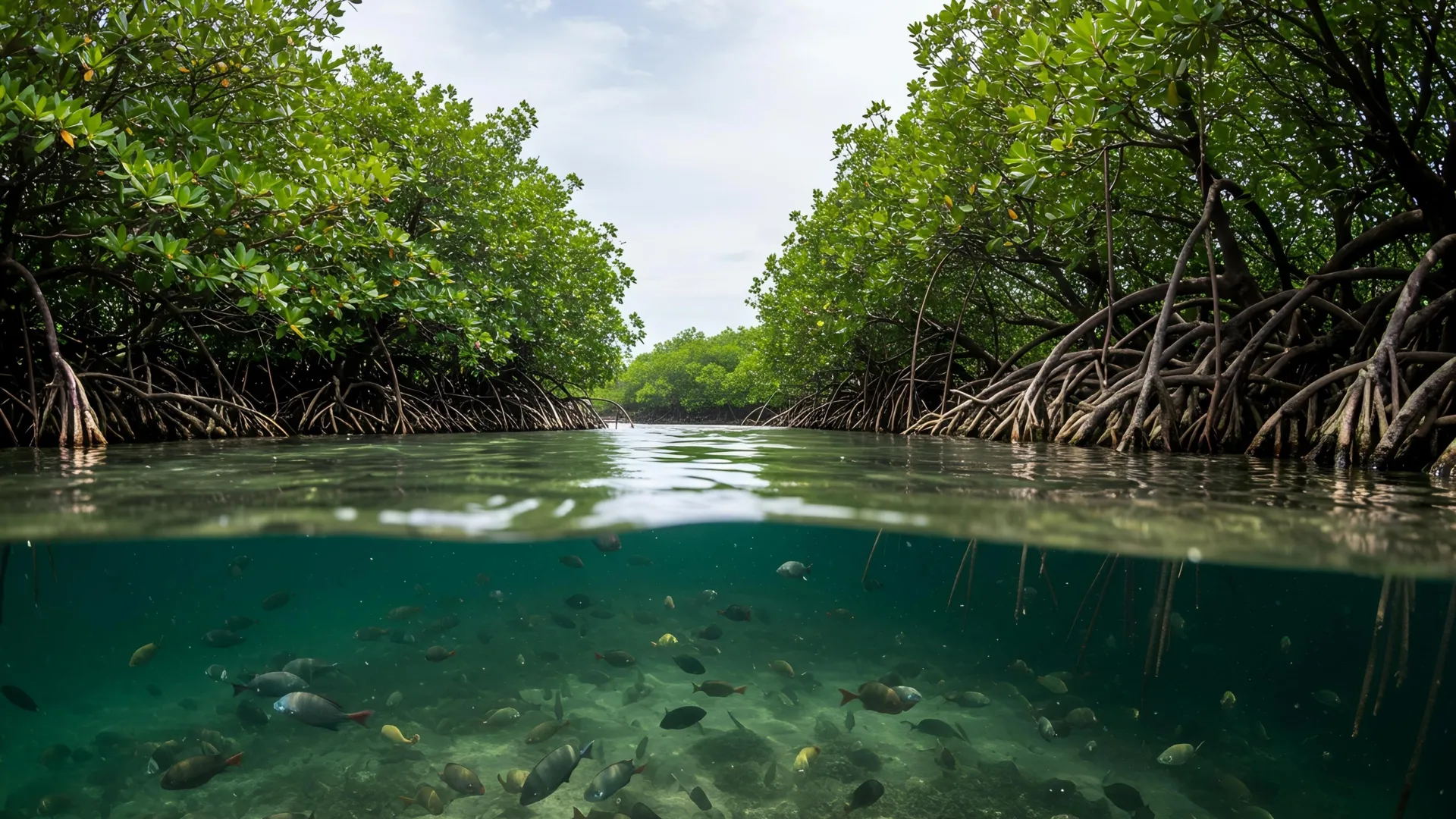
Water-logged land areas such as marshes, bogs and fens are the world’s largest natural source of methane. Even the smallest of wetlands emit this powerful greenhouse gas. In a new study from The University of Texas at Austin, researchers have identified tens of millions of easily overlooked small wetlands across the globe and found that they have a substantial collective impact, accounting for 24% of the world’s total non-forested wetland emissions of methane.
Using high-resolution satellite imagery and machine learning, researchers identified roughly 160 million small wetlands that have been difficult to detect and remain underrepresented in global methane assessments due to their relatively small size.
“Small wetlands are easy to overlook on a map, but they are not small in the methane budget,” said the study’s lead author Fa Li, an assistant professor at the Department of Earth and Planetary Sciences at UT’s Jackson School of Geosciences.
This research was published in Nature Climate Change.