view more
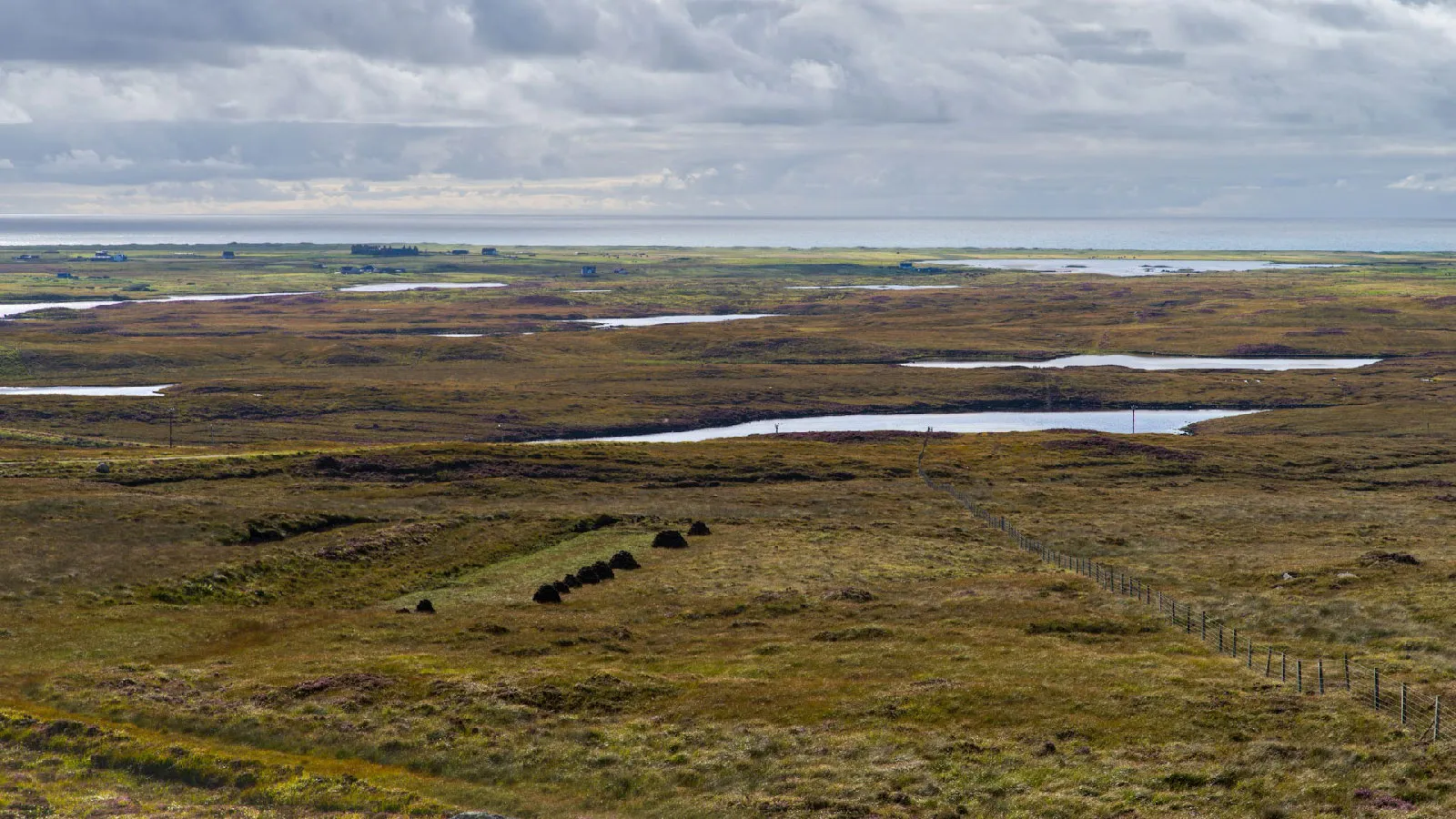
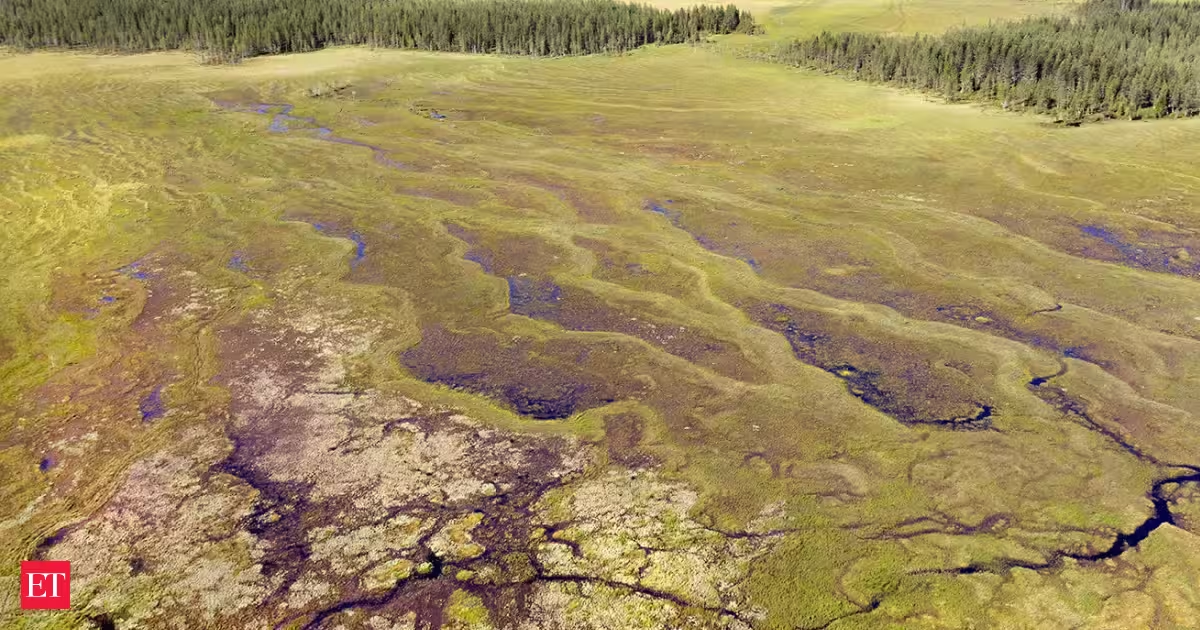
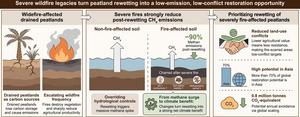
Peatlands store roughly one-quarter of global soil carbon, yet decades of drainage for agriculture have turned many into major carbon sources. Rewetting these lands restores their carbon-storing function but often triggers a surge in methane—a greenhouse gas far more potent than carbon dioxide. Now, researchers have found that severely burned peatlands, when rewetted, emit dramatically less methane than unburned or mildly burned ones, suggesting that areas already degraded by wildfire could become prime candidates for accelerated restoration.
Drained peatlands are increasingly vulnerable to wildfires as climate change intensifies droughts and lowers water tables. At the same time, rewetting—while effective at suppressing carbon dioxide release—frequently stimulates methane production, creating a climate trade-off that can delay net benefits for years or even decades. Farmers also resist rewetting on productive agricultural land, as it typically means lost income. Based on these challenges, there is an urgent need to understand how wildfire history influences greenhouse gas emissions from peatlands after rewetting—and whether fire-affected areas could offer a more feasible pathway for large-scale restoration.