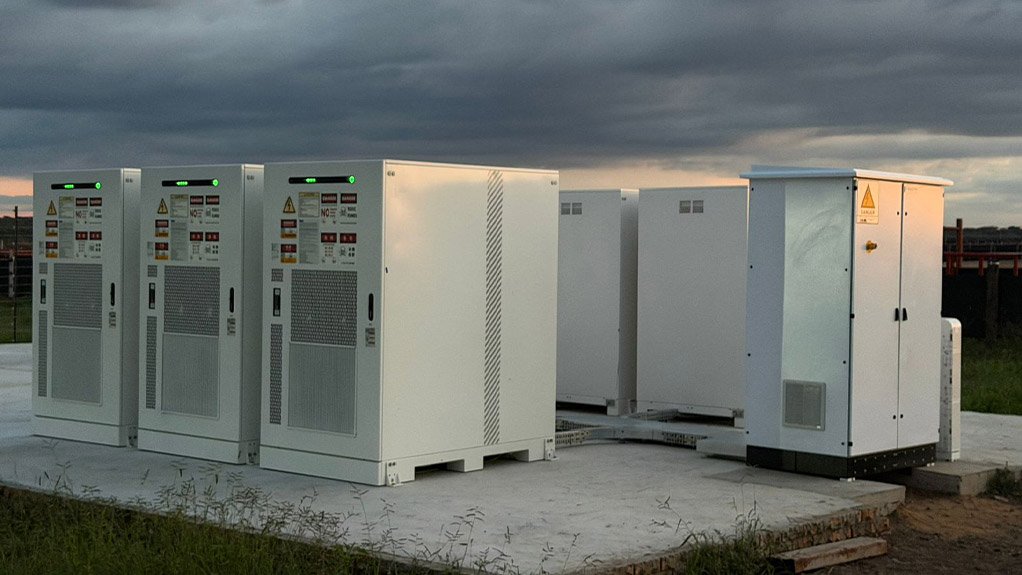
Battery Energy Storage Systems (BESS) look straightforward from the outside – select a capacity, install it, start saving. In practice, the return on a BESS investment depends less on how large the system is, and more on how it is engineered to match the way a specific operation consumes electricity. That precision is harder to achieve than it sounds, and it is where most of the real engineering design work happens.
Across mining, manufacturing and agri-processing, turnkey solar company SunRanch Solar has built its project delivery around optimised design, drawing on a growing portfolio of installations across different industries – and the reasoning behind it says as much about risk management as it does about electricity.
Sizing to Reality, Not Assumption
A rooftop or ground mounted solar system is, on its own, a relatively low-risk decision. The technology is mature, the payback period is short, and the financial case is easy to verify against a user’s actual electricity bills. Battery storage is a different proposition entirely – more capital, more complexity, and a return that depends heavily on how precisely the system matches the user’s actual consumption patterns rather than its estimated ones.