That gap decides whether a BESS investment succeeds or fails. And the contract, the quality assurance process, and the performance agreements almost entirely determine it, even before the system ships.
Examining oversizing strategy and use cases
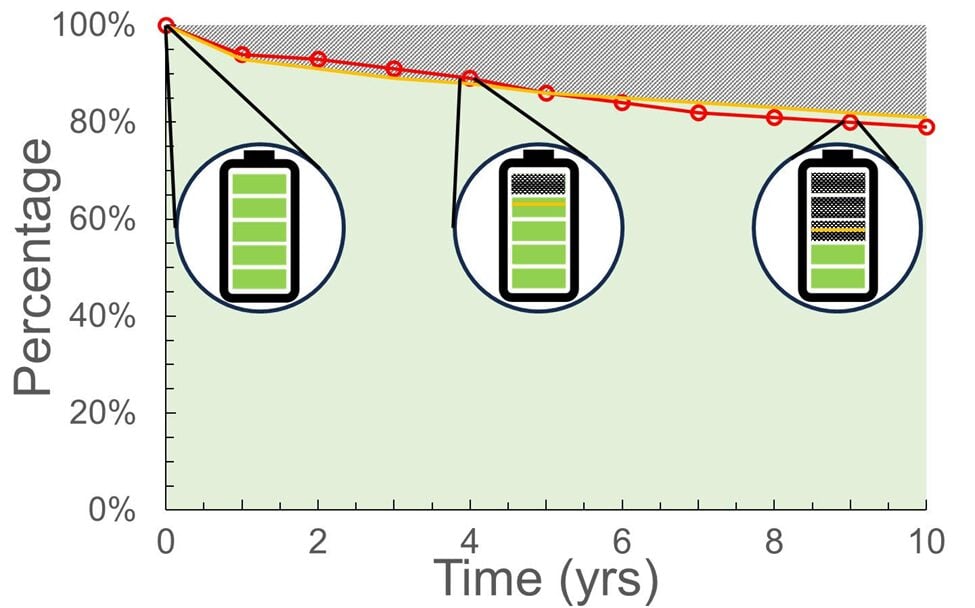
BESS are typically oversized at the beginning of life to offset degradation and meet specified MW/MWh deliverables over the project term. This reduces effective cycling intensity, which can slow degradation, but it also means buyers fund excess capacity that may sit idle under typical operating conditions.
Press every technical parameter, because each one shapes the final contractual deliverables. Ask about nominal and actual deliverable AC energy. Ask about the depth of discharge (DoD) limitation in the degradation model and the capacity assumption.
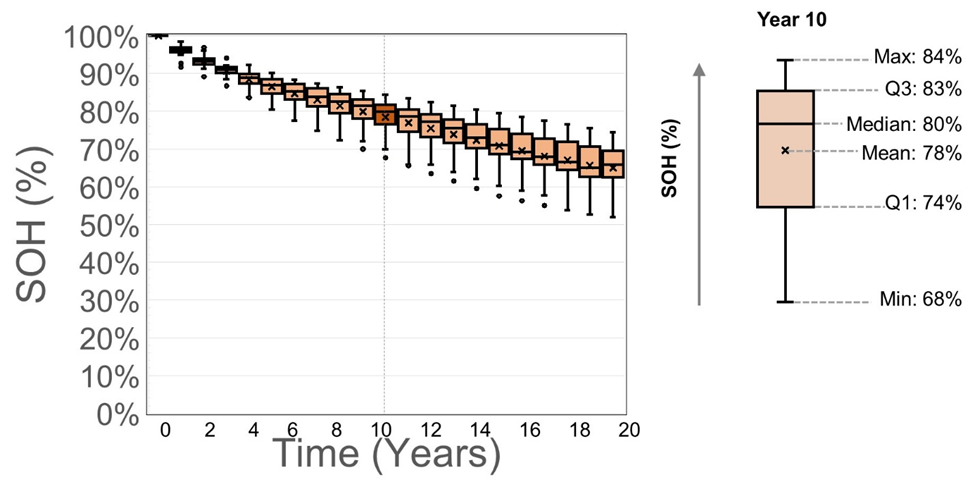
Where a project runs to 25 years with a 60% end-of-life state of health (SoH) threshold, press further. Field experience at 60% SoH is newer and more sparse than at 70%. Ask how the supplier validated their projections at that lower range, what empirical data supports those predictions, and what the disclaimers actually limit.