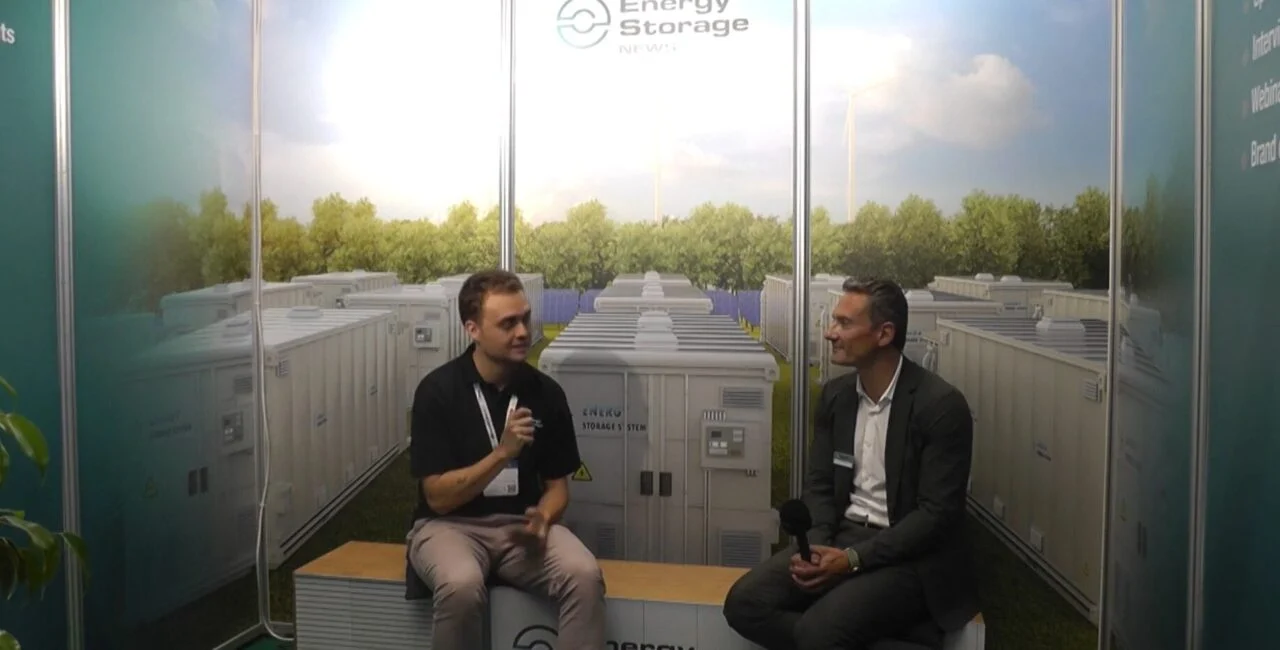
“On the one hand, from a purely technical perspective, of course there is maturity in the market, as the technology in principle is not that new and you can copy a lot of on-site services that we know from PV technology into BESS. Many components are similar, and the technology is not so complex that we aren’t able to manage multiple sites,” Slapka explained.
“However, the whole value chain is relatively immature. So we see that the manufacturers, system integrators, they do not put a lot of priority on the operations. They’re focusing a lot on building bigger plants and on selling assets. So we see that the whole asset sale and build is growing three times faster than the actual operations of the assets.”
“So the real challenge at the moment in the market is that there are not enough technicians out there, that there are not enough asset managers who are capable and experienced enough with batteries to actually assess the risks and act appropriately.”
After all, it’s still a relatively young industry, relatively young technology, with a lot of immaturities which we see in the market. So this is really at the moment an area which needs some improvement over the next years.”
He said that this is reflected in the fact that his asset managers spend 40% of their time dealing with system integrators and OEMs. Batteries arrive delayed and uncharged, systems are imbalanced or have irreversible chemical damage.