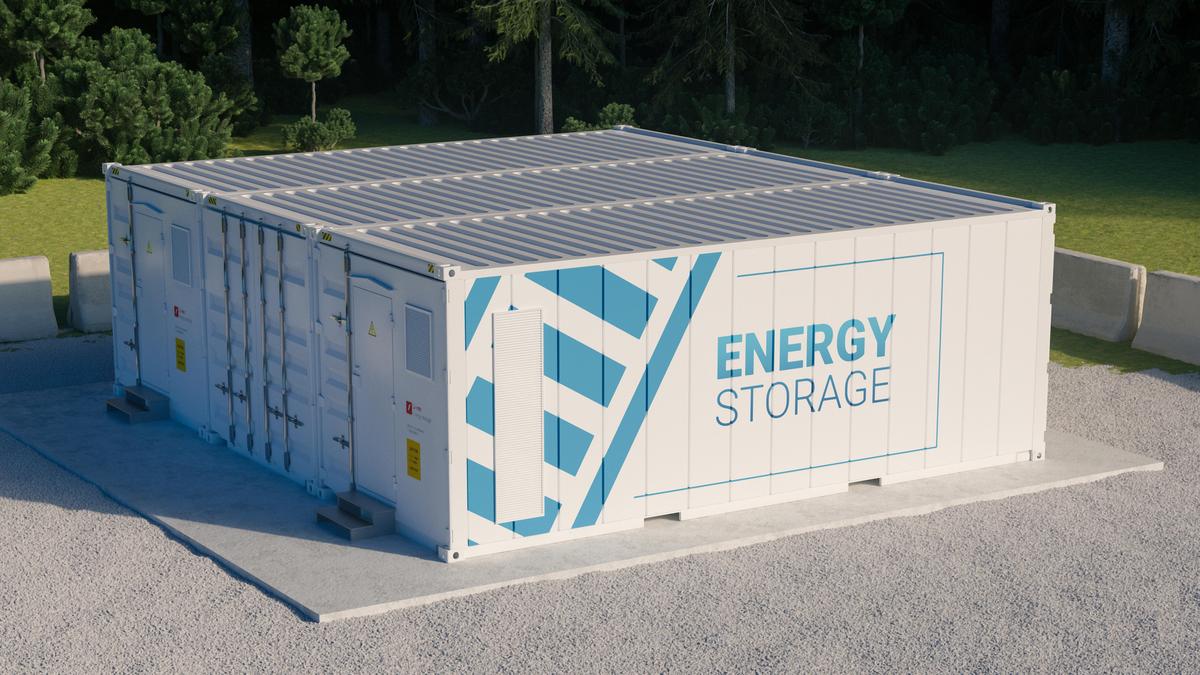
By contrast, China, which controls between 85% and 98% of global capacity across all components of the battery energy storage system (BESS) supply chain, currently has a cumulative annual cell production capacity of 2,695GWh.
To bridge the gap in the scaled production of components, including cathodes, anodes, separators, and electrolyte, India must fundamentally restructure its manufacturing ecosystem, according to the report.
The barriers to bringing online the 266GWh of announced capacity include execution delays—as seen in the Indian government’s Production Linked Incentive (PLI) scheme for advanced chemistry cell (ACC) battery manufacturing—challenges to financial viability, and a deep technology dependence on Chinese and South Korean companies.
These barriers put self-sufficiency between ten and 15 years away, Wood Mackenzie said.
For instance, the PLI aimed to give financial assistance to a total 50GWh of ACC production facilities to come online by 2025. However, as noted in a May Guest Blog for this site by experts at the Institute for Energy Economics and Financial Analysis (IEEFA), only a quarter of the expected investment target had been reached, and barely any facilities had been built.