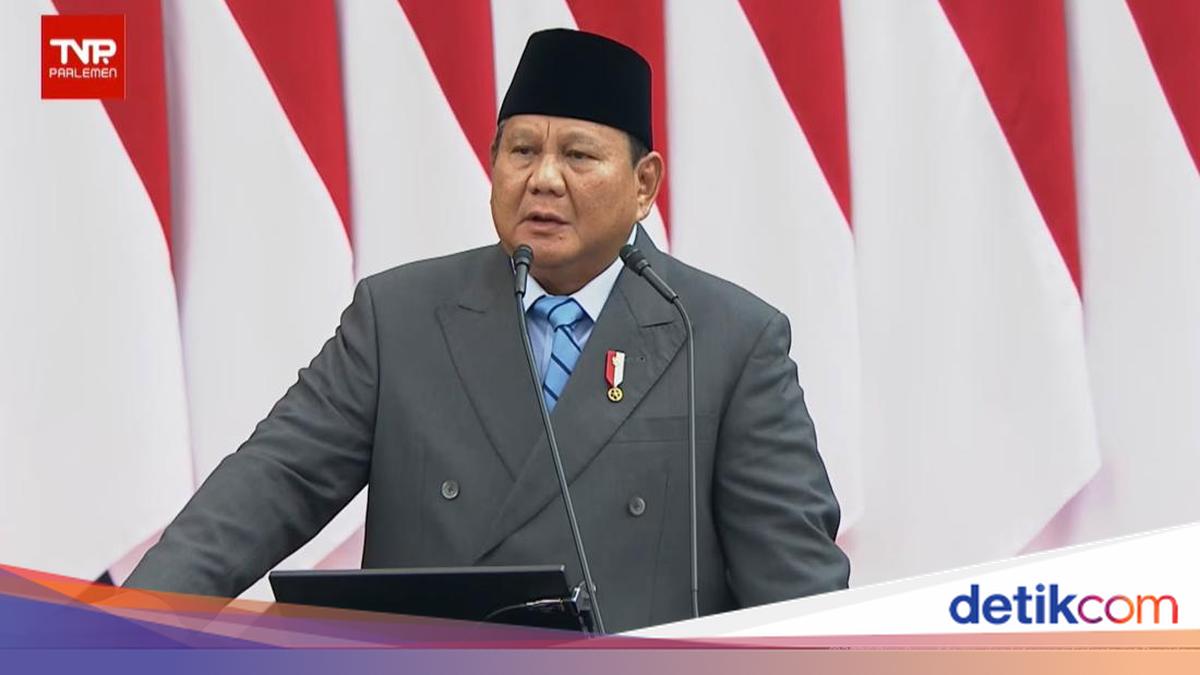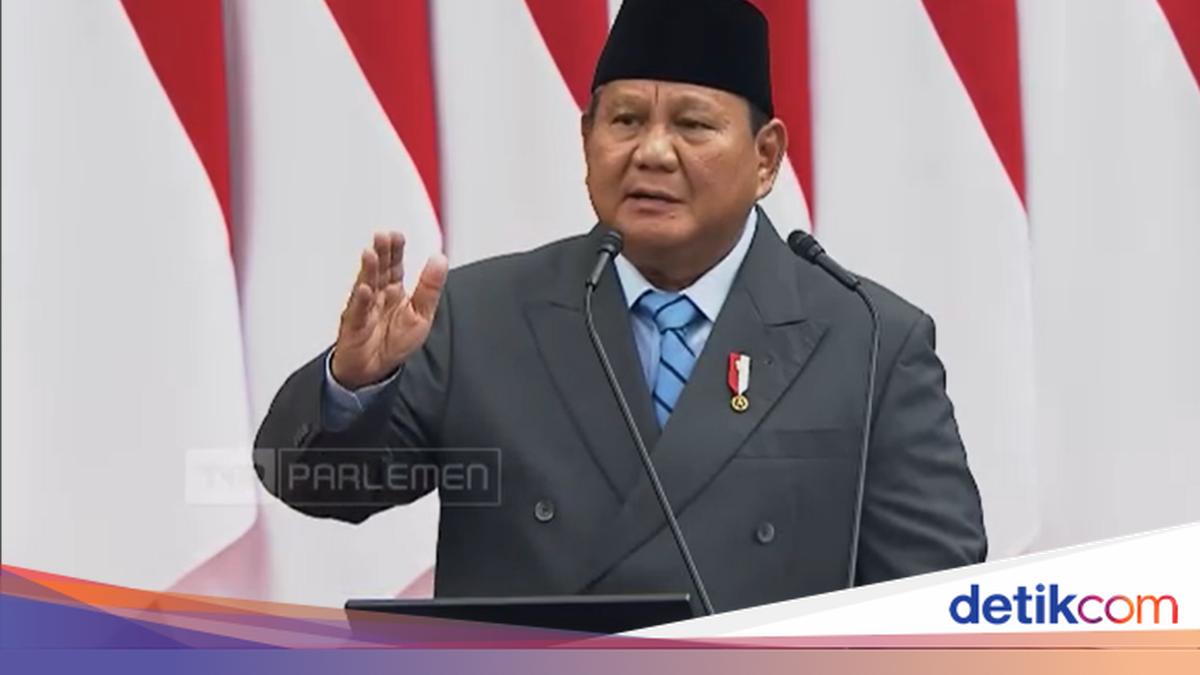
President Prabowo Subianto announced that Indonesia will launch the Strategic Minerals and Commodities Exchange (BMKS), set to begin operations on Jan. 1 next year.
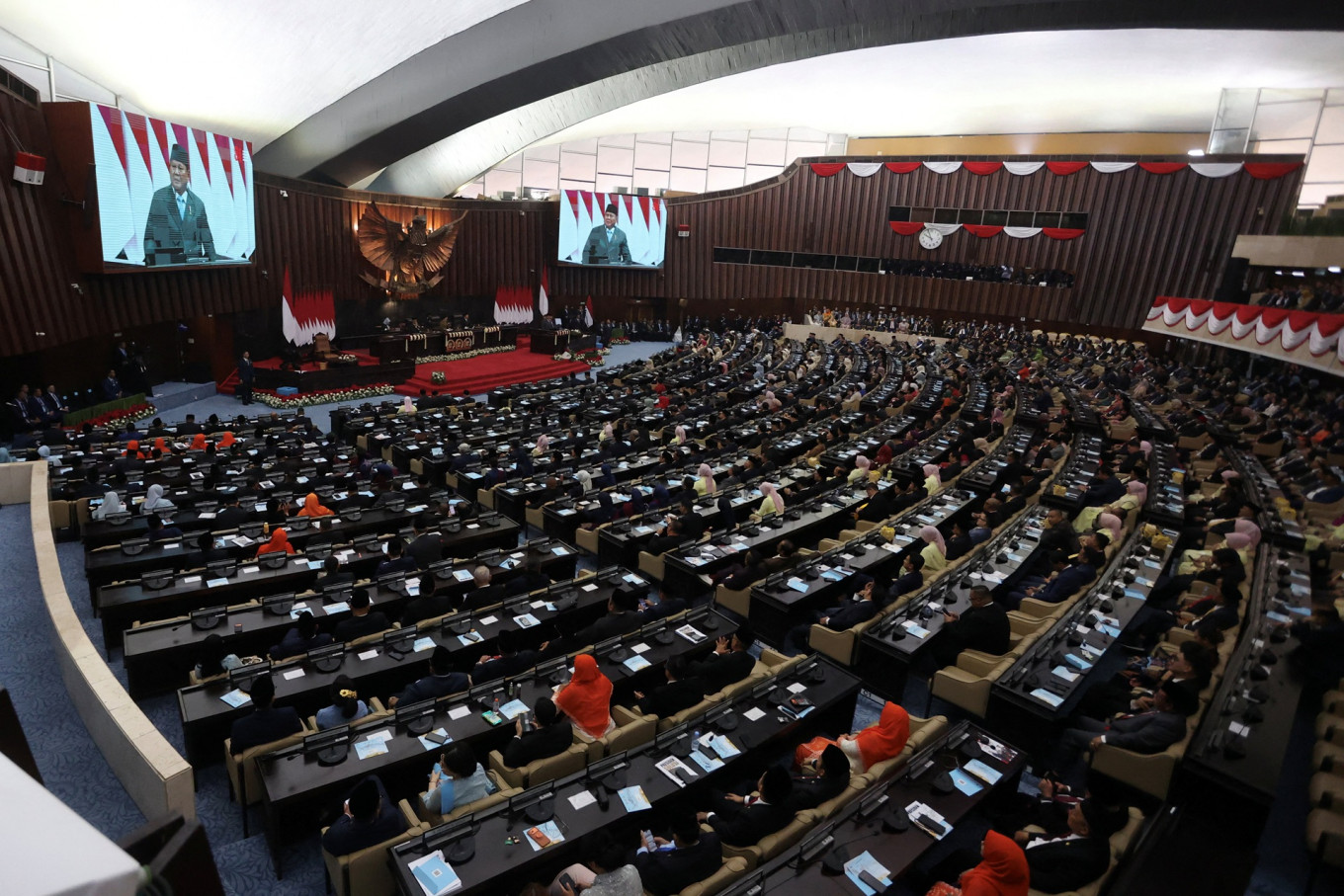
President Prabowo Subianto is displayed on screens as he delivers his annual State of the Nation address ahead of the country's 81st Independence Day anniversary in front of the members of the legislative bodies during the People's Consultative Assembly (MPR) plenary session on Aug. 14 at the Senayan legislative complex in Central Jakarta. (Reuters/Stringer)
Indonesia's push to launch a Strategic Minerals and Commodities Exchange (BMKS) has sparked debate over whether the country can finally convert its resource wealth into pricing power, with liquidity, governance and product standards emerging as key tests for the planned bourse.In his address to parliament on the 2027 draft state budget on Aug. 14, President Prabowo Subianto announced that Indonesia will launch the BMKS, set to begin operations on Jan. 1 next year under the supervision of the Financial Services Authority (OJK).
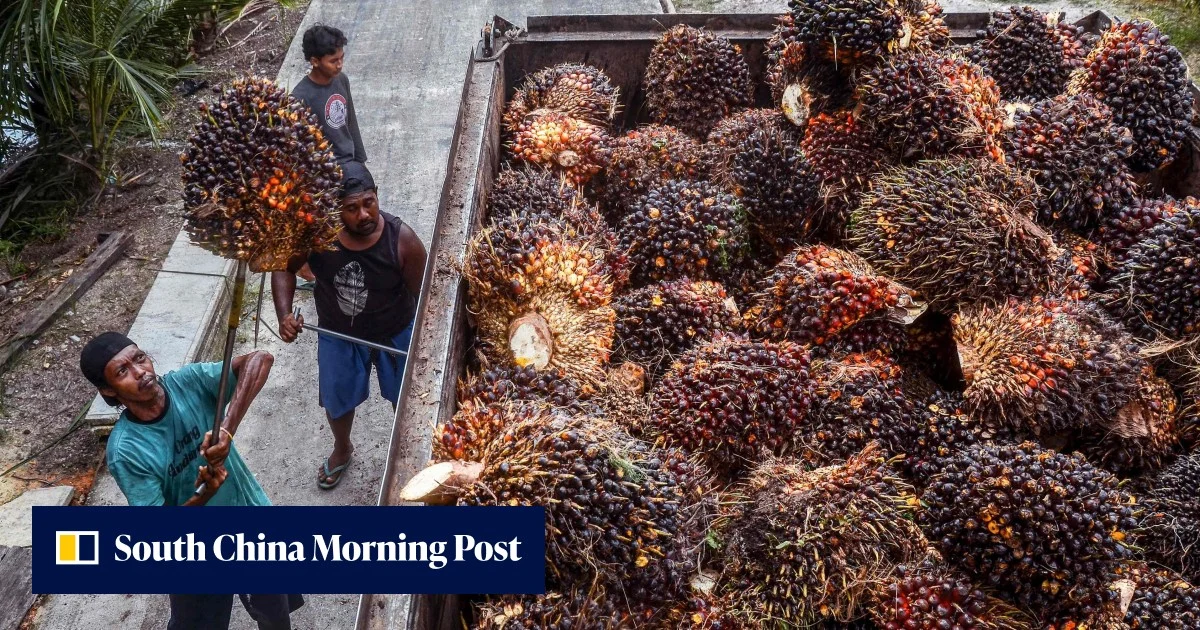
He framed it as the next stage of export policy, arguing prices for Indonesian palm oil, nickel, tin, coal and gold have long been set on overseas exchanges using benchmarks Indonesia did not create.