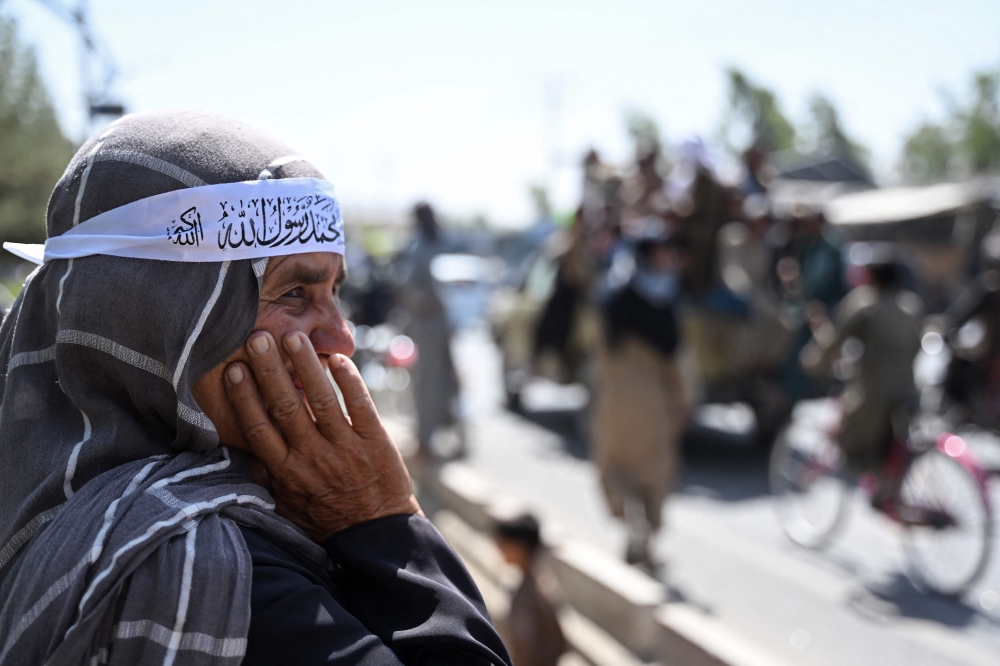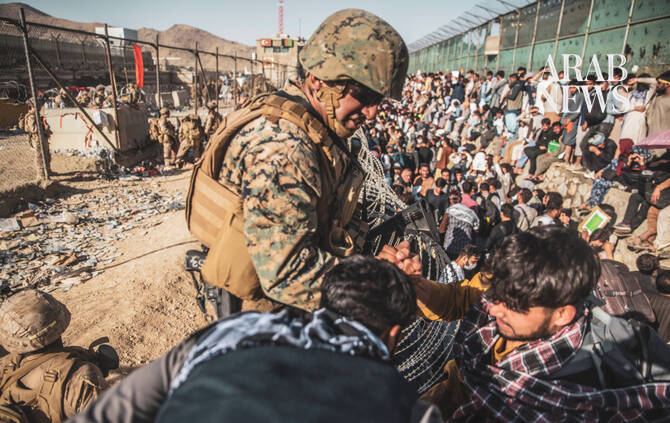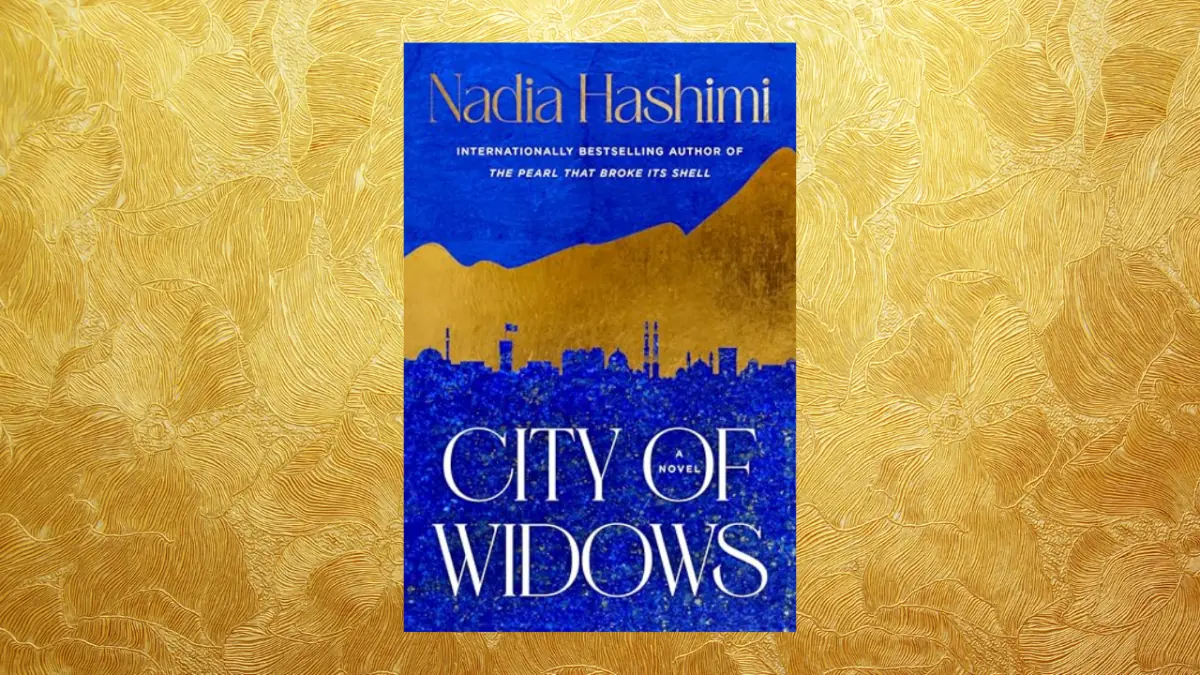
In August 2021, the world watched Kabul fall. As Taliban fighters streamed into the presidential palace and desperate crowds swarmed the airport, the images broadcast across the globe captured chaos, but not its texture — the specific, private terror of women who had spent two decades building careers, raising daughters, and imagining futures that could be erased in an afternoon. Nadia Hashimi’s City of Widows steps into that silence.
It’s a novel that refuses the long shot of history in favour of the close-up, tracing what it meant to be an Afghan woman when the world decided the war was over.
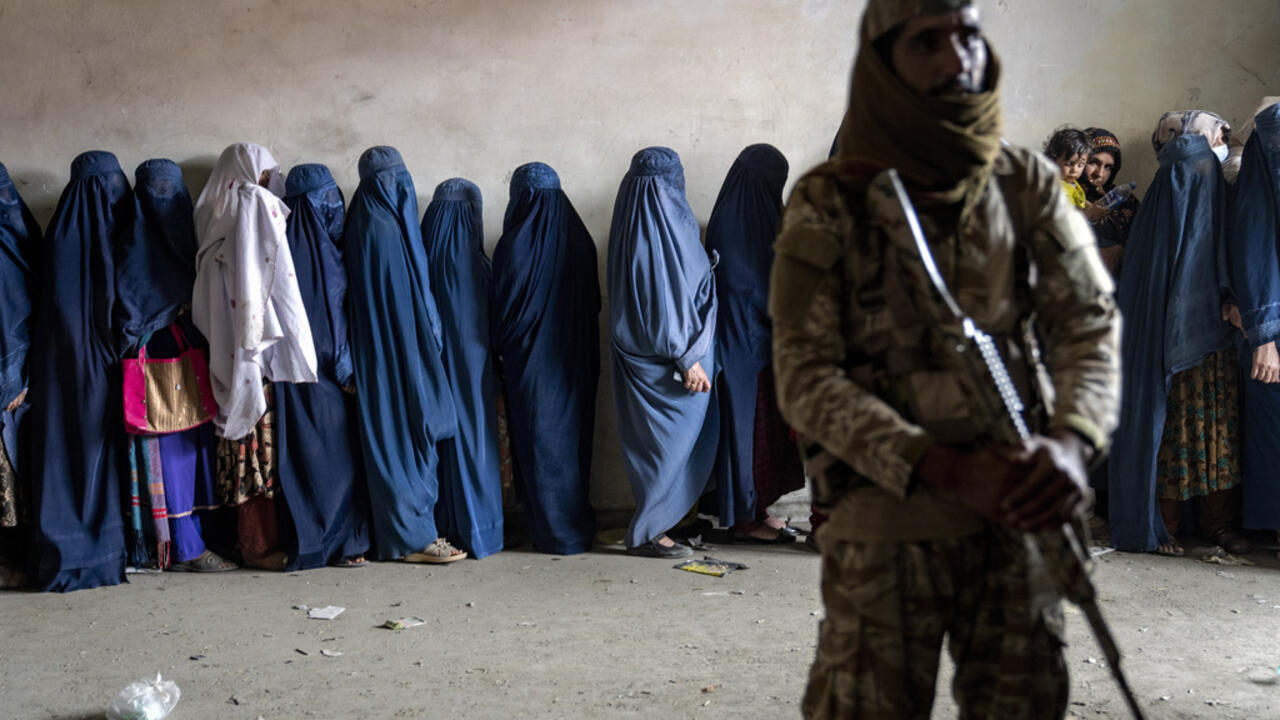
The prologue opens like a thriller. A dozen women are crammed into a stifling room on a hilltop outside Kabul, the settlement known as Zanabad, the City of Widows. Their leader, Kobra, fixes her gaze on Marjan, a newcomer with a soldier’s bearing and a daughter to protect. “Marjan,” she says, “You have not been honest with me.” The sentence hangs. An infant swallows a cry. Bodies press against clay walls. Then Marjan’s teenage daughter, Hawa, steps forward and speaks: “My mother has made a lot of enemies in her life. … But I’m the reason we are in danger.” In a few compressed pages, Hashimi establishes the novel’s central truth — that survival depends on the stories women tell, and on whether those stories can hold up under pressure.