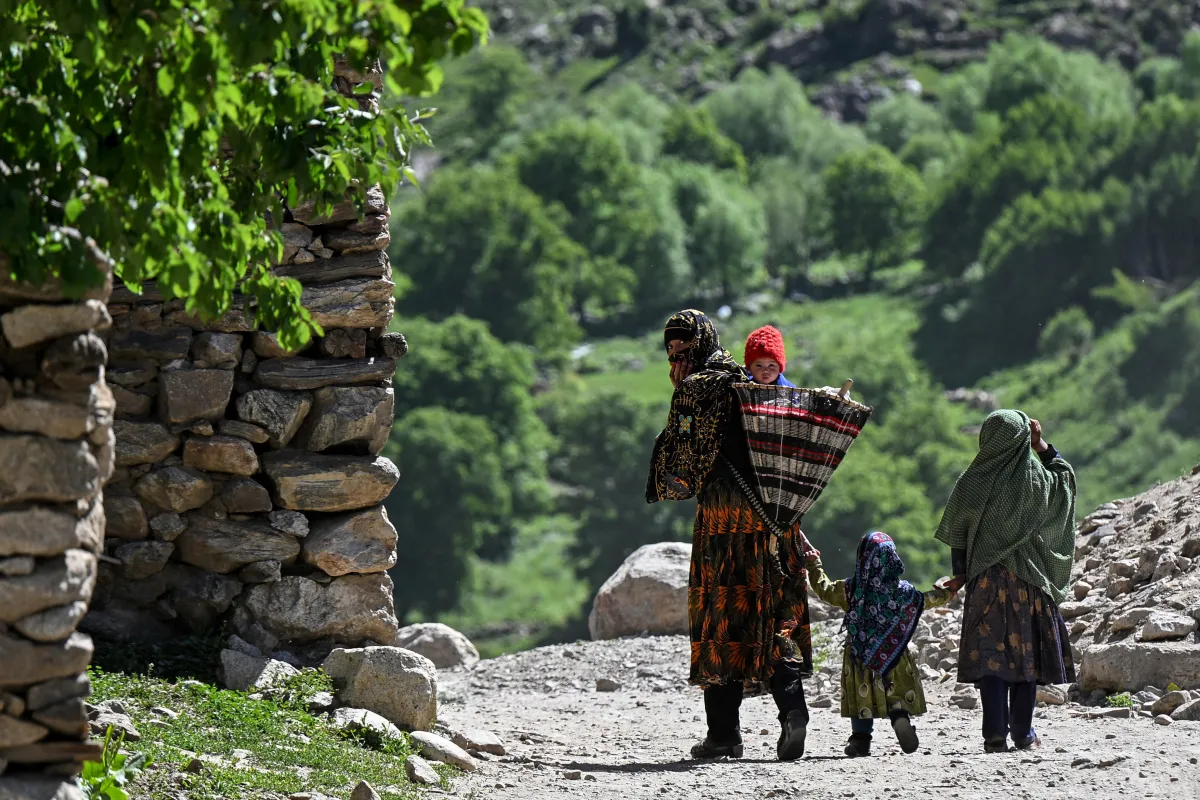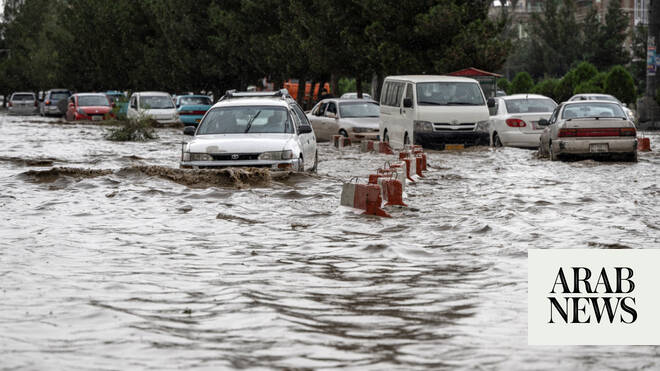
NEW YORK CITY: Olga Cherevko has spent the past several months crisscrossing Afghanistan, from Bamiyan and Herat to Paktika, Khost and, most recently, Nuristan, where flash flooding recently tore through villages, leaving families with nothing.
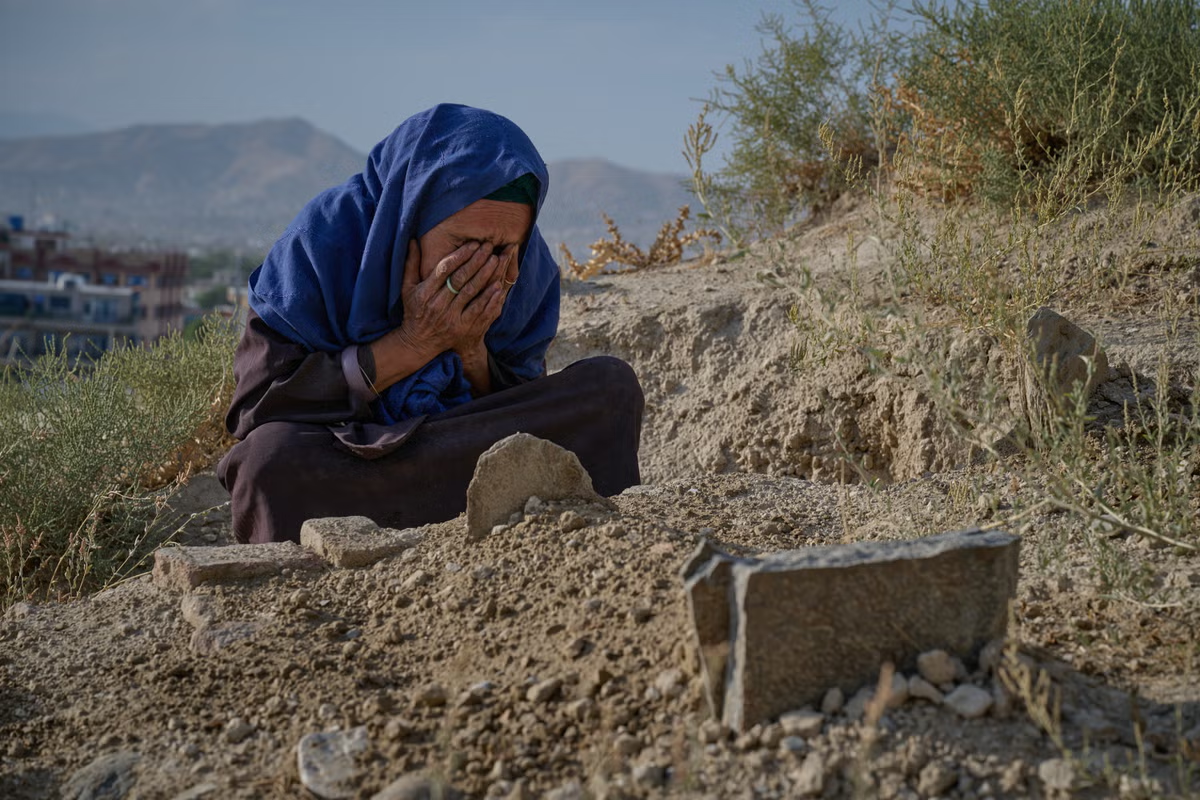
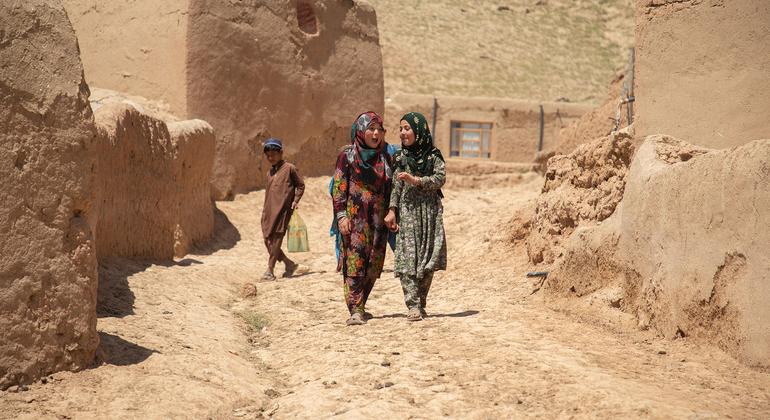
Across different landscapes and provinces, the stories were the same. “People tell me they’re exhausted,” said Cherevko, spokesperson for the UN Office for the Coordination of Humanitarian Affairs in Afghanistan.
“Exhausted from being poor, hungry, dealing with repeated climate shocks, mounting debt and the daily struggle to provide for their families.”
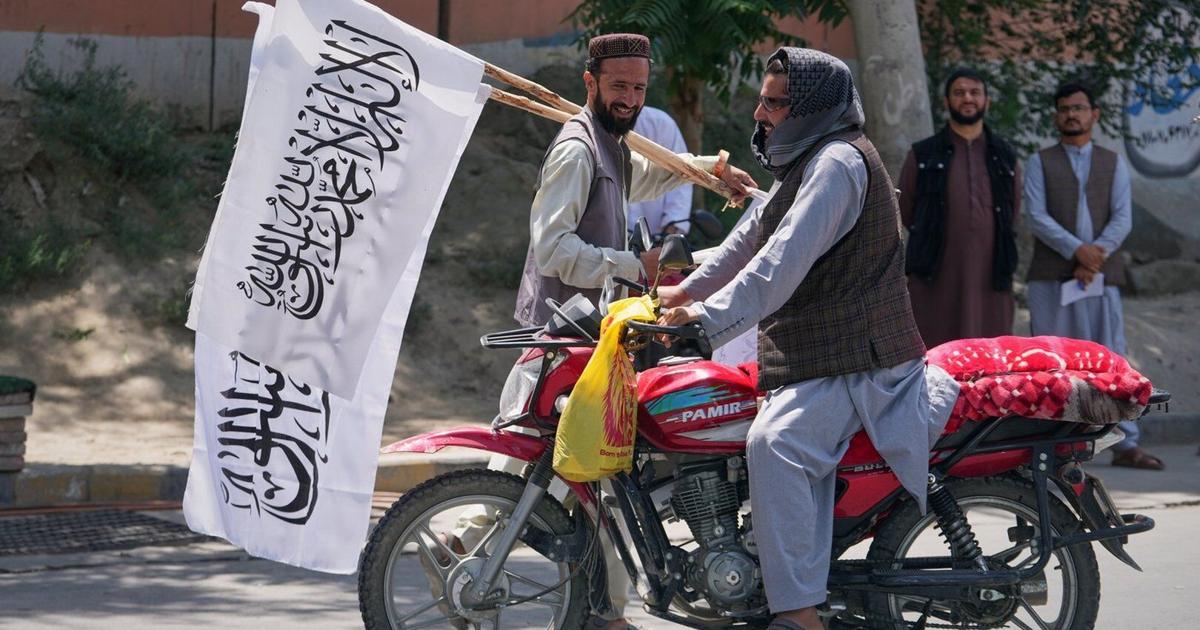
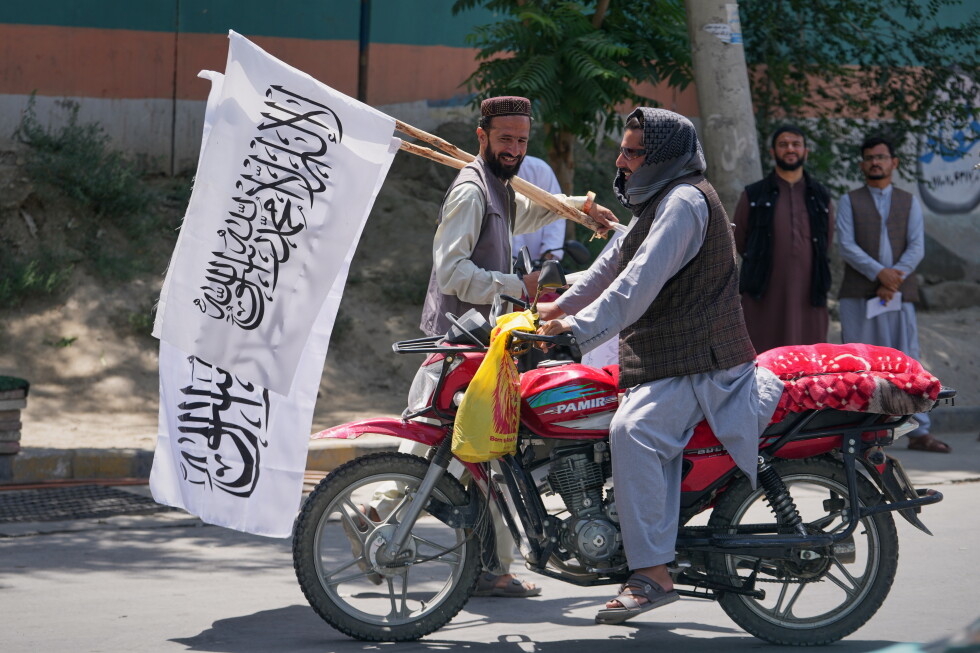
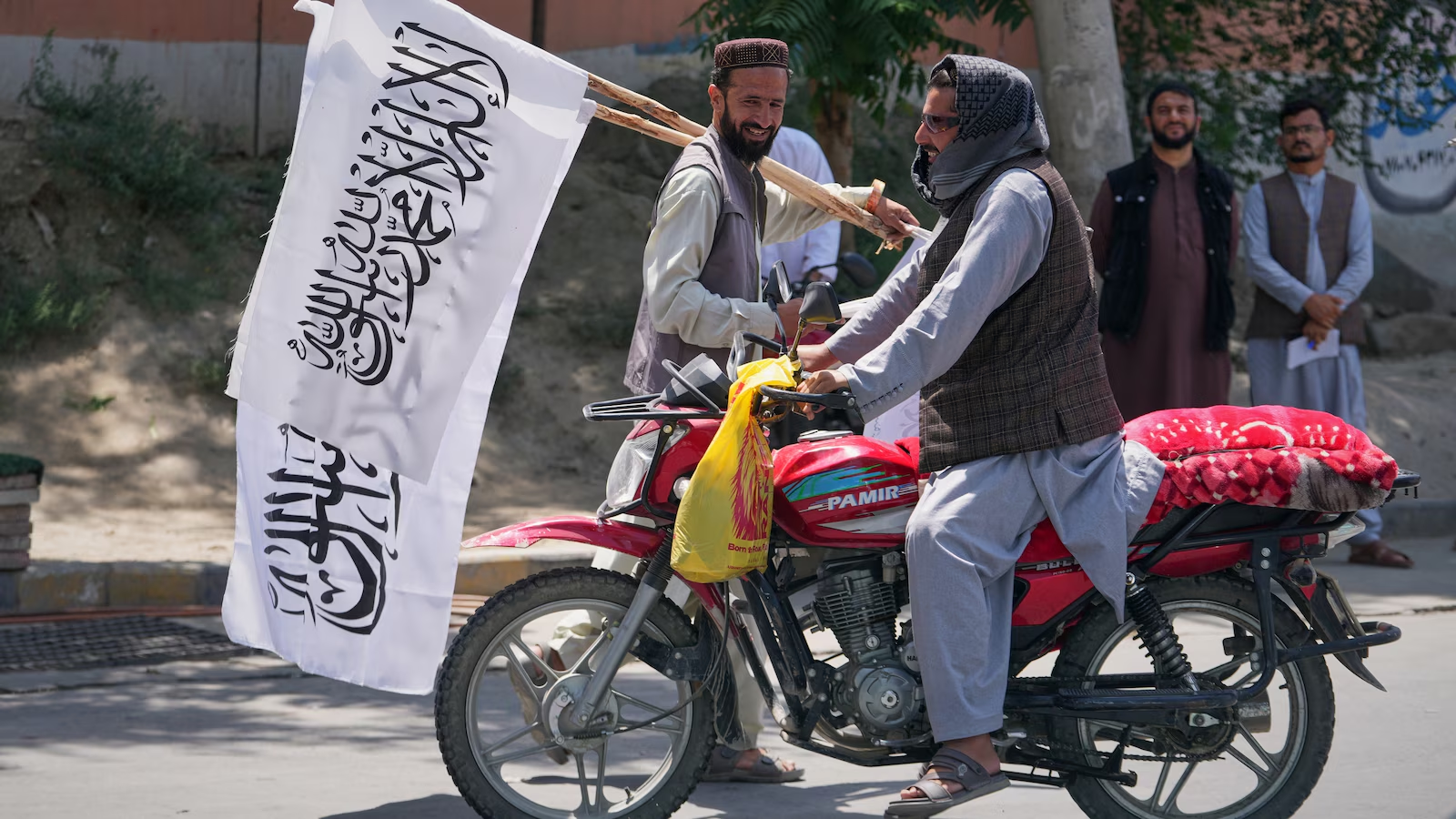
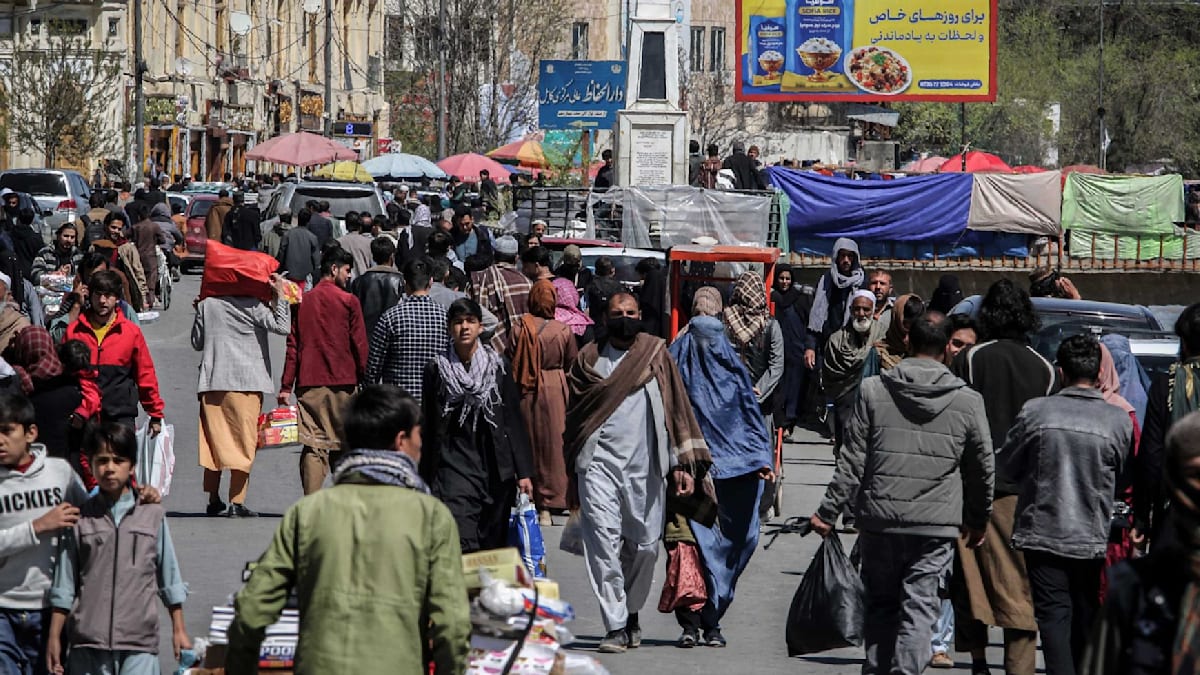
Five years after Taliban fighters walked into the presidential palace in Kabul unopposed, that exhaustion has become the defining condition of a country that UN officials, independent rights experts and dozens of member states say has regressed sharply on almost every measure of rights and development, even as the guns have largely fallen silent.
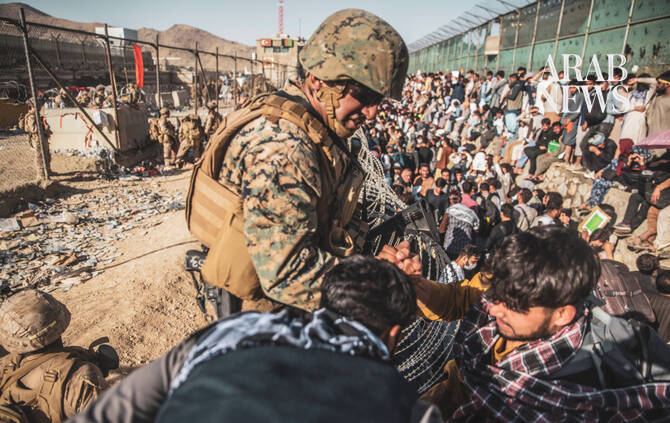
On Aug. 15, 2021, Taliban fighters entered Kabul after a lightning offensive that swept through the country’s 34 provincial capitals in roughly nine days, culminating in the fall of Mazar-e-Sharif and Jalalabad within 48 hours of the capital’s collapse.