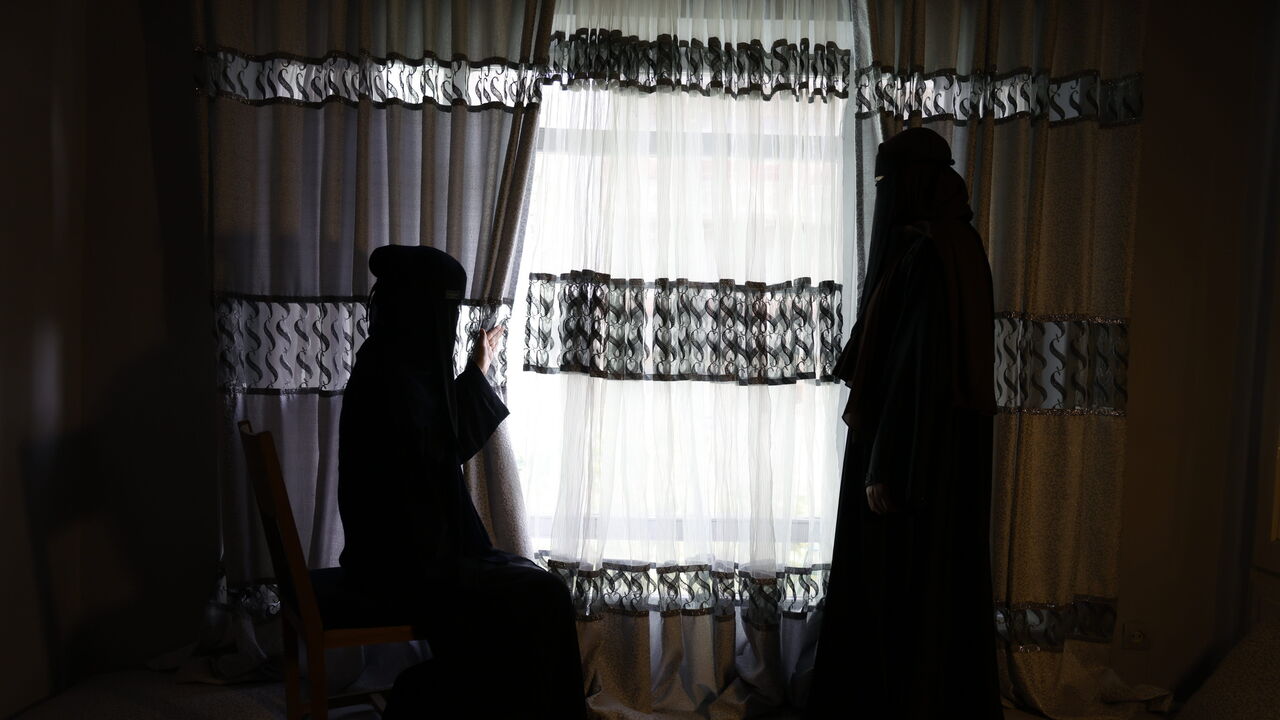
The soldier stripped of her uniformHerat provinceEvery day, I wake up to the silence of dawn. I feel as though I am still holding my weapon. I lie on my bed for a few moments, taking deep breaths. With every awakening, I make a promise to myself: if my husband manages to return home safely today, I will thank God even more.My name is Parasto*, and I live in Herat. For six years I served here as a soldier. Within a few days of taking the city, the first thing the Taliban did to me and my female colleagues was hold a meeting and demand that we hand over our uniforms. When they took that uniform, I felt as though I had lost something grand that belonged to me; it was a profound pain.Because my husband and I served with the previous government, the Taliban have summoned him several times to question him about how many Taliban he killed, or how many I killed. We have been threatened with death many times, through phone calls and messages. In the early days, many of my colleagues fled. The Taliban arrested two women whose names I do not wish to mention, and nothing is known of their fate to this day. Where are they? Are they alive or not? We tried to smuggle ourselves over the border to Iran, but were turned back by border guards. Today, we still keep our bags packed and waiting, in case we have to flee.Now, my morning begins with chores. I wake, light the fire, make breakfast, prepare my children for school and my husband so that he can search for a day’s work. I stand by the house gate until they leave. After the gate closes, the house sinks back into silence. I pull the curtains closed again so no one knows who lives here.I spend the days alone in the heat of this house. Sometimes, to keep my mind off the past, I sit behind the sewing machine, thread the needle, stitch the fabric slowly. It is a way to pass long hours of loneliness. The weather is also getting hotter every day, as if fire is raining from the sky.At night, before my eyes close, I think of the days when I would prepare myself for the next day’s shift.I had so many dreams of serving this country more, but the times do not allow me to. I still dream that I am wearing my uniform and going to duty. When I wake up, it takes a few moments to realise that none of it exists any more.As told to GoharshadThe undercover journalistNorthern provincesThe fear of being exposed is constant. Every time someone knocks on our gate, I panic. Whenever I hear the sound, I immediately hide my laptop under my mattress because of what is held on its screen.I am an undercover journalist in one of Afghanistan’s northern provinces, working under an alias. My writing days unfold in a 12-sq-metre room, with a small desk, a mobile phone and a laptop.Coffee is my therapy. Every morning, as soon as I get out of bed, the first thing I reach for is a cup of coffee. I pick up my phone and check the latest news in Afghanistan. I open my pseudonymous email account to see what assignment my editor has left.I have already lived through two house searches by Taliban officers. Since then, every knock at the gate fills me with dread. What if it is the Taliban? What if they enter the house while I am working on a report about a killing, interviewing a transgender person or writing the account of a survivor of violence? A thousand scenarios race through my mind and fear consumes me.The job of a journalist is to meet people and record their stories – but every time I do so, it holds the risk that I could be betrayed. Last week, I went to interview a woman with a disability who had experienced domestic violence. She lived on the outskirts of the city, so a friend accompanied me. To reach her house, I had to change taxis twice. The trip was filled with anxiety because she lived in an area where restrictions are especially severe: women wear burqas, and it is unacceptable for a woman to move around without a male guardian.We walked along dusty alleyways, winding through countless narrow turns. It was a small, impoverished house with barely any light. As I spoke to her, the entire time I was terrified. I had never met her before; she had only been introduced to me through someone I trusted. I did not know what kind of place I was walking into or whether I could trust the situation.When I returned, I told my editor that we should not publish yet. I feared that, after publication, the Taliban could use the city’s expanding network of security cameras to trace my movements and identify her, or me. This is the reality of working under Taliban rule: reporting in a near-total suppression of press freedom is extraordinarily difficult.As told to Sophia MalekThe neighbourhood bakerKabul
‘We are still here’: a day in the life of 12 Afghan women
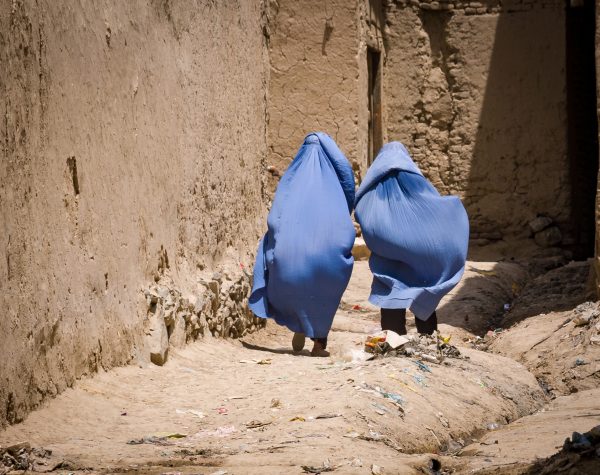
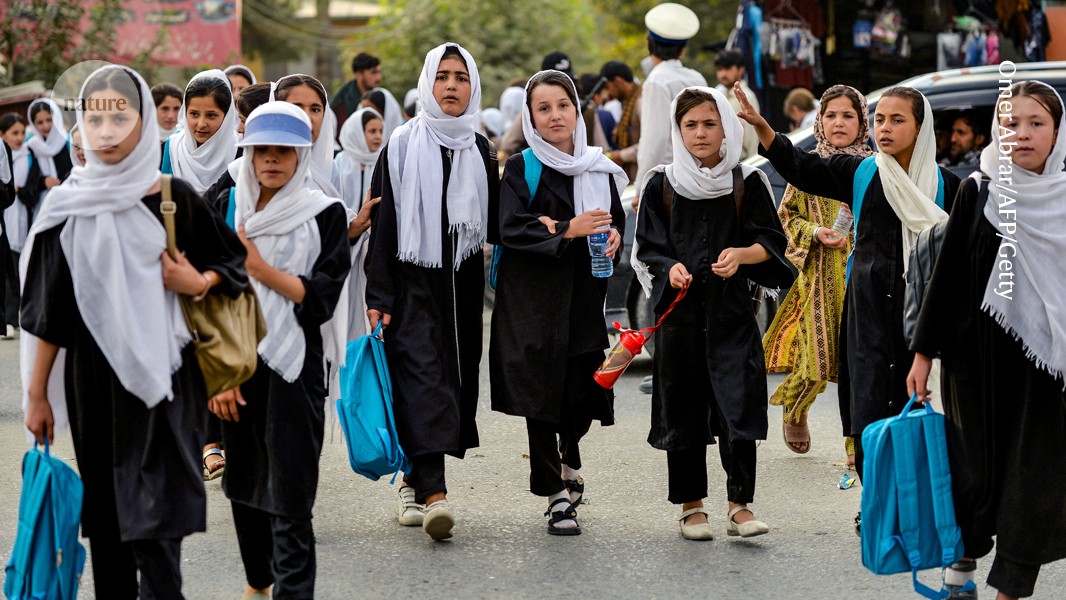
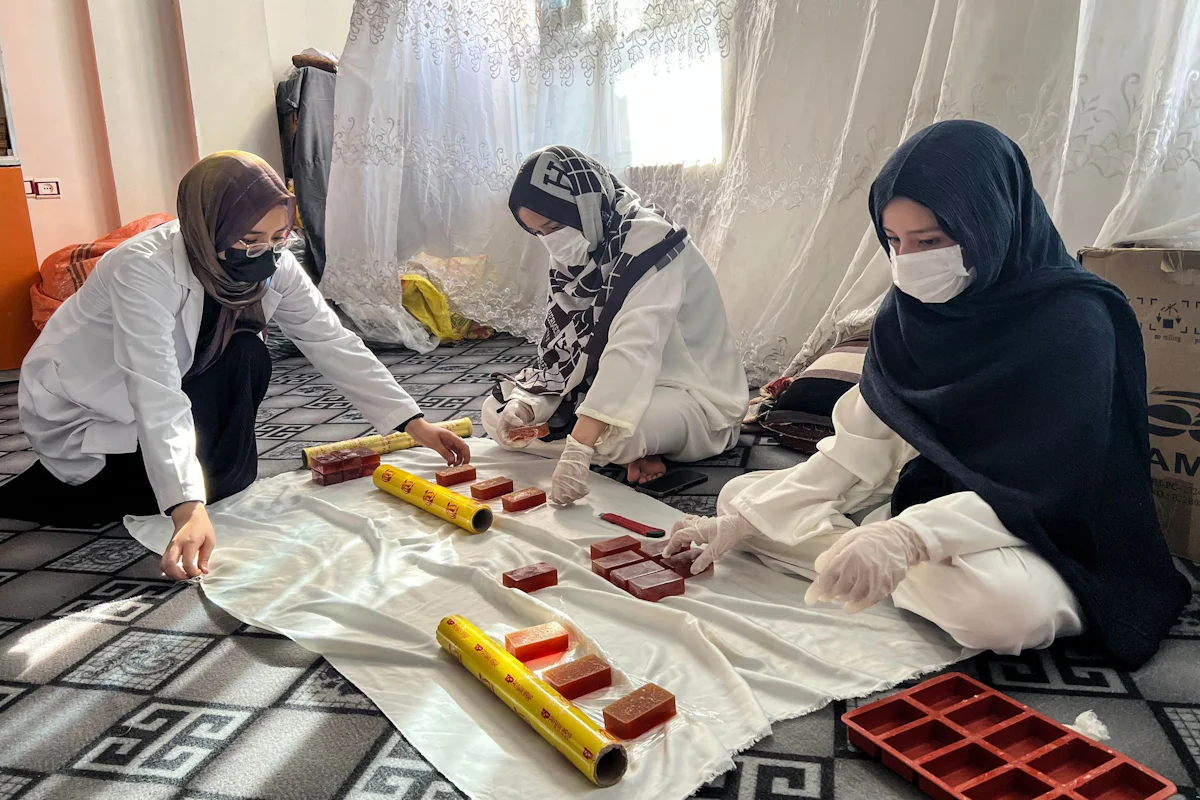
In the five years since the Taliban’s return to power, the walls have been closing in on the women and girls of Afghanistan. A dozen women and girls have, at great risk to their safety, documented their lives for the world to see
5,494 words~25 min read