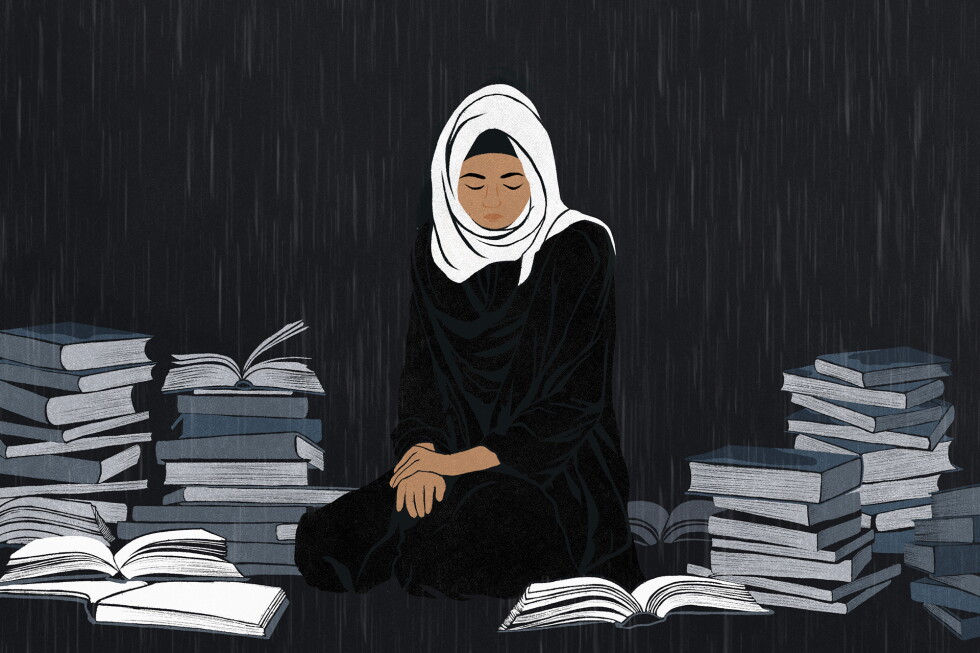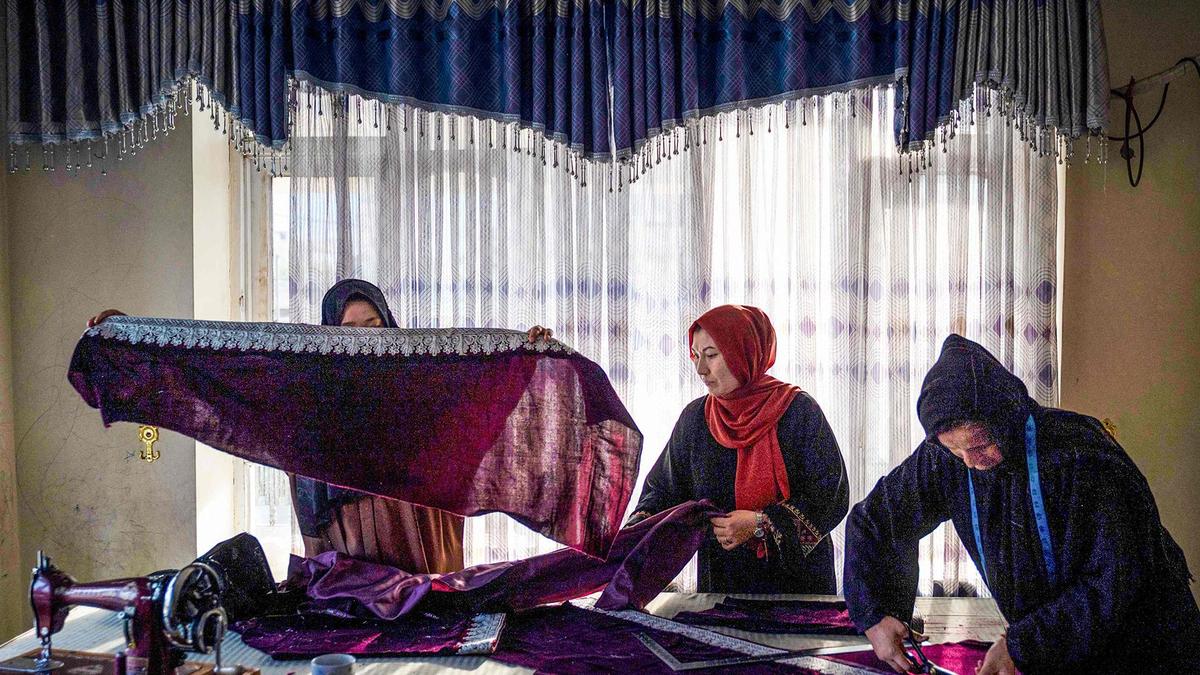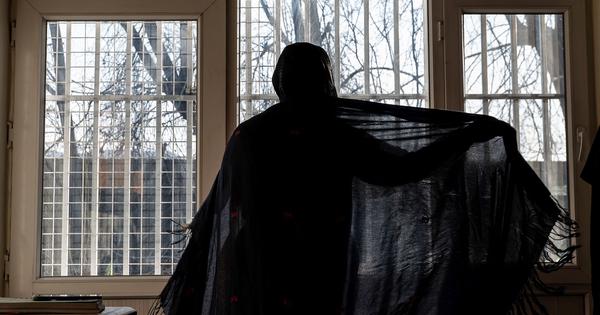
Picture this: you have spent decades building a career. You have a master’s degree. You have taught hundreds of students. You walk into work every morning with a sense of purpose. Then, almost overnight, the gates close. You are told you cannot come back. Not because of anything you did, but simply because you are a woman.This is what happened to female academics across Afghanistan after the Taliban returned to power in August 2021.We conducted interviews with 12 Afghan female academics via Telegram and WhatsApp, eight of whom were in Afghanistan and four of whom had recently left the country. Of those who were in Afghanistan, only one has since managed to leave – the rest remain there. What they told us was devastating.When the Taliban first ruled Afghanistan between 1996 and 2001, women were barred from education and most forms of employment. After the US-led intervention, things slowly improved. Female participation in higher education in Afghanistan increased dramatically, expanding from 5,000 students in 2001 to over 100,000 in 2021. Women made up 28% of university students and 14% of academic staff. Progress was real, even if fragile. Then it was reversed almost entirely.By December 2022, all universities had closed their doors to women. Girls’ education was banned beyond the age of 12. Women were banned from most jobs, required to have a male guardian to travel and forced to wear a black hijab in public. Afghanistan now ranks at 181 out of 193 countries on the Human Development Index.The women we interviewed did not describe their situation in abstract political terms. They described it in deeply personal ones.On 20 December 2022, female university students were banned from higher education in Afghanistan. More than 1,500 days later, millions of girls and women are still denied education, work, and basic freedoms. The silence, inside the country and around the world, continues. pic.twitter.com/r81XU0zsiq— Jahanzib Wesa (@jahanzibwesa) December 21, 2025
‘It’s like gradual death’: Afghan women academics struggle to cope with ban on education, employment
Despite the challenges, the women that researchers spoke to had not given up. Some are finding quiet ways to keep teaching.
884 words~4 min read