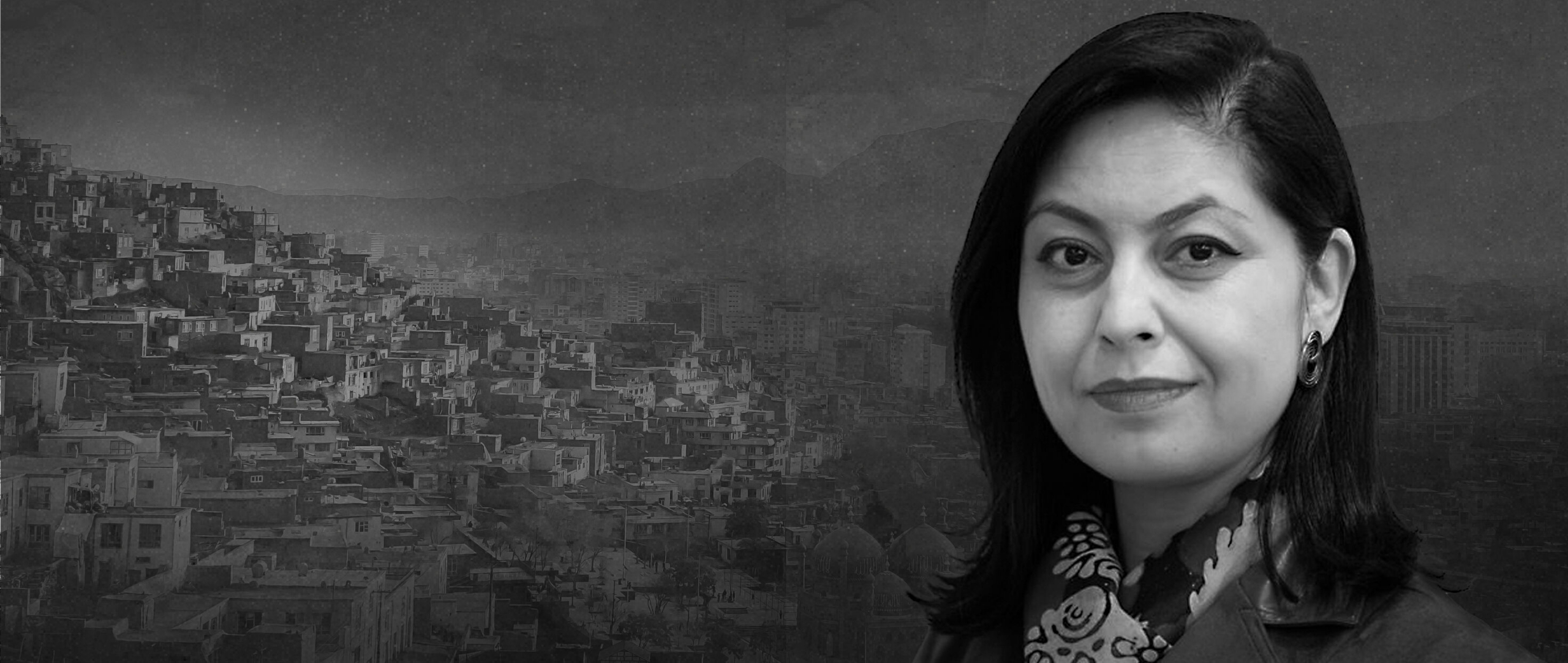
Fatema Uzgan Nusrat on why girls’ education matters
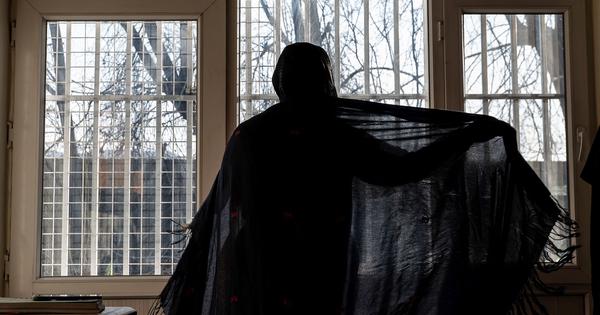
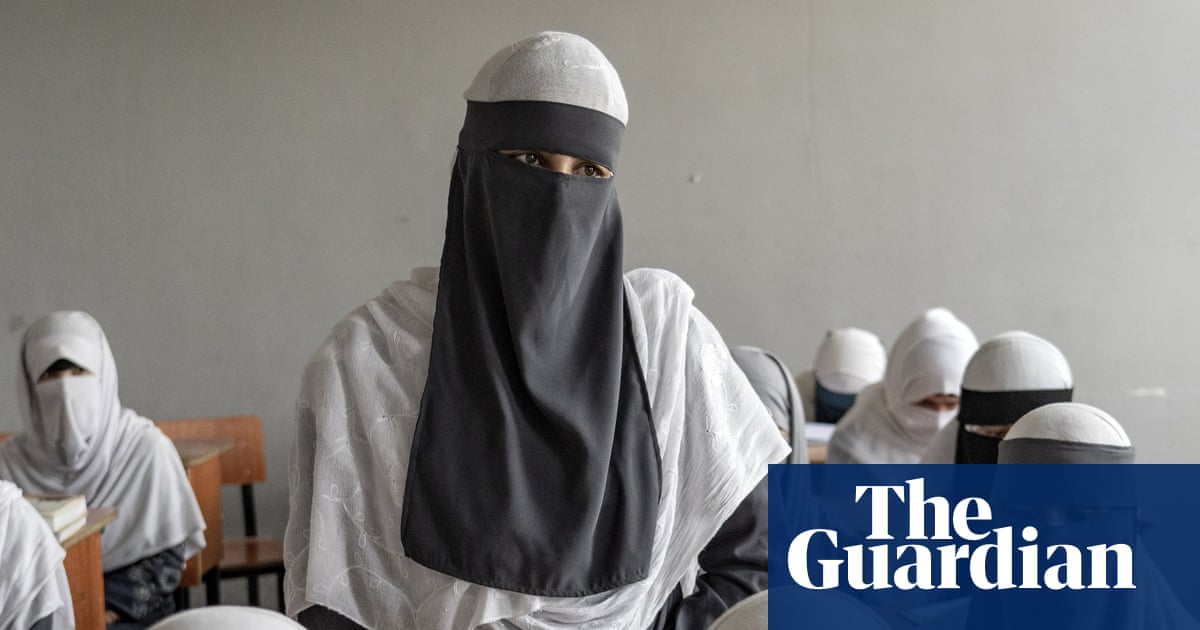
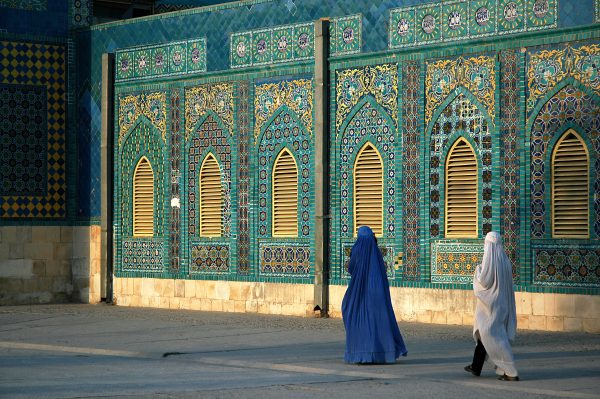
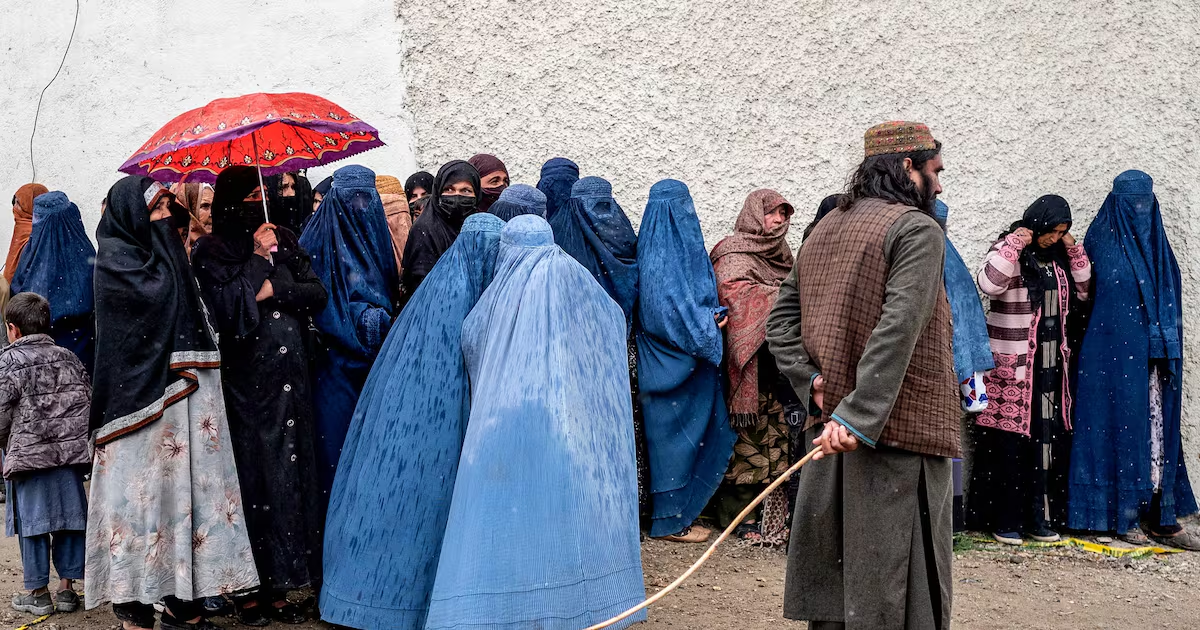
When the Taliban first took control of my province in Afghanistan in 1998, I was 12-13 years old. Schools were forced to close for girls, which was deeply painful for me as I loved going to school. I suddenly had to wear a burka and was not allowed to go outside without a male chaperone. There were no educational programmes available, and no internet.
At one point, a relative came to our house and warned us that keeping books was not safe, so we burned them—along with family photographs. Out of fear and uncertainty, people even threw away toothbrushes because of rumours that the Taliban only used miswak [a type of wooden twig] and disapproved of toothbrushes. It was an environment of constant fear, where even small things felt dangerous.
I managed to save a few books from my grandfather’s library, and I continued reading them throughout those difficult years.
During the hot summers in Afghanistan, I would wake up early to read while the air was still cool and everyone else was still asleep. I spent much of my day reading, even while helping my mother in the kitchen. Sometimes, my oily hands would leave marks on the pages of my books.