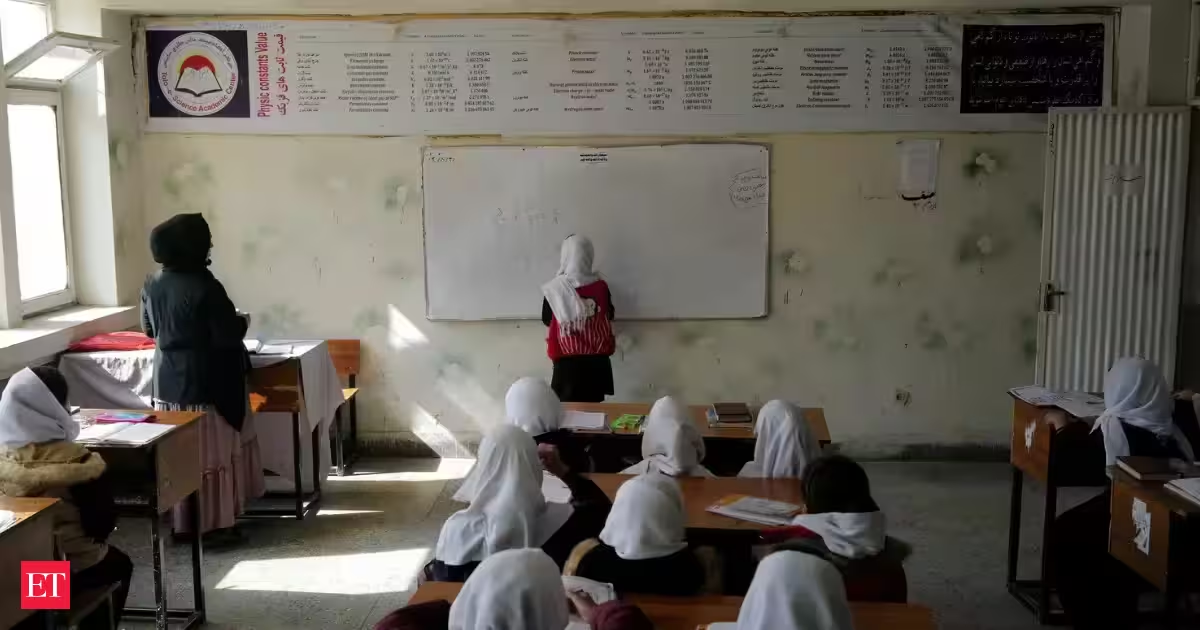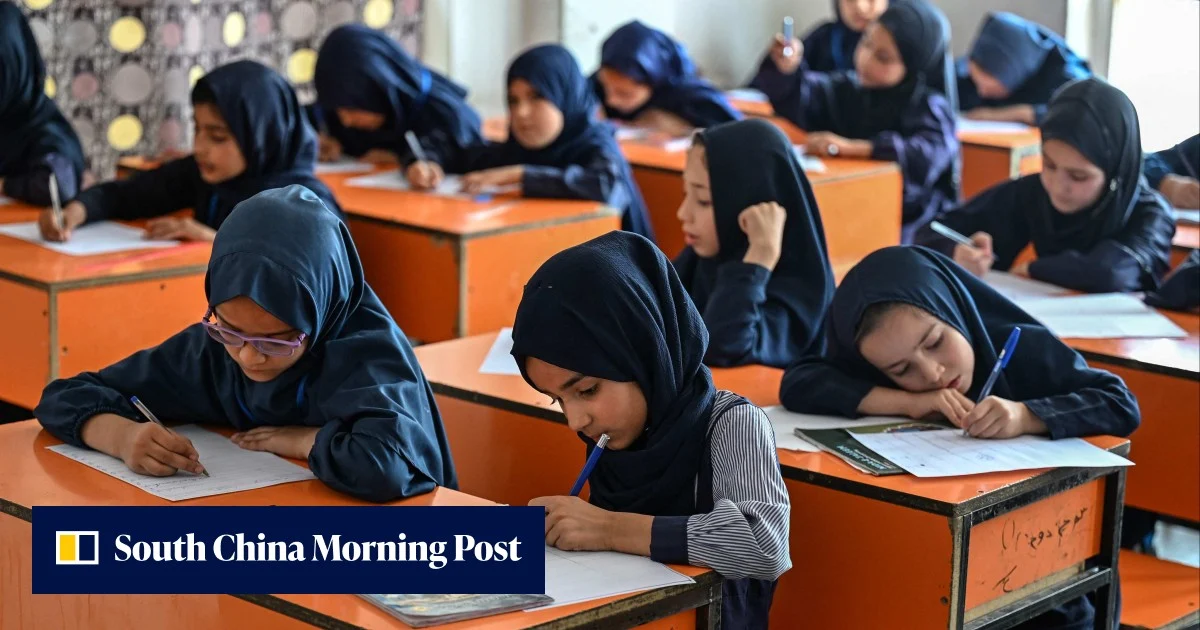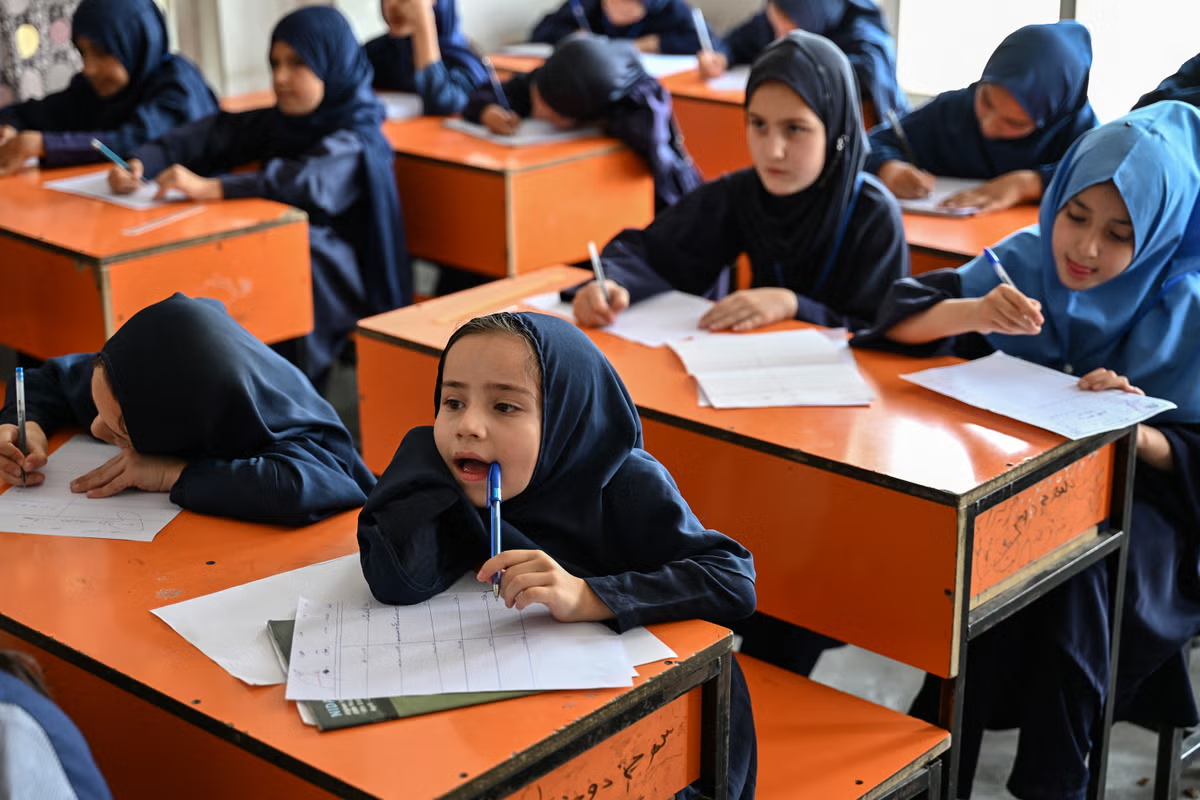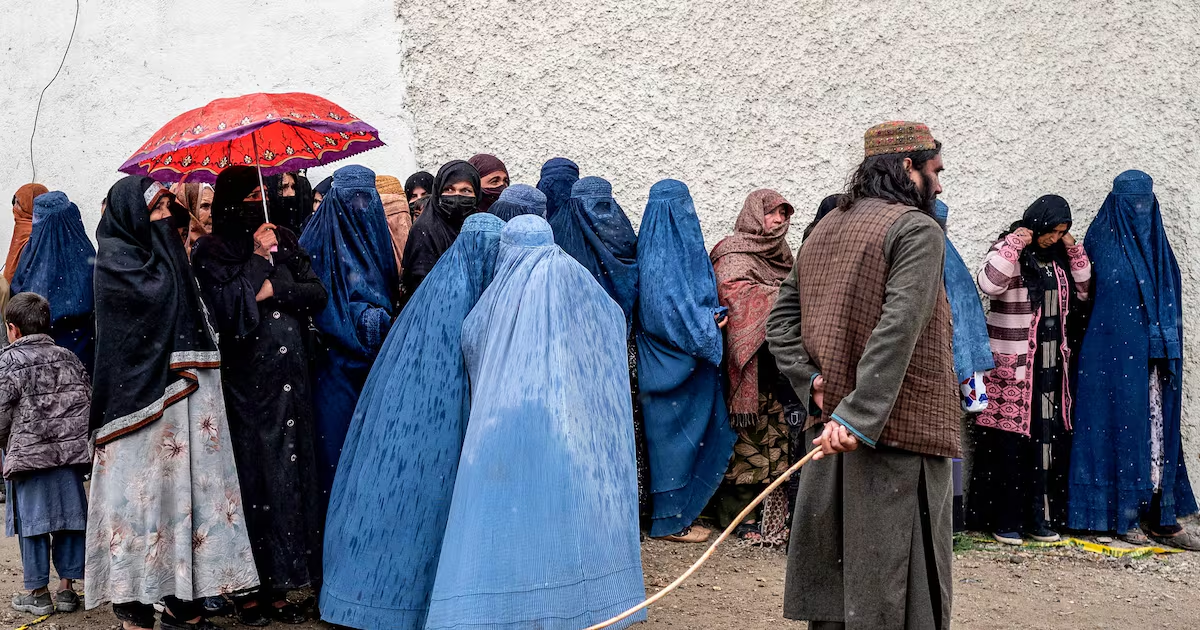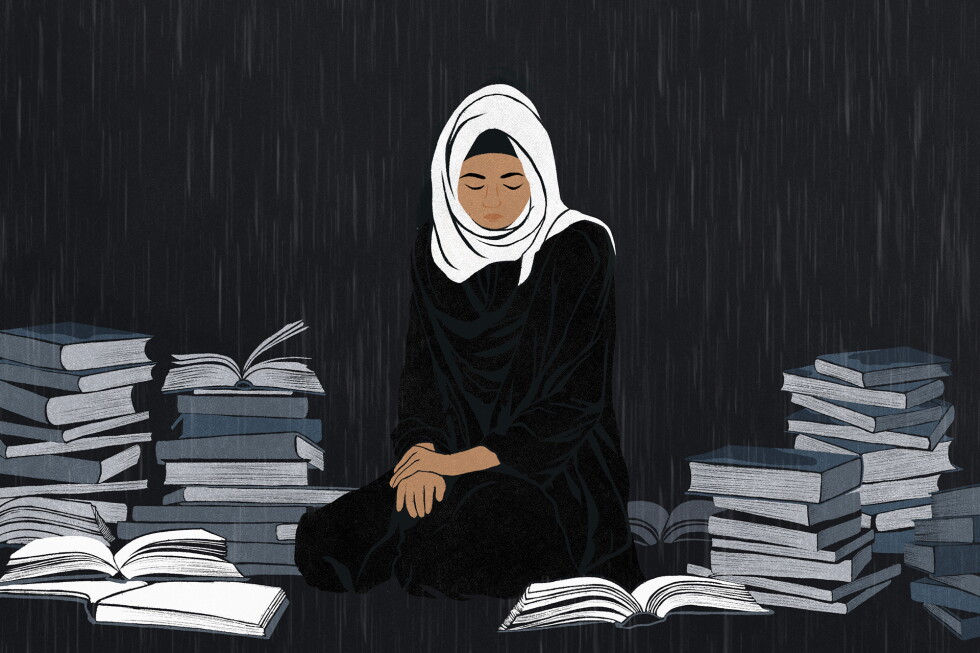
Every day, even after the Taliban barred Afghan girls from education, Fariba went to school. The teenager left the house with her head held high, smiling, saying she would ask her teachers when she could wear her uniform again. Every evening, a crestfallen Fariba returned home.“She looked so devastated that we couldn’t recognize her,” says her mother, who asked not to be named out of fear of reprisal. “Months passed like this.”One night, the family went to bed unaware of what was to come. “We didn’t think she could reach such a breaking point,” her mother says. At just 16, Fariba died by suicide. In a note, she wrote that it was too hard to be a girl in Afghanistan.That is not new. Being a girl or a woman in war-scarred Afghanistan has been difficult for decades — and, for many rural women, for centuries. It grew far worse under the Taliban’s first repressive rule, from 1996 to 2001, and has eroded again significantly since the religious movement’s acolytes retook power in 2021 when the United States pulled out.
And to hear many Afghan women and international observers tell it, things are only getting worse. Suicides like Fariba’s are a signal of the situation’s severity, and examining such cases offers one glimpse into the situation for women writ large — and how it ripples out into other crucial issues in society. When the Taliban retook power this time around, they pledged to uphold women’s rights. Instead, they closed schools to girls beyond sixth grade, citing their interpretation of Islamic law. They have also stopped medical courses for women, which in turn impacts women’s health.