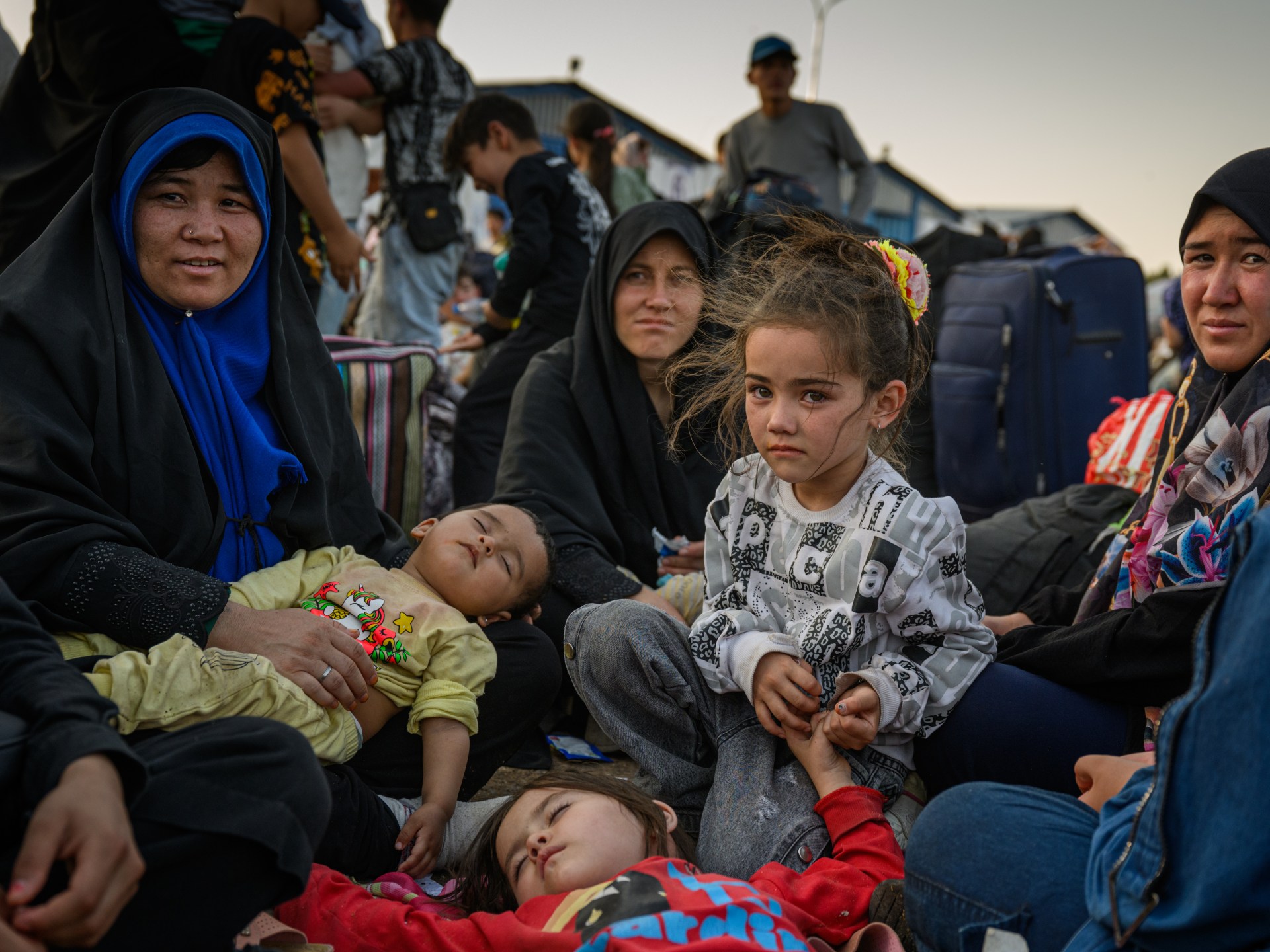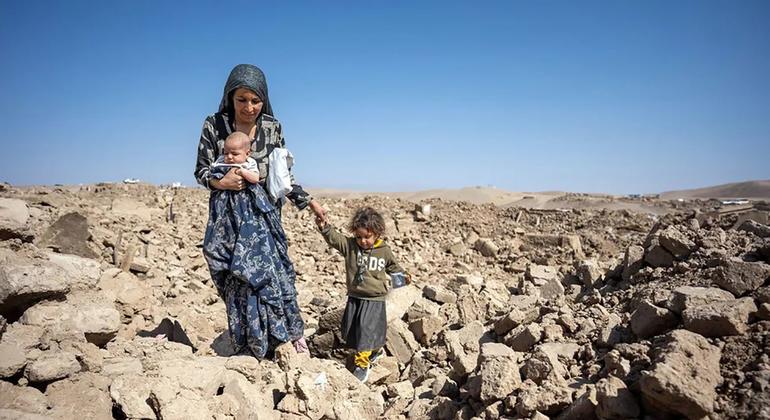
KABUL, Afghanistan: Next to small bundles of belongings, Maruf waited for a car to take him and his family away from their village in northern Afghanistan, where drought-ridden land had yielded nothing for years.
“When you have children and are responsible for their needs, then tell me, what are you still doing in this ruin?” said the 50-year-old.
Many of the mud homes around him are already empty, he said, his neighbors having abandoned the village, fleeing “thirst, hunger and a life with no future.”
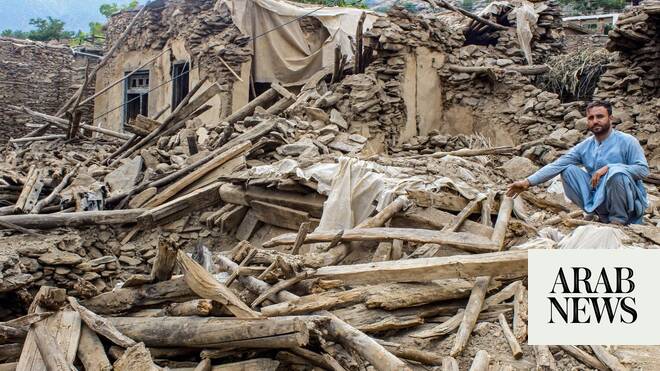
Successive wars displaced Afghans over 40 years, but peace has not brought total reprieve, as climate change-fueled shocks drive people from their homes and strain livelihoods.
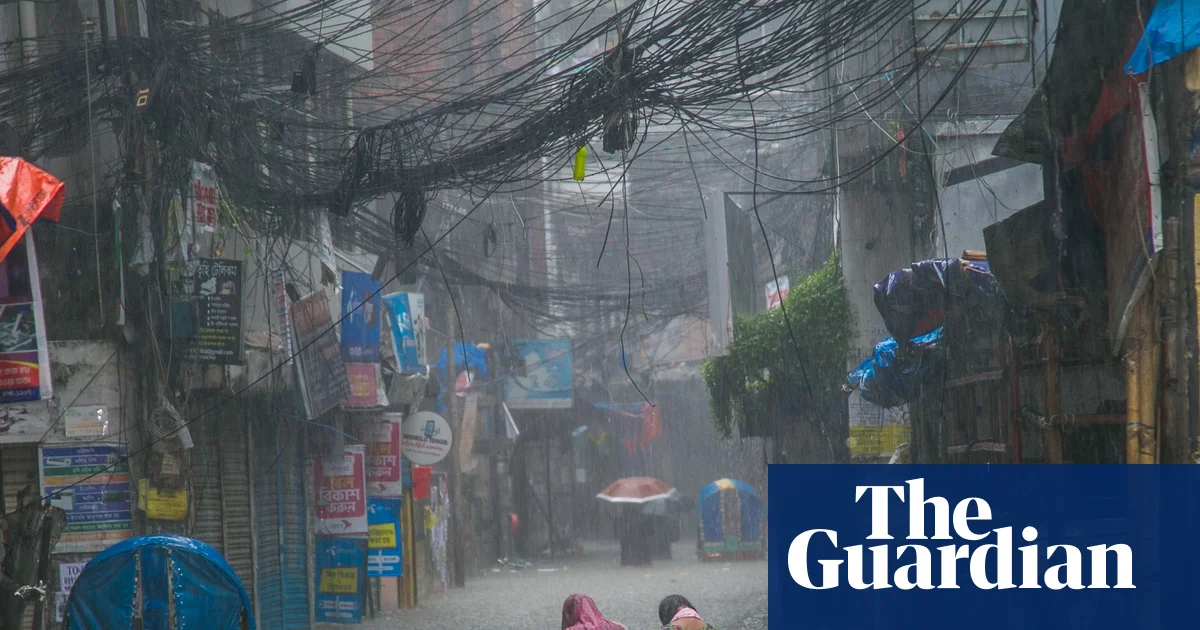
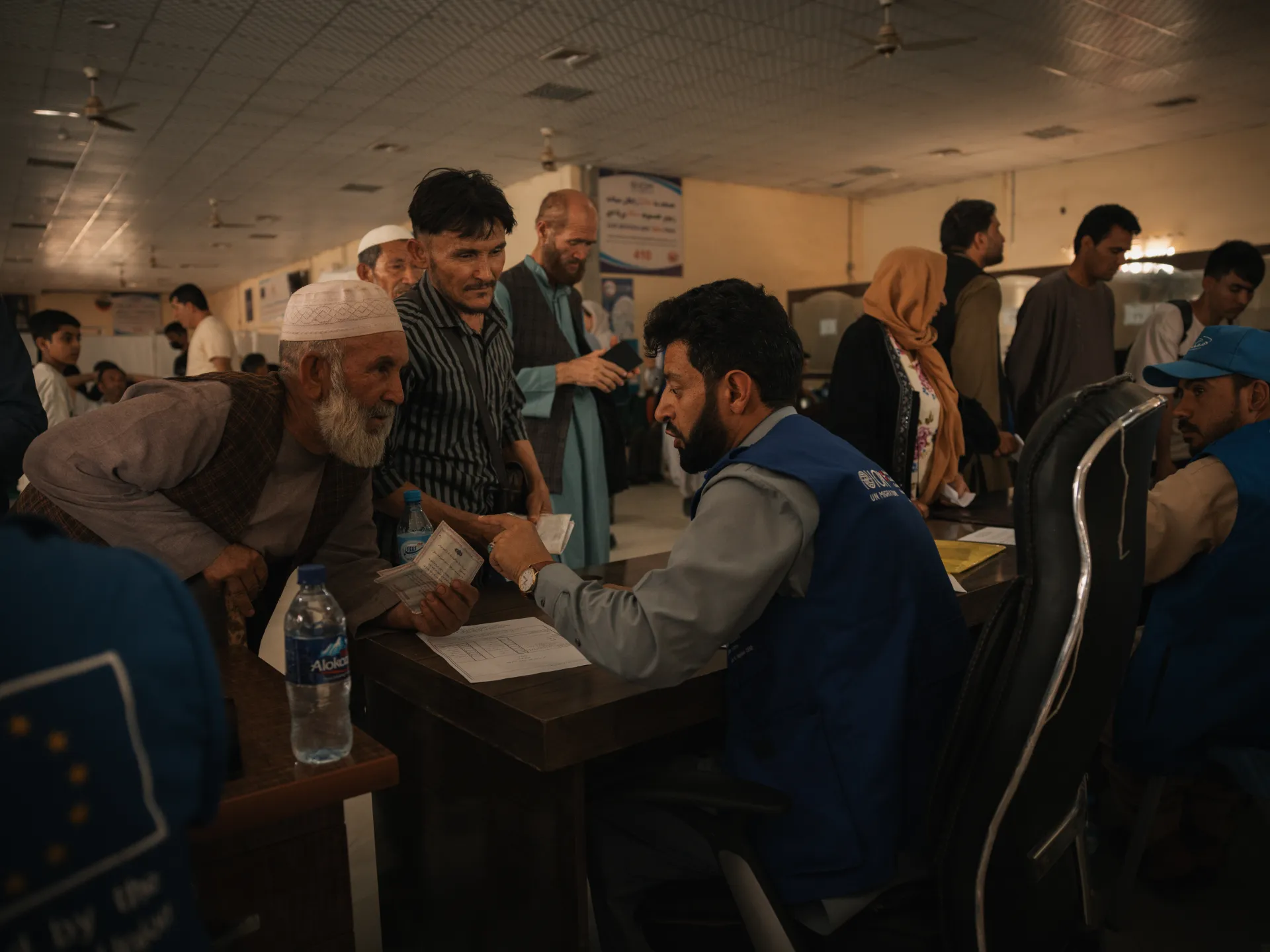
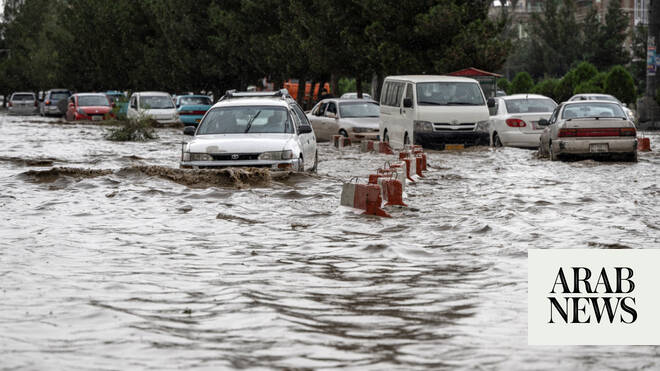
Since the war ended between the now-ruling Taliban and US-led forces in 2021, floods, droughts and other climate change-driven environmental hazards have become the main cause of displacement in the country, according to the UN’s International Organization for Migration (IOM).