Emergency aid isn’t enough. Only smart investment in livelihoods and water can stop the crisis from spiralling.
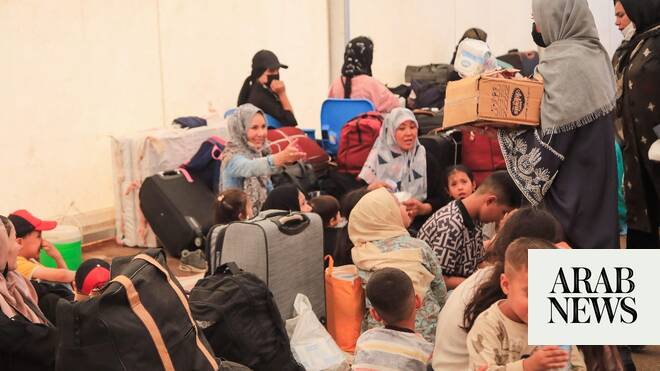
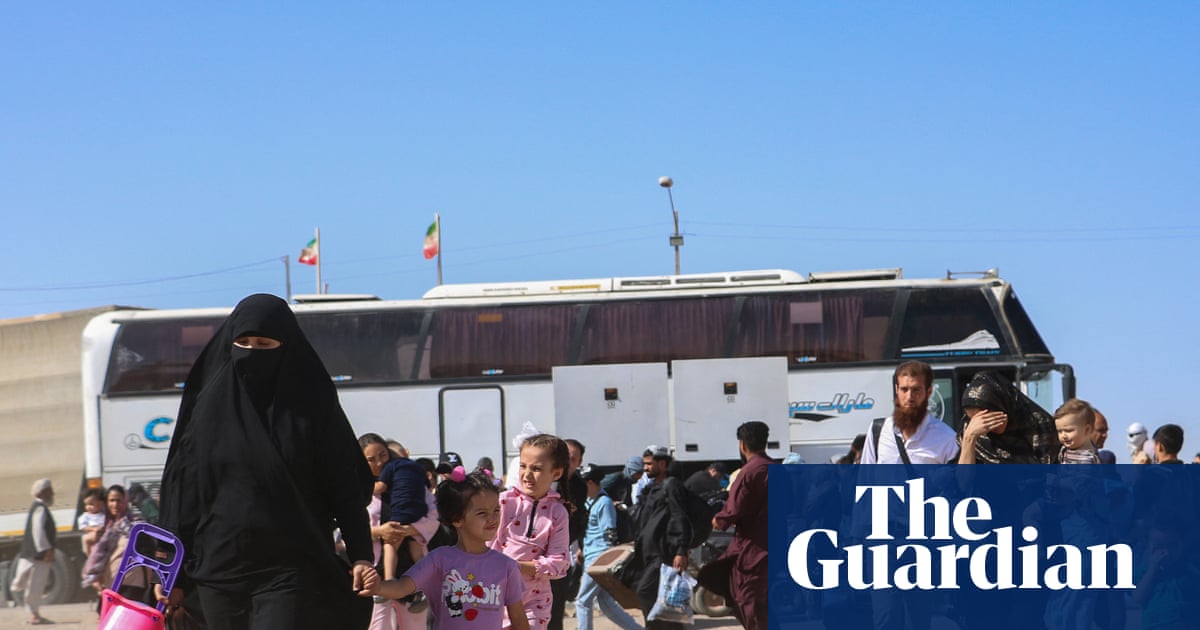
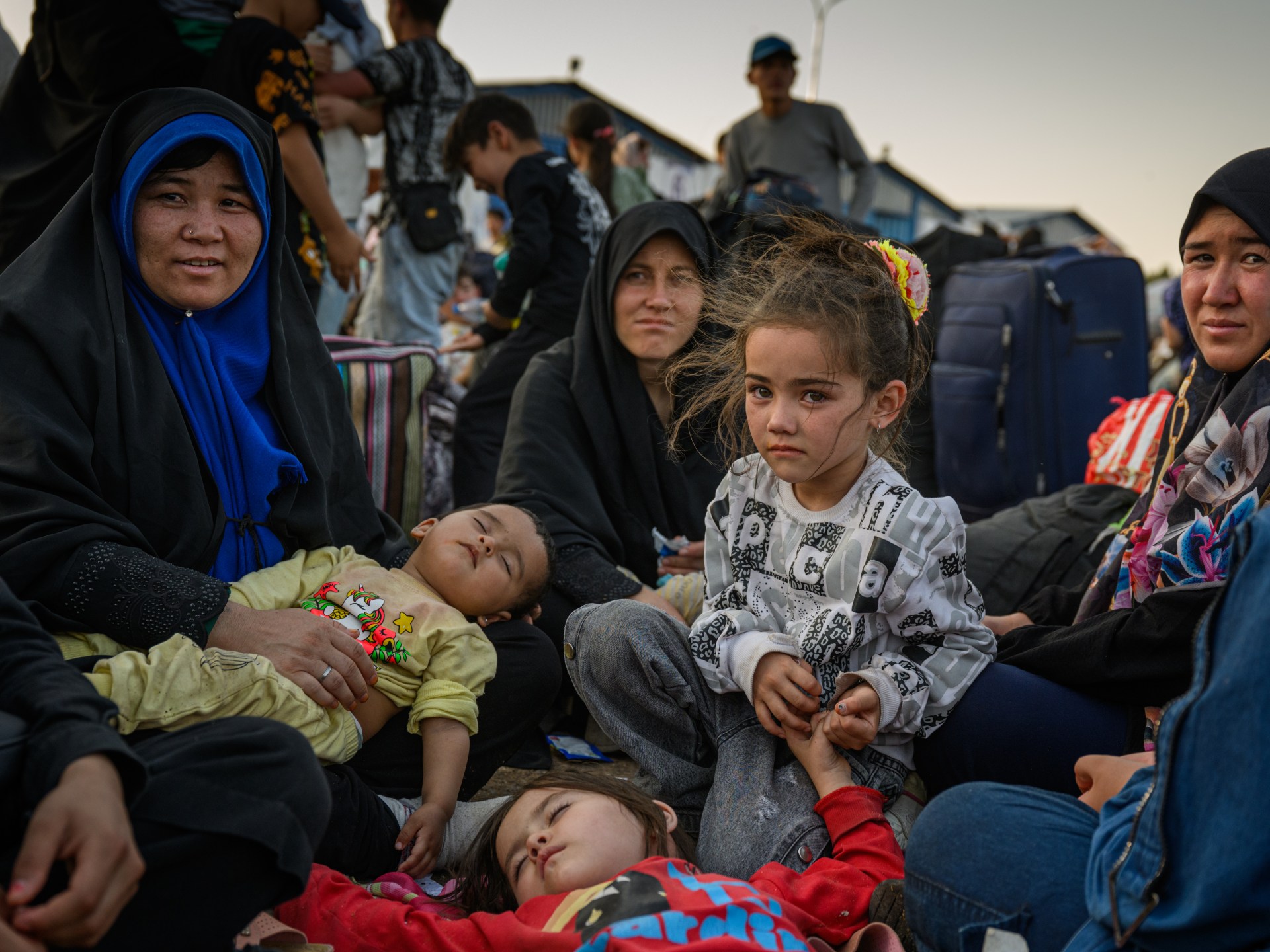
At the transit camp in Islam Qala in western Afghanistan, Fatima steps out of the bus into the blazing heat and an uncertain future. She is one of 10,000 people who has arrived from Iran that day and one of 800,000 who has arrived over the last six months. She hurries her three children to an empty spot, slumps onto the dusty ground, and shelters her family with bed sheets. When asked where she goes from here, she says a brother might take them in in her home town.
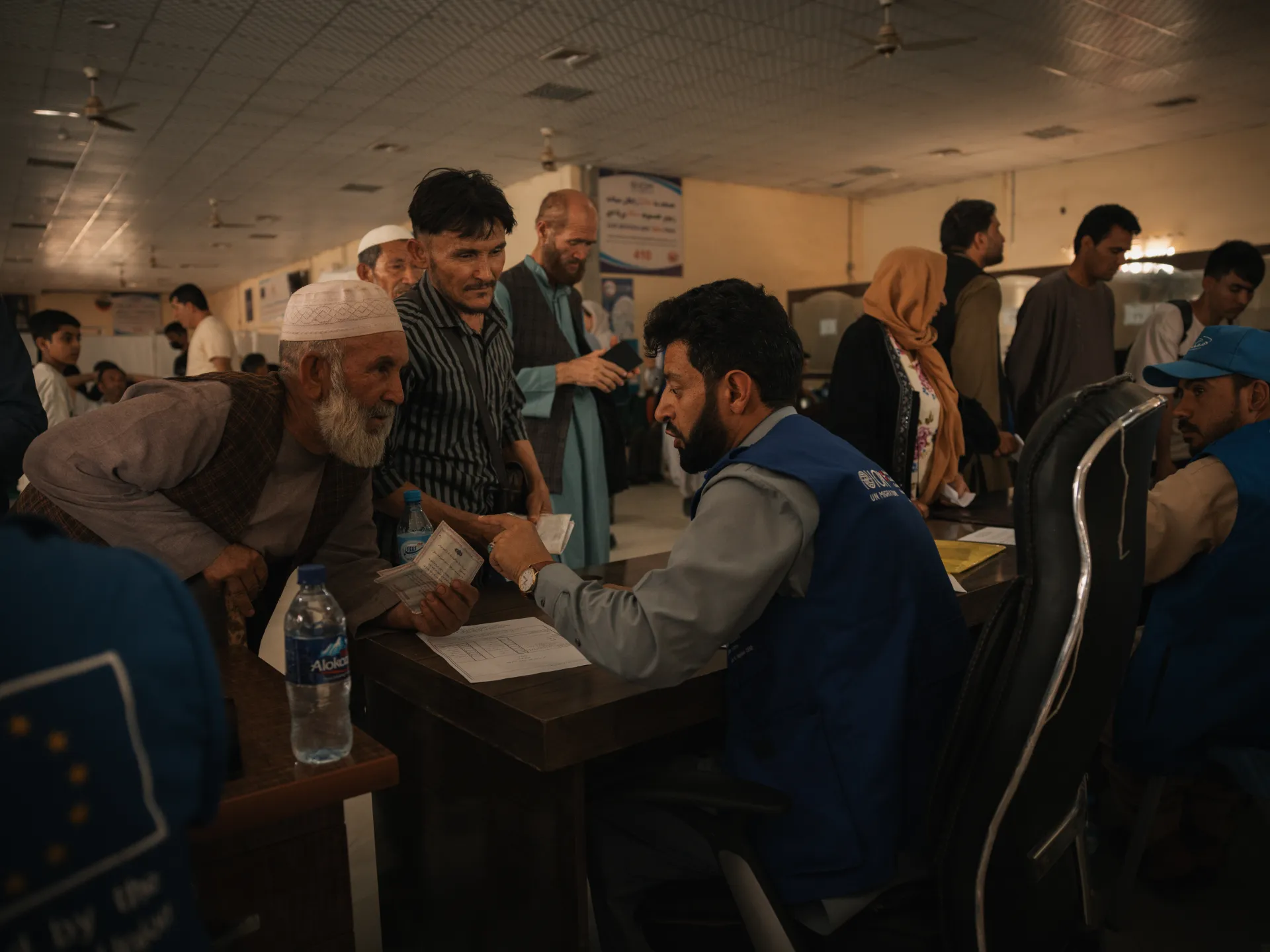
The IFRC supports the Afghan Red Crescent Society to provide hot food and healthcare at the camp. UN agencies provide some cash. But within a day, it’s time to leave. Bus drivers call out the names of Afghan cities and towns. Fatima lugs her cases towards a bus to Owbeh, in Herat province. Her three children trail behind her. She explains that she learned carpet weaving in Iran, but wasn’t allowed to bring any materials or instruments with her. How can she start from scratch without money, she asks. And who would buy her carpets in her village anyway? They have nothing. Not even to eat.
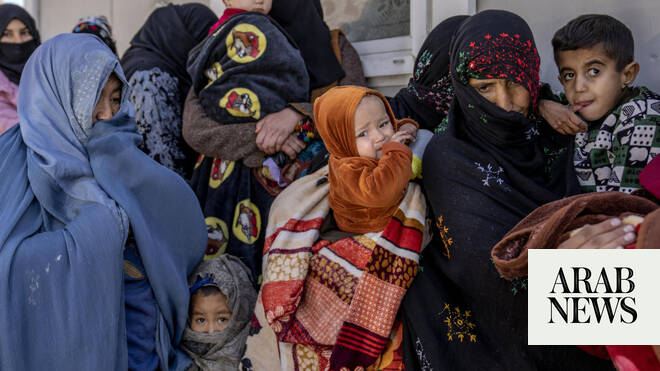
The departure from Iran has been traumatic, but her real challenges start now. When she arrives in her hometown, there will be no jobs in the public sector for her. Men will be reluctant to hire her because of the rules and regulations associated with employing women. Her one chance to cope will be to get her own enterprise going. For that, she’ll need start-up capital. She may also need assistance from her brother to access markets. It will be a struggle, but increasing numbers of Afghan women are rising to this challenge. Fatima could, too. If only she could get access to credit.