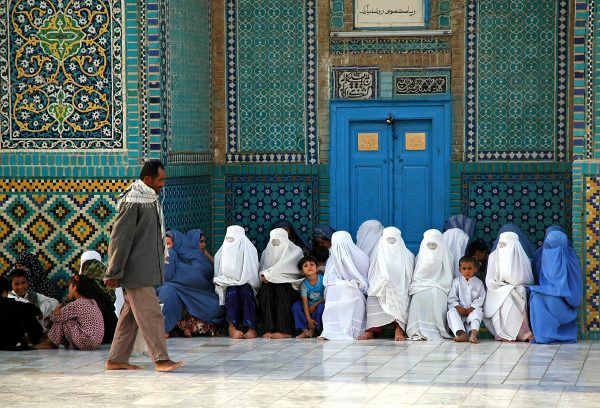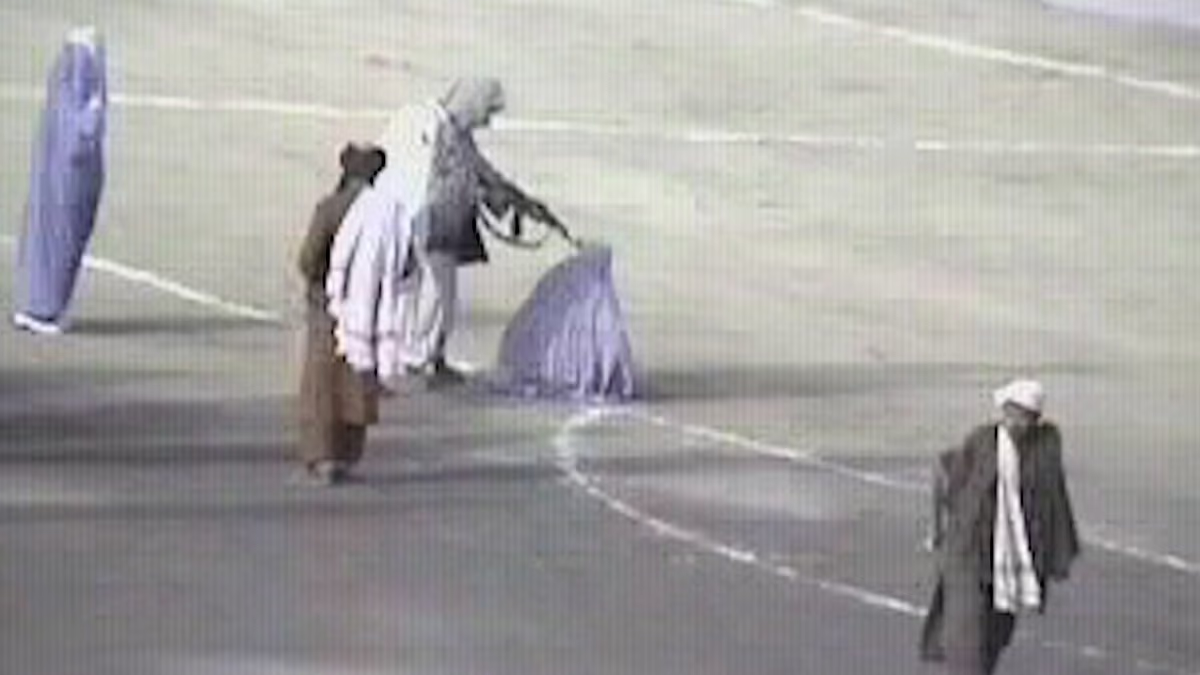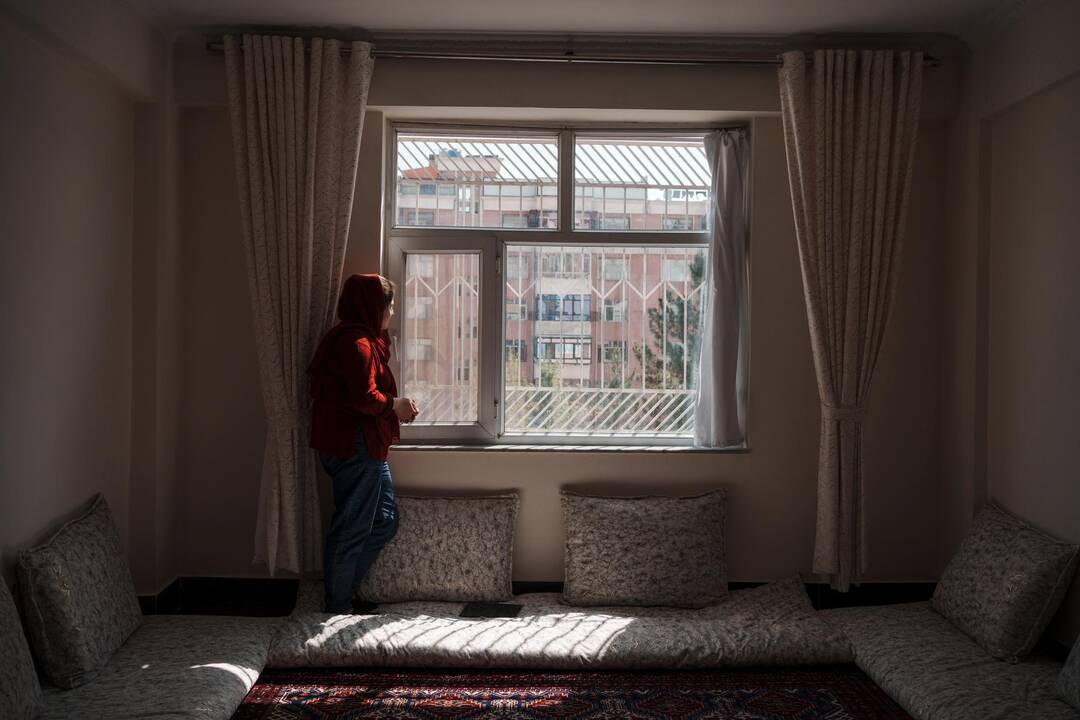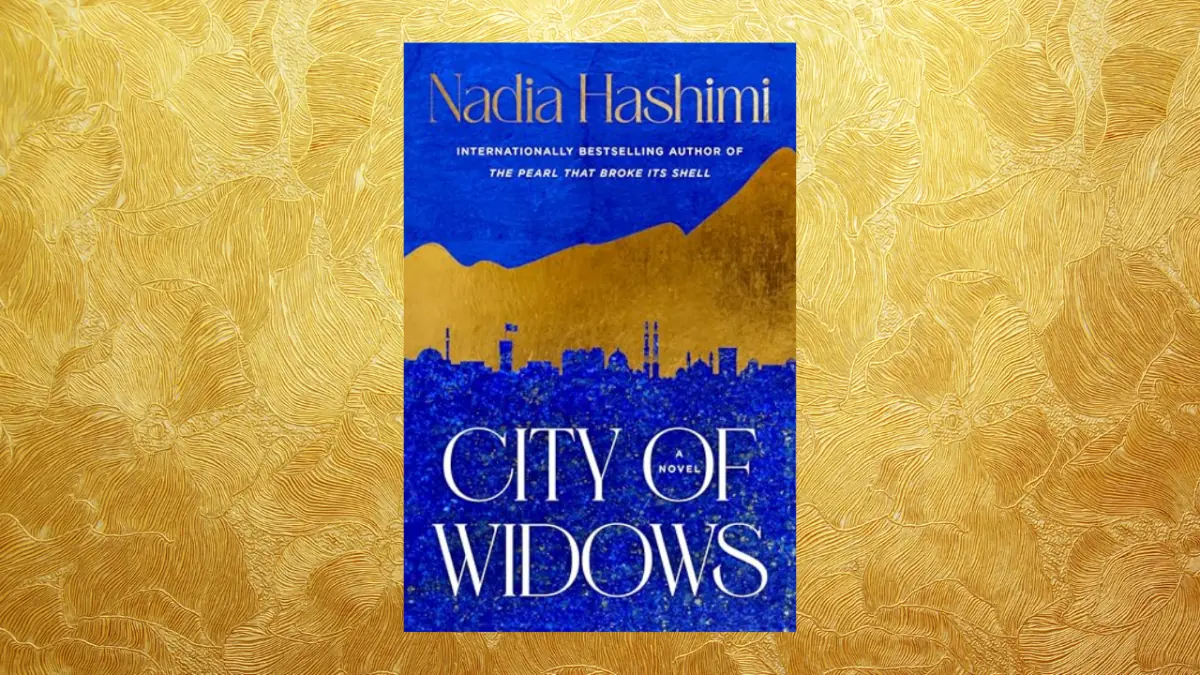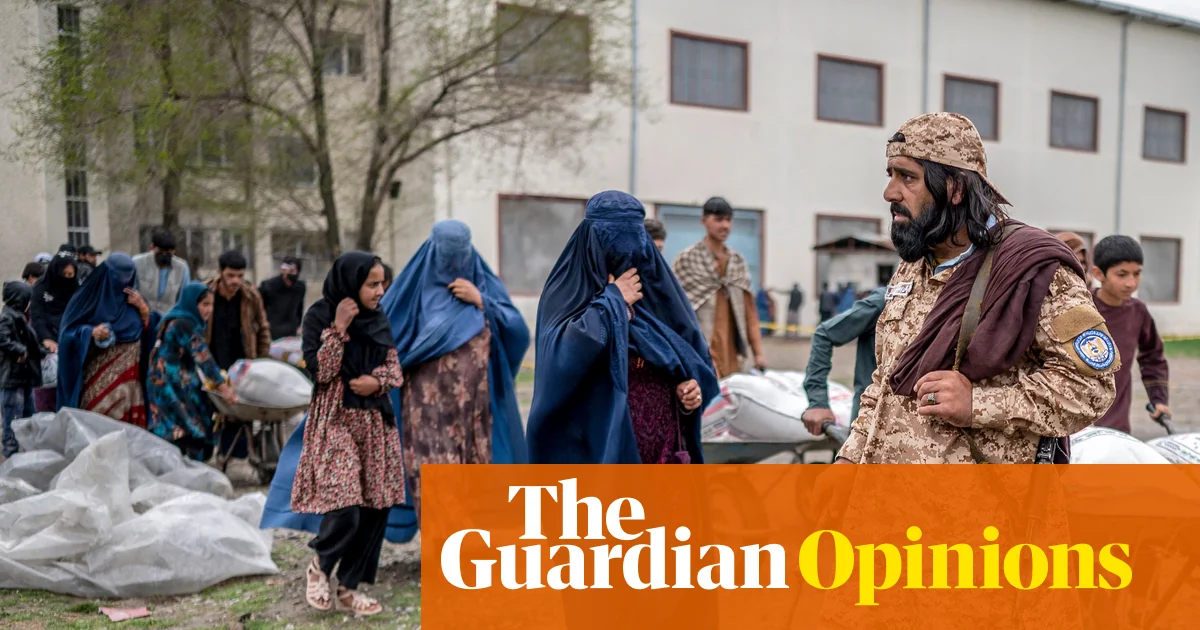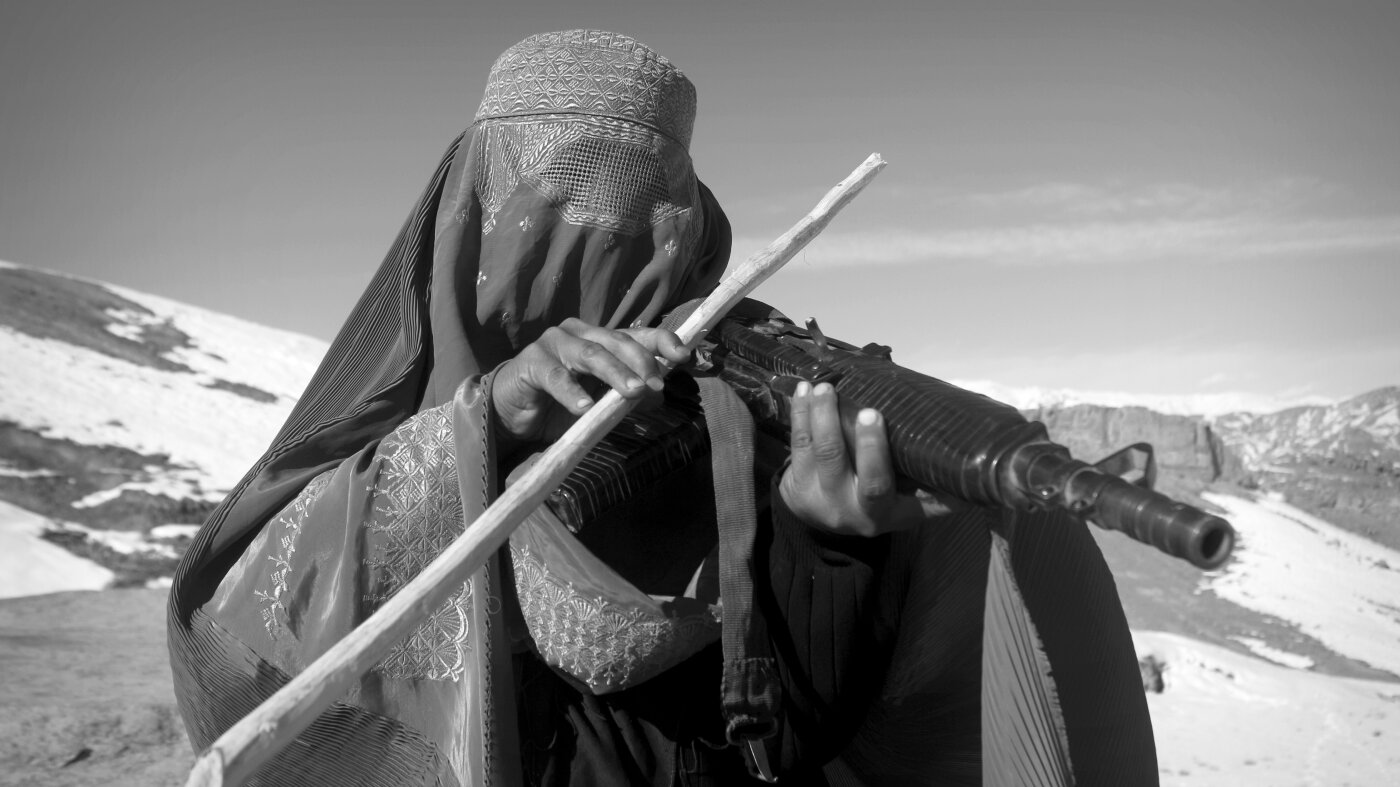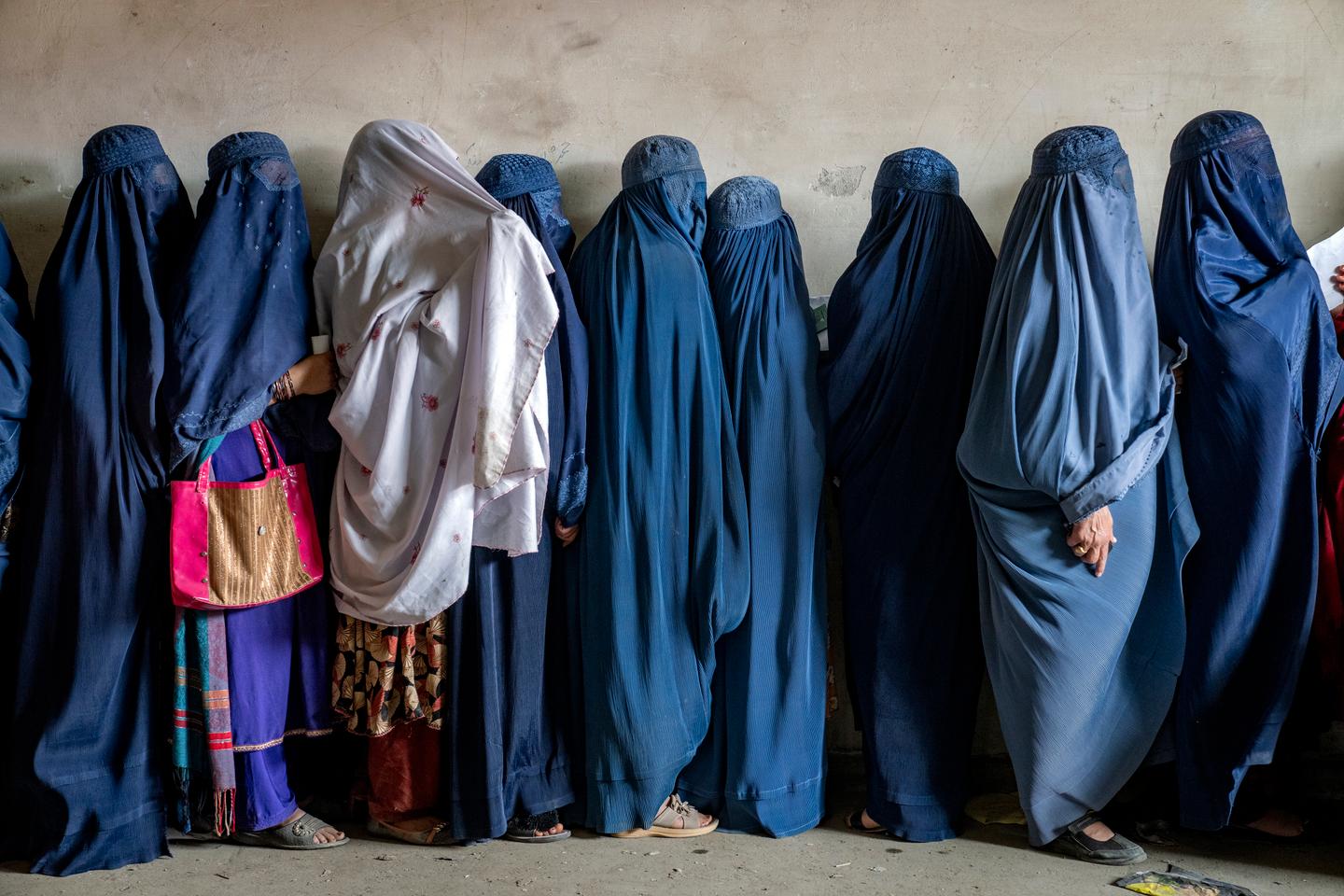
The hardware of war is on full display in a phantasmagoria of savagery. Dancing and cheering beneath white Taliban flags, revellers take selfies as they move through the streets carrying AK-47s and rocket-propelled grenades. Armoured vehicles and abandoned Humvees roll past the shuttered former US embassy at Ahmad Shah Massoud Square as military helicopters fly overhead, scattering flowers over a parade of male athletes. Cars and motorcycles carry dummy yellow fuel canisters like those used for homemade explosives during the insurgency. Fighters hang from car windows and sunroofs and crowd the backs of pick-up trucks. Boys pose with toy guns and firecrackers explode. There’s not a woman in sight.On August 15 2026, the Taliban marked five years in power with this raucous display of aggressively male triumphalism on the streets of Kabul, while Afghanistan has been plunged into a humanitarian crisis. Hundreds of decrees have been issued in line with fundamentalist sharia law, stripping women of their human rights and erasing them from public life.Nadia Hashimi’s City of Widows opens five years earlier, as the Taliban closes in on Kabul. The novel moves between Marjan’s past and August 2021, when the Afghan government collapses and US forces make their chaotic withdrawal.Marjan was born Rahima and spent part of her childhood as a bacha posh, a girl raised as a boy because her family had no son. For a time, she has freedoms denied to girls. That ends at puberty. At 13, she is forced to marry Abdul Khaliq, a violent warlord, as his fourth wife. She eventually escapes and takes the name Marjan. Years later, she serves with the Afghan Female Tactical Platoon, an all-female unit that works alongside US forces. When the Taliban returns, her work with the Americans makes her a target.Her daughter Hawa grows up in a different Afghanistan, where some women can get an education and work. She studies music and plays the rubab. Soraya wears red lipstick and leads an all-female combat force despite her wealthy family’s objections. Mina is a television journalist whose public profile puts her at risk when the Taliban enters Kabul.None of these women are portrayed as passive victims. They make difficult choices and resist when they can. Hashimi also makes it clear that women were far from free before 2021. Forced marriage and domestic abuse were already part of many women’s lives. Families could control how they lived. Before the Taliban returned, a woman’s freedom often depended on her family and social position. Under Taliban rule, that control is state policy. “It was too easy to sully a woman’s character,” Hashimi writes. “There was no need for evidence. An accusation became a conviction as soon as the words were uttered, and there was nothing a woman could do to prove herself innocent. There was no path to redemption.”As Kabul falls, former government workers and people linked to the Americans scramble to leave. Marjan and Hawa repeatedly make their way to Kabul airport, where thousands are trying to board evacuation flights. They face the crush at the gates and narrowly survive a suicide bombing. At the same time, her husband Abdul Khaliq discovers that Marjan is alive and starts looking for her.His return can feel like one threat too many. The fall of Kabul already gives the novel enough tension. But Abdul Khaliq makes another point clear. The Taliban is not the first form of male power Marjan has had to escape. She fled a violent husband who controlled her life. Now she faces a government that gives men power over women through the state.The novel takes its title from a poor settlement on the outskirts of Kabul where widows have built a community run by women, and led by the powerful Kobra, who helps them all hold it together. Though resources are scarce and the women pay bribes to keep the authorities away, within the settlement they control their own homes and make their own decisions.“The lights of the distant city flicker behind Kobra, like embers in the remains of a fire,” Hashimi writes. “The hill offers a unique view of the city, which has gone quiet these days; police trucks roll through the streets, driven by men who have their own laws, their own vision of order. People watch from behind curtained windows, some old enough to remember the last time they lived through this. Their heads bow, their shoulders slump. Their bodies recall the posture of submission needed to evade lashings.”I found City of Widows devastating. Hashimi writes this huge political story with an enormous amount of control, making it impossible to read without mounting rage. The West has abandoned Afghan women to the Taliban, and they have been failed by the international systems meant to safeguard human rights. The UN has voiced its condemnation. Amnesty International has documented the repression as gender-based apartheid, but international inaction has left Afghan women to fight alone. The novel is a massive condemnation of that abandonment.Business Day
A life lived in shackles is a life in vain
Nadia Hashimi’s City of Widows sheds light on the Taliban's abuse of Afghan women
826 words~4 min read