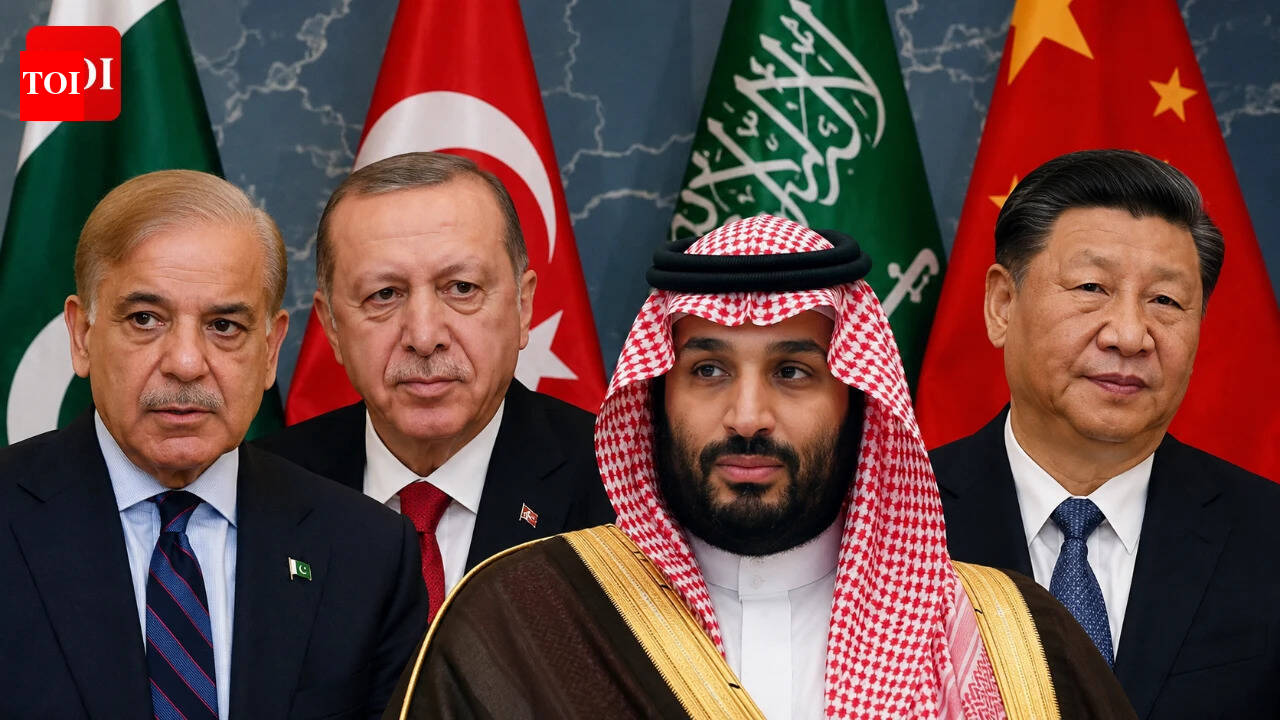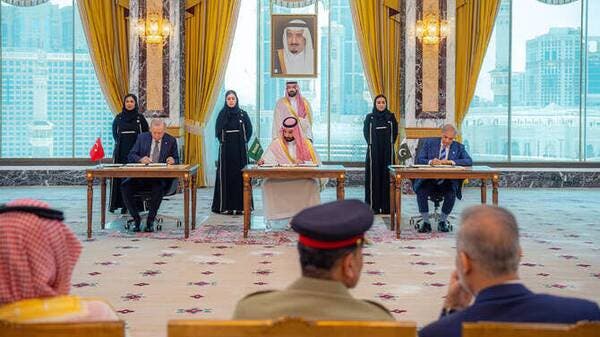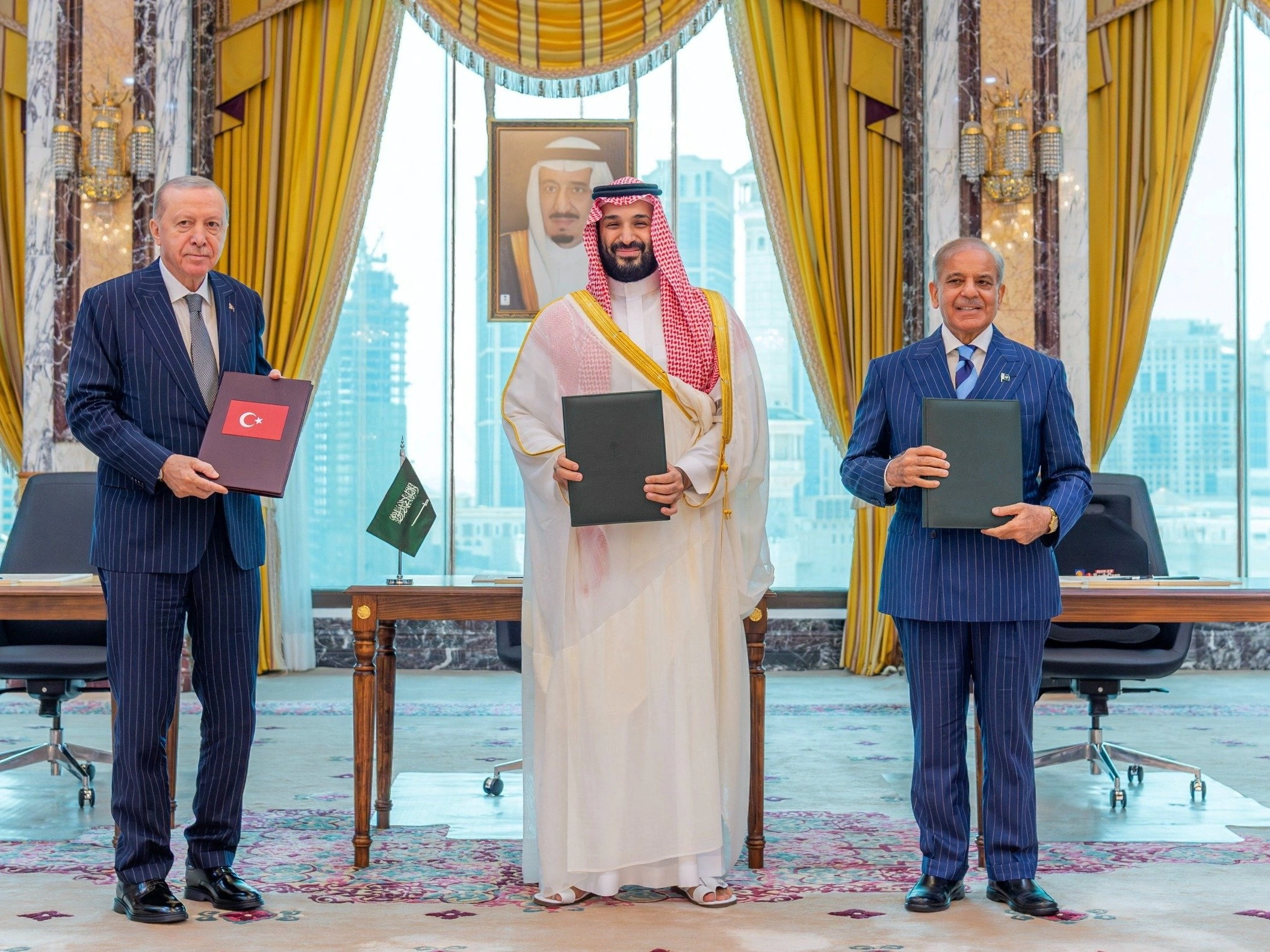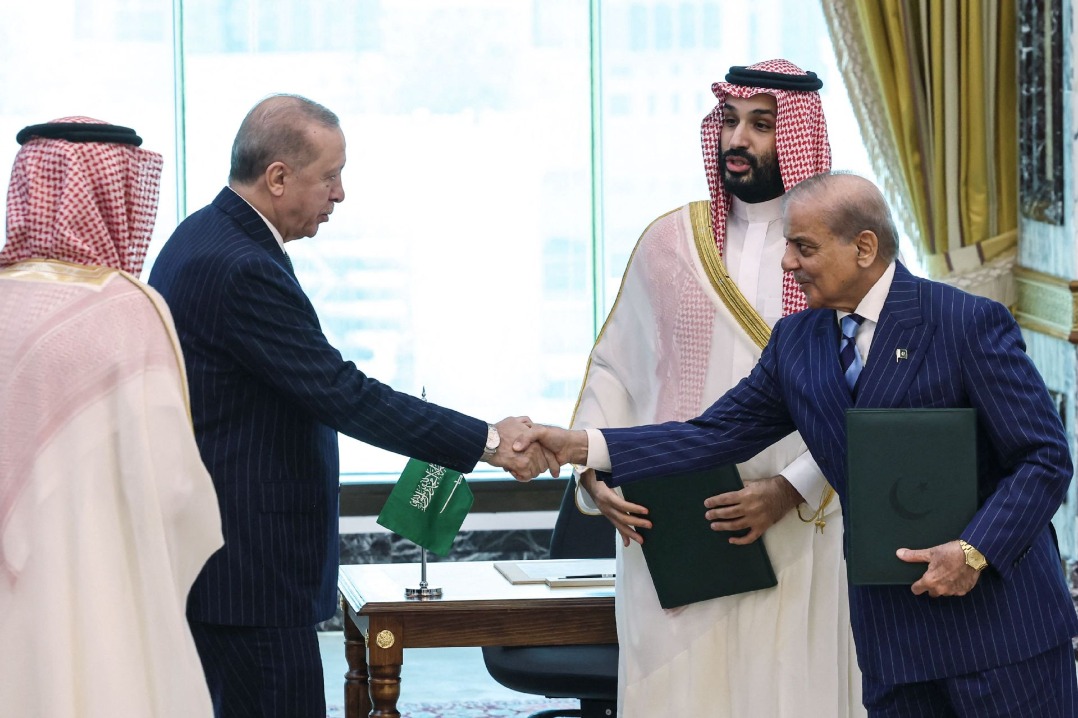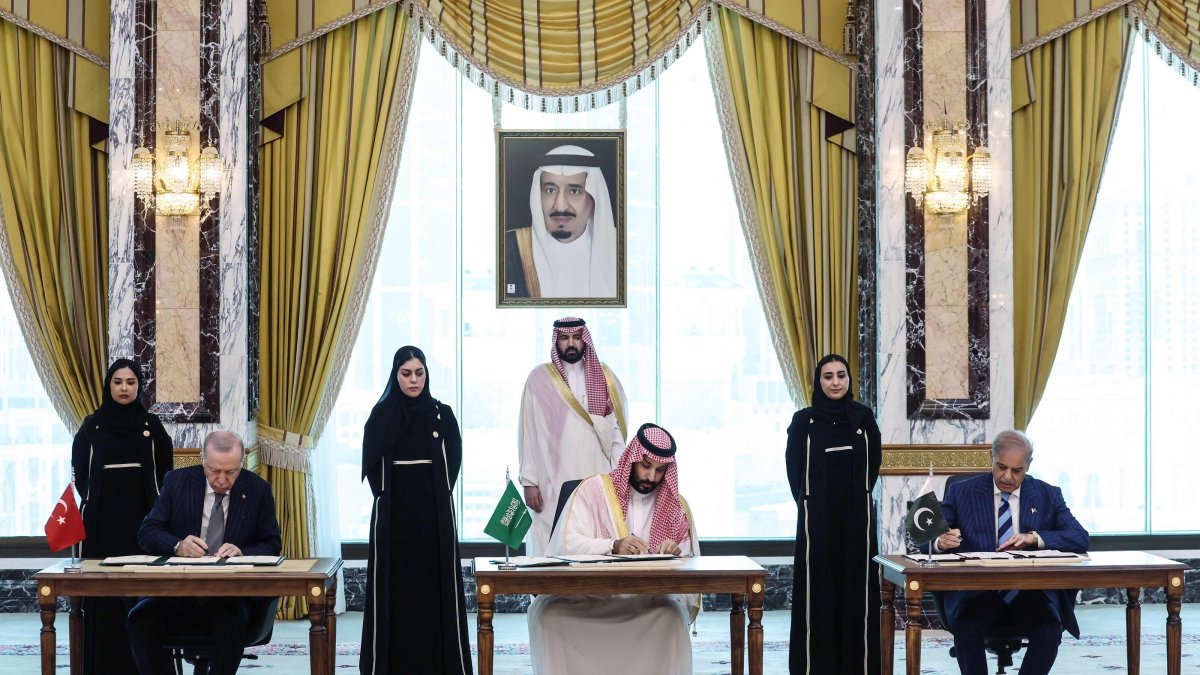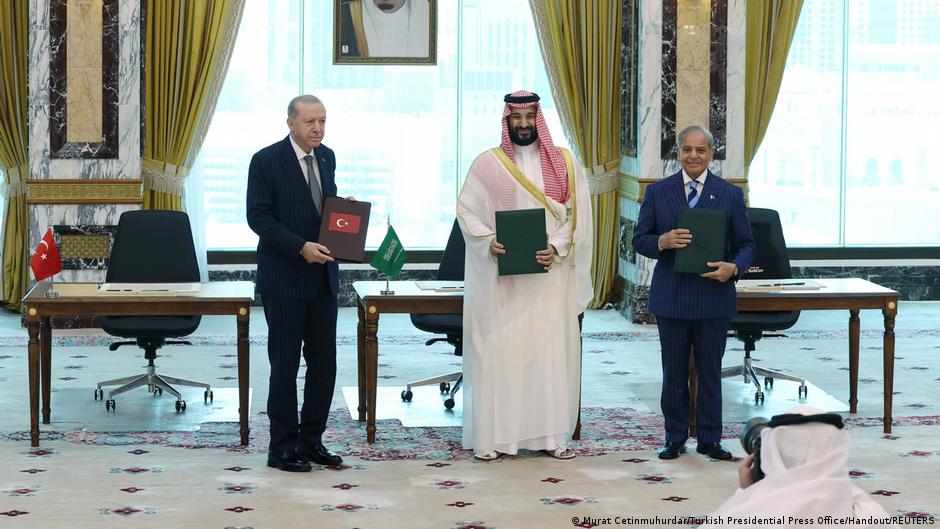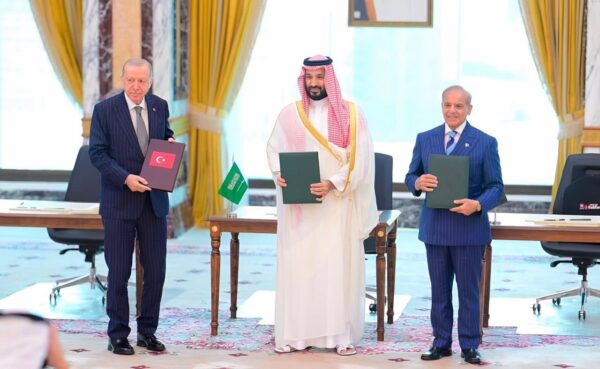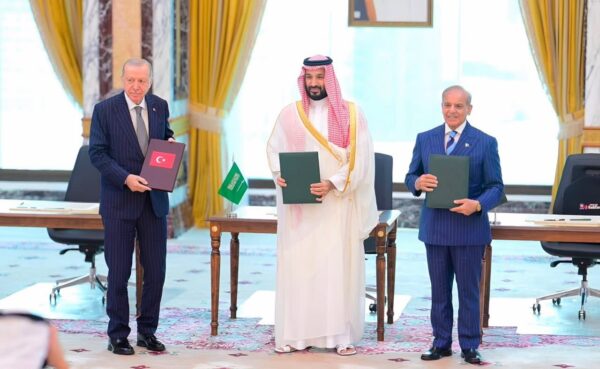
On August 7, Saudi Arabia, Pakistan and Turkiye concluded the Mecca Joint Deterrence Agreement to strengthen “collective deterrence” against any act of aggression. The agreement states that an armed attack against “any one of the three states shall be regarded as an attack against them all.”
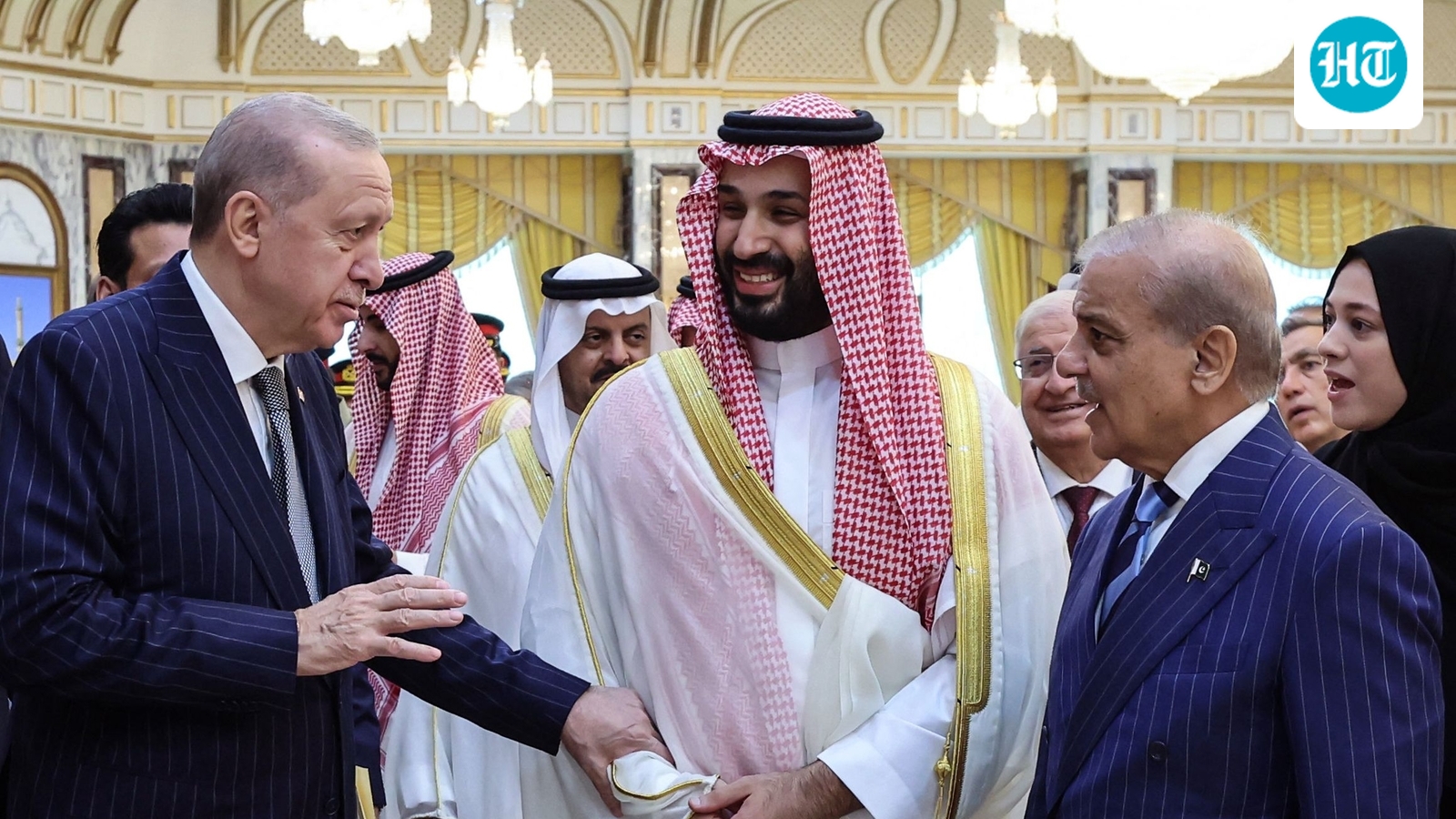
Signed in the holy city of Mecca by Saudi Crown Prince and Prime Minister Mohammed bin Salman, Turkish President Recep Tayyip Erdogan and Pakistani Prime Minister Shehbaz Sharif, the pact expands the bilateral Strategic Mutual Defense Agreement (SMDA) between Riyadh and Islamabad signed in September 2025, to include Turkiye.
Turkish Foreign Minister Hakan Fidan said more countries could join, potentially Egypt, though Cairo hasn’t responded. As per reports, Saudi Arabia has opposed Egypt’s inclusion due to President Abdel Fattah al-Sisi’s growing proximity with the United Arab Emirates (UAE).
Drawing a parallel to NATO’s Article 5 that calls for mutual defense, Fidan said the three signatories to the Mecca Agreement would decide through consultations the degree, form, and format of support they would request in the event of an attack.
The pact has raised several questions on its implications for India. While caution is advised, it shouldn’t be exaggerated for a variety of reasons.