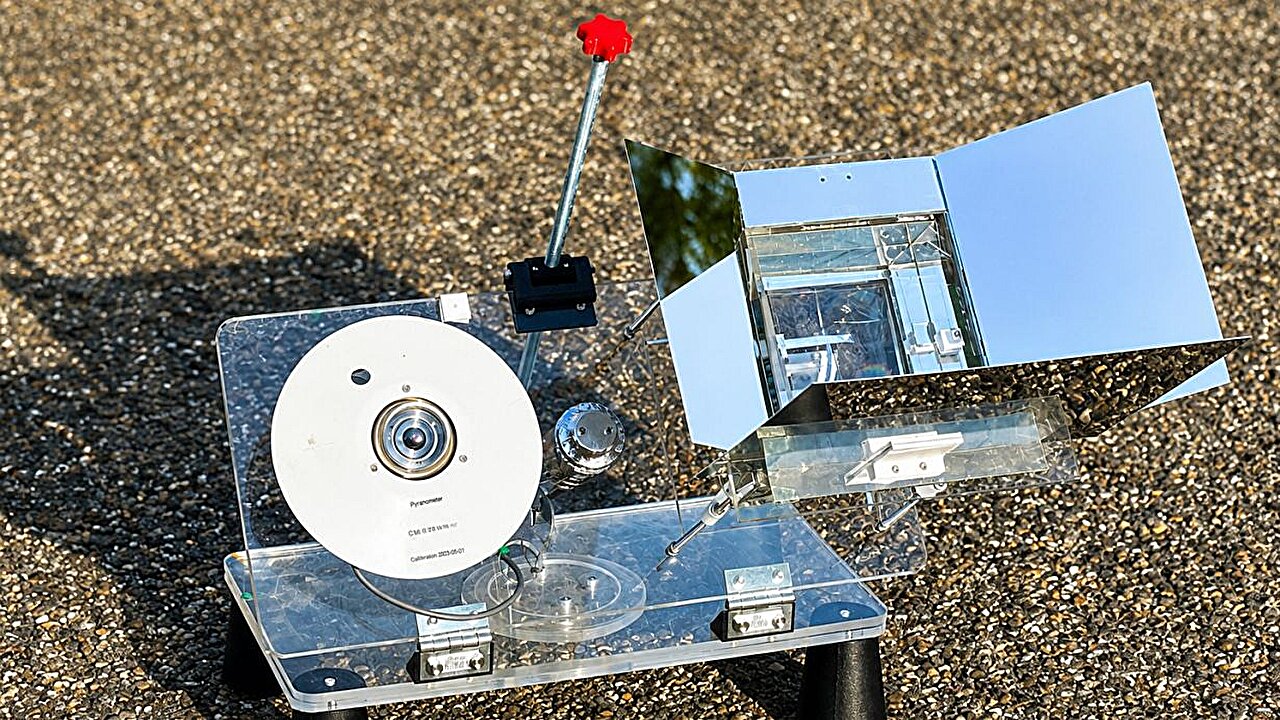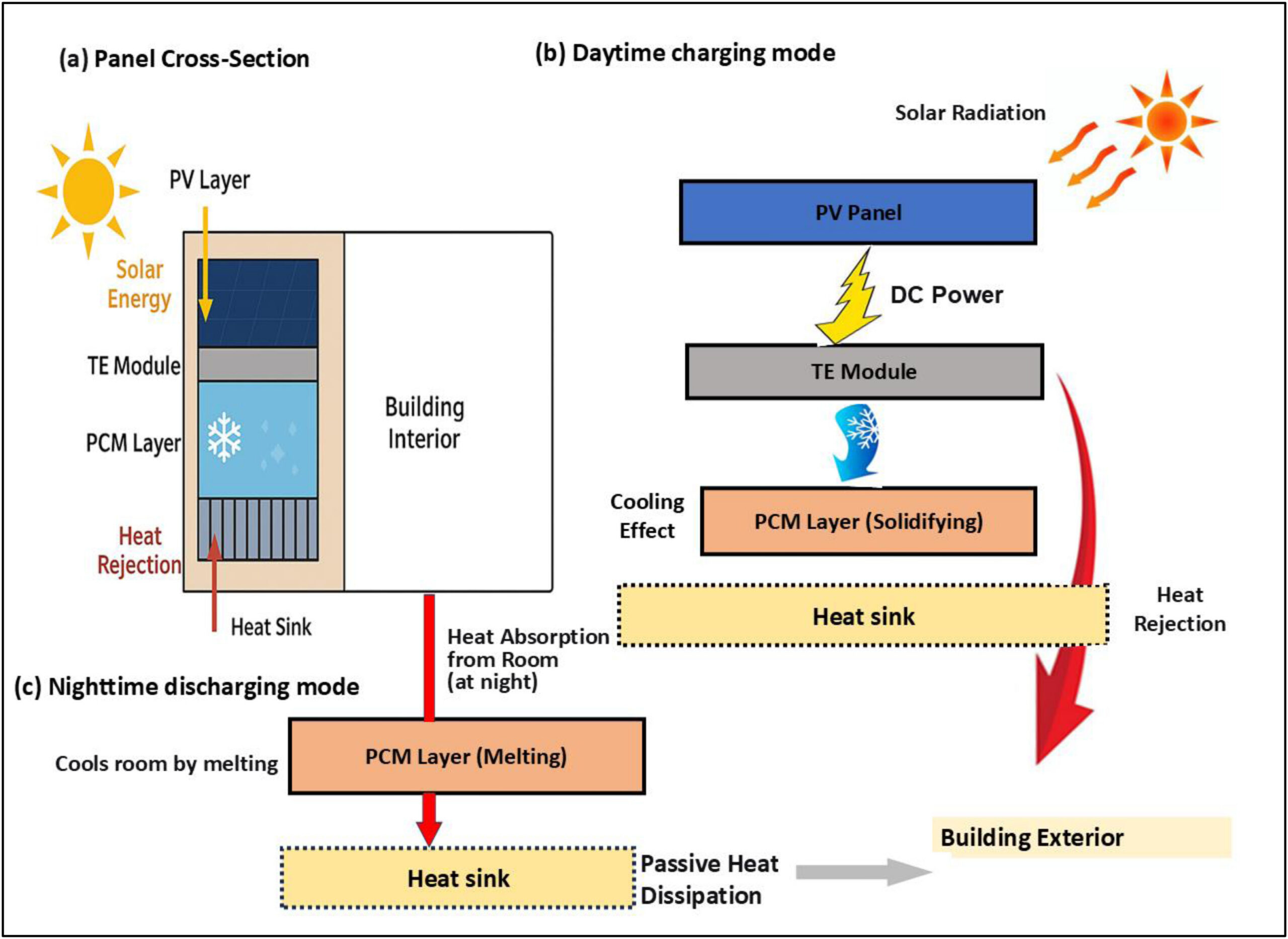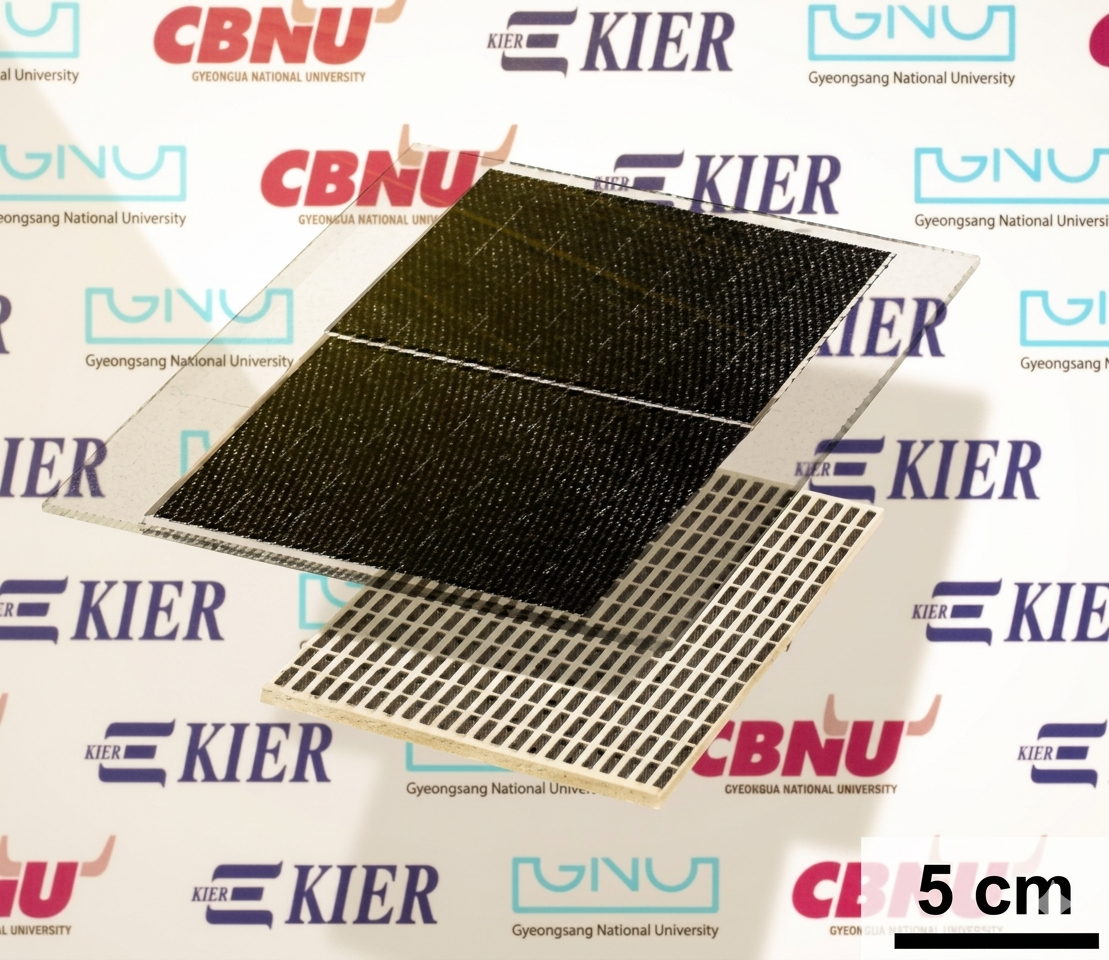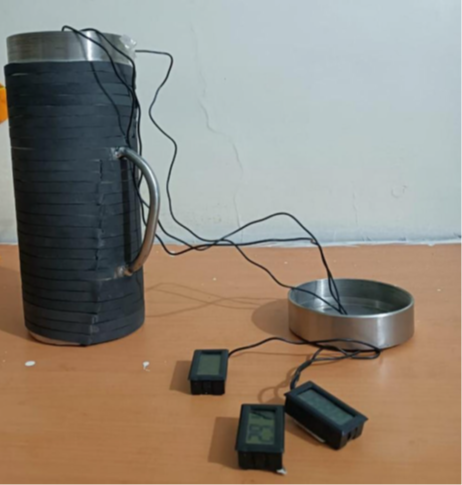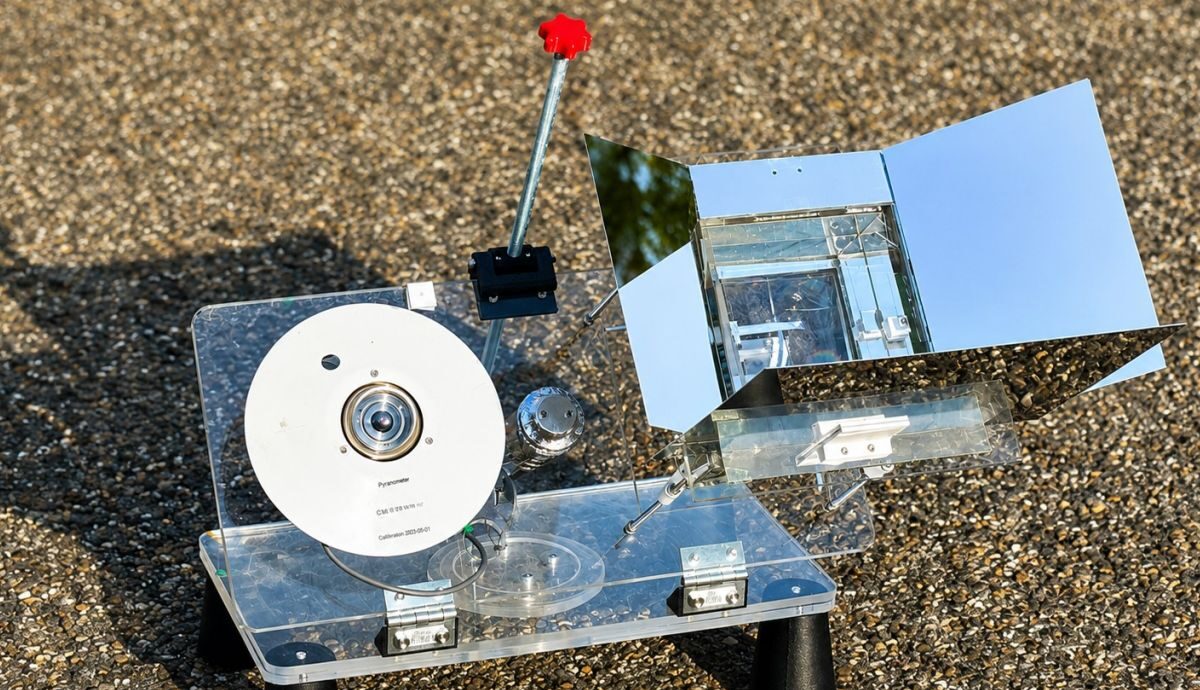
KIT researchers have developed a hybrid system that combines photovoltaics and passive radiative cooling to simultaneously generate electricity, heat, and cooling from a single surface. A prototype achieved cooling of up to 6.5 C below ambient temperature, 60.6 W/m² of electrical power density, and heat temperatures of up to 110.8 C.
Photovoltaic systems for electricity, solar thermal collectors for heat, and air conditioning for cooling are standard solutions for buildings. Researchers at the Karlsruhe Institute of Technology (KIT) have developed a hybrid system designed to provide all three simultaneously from a single surface. The system combines solar energy harvesting with the cold of outer space through passive daytime radiative cooling (PDRC).
Radiative cooling occurs when the surface of an object absorbs less radiation from the atmosphere and emits more. As a result, the surface loses heat and a cooling effect can be achieved without the need for power.
The hybrid system integrates photovoltaics with PDRC. Its core component is a light-transmitting cooling layer that radiates heat into space as infrared radiation. The transparent layer consists of a silicon dioxide plate coated with the silicone polymer polydimethylsiloxane (PDMS). It allows sunlight to pass through for photovoltaic generation while simultaneously emitting heat into space through the “atmospheric window,” a wavelength range in which the Earth’s atmosphere is particularly transparent to thermal radiation.