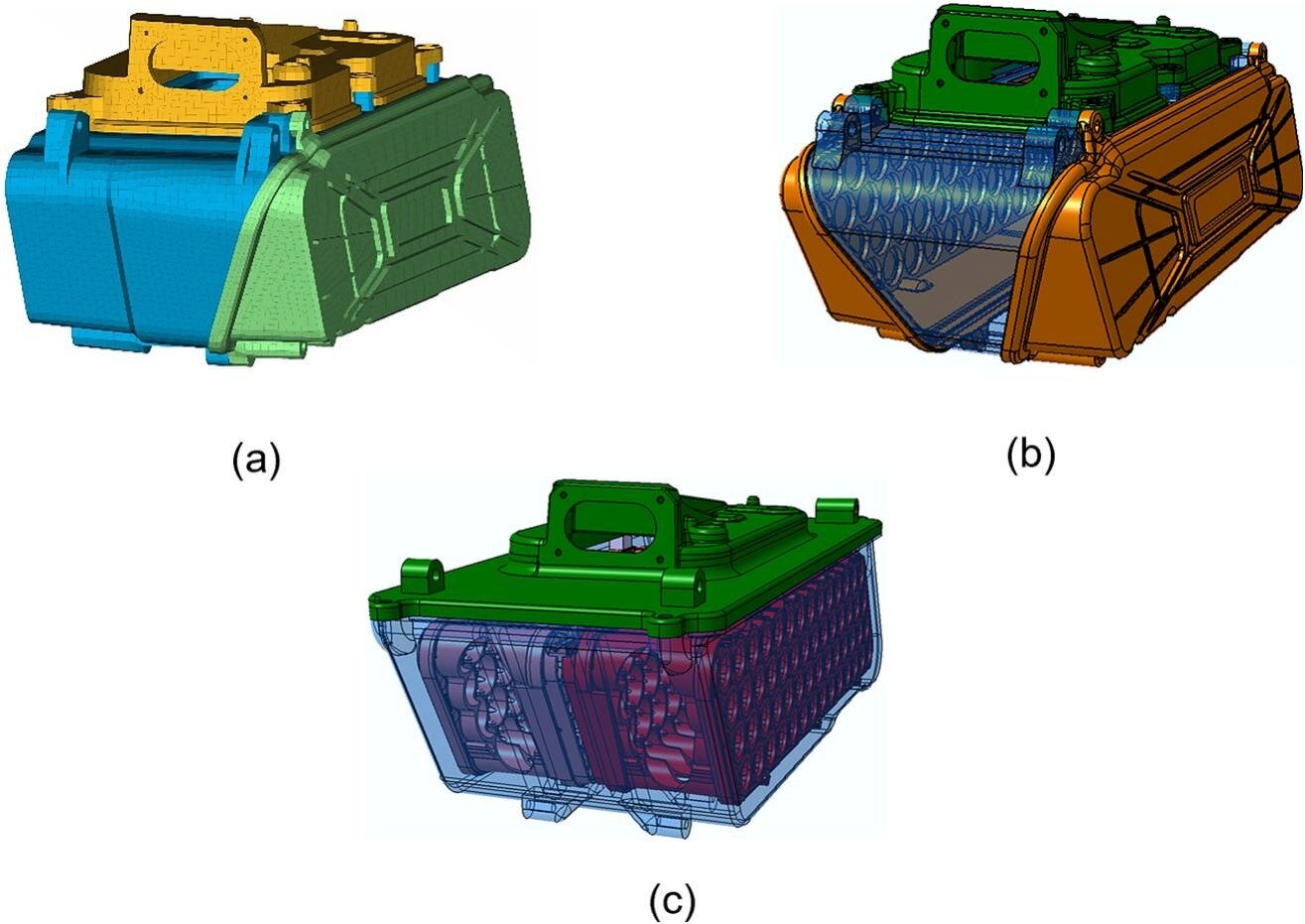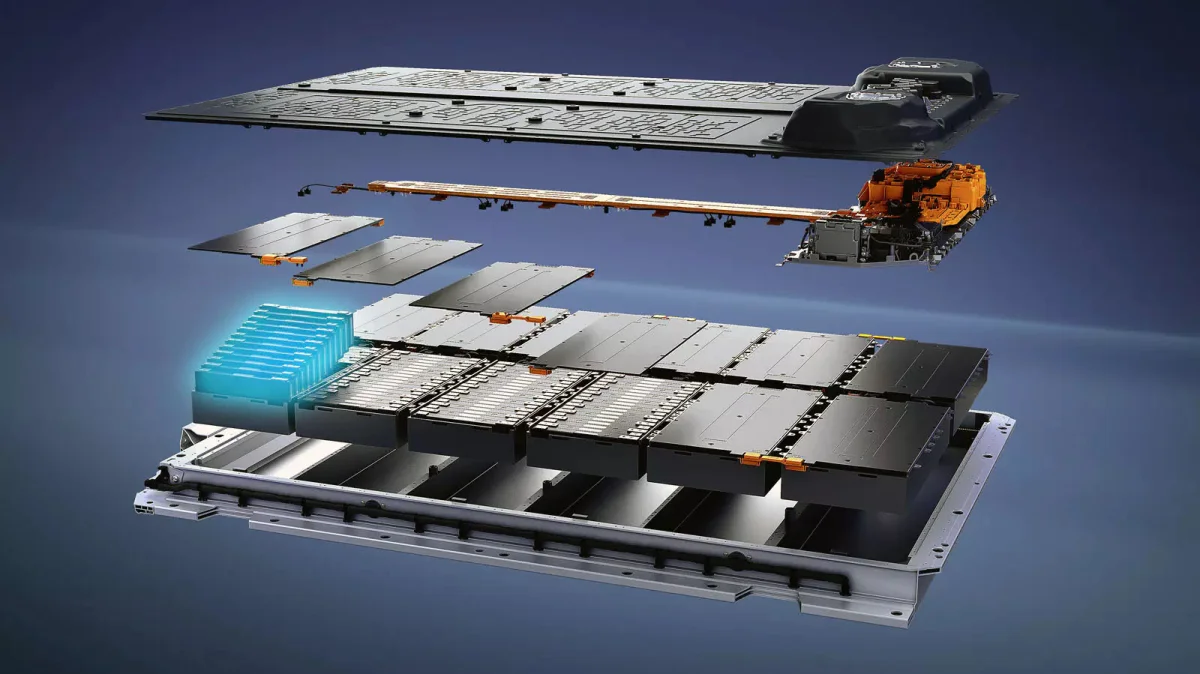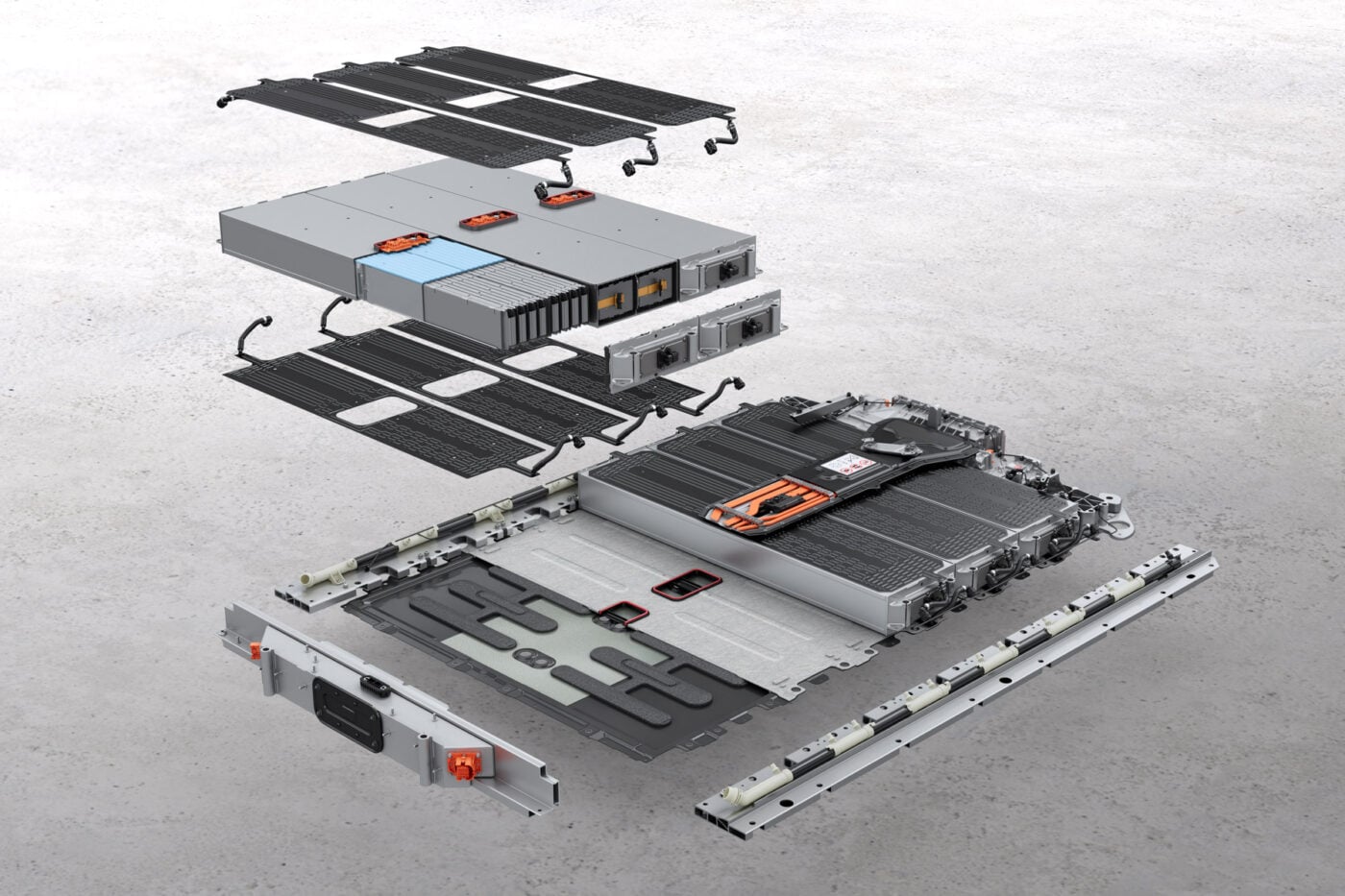
A research team led by Graz University of Technology (TU Graz) has compared three battery pack designs to determine how their construction affects safety, repairability and sustainability. The first reflects a common approach using bonded housings and thermally conductive pastes. While such designs have advantages in production, even limited damage can mean replacing the entire battery pack.
The researchers compared this with two designs intended to make repairs easier. One combines replaceable housing covers with heat dissipation pads, while the other uses an electrically insulating oil for liquid cooling and a screwed and sealed housing. The latter allows the battery to be dismantled and individual cells to be replaced.
The work was carried out as part of the E-Track research project and aims to address the lack of standardised designs for traction batteries.
The cells themselves are particularly important when it comes to whether repairs make sense. They account for around 75% of a battery pack’s total mass and are also its biggest cost factor. According to the project’s life-cycle analysis, a repair-friendly design already pays off if 8% of the cells can be reused after an accident. Easier disassembly also makes it simpler to recover materials for recycling.