view more
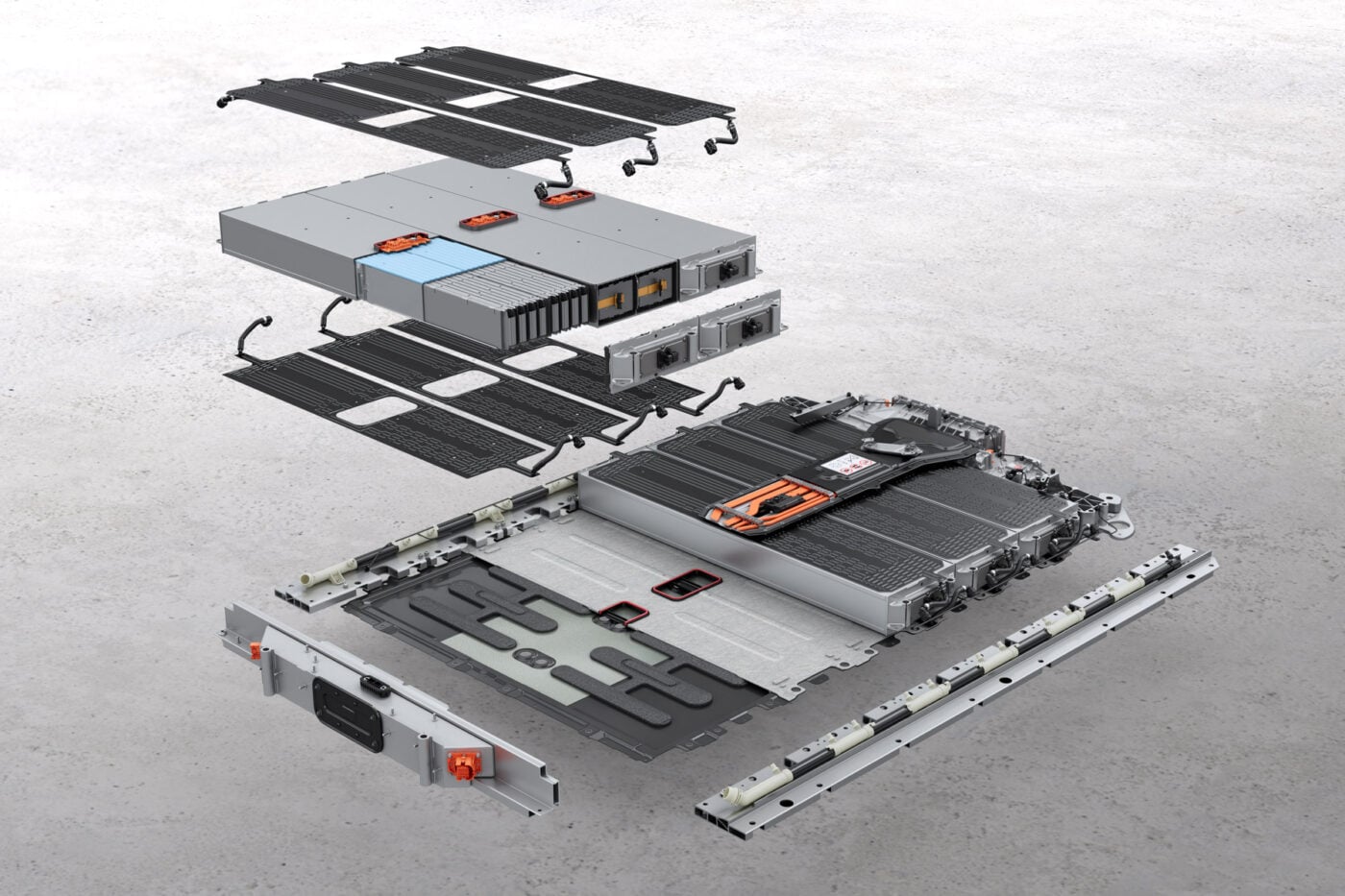
Just as an orchestra needs a conductor, a battery management system (BMS) controls the power storage of an electric vehicle. However, up to now the monitoring is only based on the voltages, currents and temperatures of the individual battery cells. Their ageing or possible damage can only be checked externally using complex calculations. In the EU project Nemo, Graz University of Technology (TU Graz), the Vrije Universiteit Brussel and partners from industry have developed intelligent models and algorithms that enable the safety, service life and performance of batteries to be monitored directly in the vehicle’s system.
Avoiding dangers
“The battery management system is an important tool for operating electric vehicles more safely and sustainably,” says Christoph Drießen from the Vehicle Safety Institute at TU Graz. “If we recognise faults and damage to individual battery cells at an early stage via the BMS, many dangers can be avoided. And thanks to the monitoring of the ageing process of each individual cell, their service life can also be extended substantially through intelligent control.”
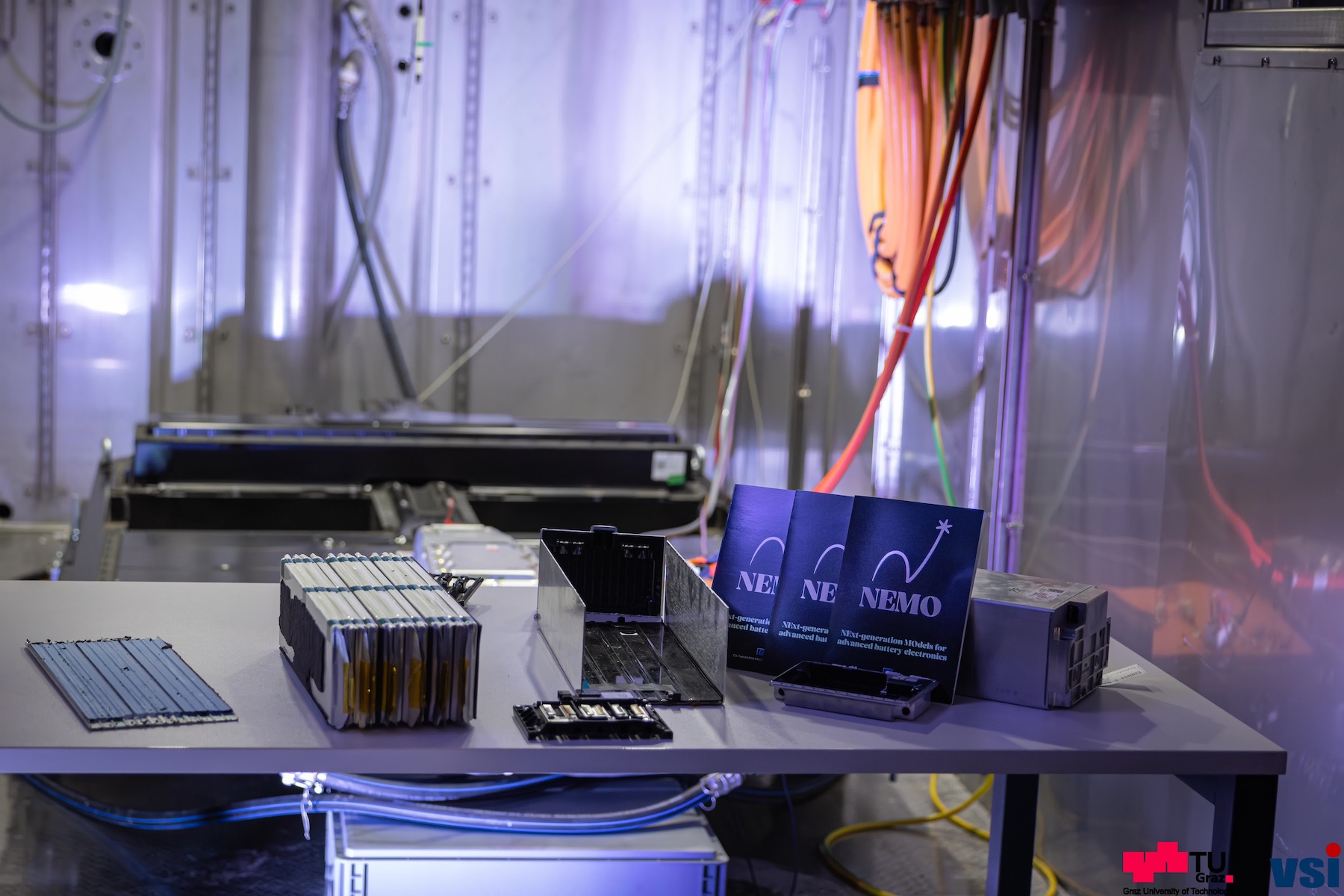
The team at the Vehicle Safety Institute at TU Graz focused primarily on the safety aspects of the batteries. To this end, the researchers at the institute’s Battery Safety Center examined battery cells that were mechanically deformed, for example to simulate parking damage. They used this laboratory data to train models and algorithms they had developed themselves so that the BMS can recognise damage independently and indicate when maintenance is required. In order to obtain the necessary data from inside the cell, the team is using new sensor technology known as electrochemical impedance spectroscopy (EIS), which measures the electrical resistance inside the cells in the vehicle.