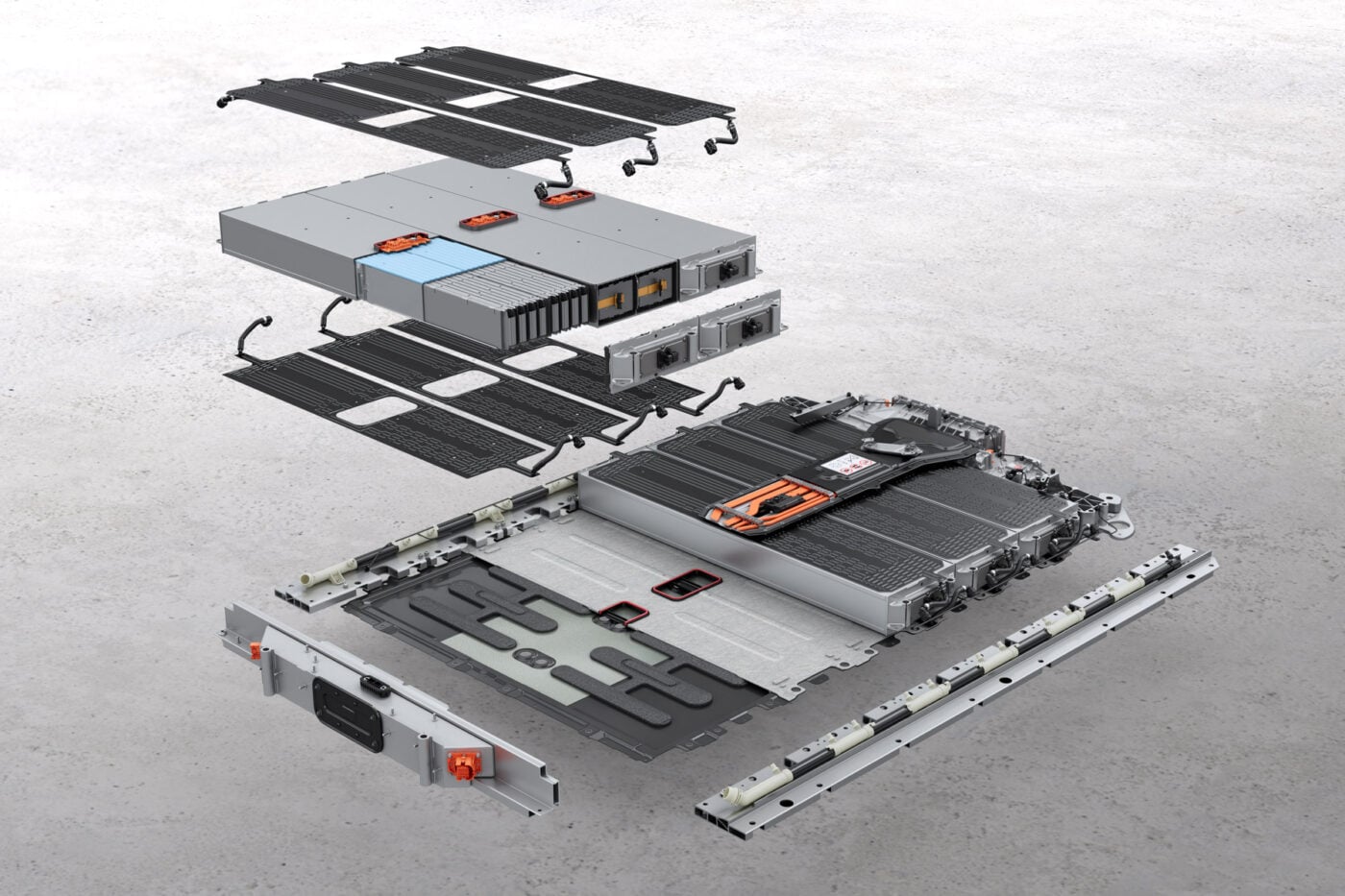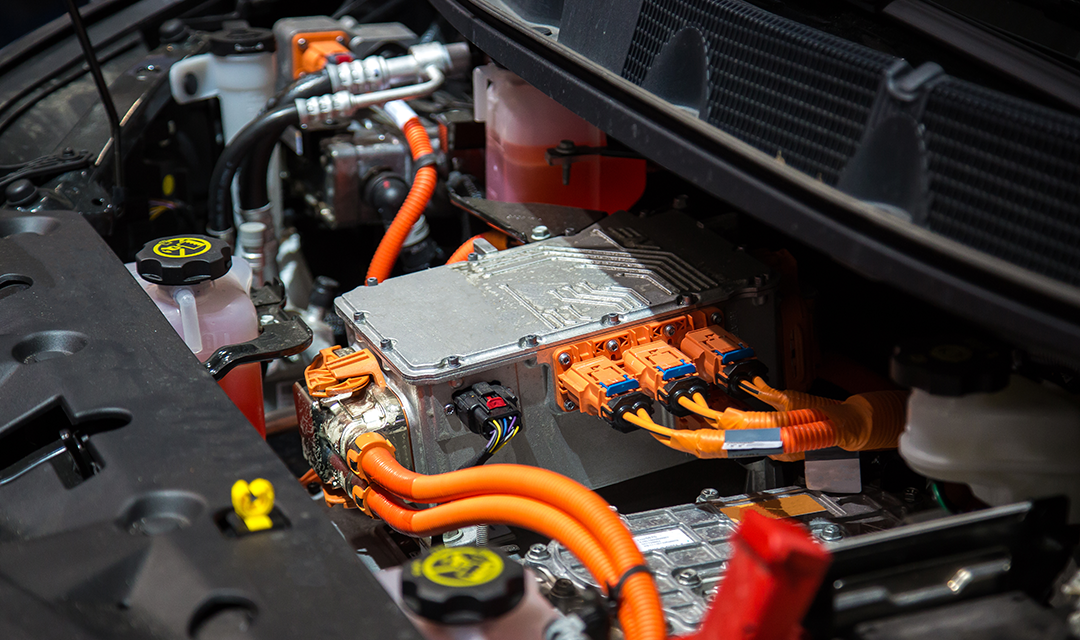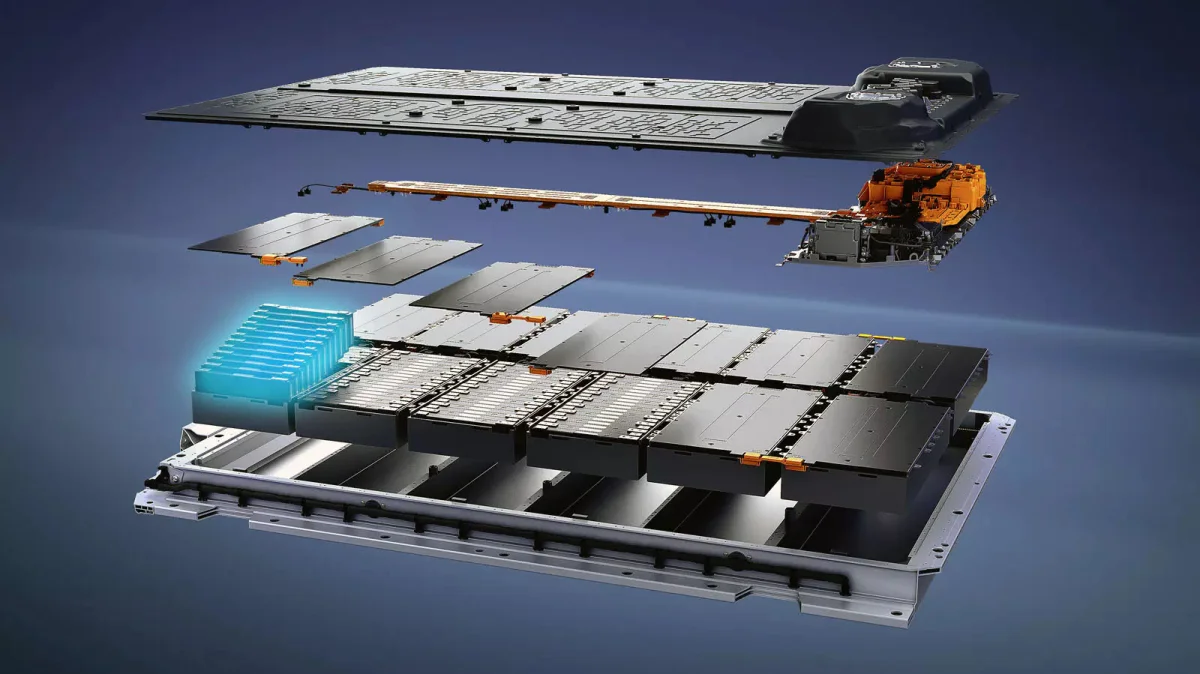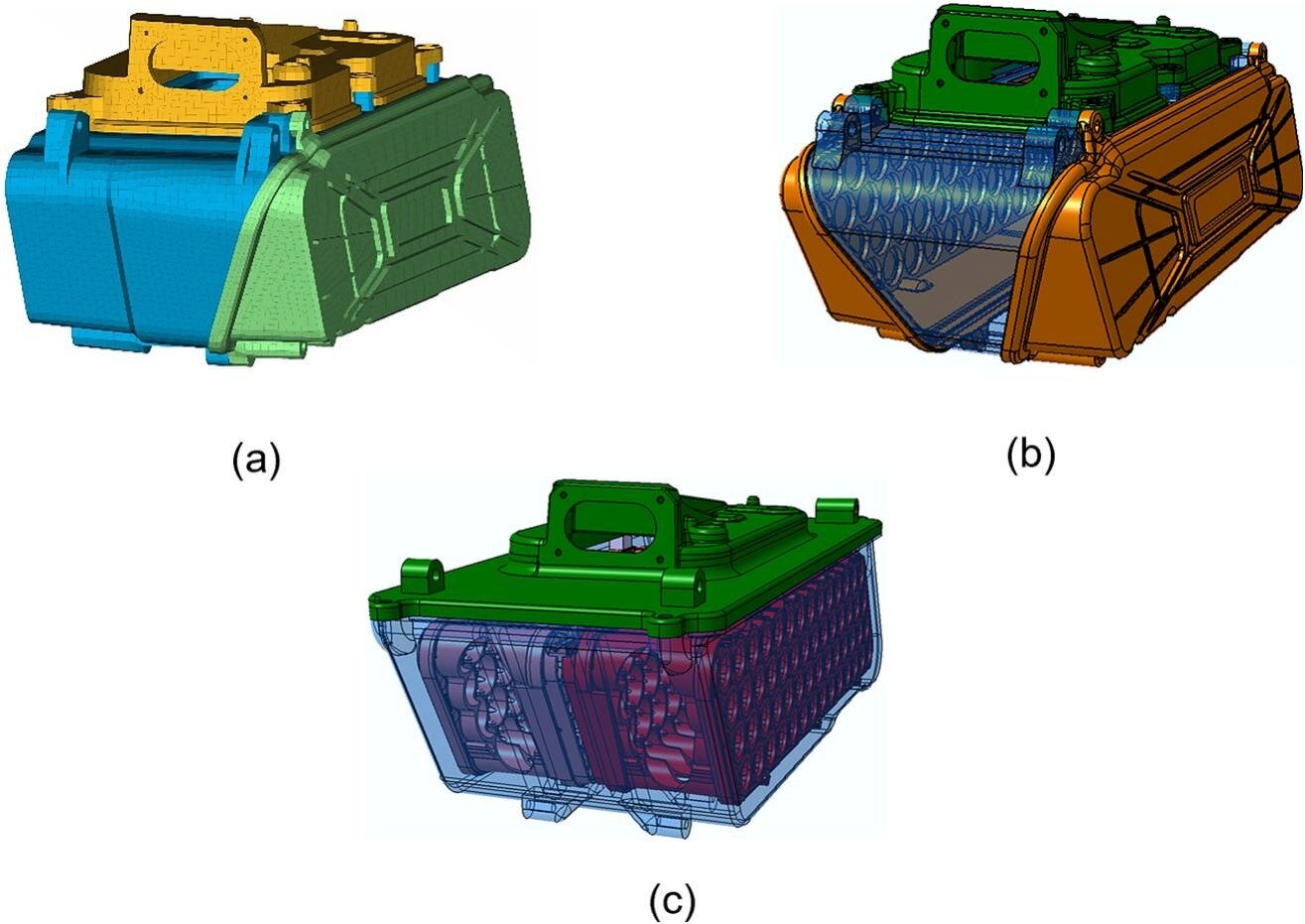
Illustration of the battery housings considered in this study. Battery (a) sealed battery (SB), (b) Exchangeable lid battery (ELB), (c) liquid-filled battery (LFB). Credit: Sustainable Production and Consumption (2026). DOI: 10.1016/j.spc.2026.04.003
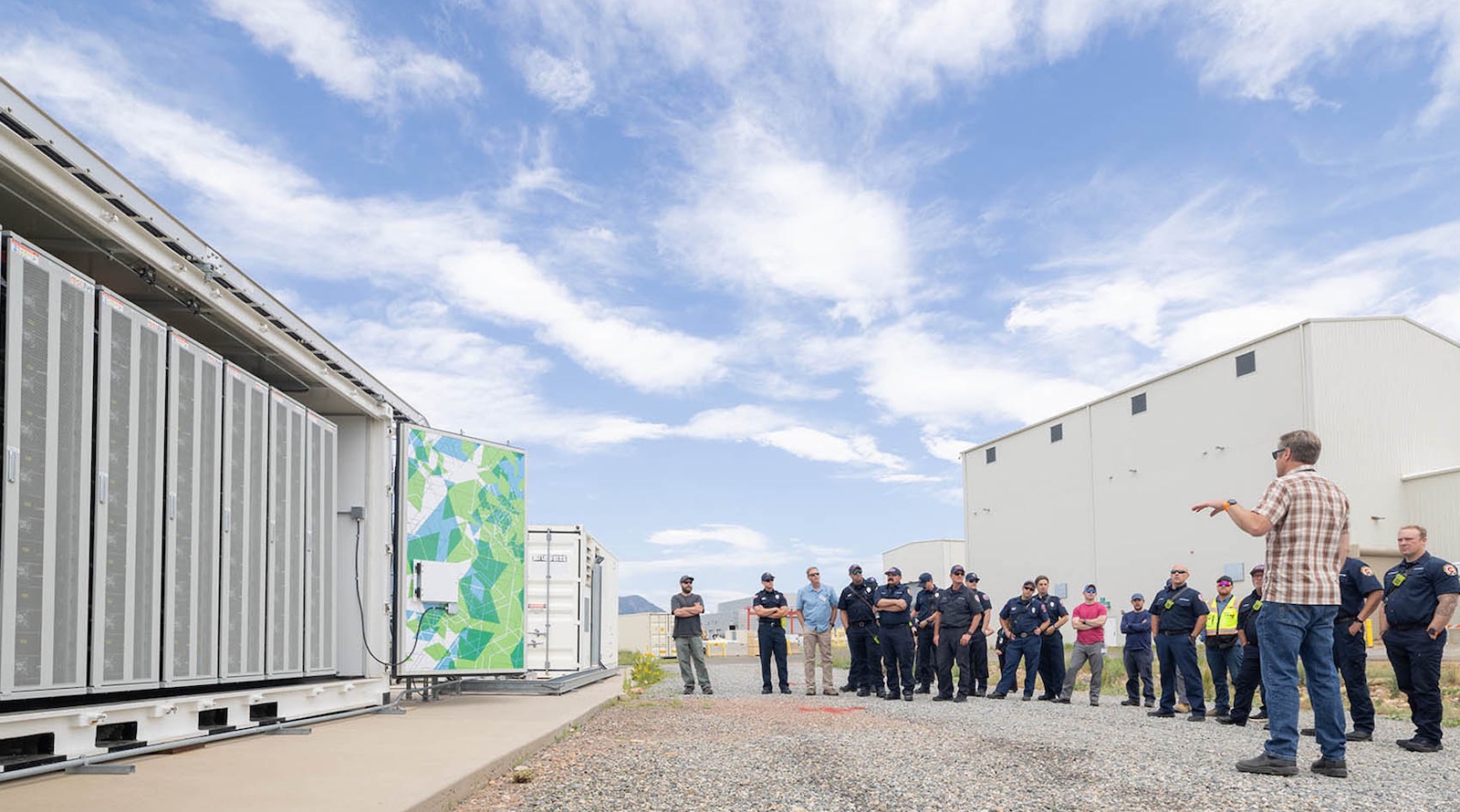
The development of traction batteries for electric vehicles is becoming increasingly complex. Electrical performance, thermal behavior and mechanical safety interact closely and require integrated solutions. At the same time, uniform design standards have been lacking. This creates disadvantages. In the event of an accident, it makes it more difficult for emergency responders to safely handle damaged or burning batteries, and recycling is also much more complicated because of inconsistent designs.
In the E-Track research project, the Vehicle Safety Institute at Graz University of Technology (TU Graz), together with the Institute of Environmental Systems Science at the University of Graz and industry partners, developed sound design guidelines that make battery systems safer, more sustainable and more economical.
The research is published in the journal Sustainable Production and Consumption.
Disadvantages due to lack of design standards