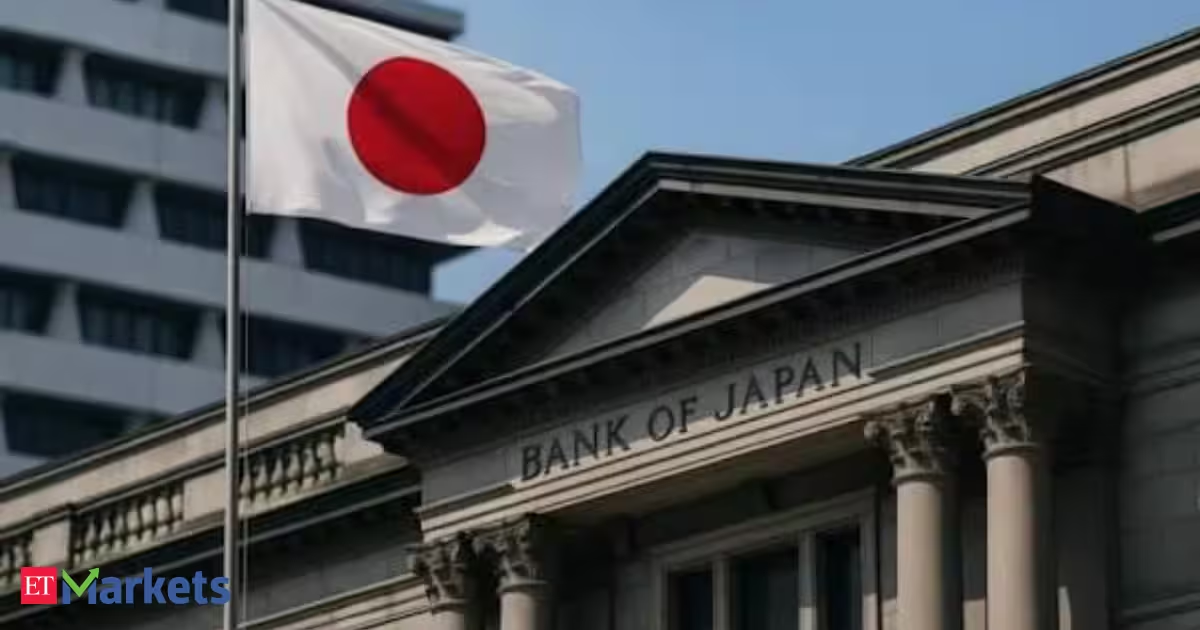
Japan’s government has thrown its weight behind a near-term interest rate increase by the Bank of Japan, marking a rare moment of explicit coordination between fiscal and monetary authorities aimed at propping up a yen that has fallen to levels not seen in roughly 40 years.
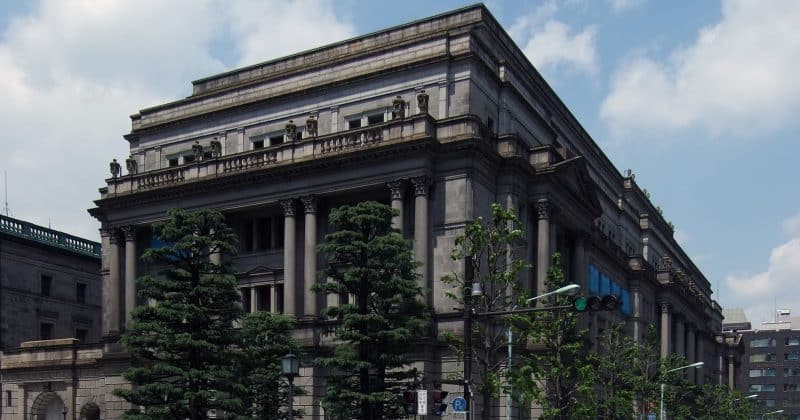
The signal comes as the BOJ holds its short-term policy rate at 1%, its highest since September 1995, following a rate hike in June 2026. But one dissenter at the bank’s July 30-31 meeting voted for an immediate increase to 1.25%, and a post-meeting summary released August 10 suggested that an accelerated pace of hikes could be on the table.
The intervention playbook
On or around July 30, authorities stepped into foreign exchange markets in New York, selling dollars and buying yen in the first direct intervention since a massive campaign in April and May of this year. That earlier spree cost roughly $73 billion, a record effort that only managed to slow the yen’s slide rather than reverse it.
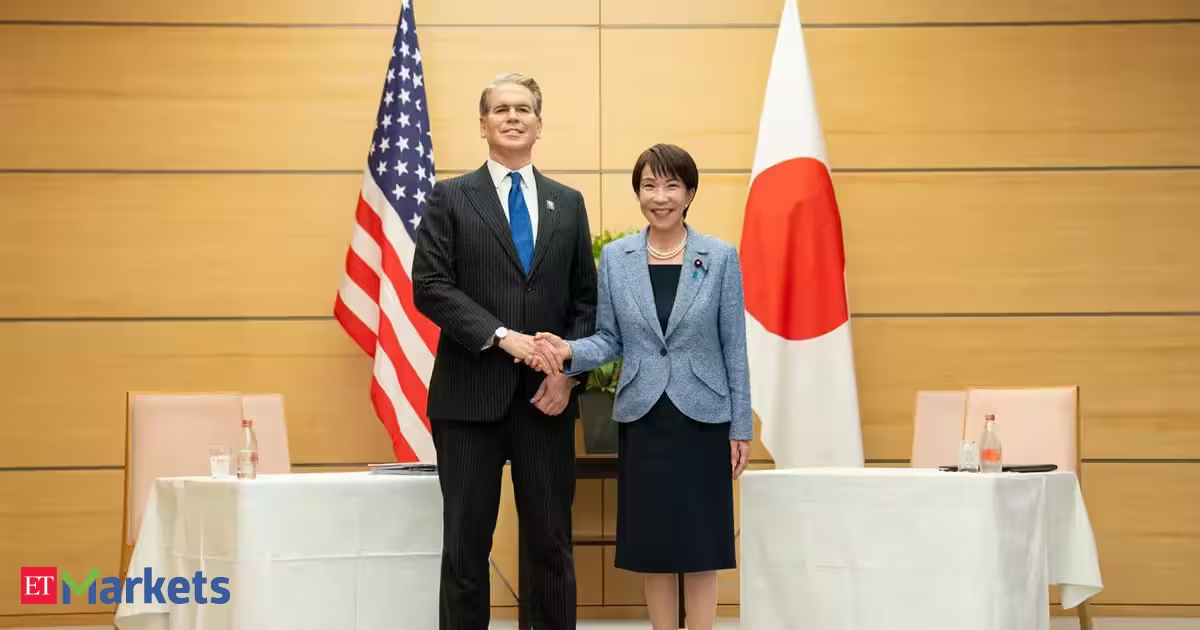
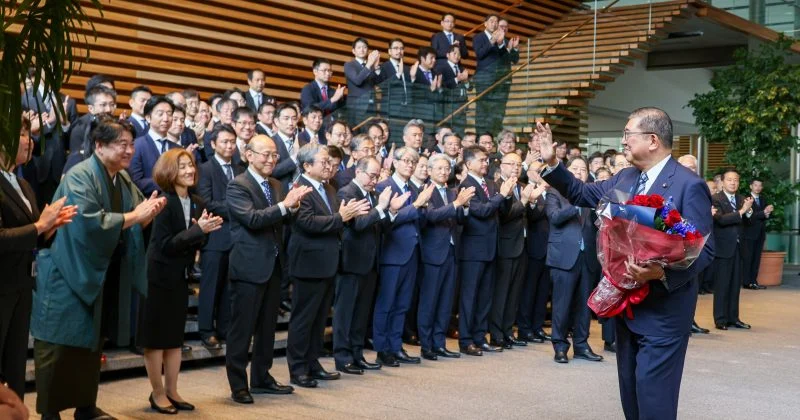
The coordination between Prime Minister Sanae Takaichi’s administration and BOJ Governor Kazuo Ueda has become increasingly visible as the weak yen drives up import costs for everything from energy to food, squeezing household budgets across the country.