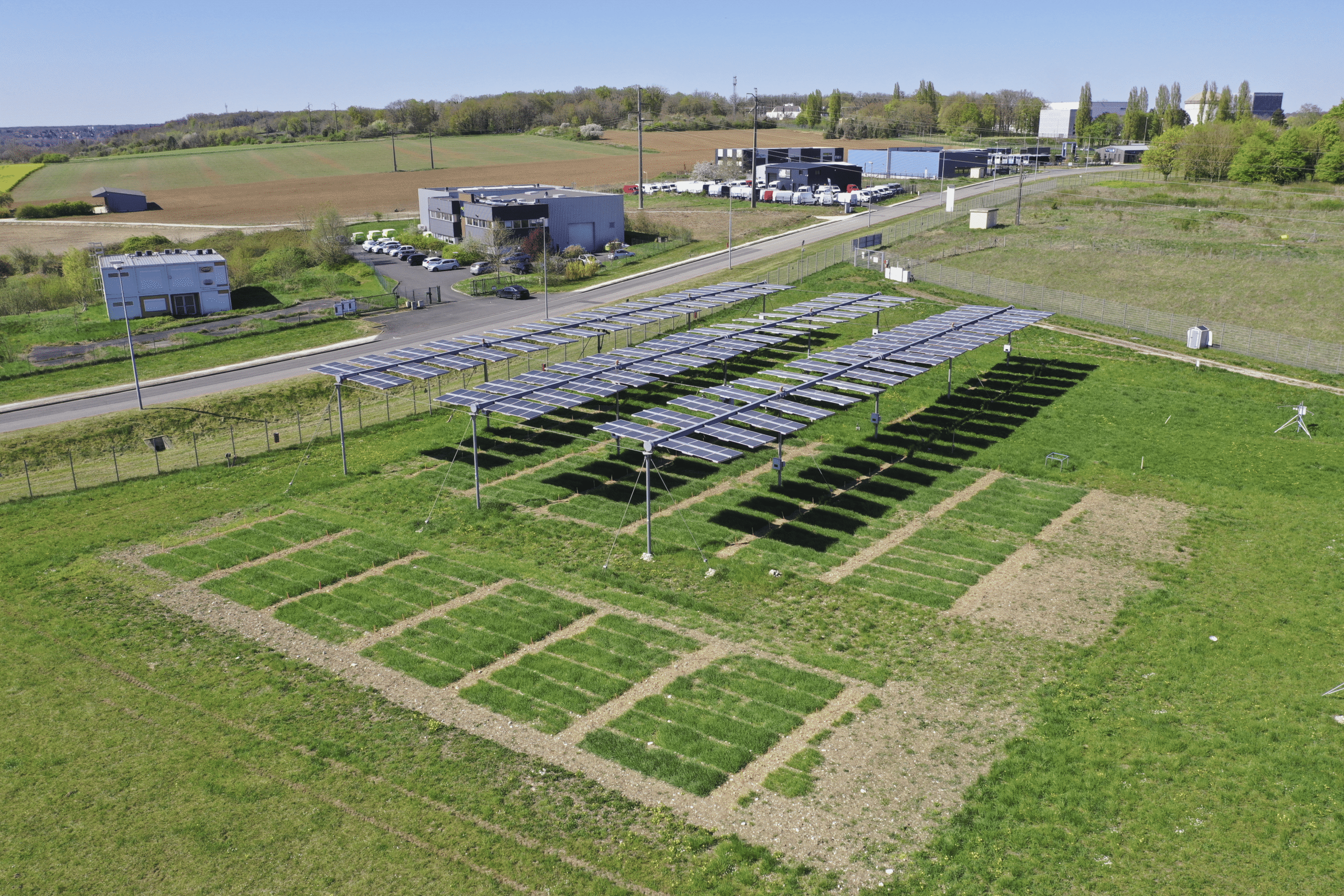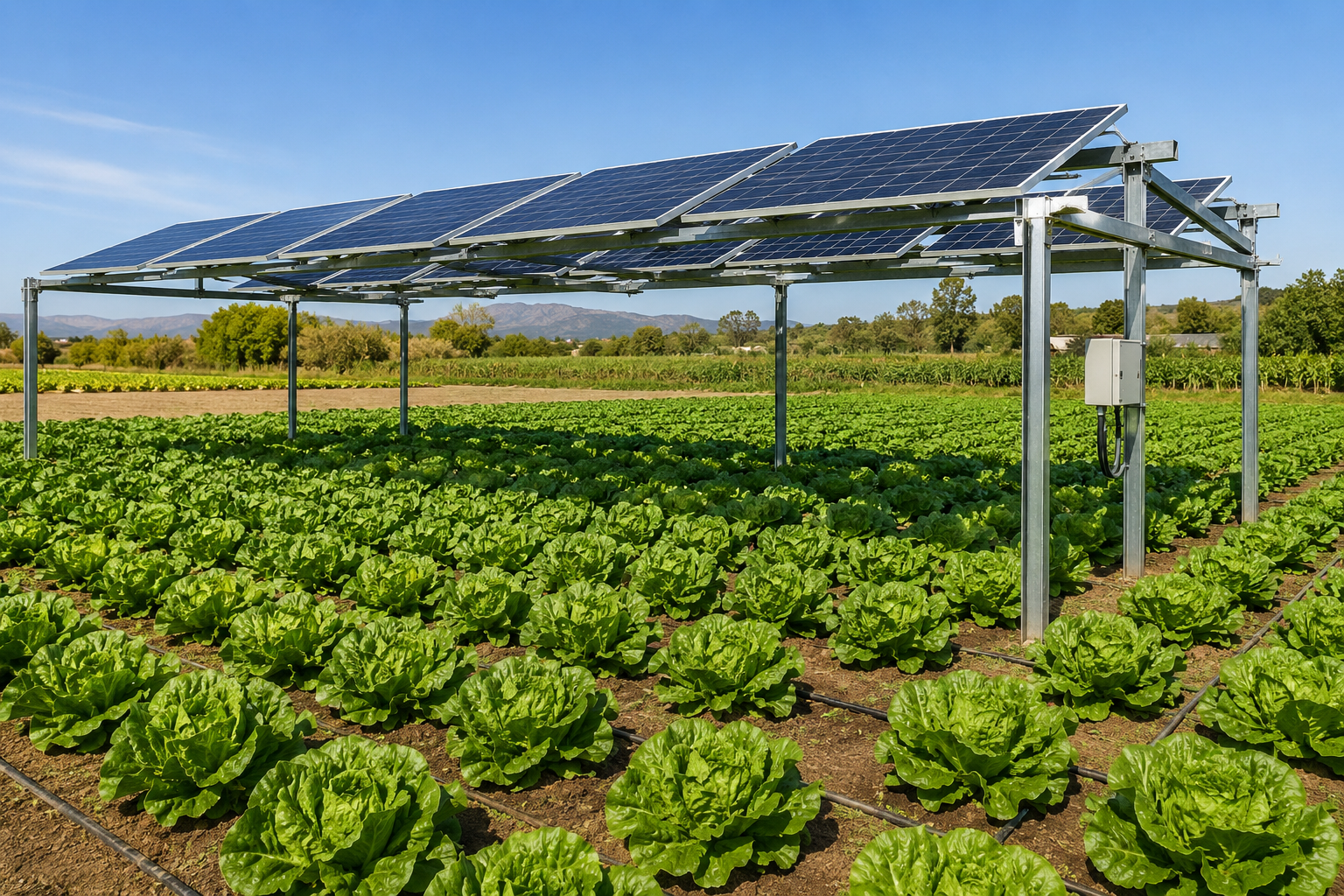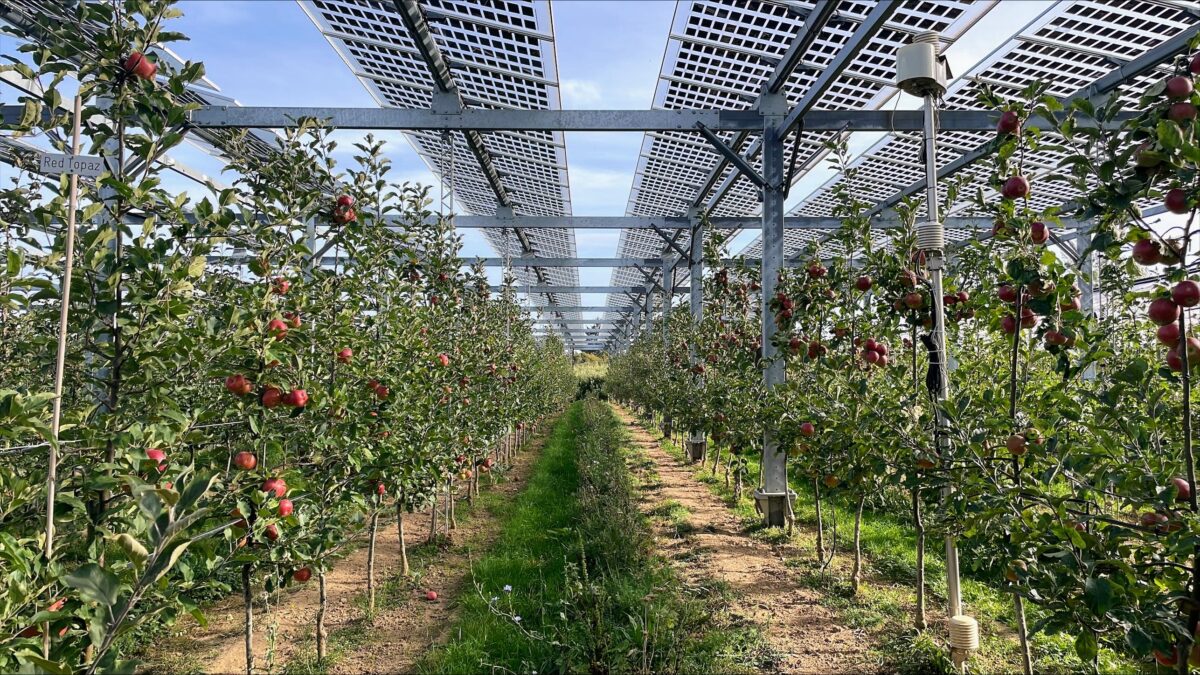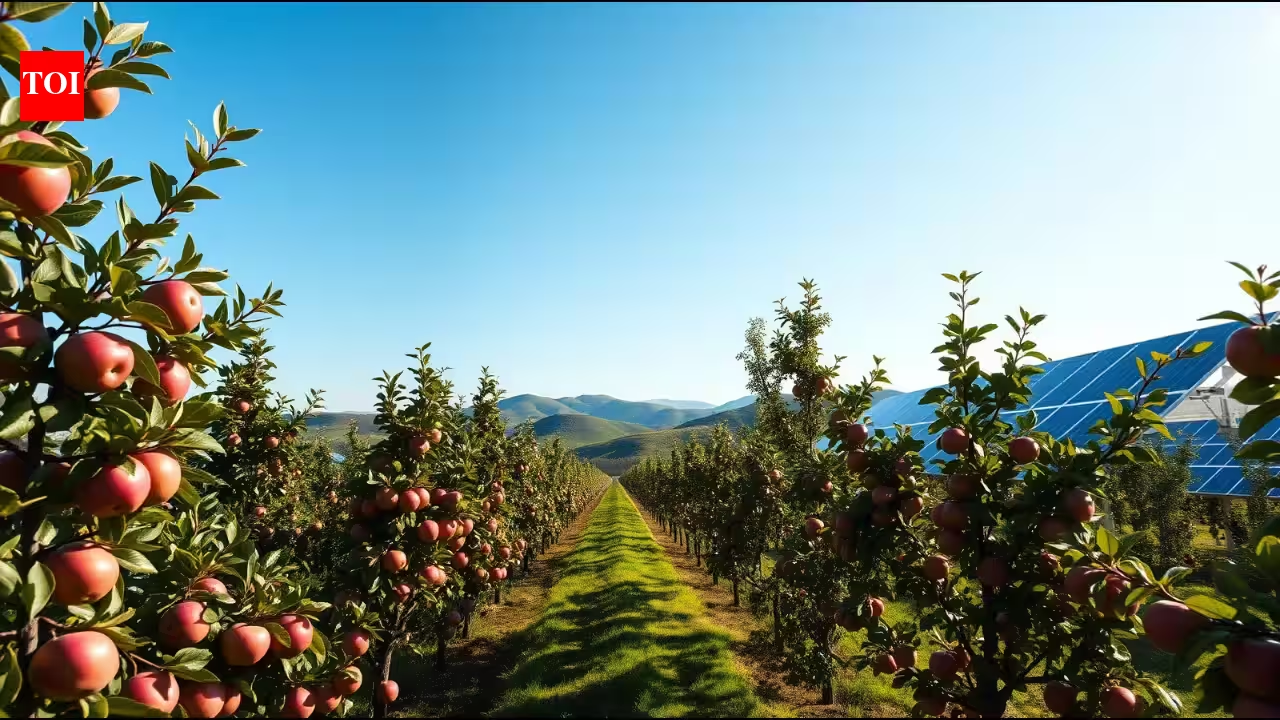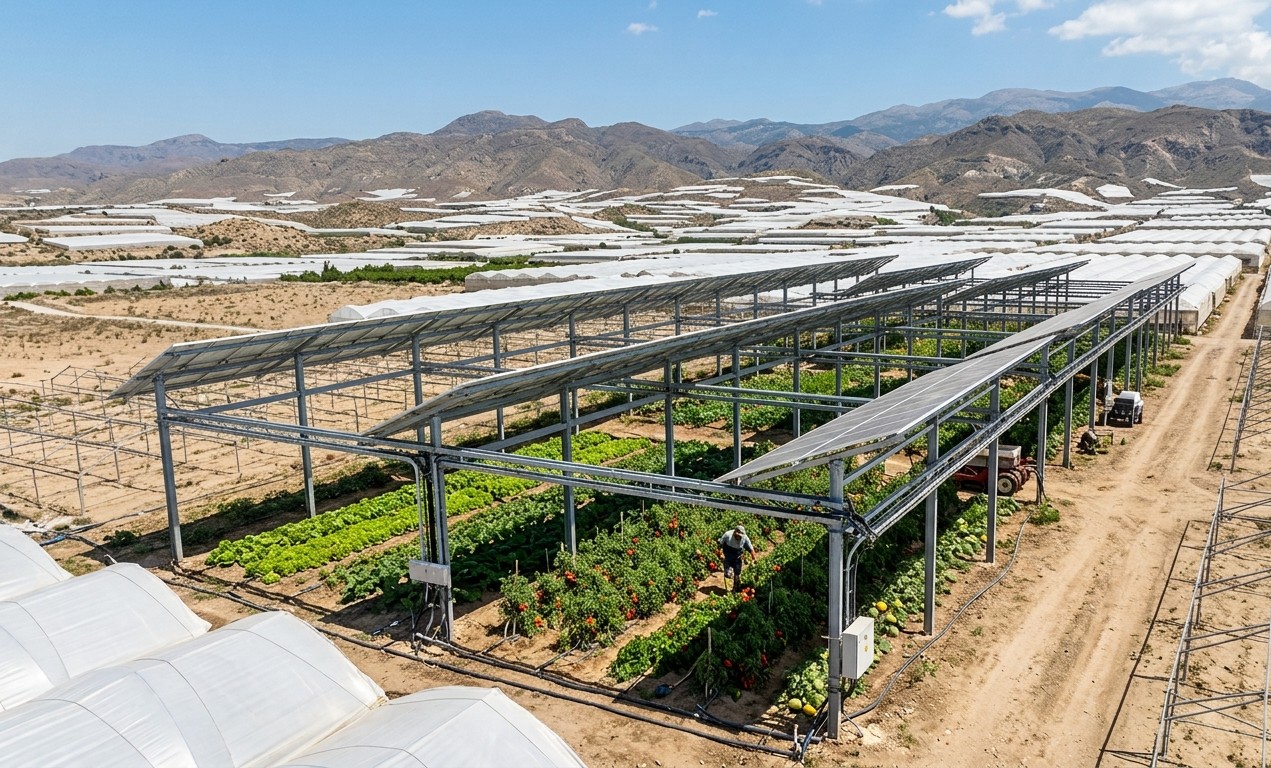
Japan’s Renewable Energy Foundation says proposals to introduce a maximum shading rate of 30% for agrivoltaic installations is contradicted by existing real-world examples where panel shade has helped to cultivate high-quality crops.
Judging crop yield and quality under agrivoltaic systems solely by the shading rates of solar panels is inappropriate, according to new research from the Japan Renewable Energy Foundation (JREF).
The Tokyo-headquartered think tank has released a report that analyzes the effects of shading from solar panels on crops including rice, soybeans, tea, coffee, and spinach, using examples from both Japan and internationally.
The research comes ahead of proposals set out by Japan’s Ministry of Agriculture, Forestry and Fisheries to implement new agrivoltaics legislation that would set a uniform shading rate of less than 30%. Public comments on the proposal are being accepted until August 22, ahead of a planned implementation date before the end of September.
JREF argues that the basis for this numerical threshold has not been provided. A statement published on the foundation’s website says that there are many agrivoltaic systems in Japan that are implemented with a shading rate above 30%.