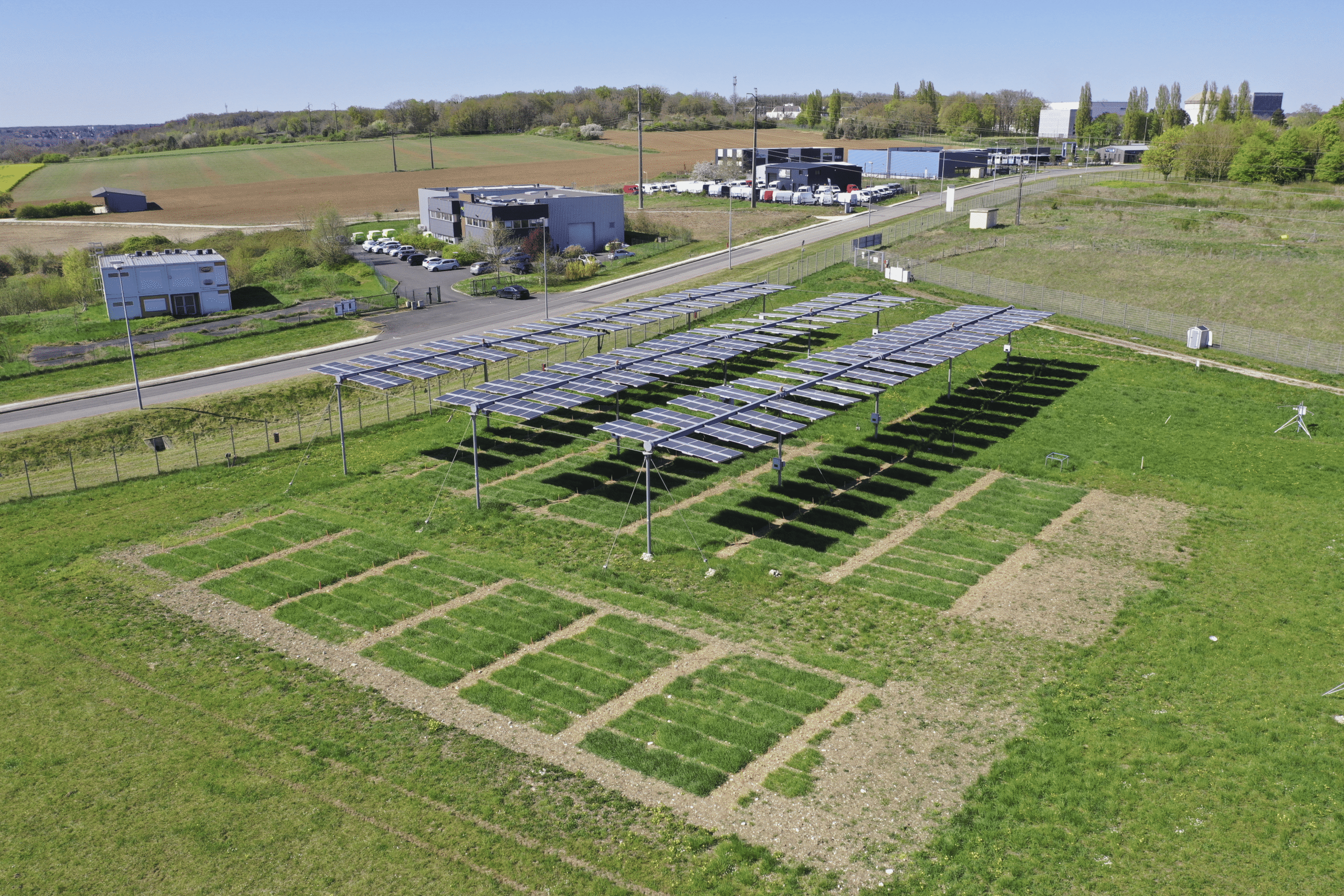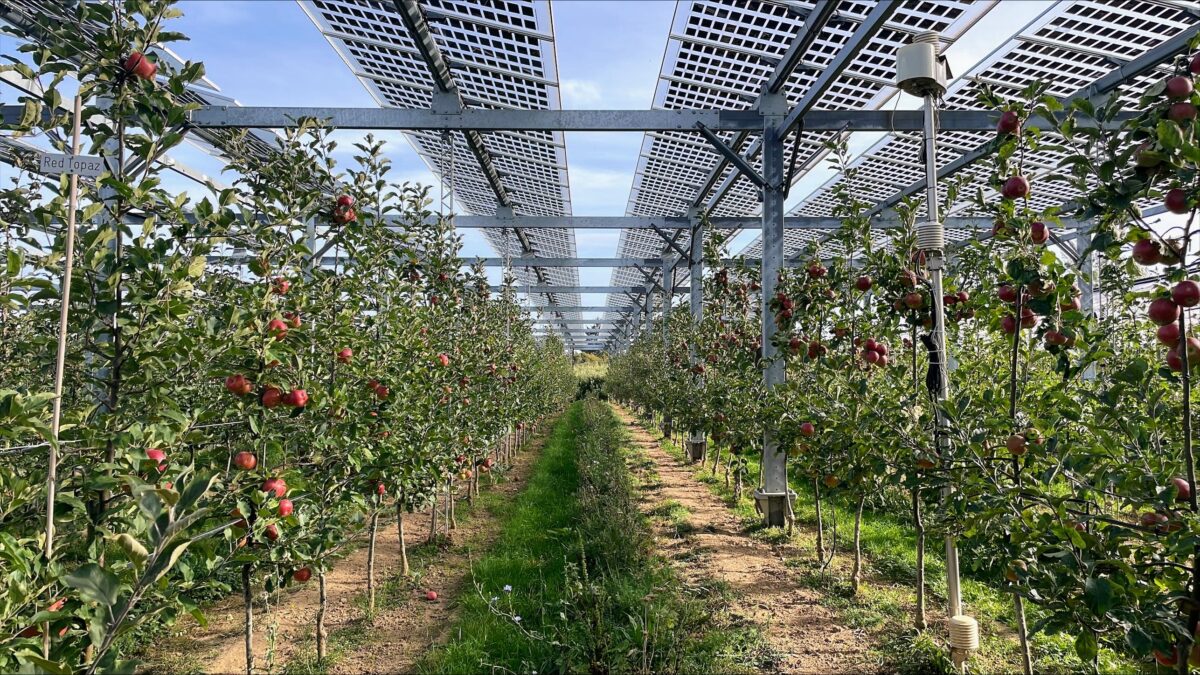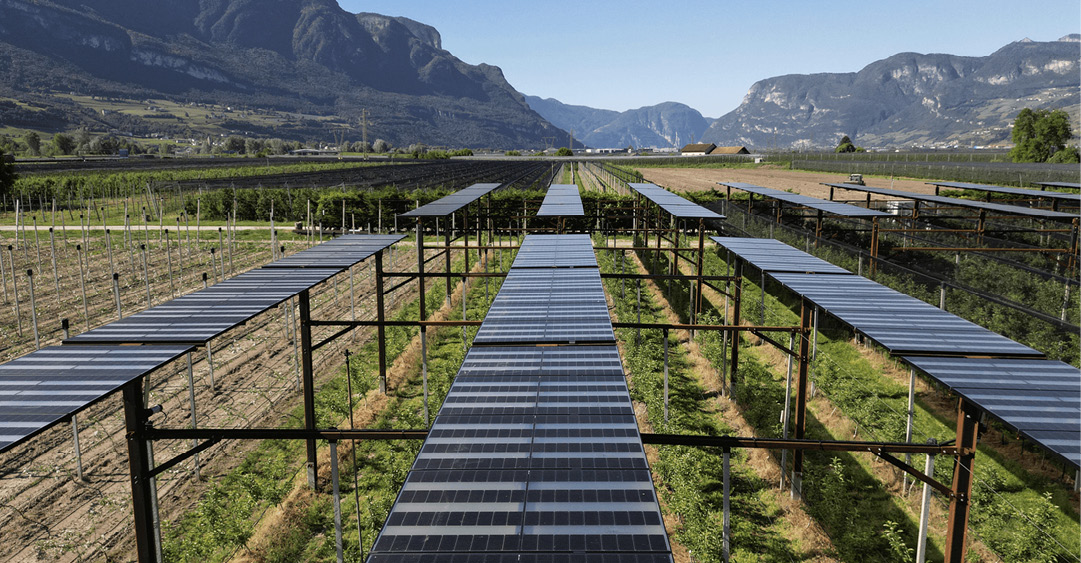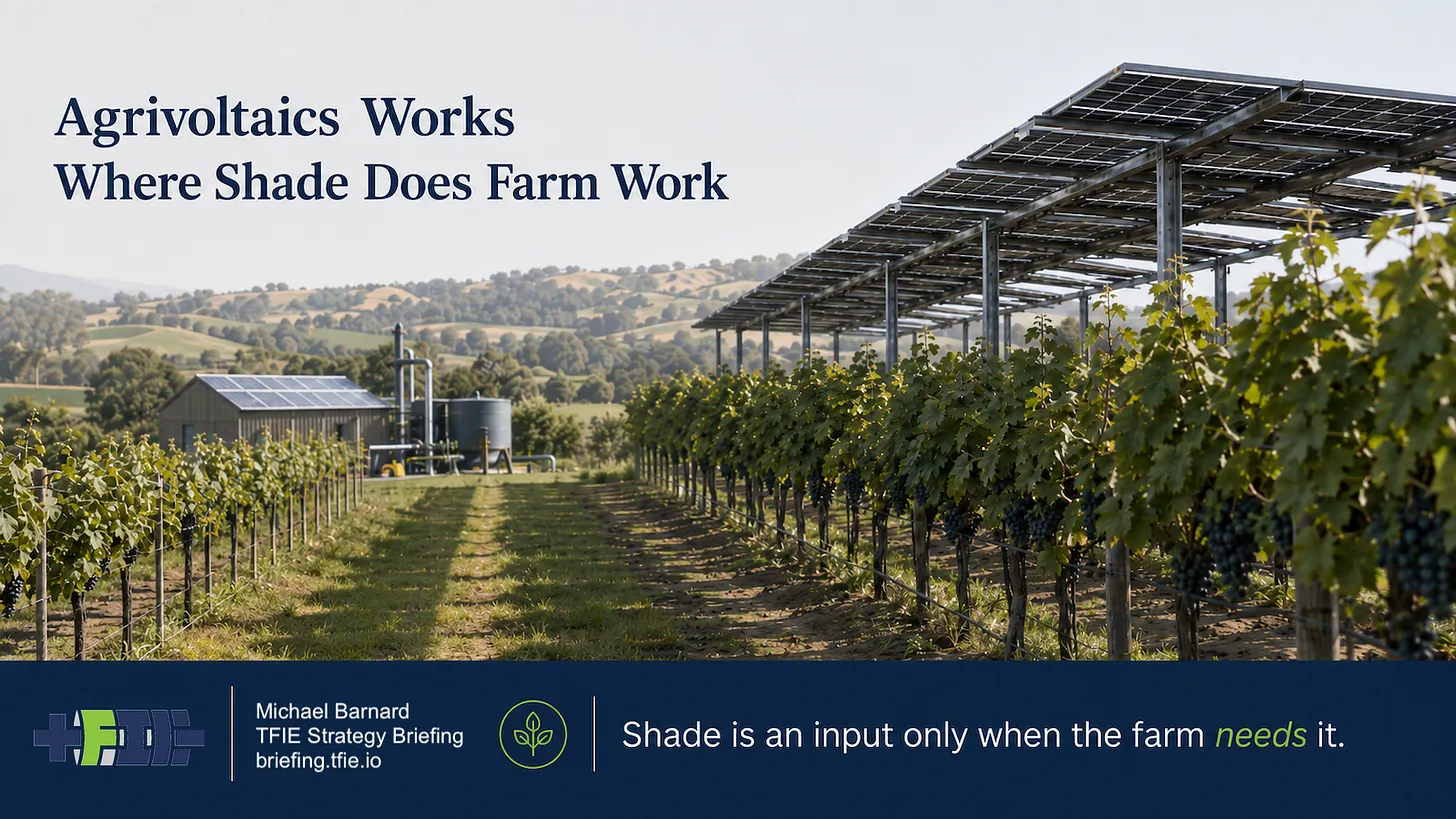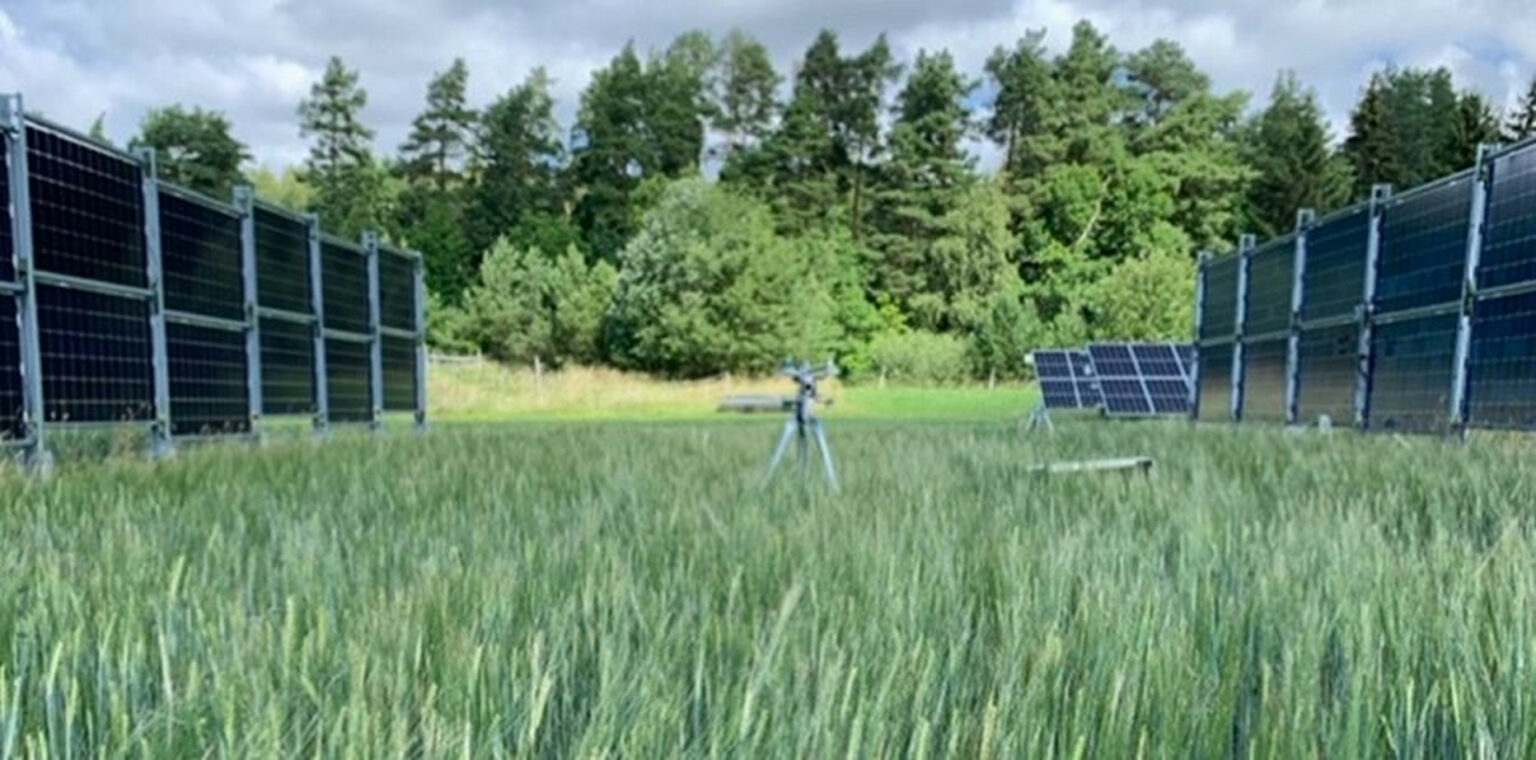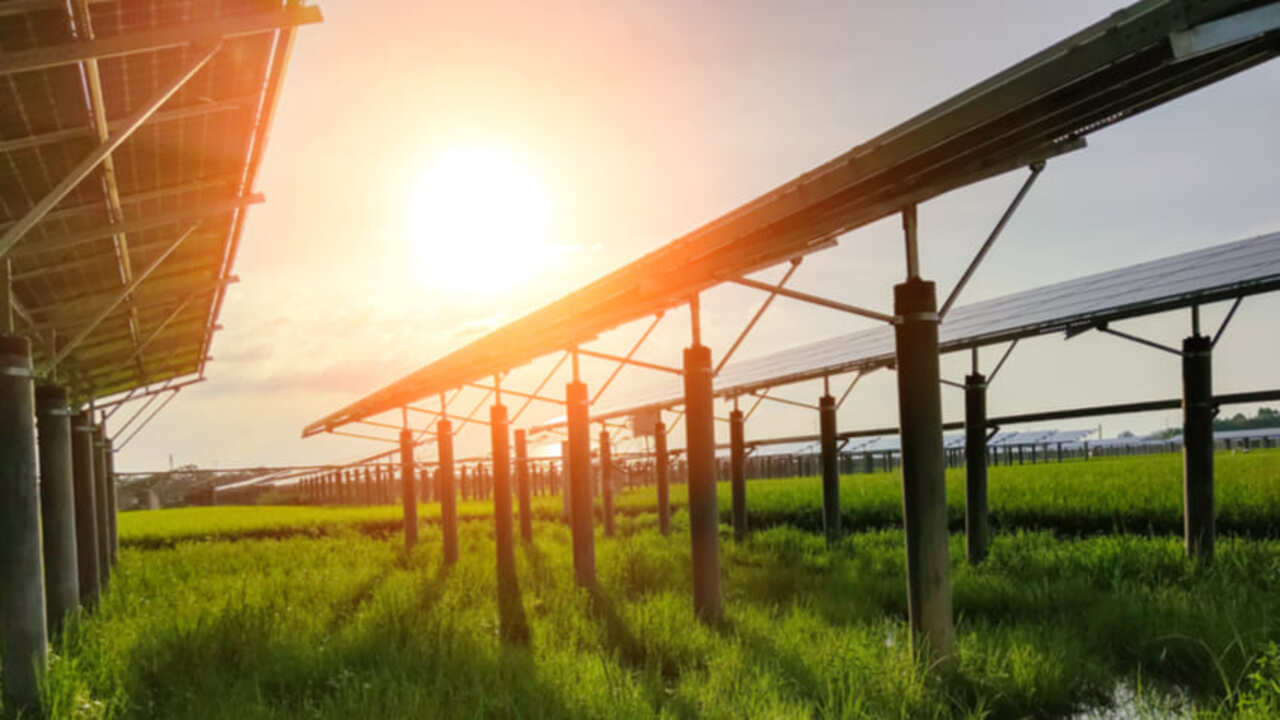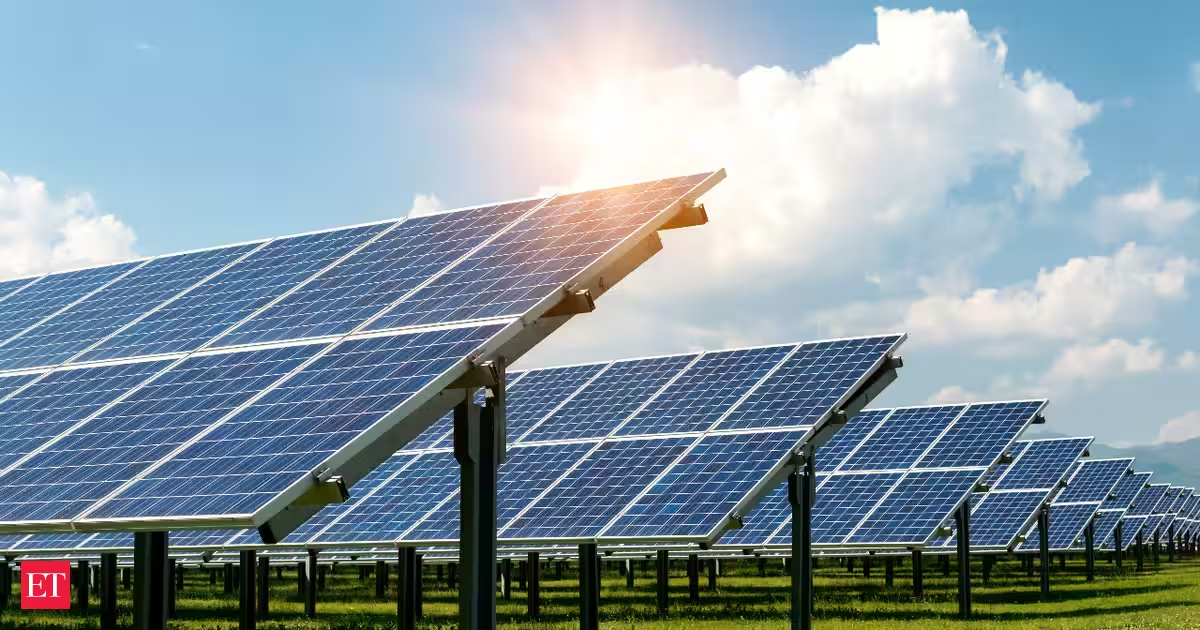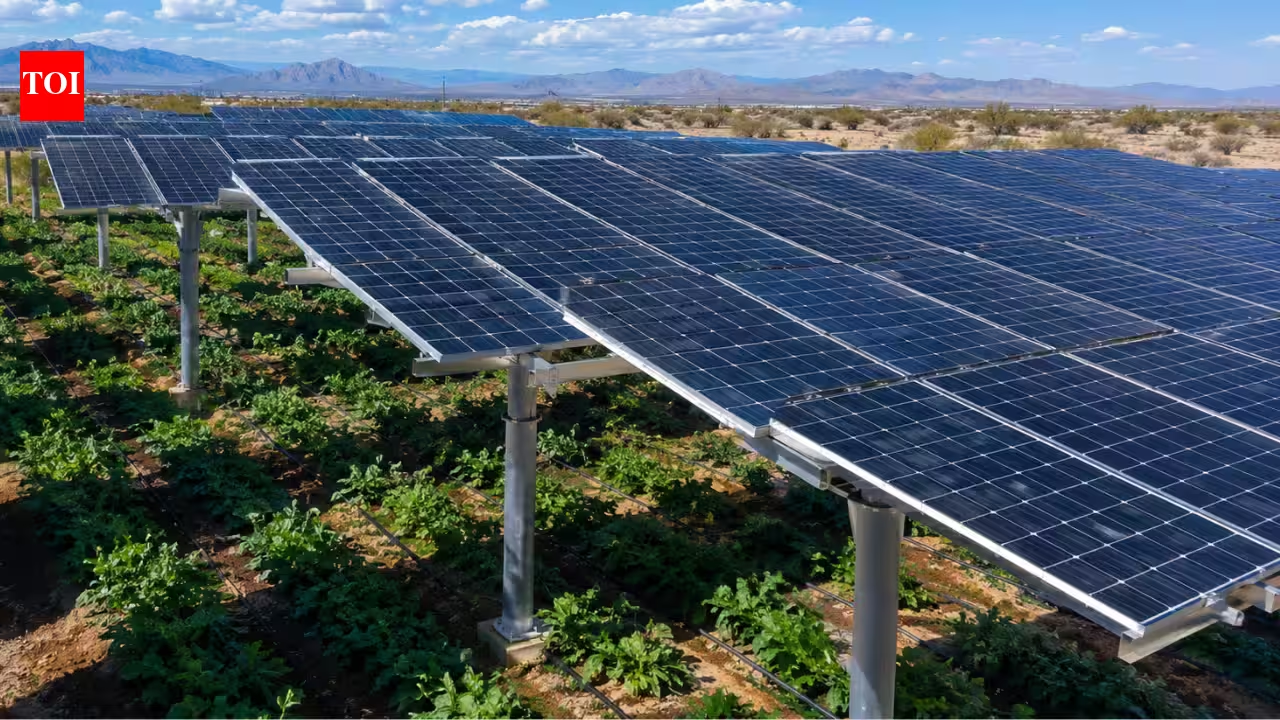
Researchers in Italy found that agrivoltaic shading in Primitivo vineyards can reduce heat and water stress while improving vine physiology, growth, biodiversity, and yield under Mediterranean conditions. The study shows that photovoltaic integration can enhance vineyard resilience and maintain grape quality, although further long-term and multi-site research is needed to confirm its wider applicability.
Researchers from the University of Bari Aldo Moro in Italy Researchers have investigated the effects of photovoltaic-induced shading on vineyards of Primitivo, a traditional grape variety cultivated in the Apulia region. The study examines how partial shading from photovoltaic panels influences vine growth, microclimatic conditions, and grape production, providing insights into the potential integration of solar energy systems with viticulture.
“The objective is to assess whether agrivoltaic integration can mitigate the effects of high temperatures and water deficit, thereby improving grapevine adaptability in Mediterranean environments,” the scientists stated.
The experiment was conducted during the 2024 growing season in a commercial agrivoltaic vineyard located at the “Le Rene” solar farm in Laterza, southern Italy. The agrivoltaic system covered 8,812 m² with a photovoltaic capacity of 350 kW, while a nearby full-sun area served as the control. Three light treatments were established: full sun (FS, 100% irradiance), low shade (LS, approximately 95% irradiance between panel rows), and high shade (HS, approximately 5% irradiance beneath the panels).