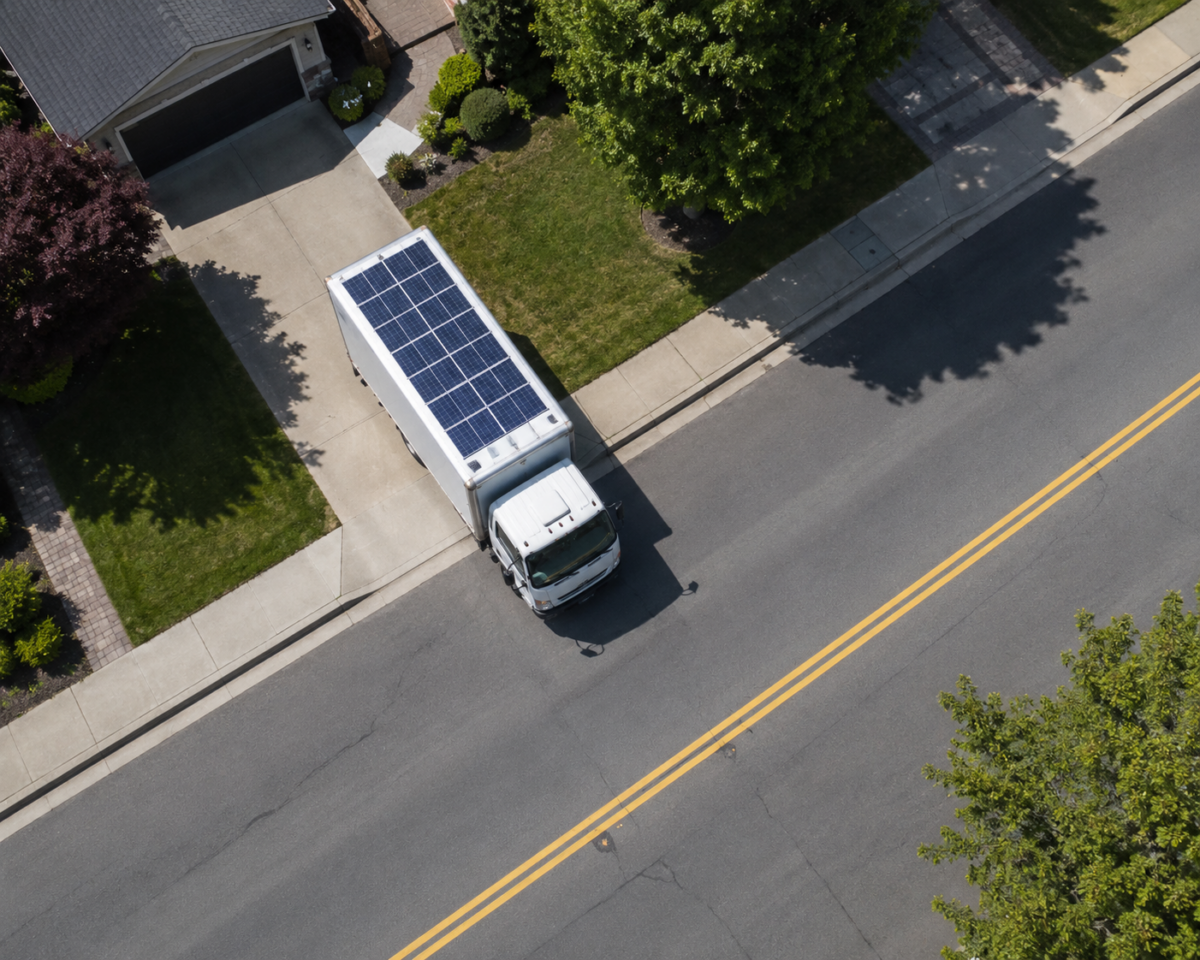
Japanese researchers conducted a large-scale field study on 200 commercial trucks to evaluate the real-world performance and fuel-saving potential of vehicle-integrated photovoltaics (VIPV). Their results show that VIPV systems can reduce alternator load and fuel consumption by about 5.5–7%, with roughly 70% of horizontal solar irradiance effectively reaching vehicle surfaces and around 85% of PV output directly offsetting alternator demand under real operating conditions.
May 26, 2026
Researchers at the University of Miyazaki have investigated the real-world performance and fuel-saving potential of vehicle-integrated photovoltaics (VIPV) on heavy-duty vehicles through an extensive field study in Japan, finding that shading is a crucial factor affecting photovoltaic power generation and overall system efficiency.
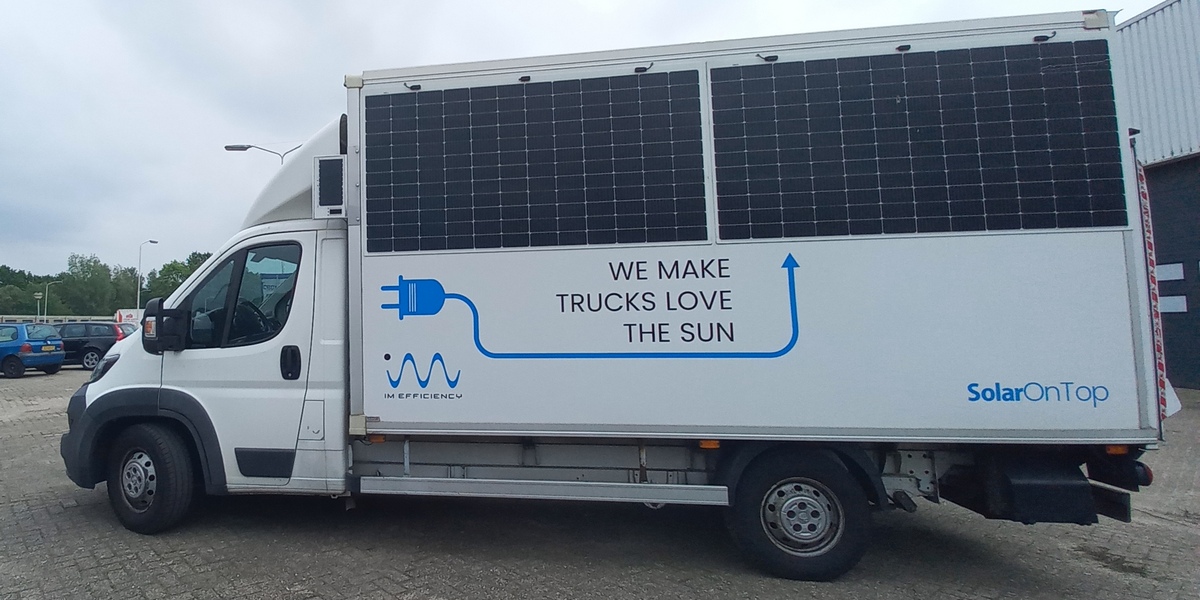
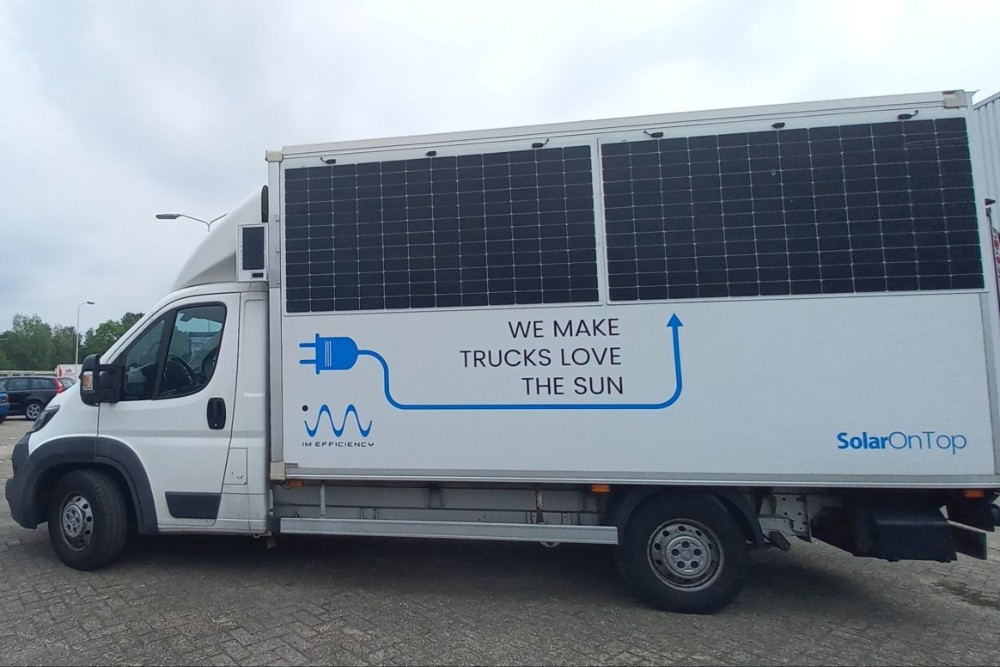
The project involved 200 commercial trucks with diesel engines fitted with 300–500 W PV modules based on copper, indium, gallium and selenide (CIGS), with data being collected on photovoltaic generation, alternator performance, battery power flow, and vehicle operation. The solar panels are used solely to power auxiliary systems and recharge the main battery, not for directly driving the vehicle.