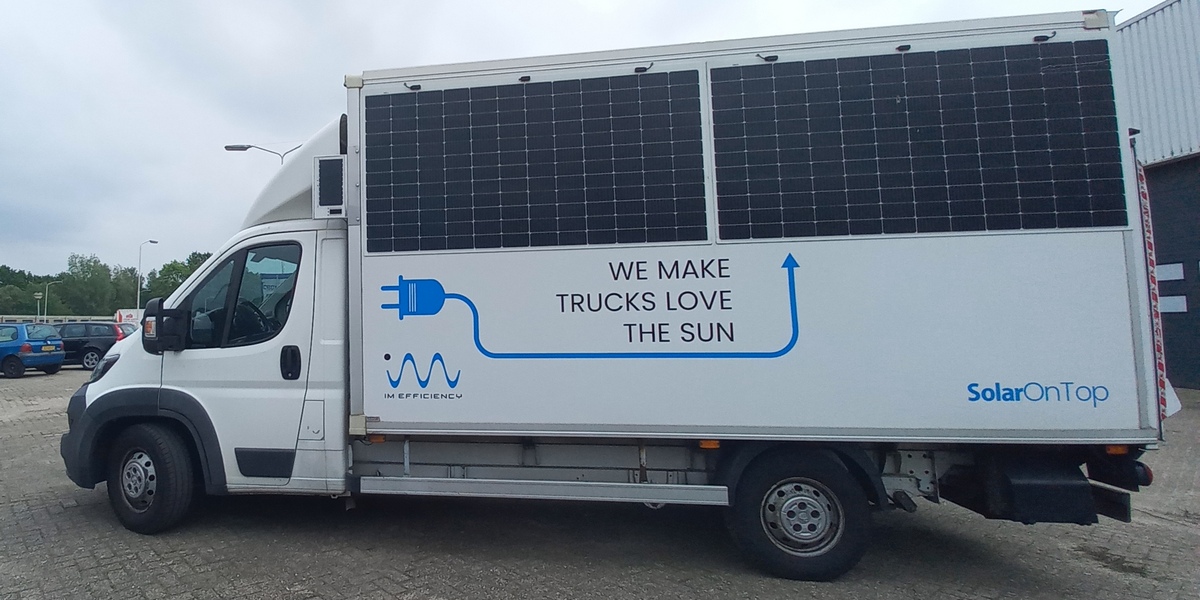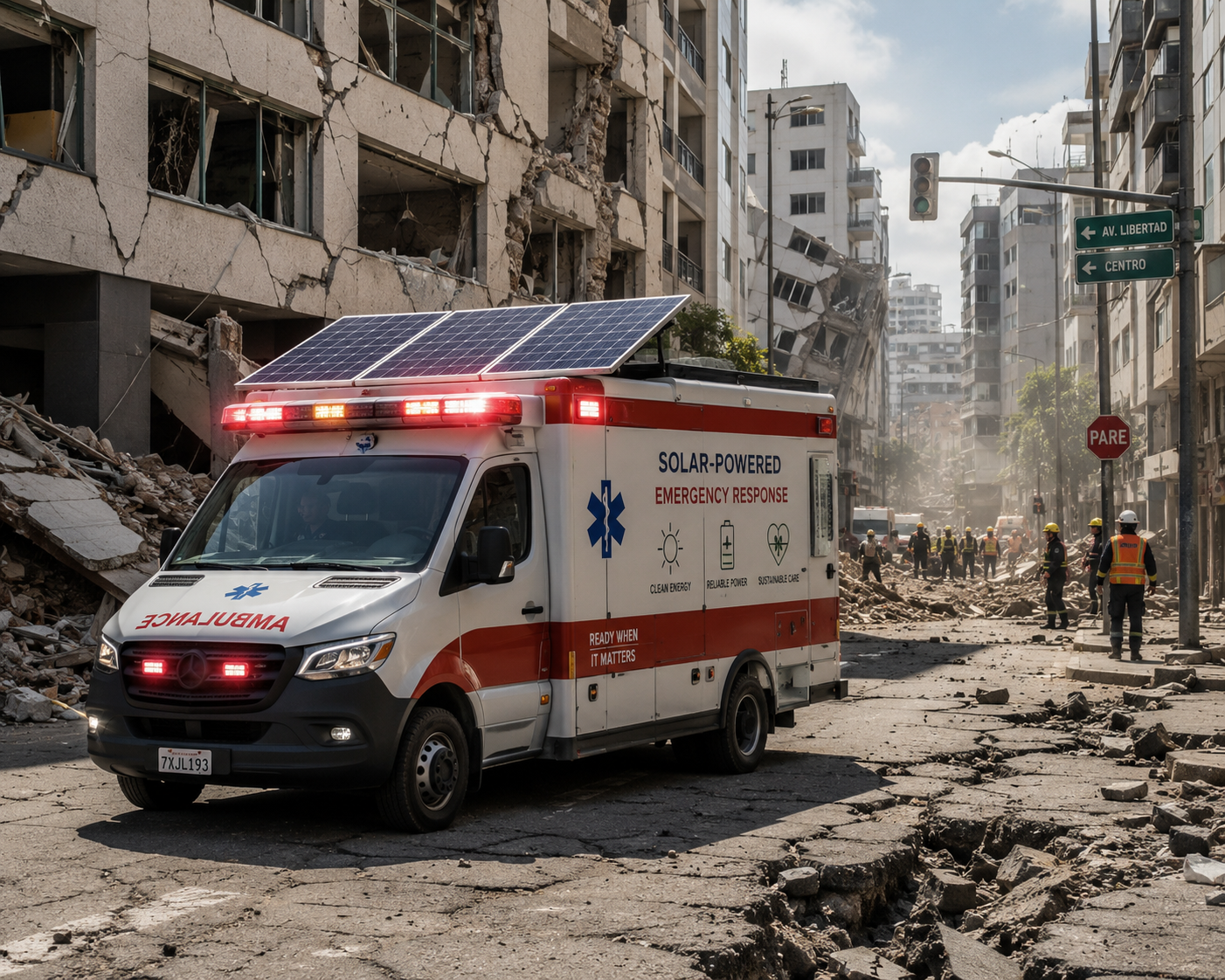
A new IEA PVPS report makes a rigorous case that solar electric vehicles are not just transport, but rather a distributed, mobile, fuel-free emergency energy network that could redefine disaster preparedness.
When a major earthquake cuts power to a city, what happens to the evacuation centre that was relying on a diesel generator? In many documented cases, the answer is: the fuel runs out within 24 to 72 hours, the resupply trucks cannot get through damaged roads, and the generator fails. It is something so well understood in Japan — a country that accounts for 18.5% of global earthquakes of magnitude 6 or higher — that it has become the starting point for a new class of energy resilience research.
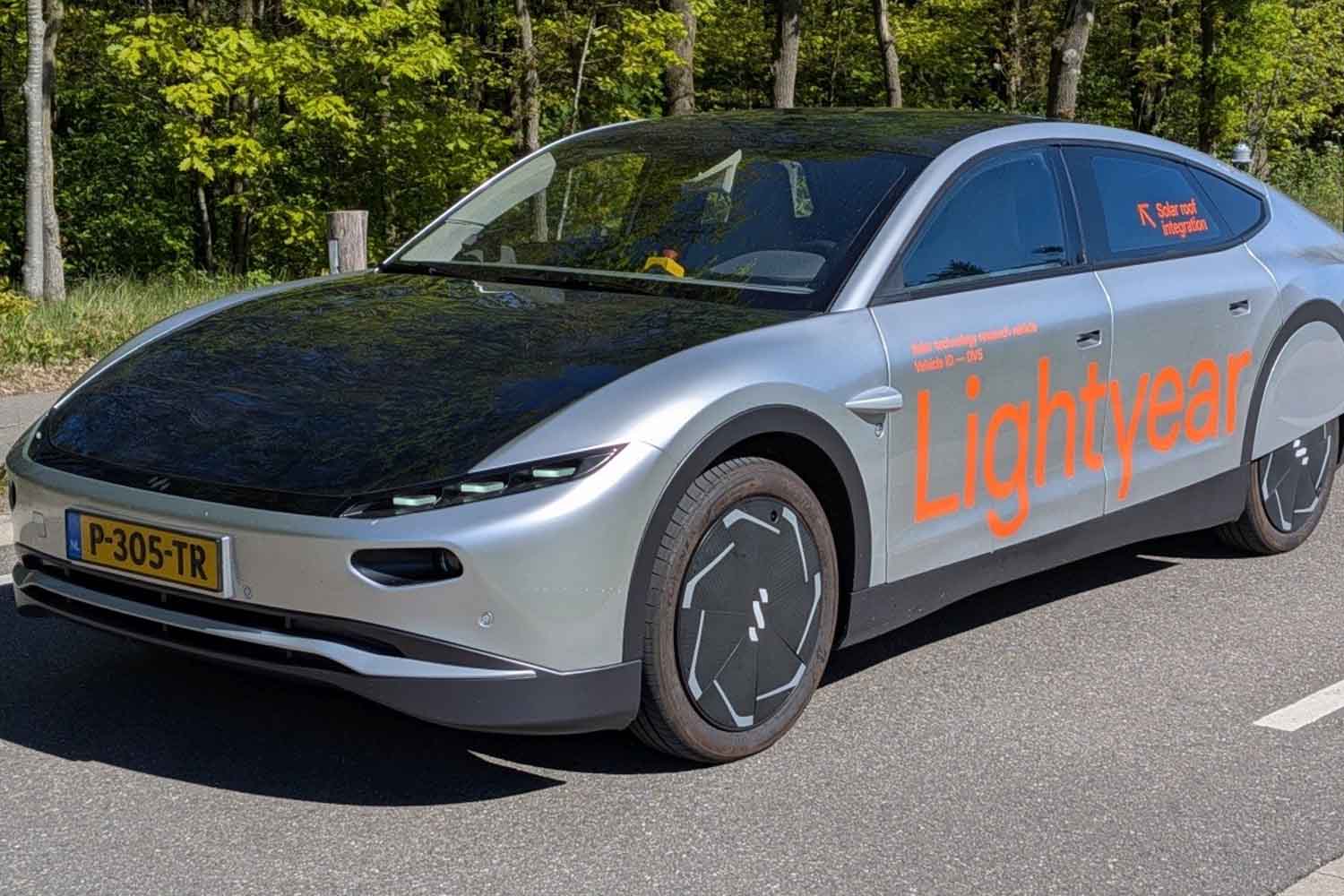
A new technical report from IEA PVPS Task 17, VIPV as Energy Sources in Disaster Zones, takes that failure mode seriously and asks if solar-equipped electric vehicles — what the authors call Solar Electric Vehicles (SEVs) or Vehicle-Integrated Photovoltaics (VIPV) — could fill the gap. The answer, backed by Monte Carlo simulations, social behaviour modelling, and a real-world commercial case study from Miyazaki, Japan, is a strong yes.
Why conventional solutions fall short
The report’s framing is grounded in hard lessons from Japan’s disaster history. The 2011 Great East Japan Earthquake left approximately 1.9 million fixed telephone lines and 29,000 mobile base stations out of operation, with power outages persisting for weeks. Moreover, fuel distribution for diesel generators, which form the backbone of most emergency power plans, remained compromised for two to three weeks across affected areas.