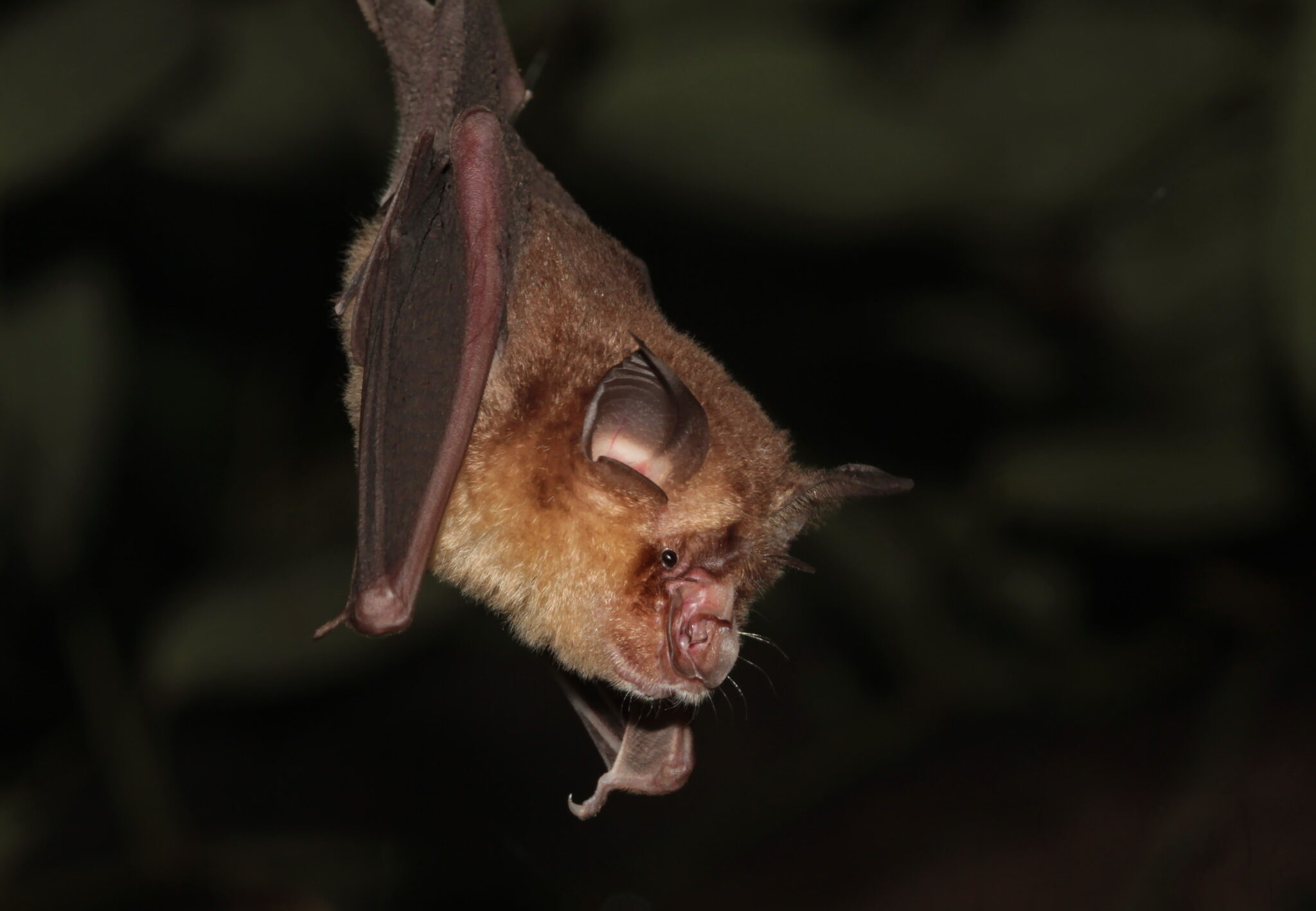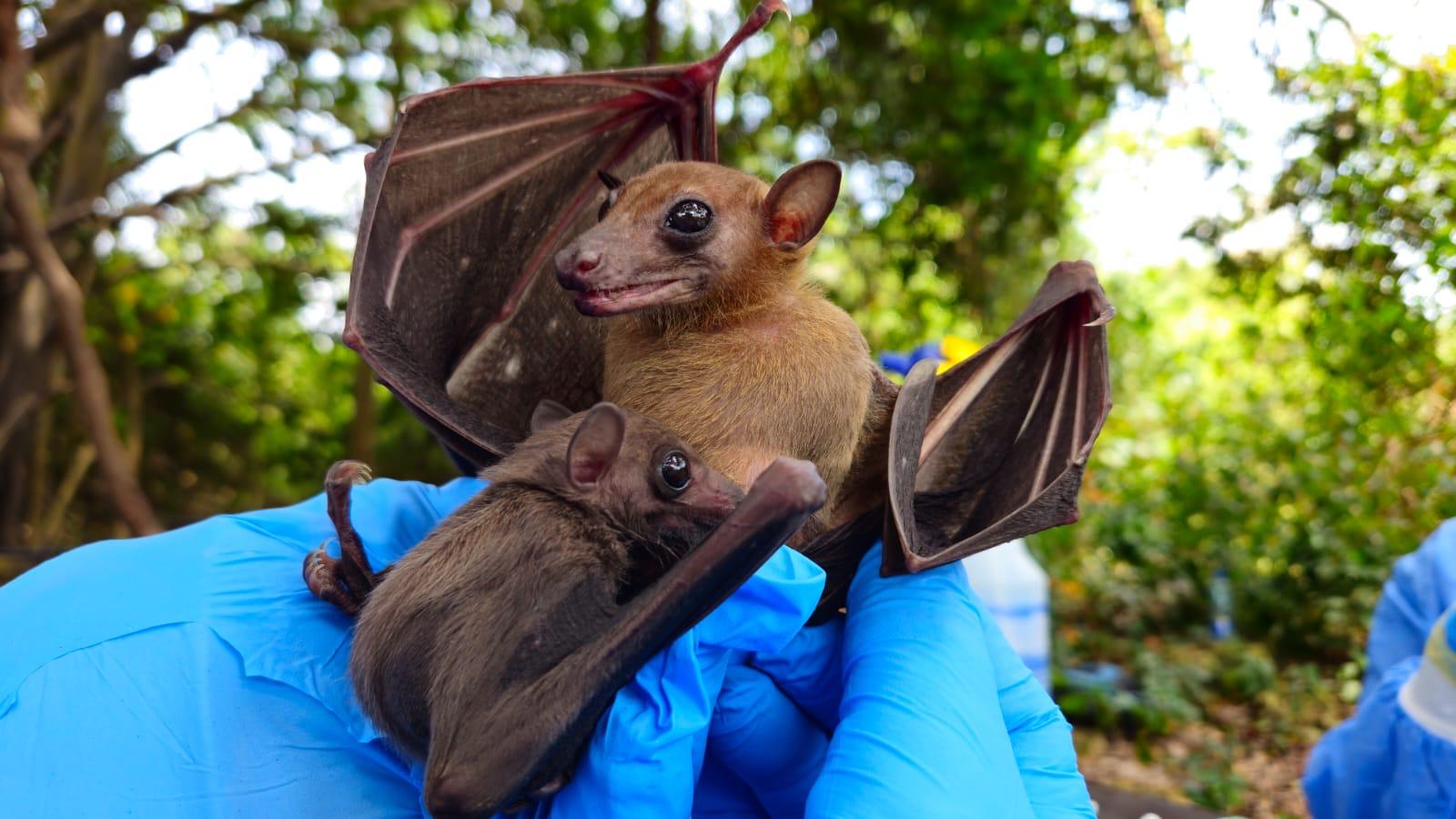
Researchers have found the first genetic evidence of bat-borne viruses within commercially sold bat guano fertilizer in Thailand.
However, the viral strains the team detected are not known to infect humans. Moreover, since the researchers only identified fragments of viral RNA and did not isolate live, intact viruses, they could not confirm if the genetic material poses an active threat to human health, according to a recent study, reports Mongabay’s Carolyn Cowan.
But the findings suggest that viral genetic material from bat populations can persist far beyond caves and survive within publicly available retail products, the study says.
“The most surprising thing was that these viruses don’t just stay in the caves,” senior author Thachawech Kimprasit, a medical microbiologist at Mahidol University in Bangkok, told Mongabay. “Their material can be found in commercial end products.”
The discovery raises concerns over a general lack of biosecurity protocols to protect harvesters, agricultural workers, and retail handlers, Thachawech added.