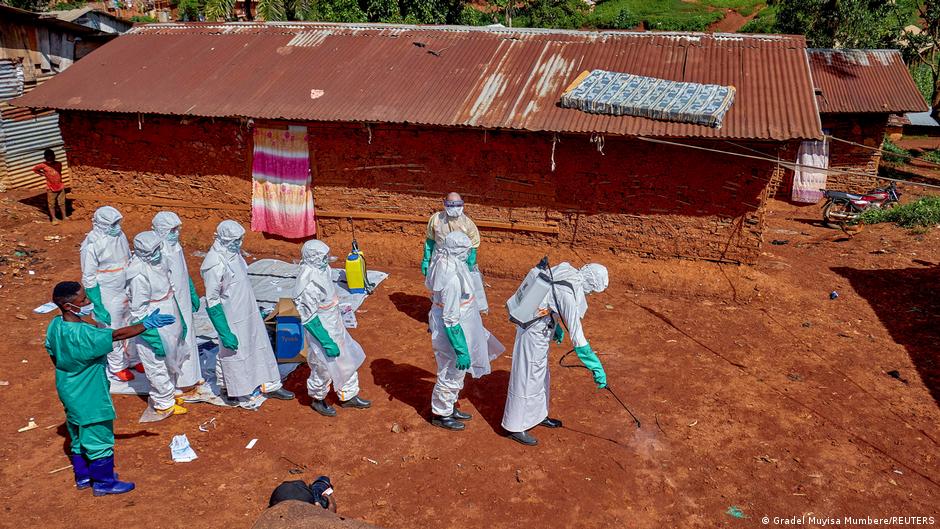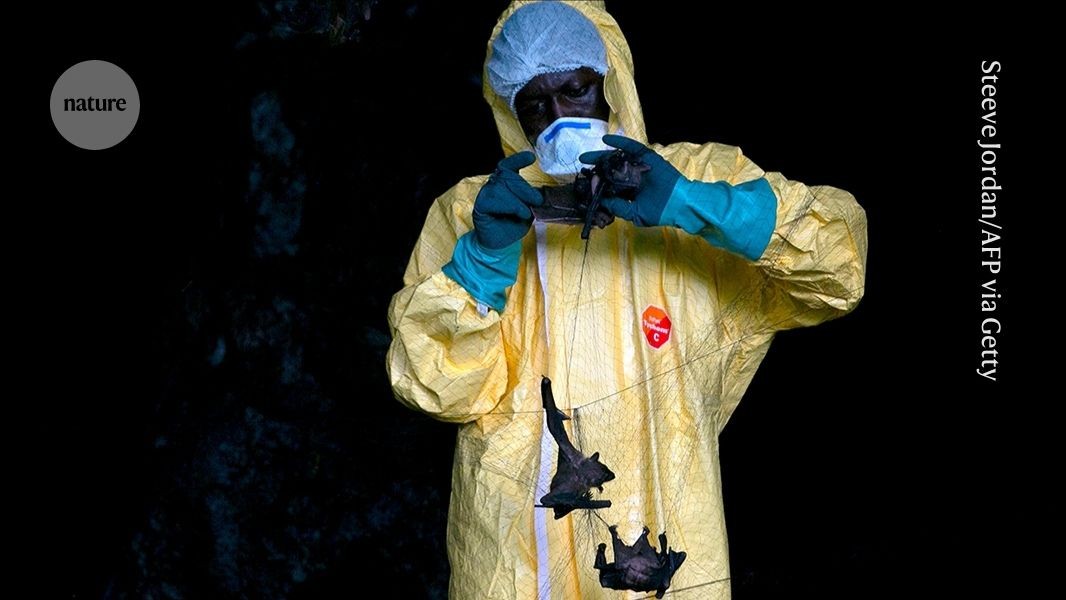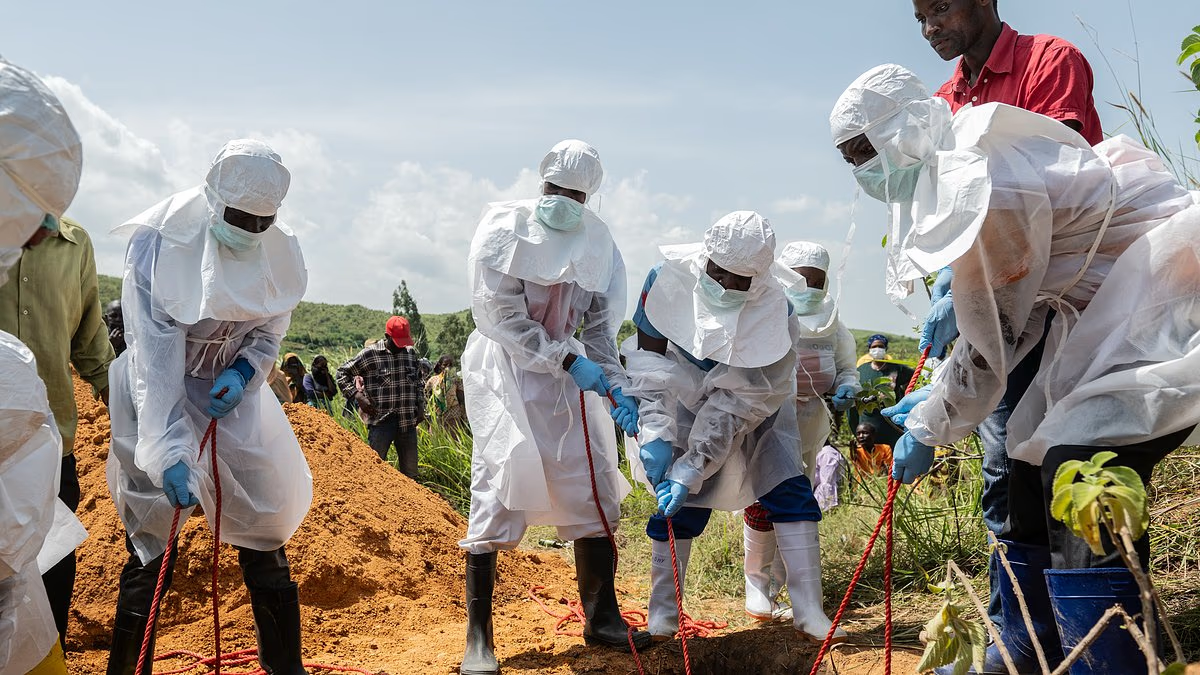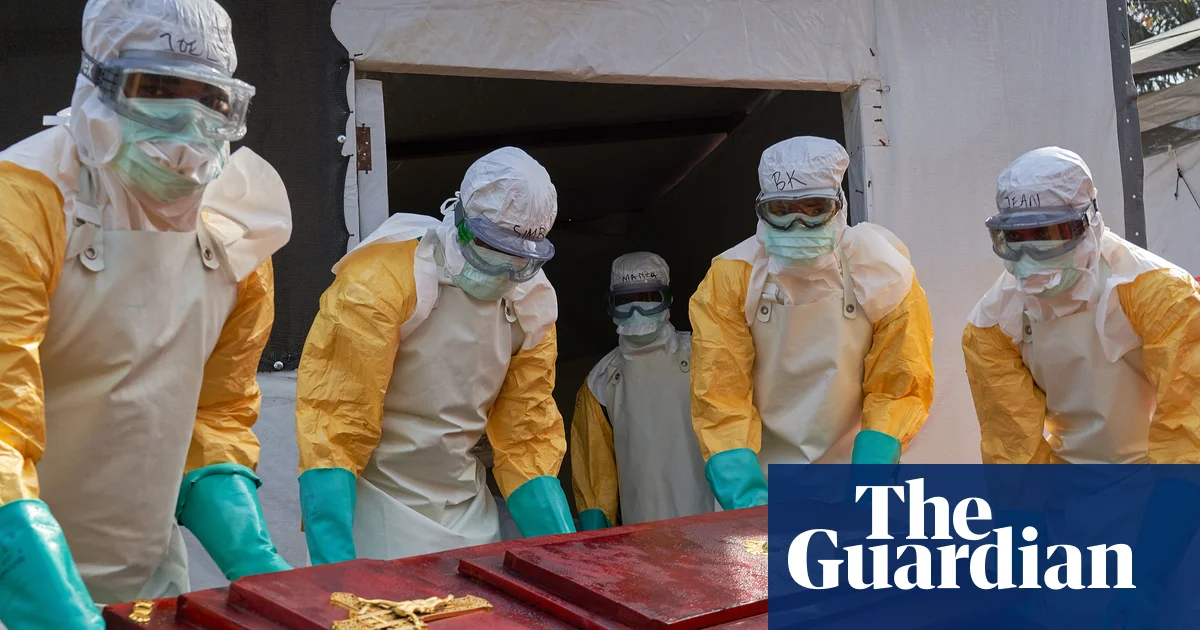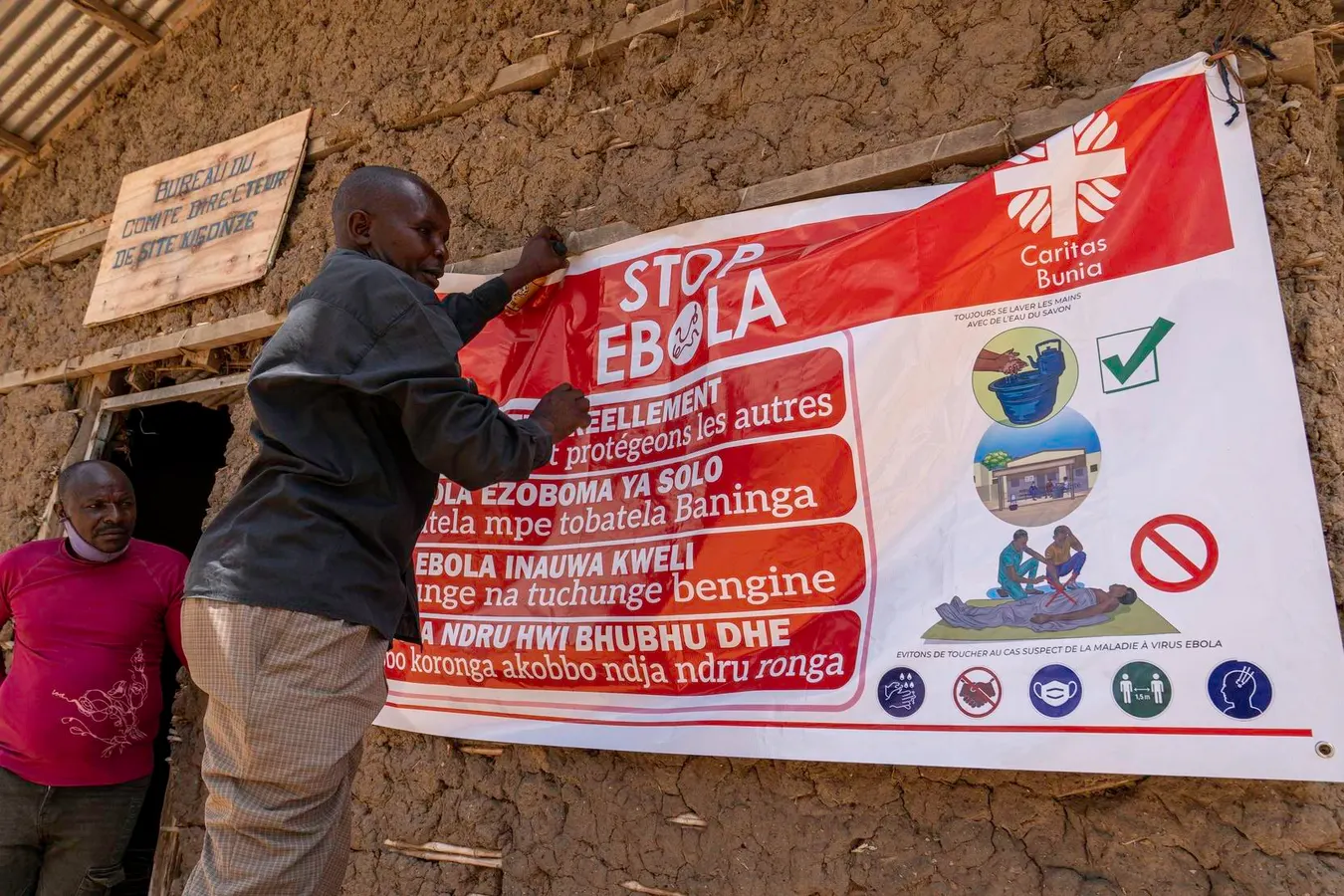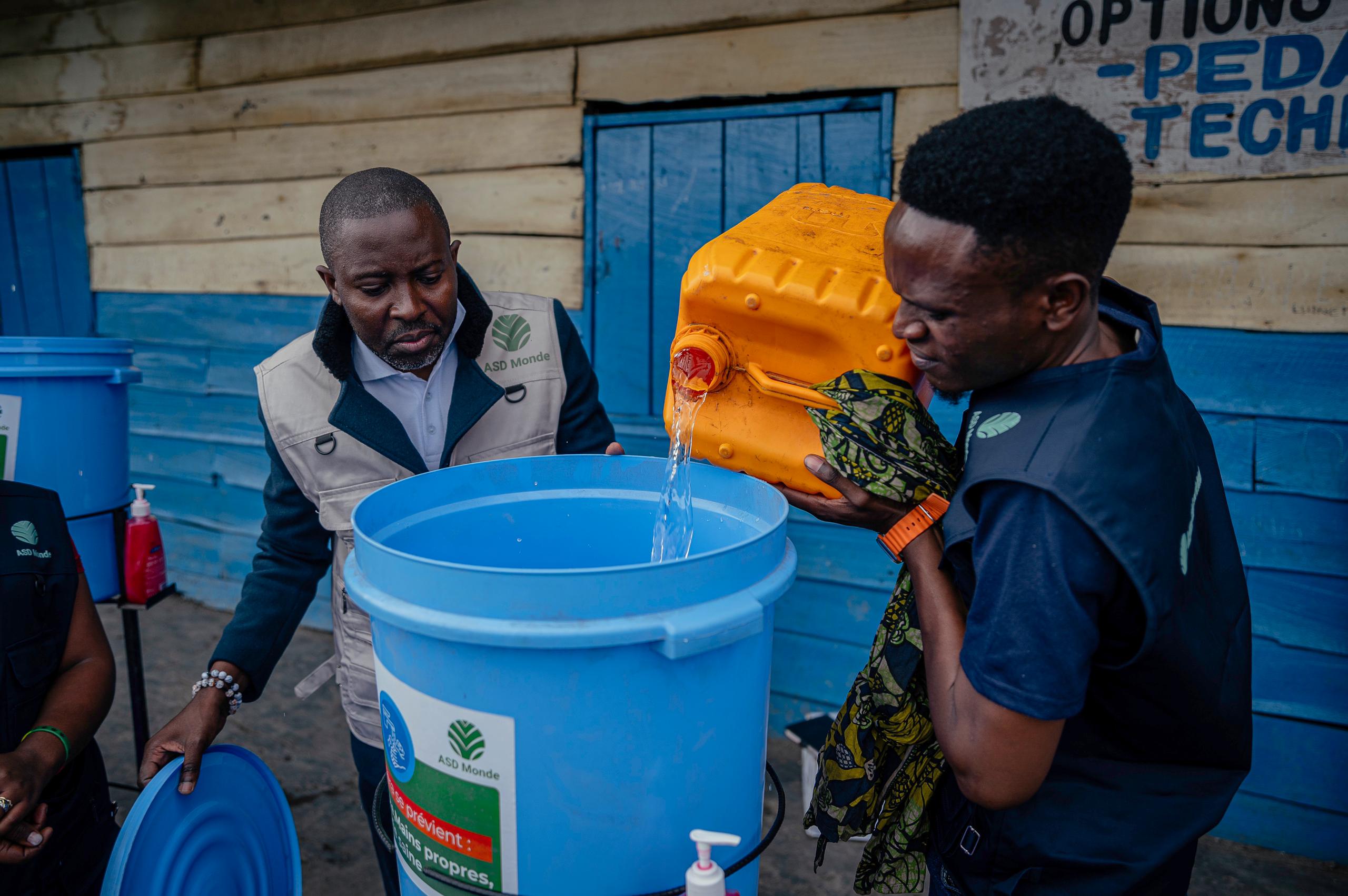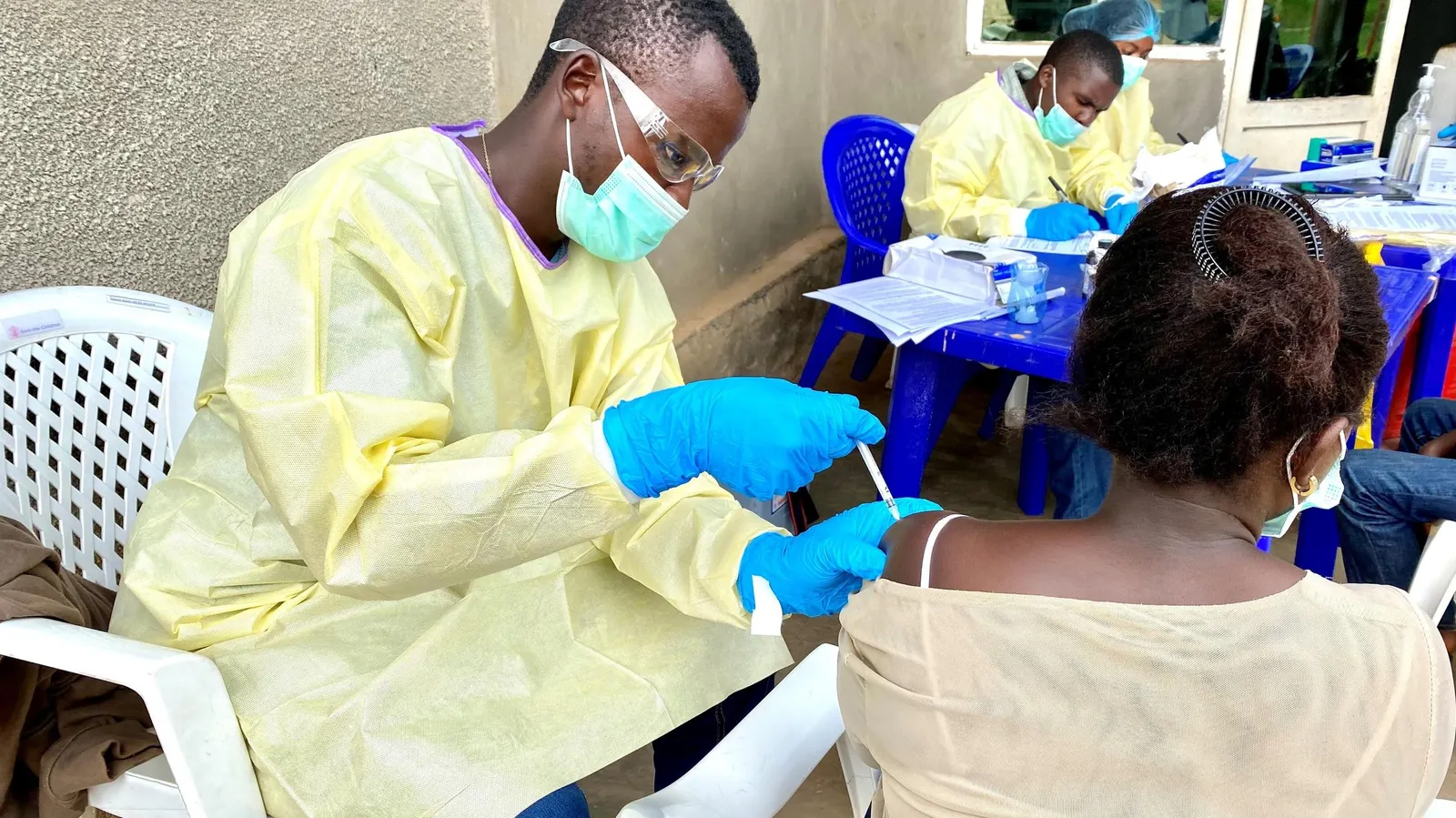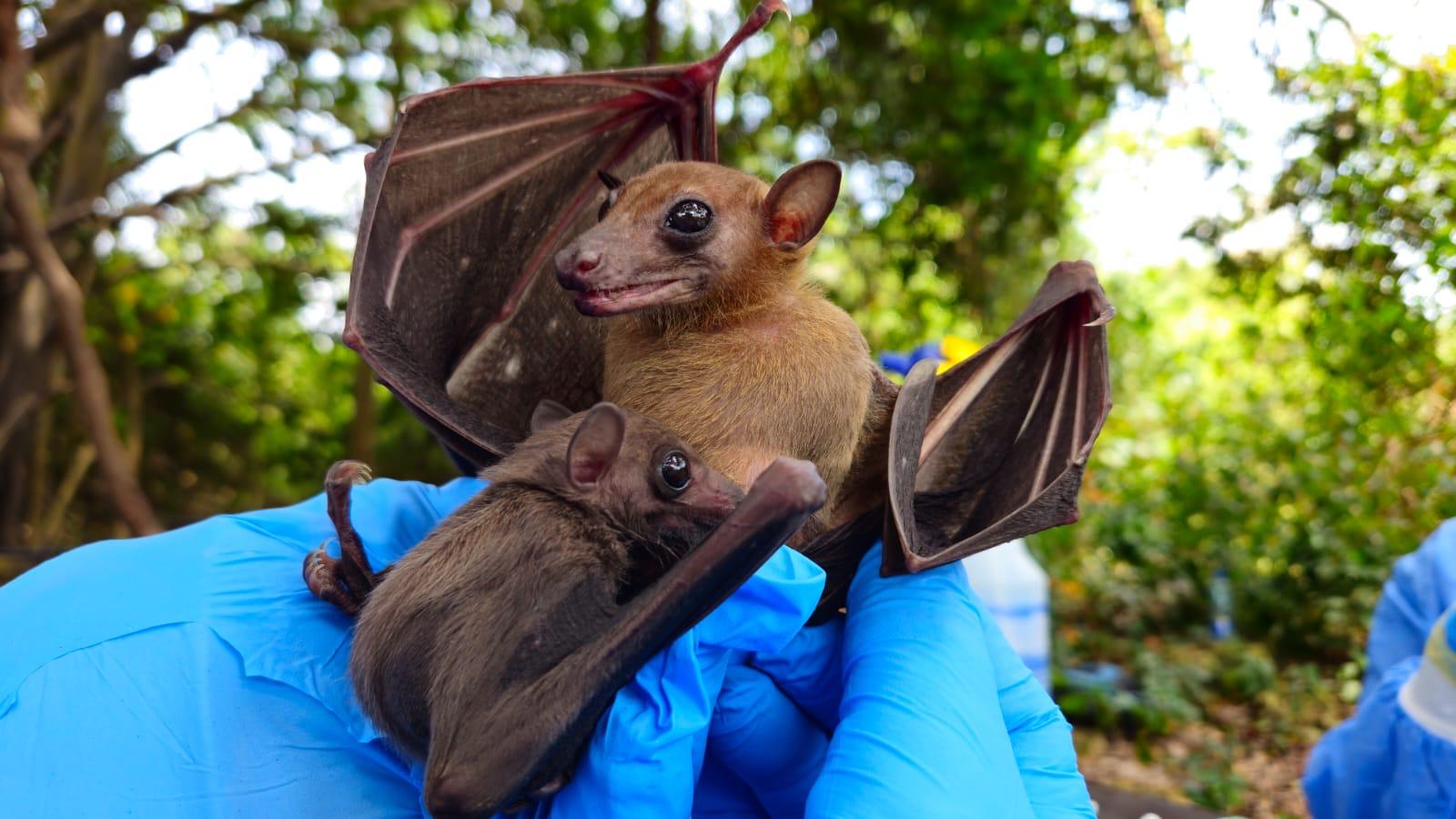
The current Ebola outbreak in the Democratic Republic of Congo has sparked efforts to develop a vaccine for this current strain, but has also brought renewed attention to the longstanding question of where the virus originates.As scientists race to better understand and contain the Bundibugyo strain, they continue to search for the origins and transmission pathways of this virus, which has a 50-60% mortality rate in humans and has also wiped-out substantial numbers of gorillas and chimpanzees.As with previous zoonotic disease outbreaks, bats are once again under scrutiny. During the COVID-19 pandemic, for example, bat colonies were destroyed in countries including India, Peru, and Cuba, while bats were culled in Indonesian markets and driven from urban areas in Rwanda amid fears about disease transmission.While there have been no reported cases of bat culls linked to the current Ebola outbreak, Dr. Paul Webala, a wildlife biologist at Maasai Mara University in Kenya who has studied bats for more than two decades, cautions against such actions. He argues that bats play a critical ecological role and notes that the scientific evidence linking bats directly to Ebola outbreaks remains inconclusive.
Evidence linking bats to Ebola inconclusive, scientist says. 'Solution is not fear'
As the Democratic Republic of Congo grapples with another Ebola outbreak, bats have once again come under scrutiny as a possible reservoir for the virus. But according to bat ecologist Paul Webala, there is no conclusive scientific evidence linking bats to Ebola and the natural reservoir remains unknown. The current Ebola outbreak is caused by […]
1,401 words~6 min read