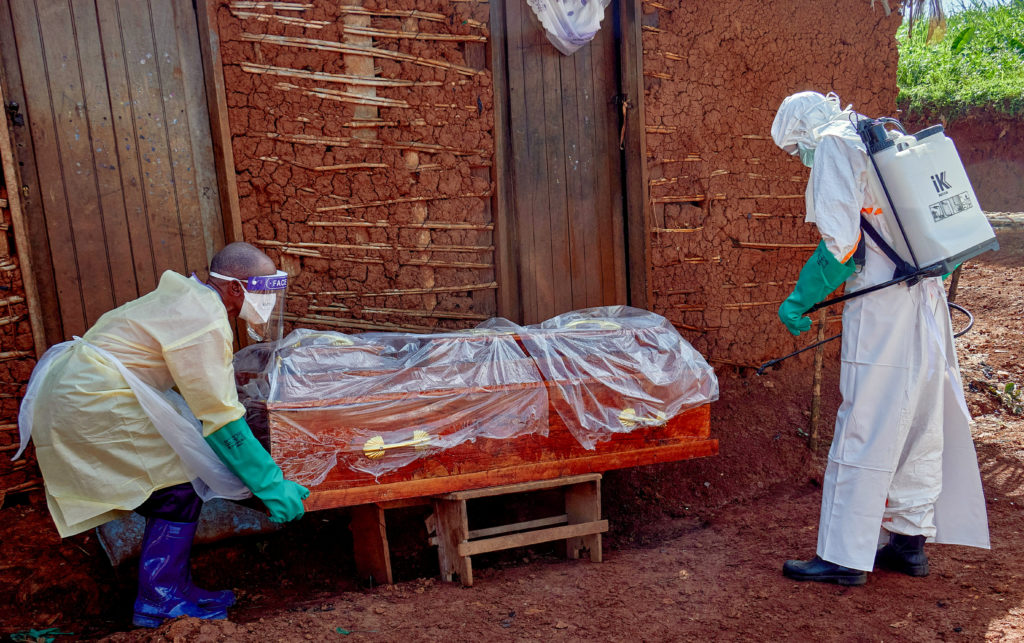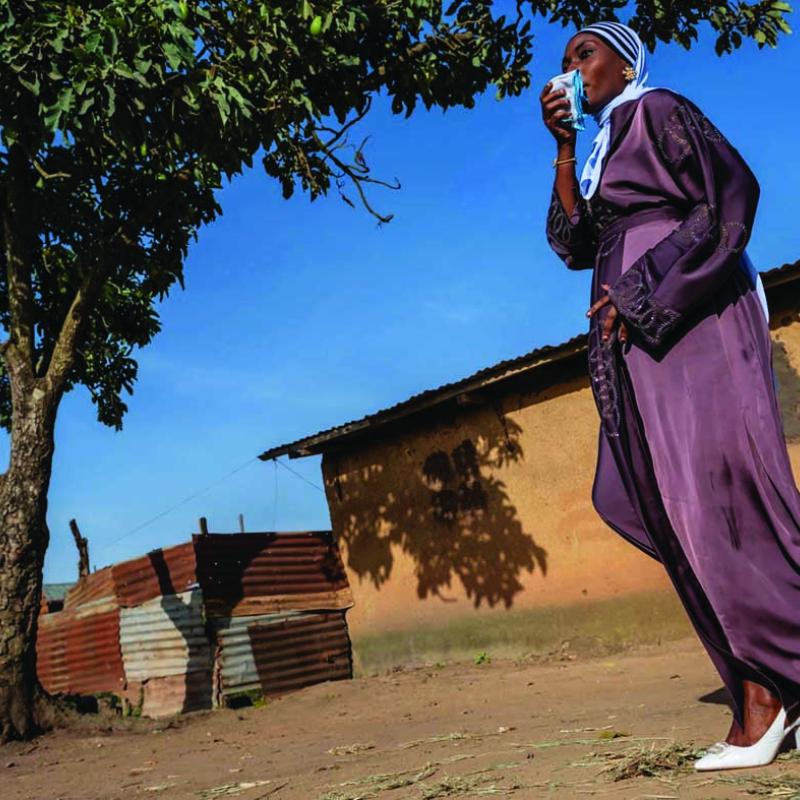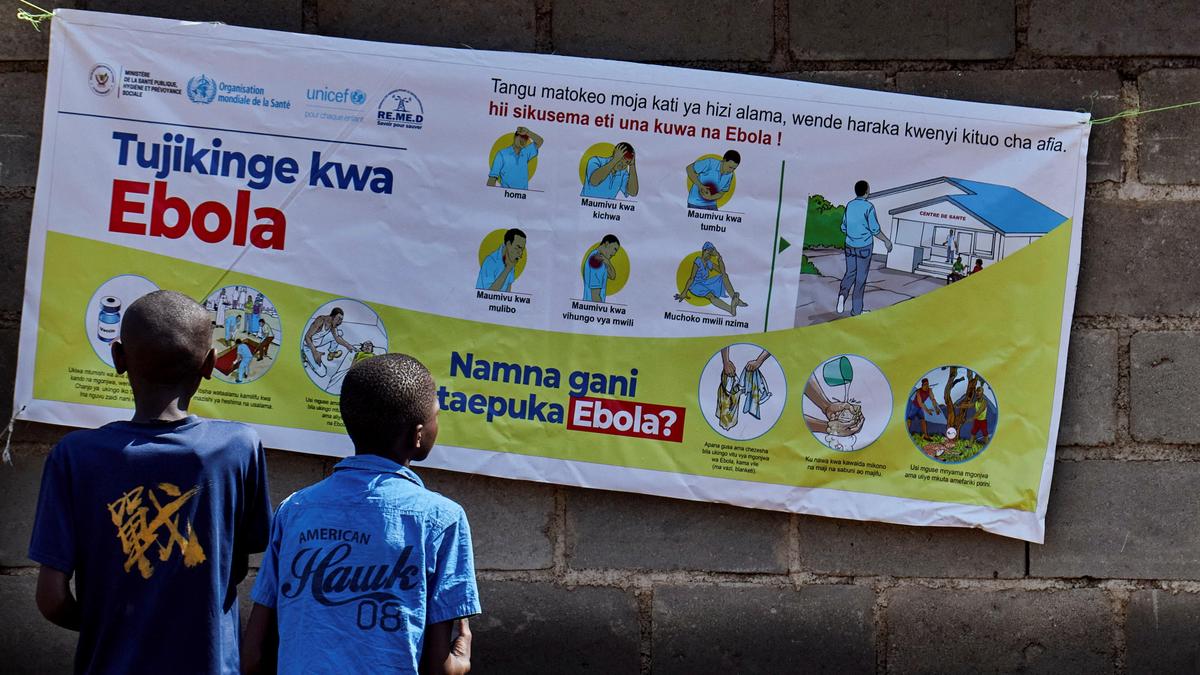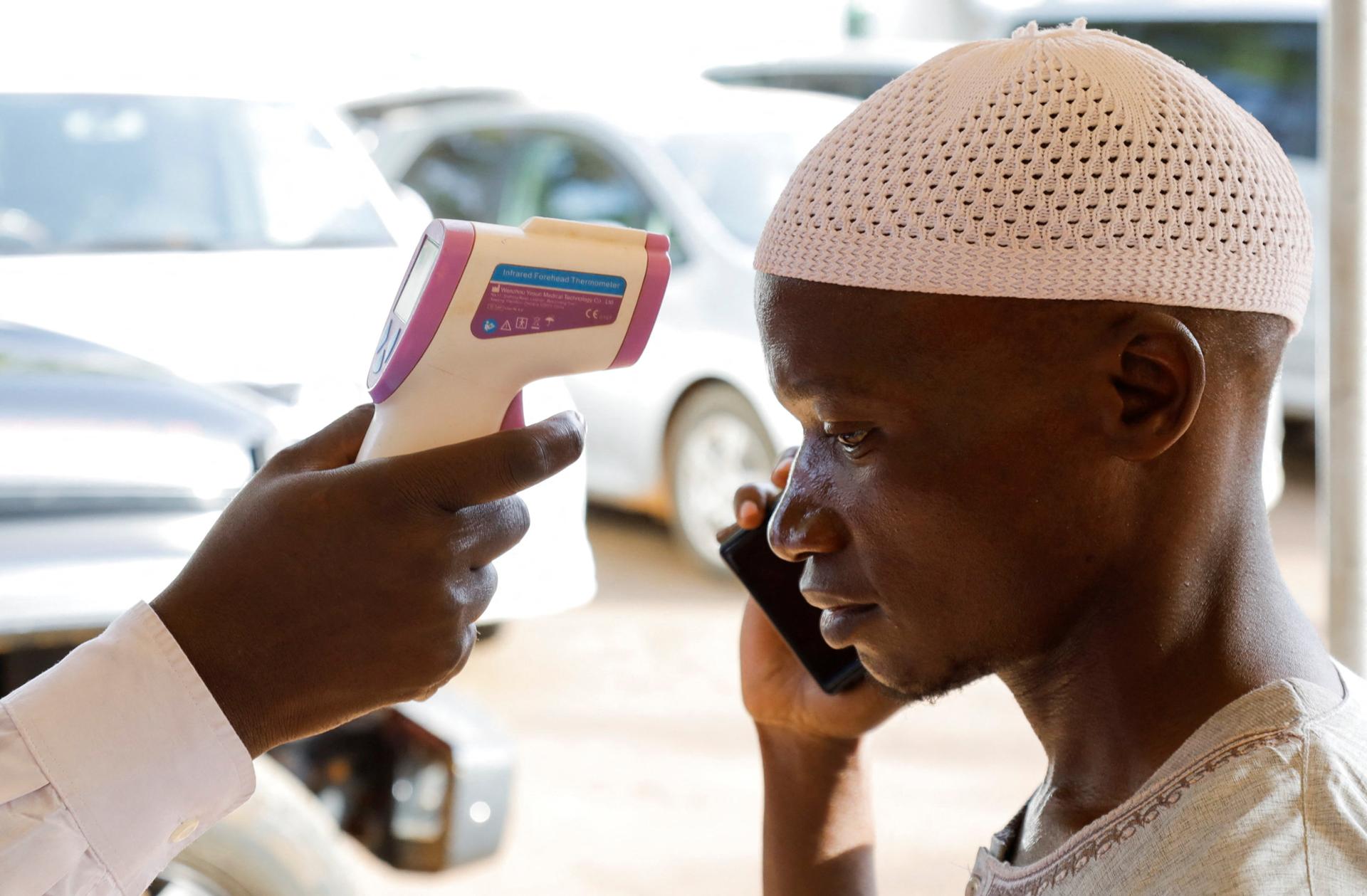
In western Uganda, especially in districts bordering the Democratic Republic of Congo, human-bat interactions are frequent and can increase viral spillover risk, experts say.The Bundibugyo ebolavirus, a genetically distinct Ebola strain first identified in Uganda’s Bundibugyo district in 2007-2008, is driving the current outbreak.Experts warn that current Ebola vaccines and treatments, largely developed for the Zaire strain of ebolavirus, may offer limited protection against the Bundibugyo strain, underscoring major preparedness gaps.Field research highlights how humans may be exposed to these viruses including through hunting and consumption of bats in some communities, raising concerns about potential transmission of zoonotic pathogens.
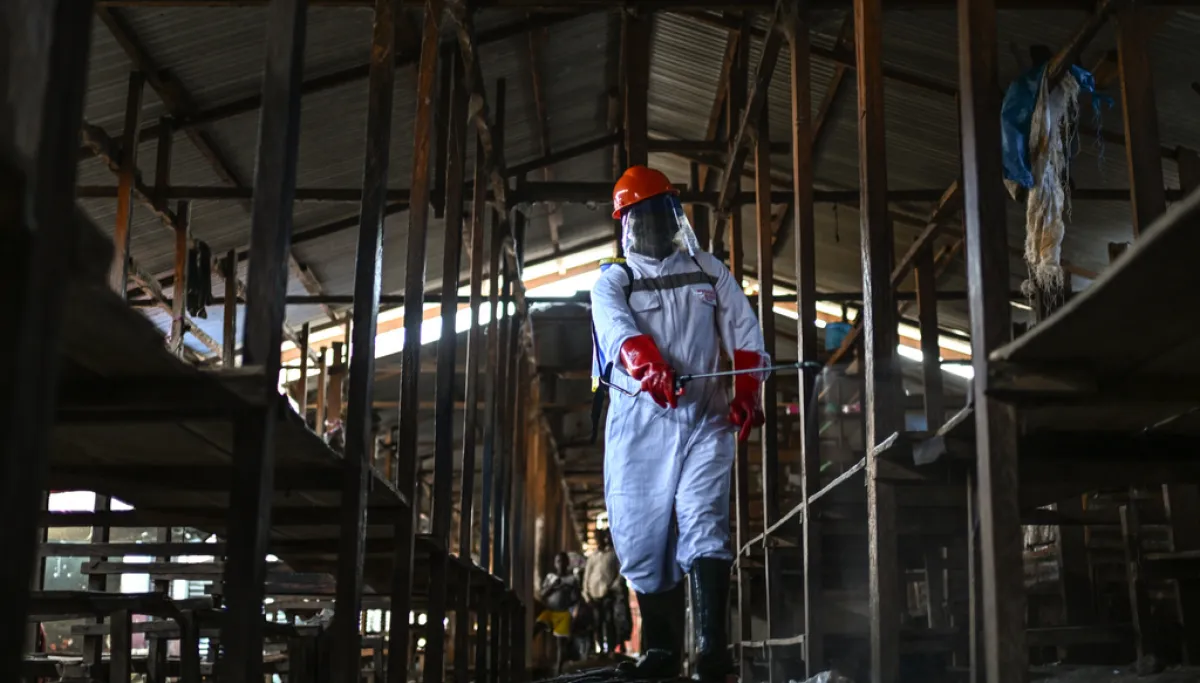
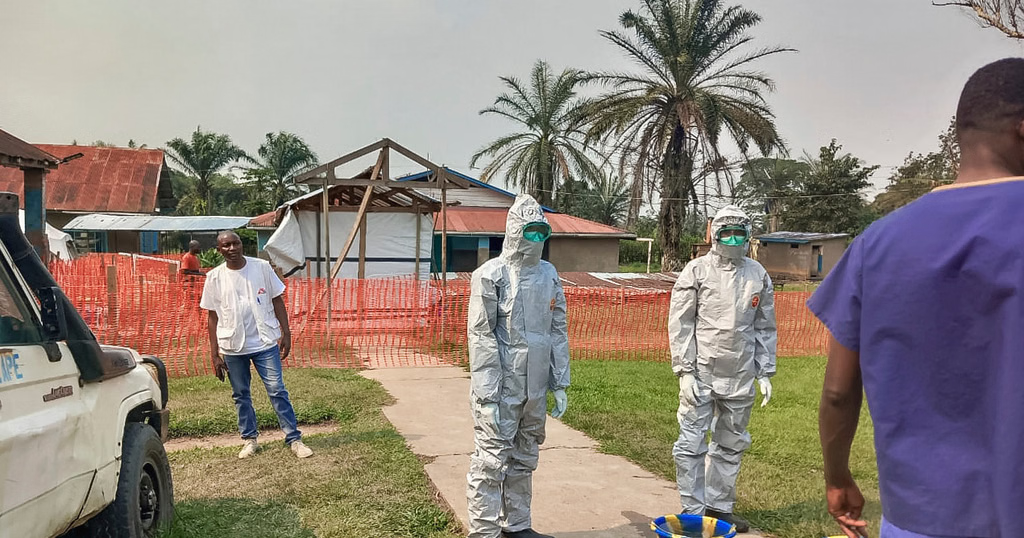
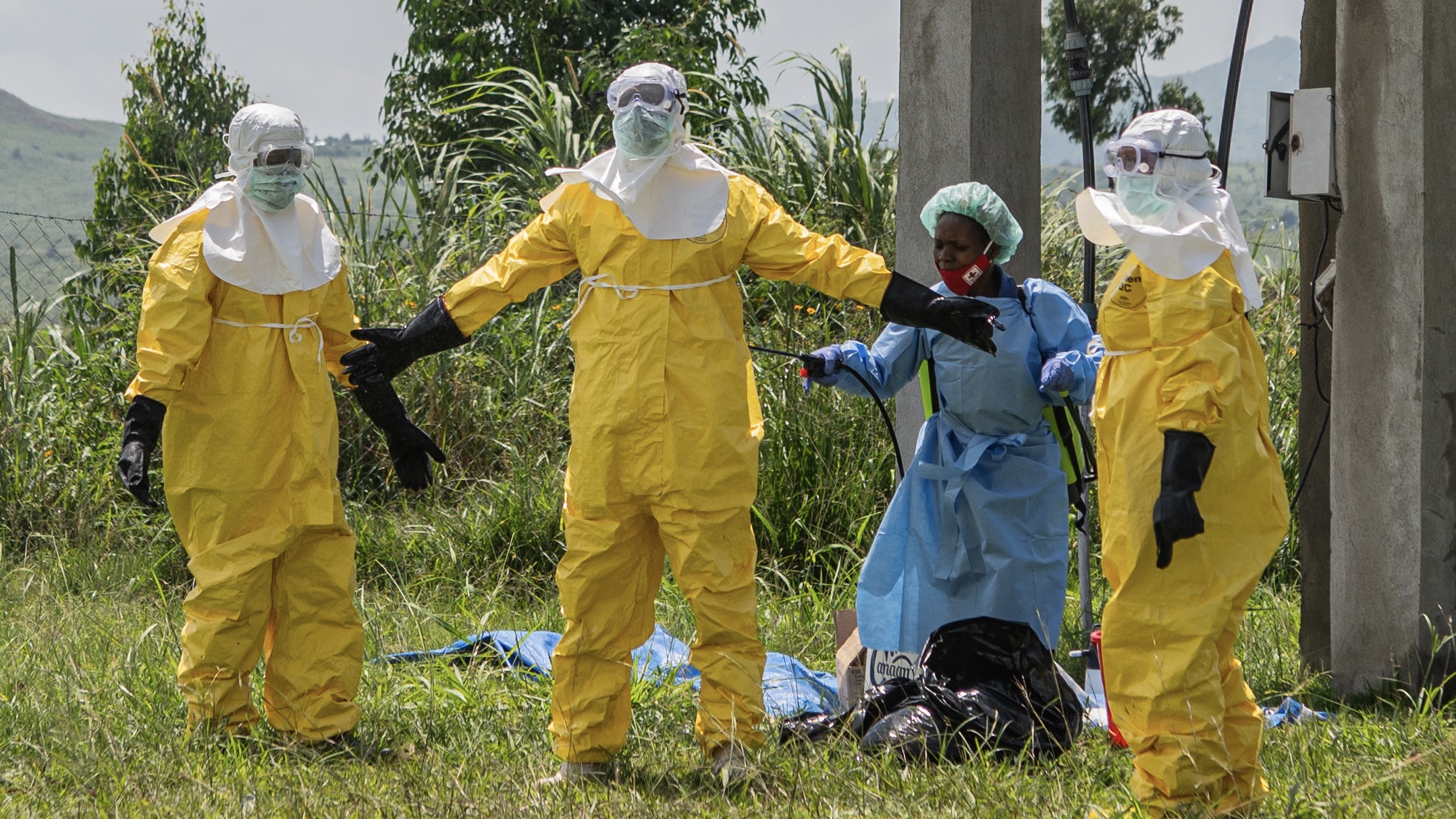
KAMPALA — In the hills and trading centers of western Uganda, bordering the Democratic Republic of Congo, authorities are racing to limit the spread of Bundibugyo ebolavirus, a rare species of Ebola for which there is currently no vaccine or cure.
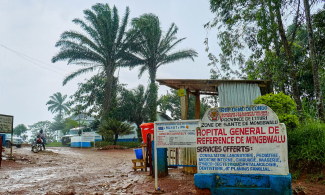
The number of suspected cases in the DRC is fast approaching 1,000, with Uganda reporting seven cases, as of May 25. The first cluster of cases of the ongoing outbreak was detected in early May in Ituri province in the DRC, which shares a border with Uganda. The close community and economic ties between people residing on both sides of the border has complicated efforts to contain the outbreak, with Uganda taking measures to stem the flow of people.