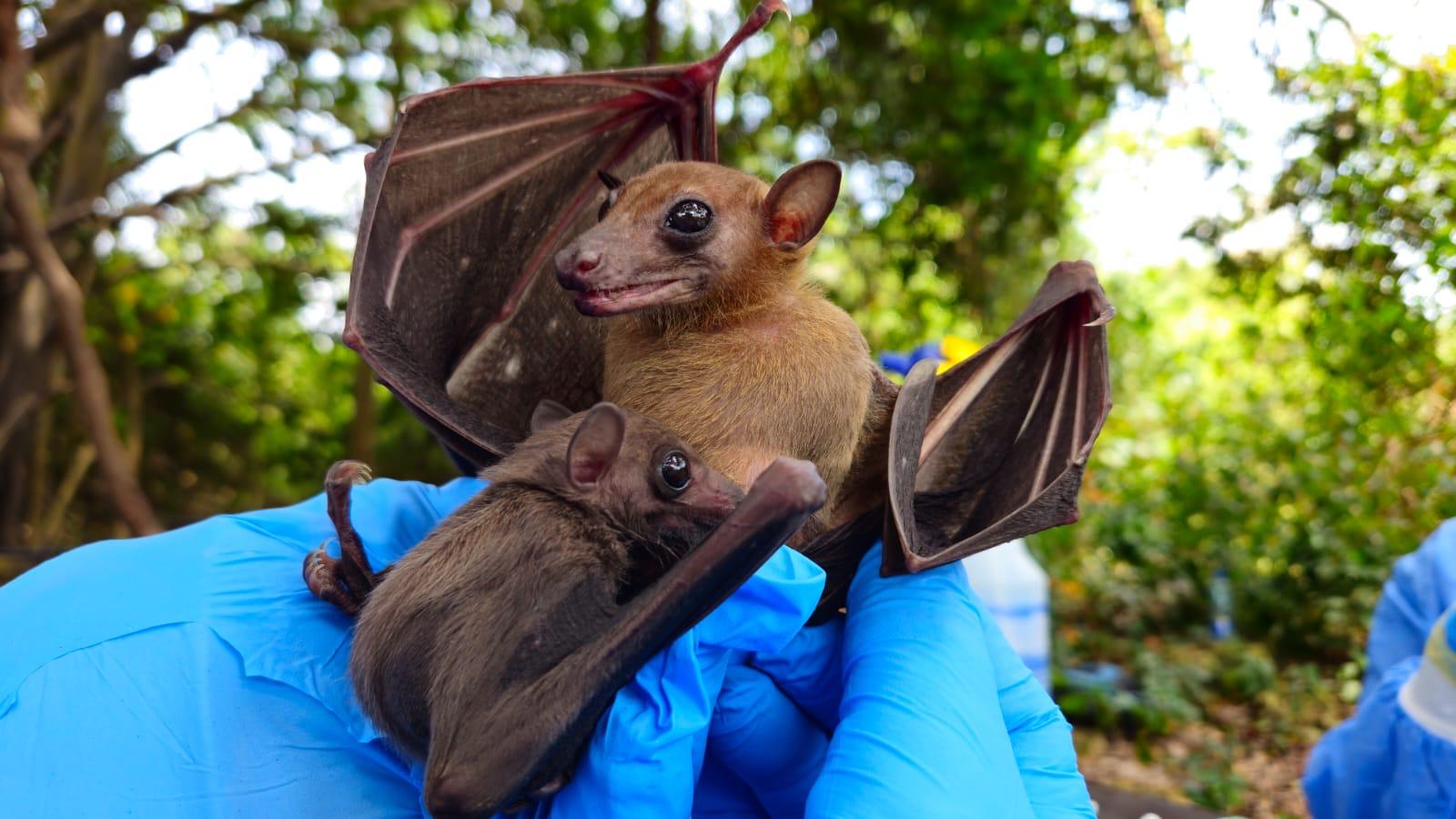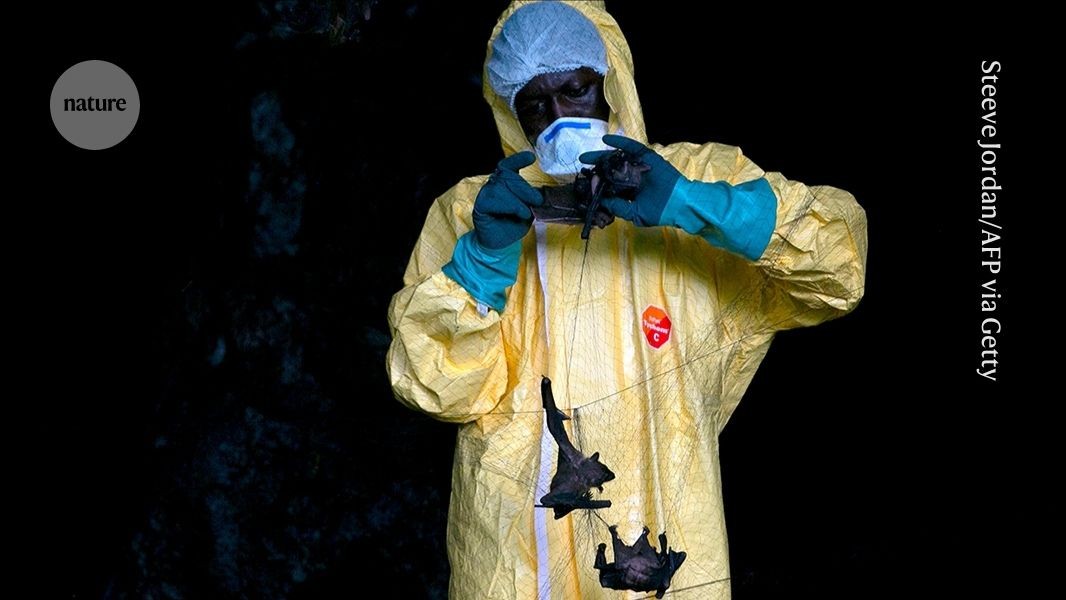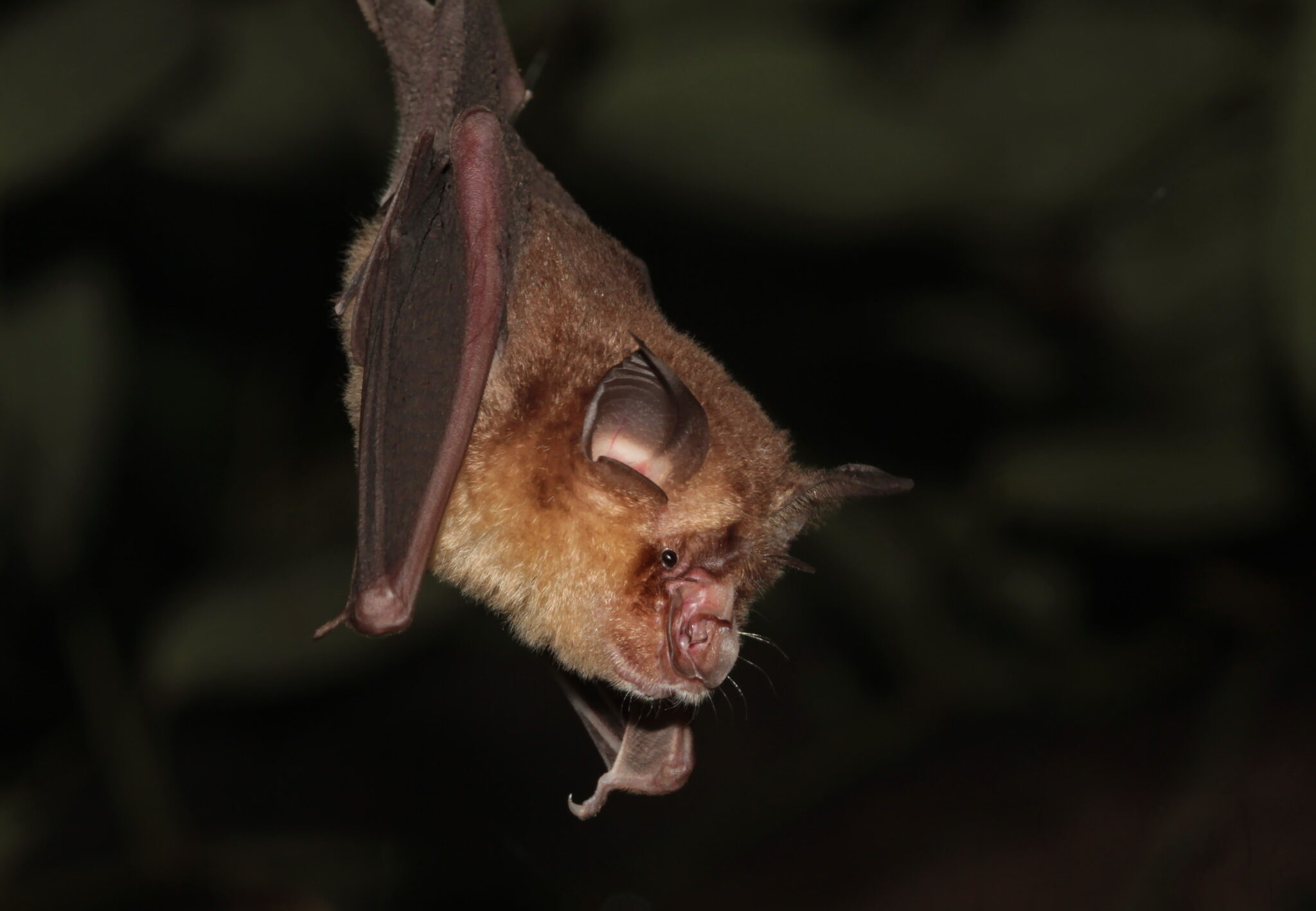
Scientists say they have found the first evidence of bat-linked viruses in commercial fertilizer made from bat guano in Thailand.Bat guano harvested from roosting cave sites is widely used, both commercially and informally, as agricultural fertilizer across many parts of Southeast Asia.While the viral strains detected in the study are not known to infect humans, the research urges the fertilizer industry to introduce stronger safety precautions throughout the supply chain to minimize the risk of zoonotic disease transfer.Experts also note the need to adhere to a “One Health” approach that minimizes disturbance of bat roosts and habitats to maintain safe ecological boundaries between potential zoonotic disease reservoirs and people.
As humans encroach further into ecosystems, people and wildlife are brought into closer proximity. One potential consequence is an increased risk of pathogens jumping from animals to humans, prompting researchers to explore the dynamics of how viruses circulate in nature and how best to prevent the risk of this transmission.
New research from Thailand identified genetic material belonging to Betacoronaviruses, a genus of viruses that includes the strains responsible for Covid-19, SARS and MERS, within commercially available agricultural products, raising concerns over a general lack of safety protocols to protect harvesters and handlers from exposure.