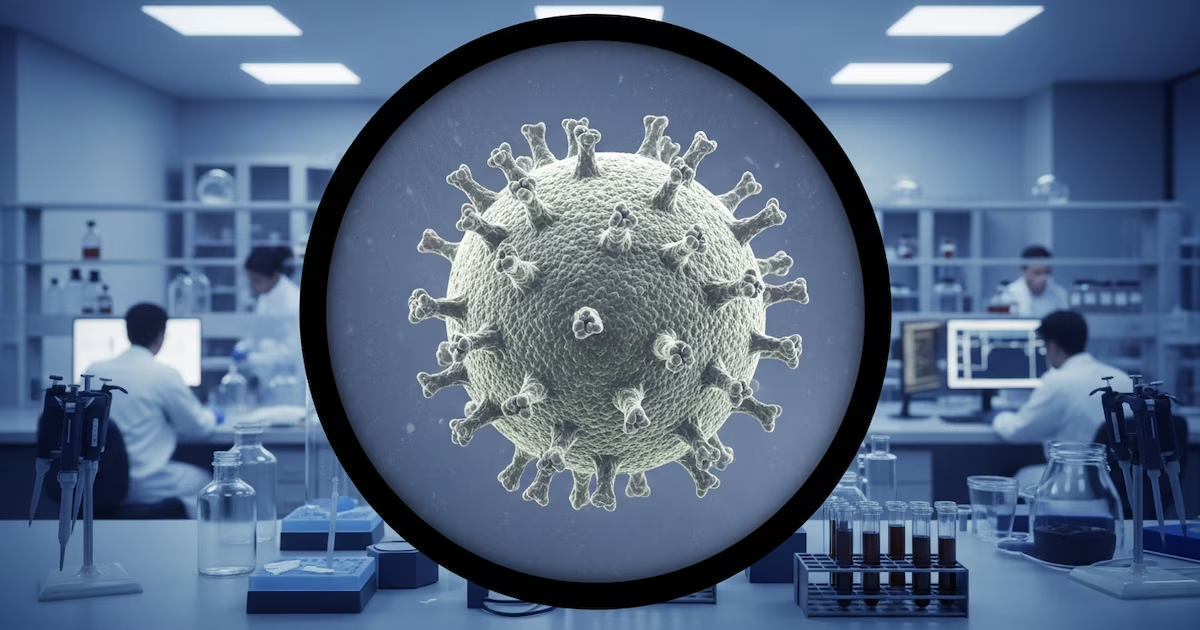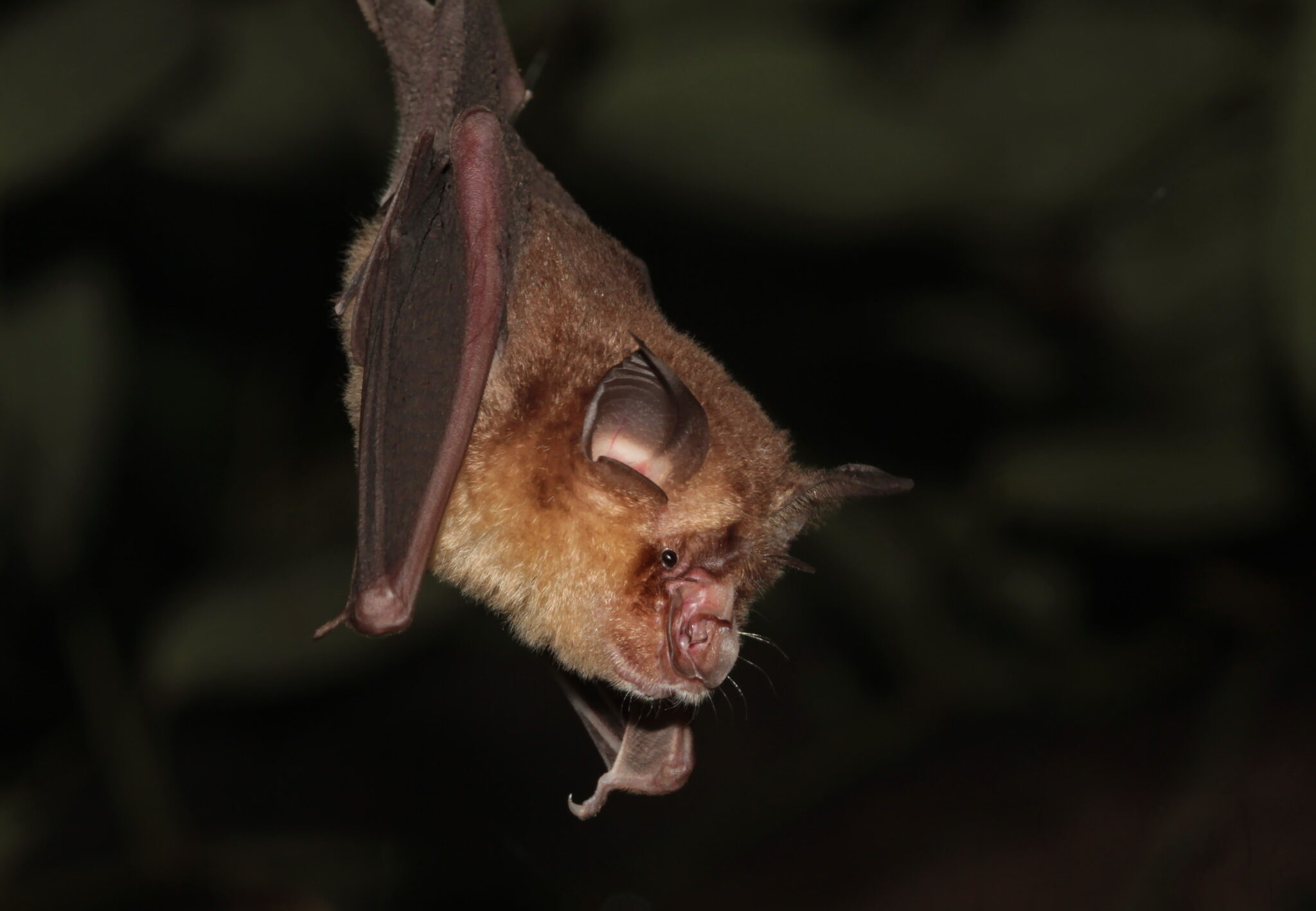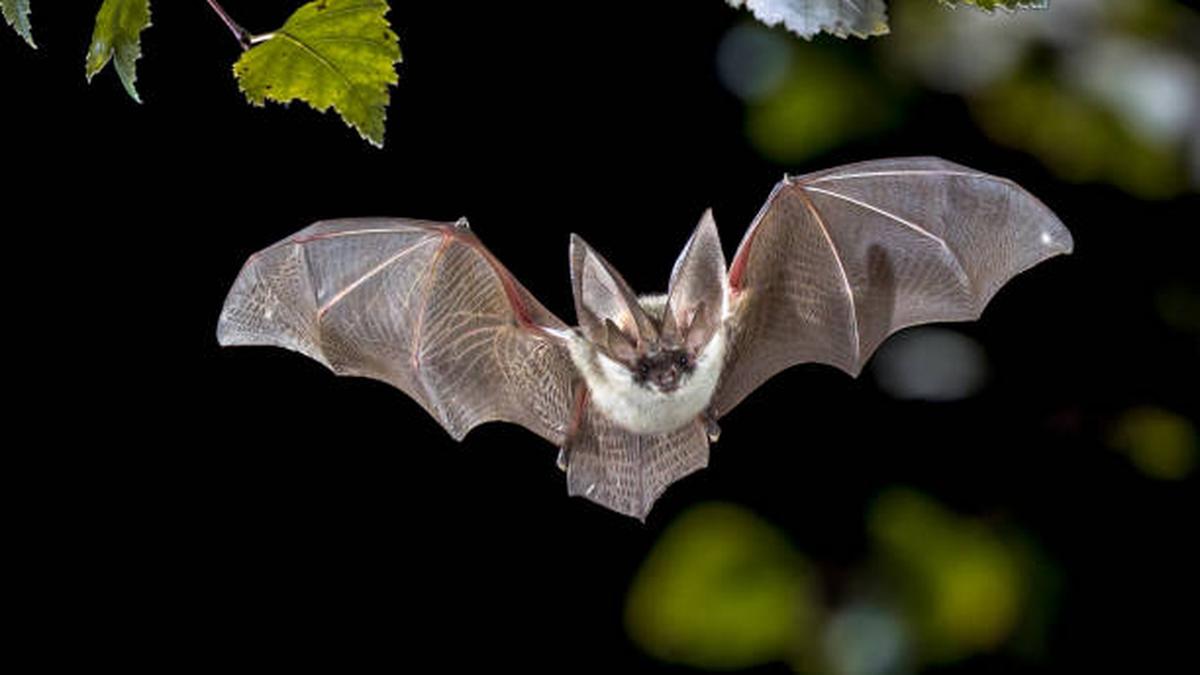
Most pandemics begin when a virus or other pathogen crosses from animals into people. Many scientists believe this is how COVID-19 emerged. The virus responsible for the disease, SARS-CoV-2, is closely related to coronaviruses found in bats.
Now, a team of researchers from the UCSF Quantitative Biosciences Institute (QBI), Icahn School of Medicine at Mount Sinai, Institut Pasteur, and Fred Hutchinson Cancer Center has identified a remarkably small genetic difference that may help explain how some animal viruses adapt to humans and cause serious illness.
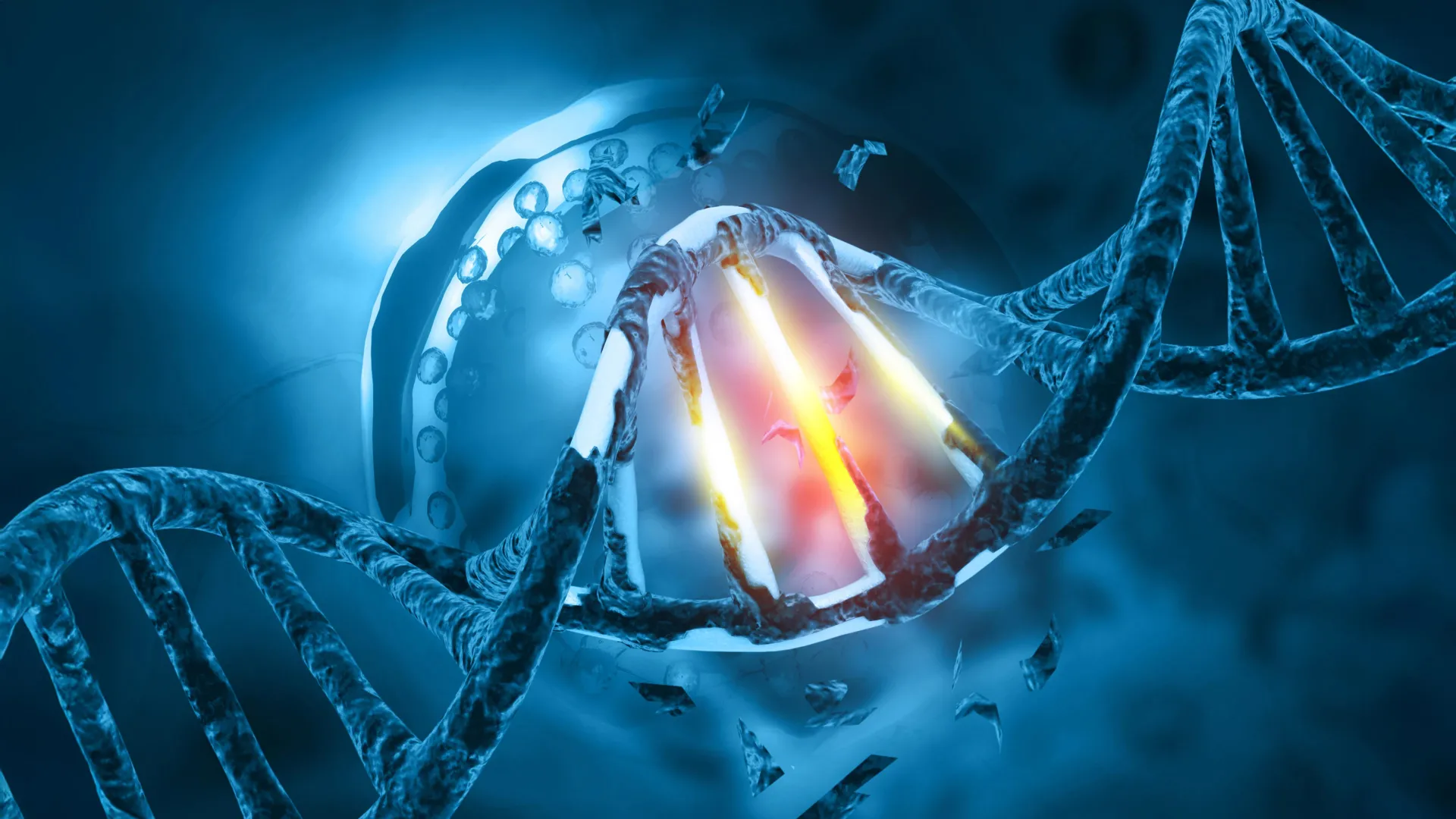
Their findings, published in Cell Host & Microbe, show that changing just one amino acid in a coronavirus protein can alter how the virus interacts with the immune systems of both bats and humans, leading to very different responses to infection.
Tiny Genetic Change, Major Biological Effects
To investigate the process, researchers compared SARS-CoV-2 with RaTG13, a closely related coronavirus that infects bats but has not been known to infect humans.