For the first time, researchers have managed to detect and track in wastewater all the main viruses associated with the development of tumours. A discovery that could open up new prospects for prevention, health surveillance and monitoring of oncogenic infections in the population.
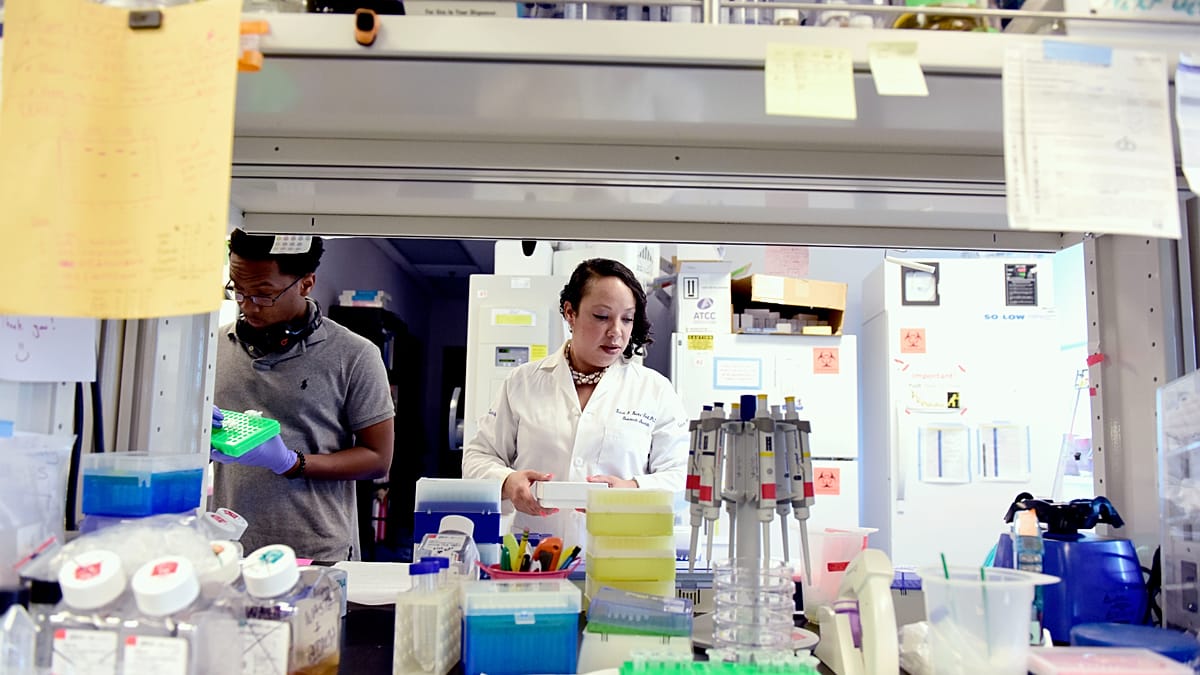
The study, coordinated by Anthony Maresso and Justin Clark of the Baylor College of Medicine and published in the journal Applied and Environmental Microbiology, was carried out in collaboration with the University of Texas Health Science Center at Houston.
The researchers analysed wastewater samples collected between May 2022 and May 2025 at more than 40 sites across 16 cities in Texas, covering around a quarter of the state’s population. For the analysis they used an advanced genetic sequencing technology known as “hybrid-capture”, capable of identifying simultaneously more than 3,000 known human viruses and new possible mutations through a single test.
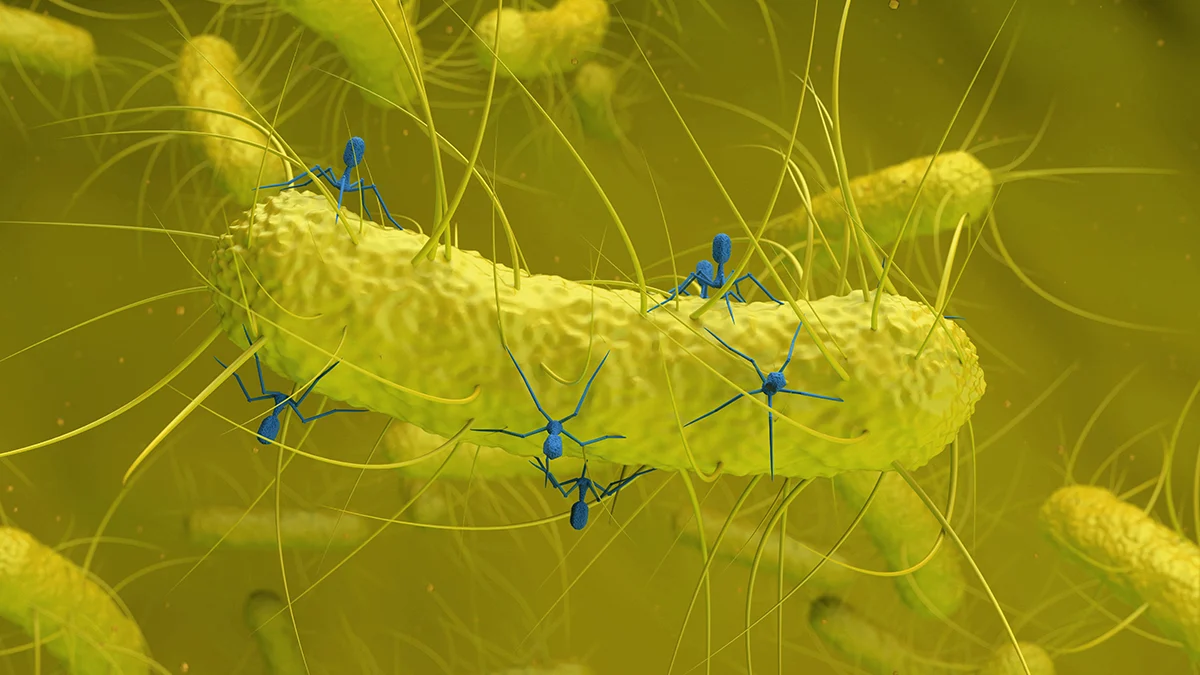
According to the authors of the study, oncogenic viruses may be responsible for around one in five cancers worldwide. Among the best known are human papillomavirus (HPV), associated with cervical and throat cancers, and hepatitis B and C viruses, linked to liver carcinoma.