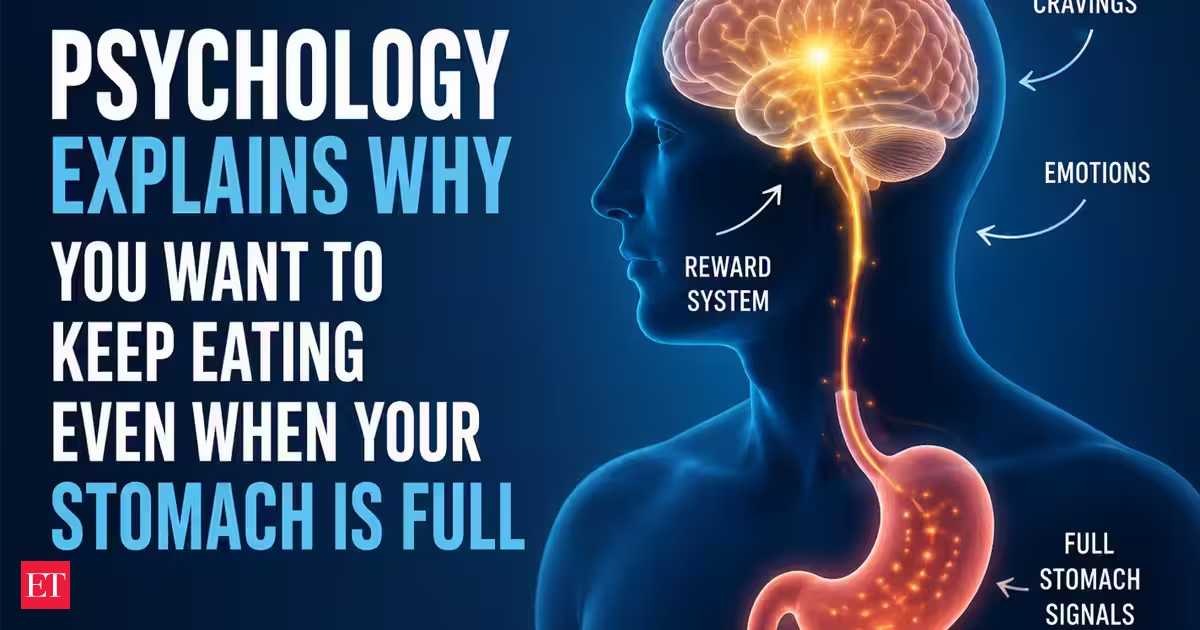
Obesity is a major health problem worldwide and can raise the risk of diabetes, cardiovascular disease, and other metabolic disorders. Many factors can contribute to obesity, but researchers are increasingly interested in the role of high fat foods that are readily available in grocery stores. These foods can be difficult to resist and may encourage people to eat more than they need.
Although overeating might seem like a problem that begins in the stomach, appetite is largely regulated by the brain. Scientists still do not fully understand how dietary fat interacts with the neural systems that control hunger, food intake, and body weight.
A Brain Protein Linked to Appetite Control
To investigate this connection, a research team led by Professor Shigenobu Matsumura of Osaka Metropolitan University's Graduate School of Human Life and Ecology focused on optic atrophy 1 (OPA1). This mitochondrial fusion protein is found in hypothalamic MC4R neurons and plays a role in maintaining mitochondrial function and energy metabolism.
The researchers compared wild-type mice with mice in which OPA1 had been specifically removed from MC4R neurons. To explore how the protein influences appetite and body weight, the animals were given free access to soybean oil as a source of dietary fat.