More than one billion people worldwide now live with obesity, a condition that raises the risk of cardiovascular disease, diabetes, and several types of cancer. Yet losing weight and keeping it off can be extremely difficult. The body does not simply respond to fewer calories in a straightforward way. Signals from the gut, hormones, metabolism, and the brain can all influence hunger, cravings, and weight regain.
One approach that has drawn growing interest is intermittent energy restriction (IER), a form of dieting in which periods of reduced calorie intake are followed by periods of more typical eating. Research published in 2023 suggests that this strategy may do more than reduce body weight. It may also shift the relationship between gut bacteria and brain activity in ways that are closely tied to appetite and food behavior.
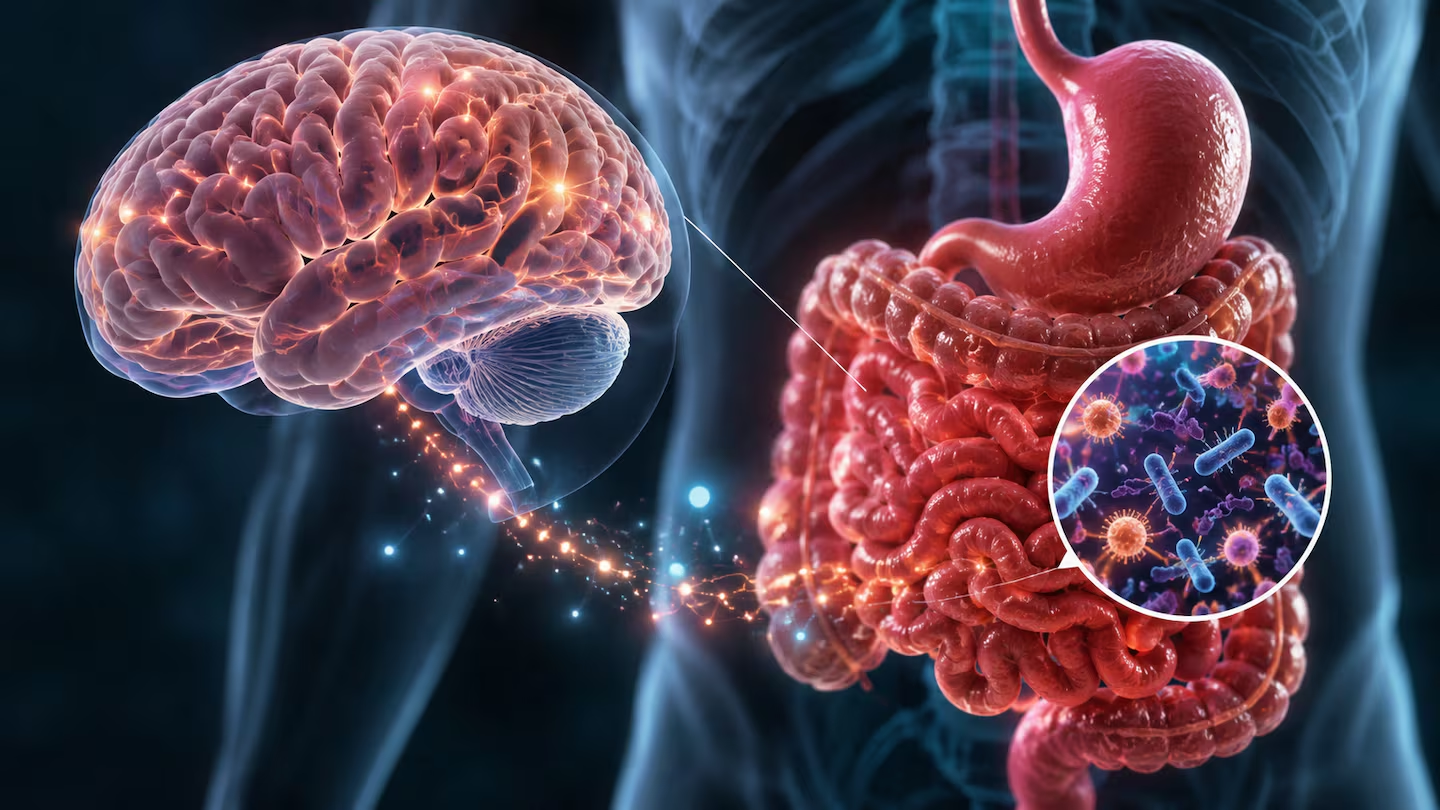
"Here we show that an IER diet changes the human brain-gut-microbiome axis. The observed changes in the gut microbiome and in the activity in addition-related brain regions during and after weight loss are highly dynamic and coupled over time," said last author Dr. Qiang Zeng, a researcher at the Health Management Institute of the PLA General Hospital in Beijing.