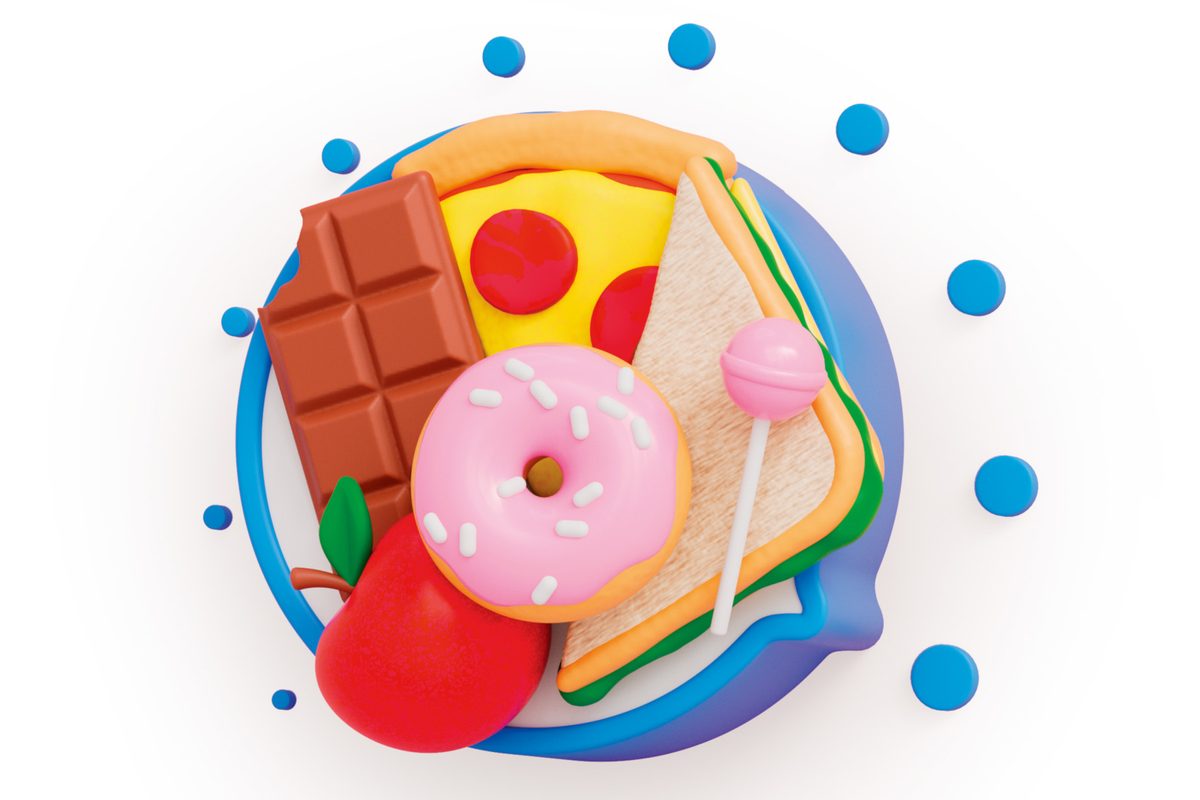
When Bryce Martinez was growing up in Warrington, a small suburb in Pennsylvania, his days were filled with all sorts of delicious snacks: Jell-O, Oreos and Pop-Tarts, among others.
But in 2022 his doctor delivered some devastating news: Martinez, then 16, had developed type 2 diabetes and non-alcoholic fatty liver disease.
Aggrieved, the teenager decided to take the matter to court. Two years later, he sued Kraft Heinz, Coca-Cola, Nestlé and eight other ‘Big Food’ companies, accusing them of deliberately engineering and marketing ‘addictive’ products to children, causing chronic disease.
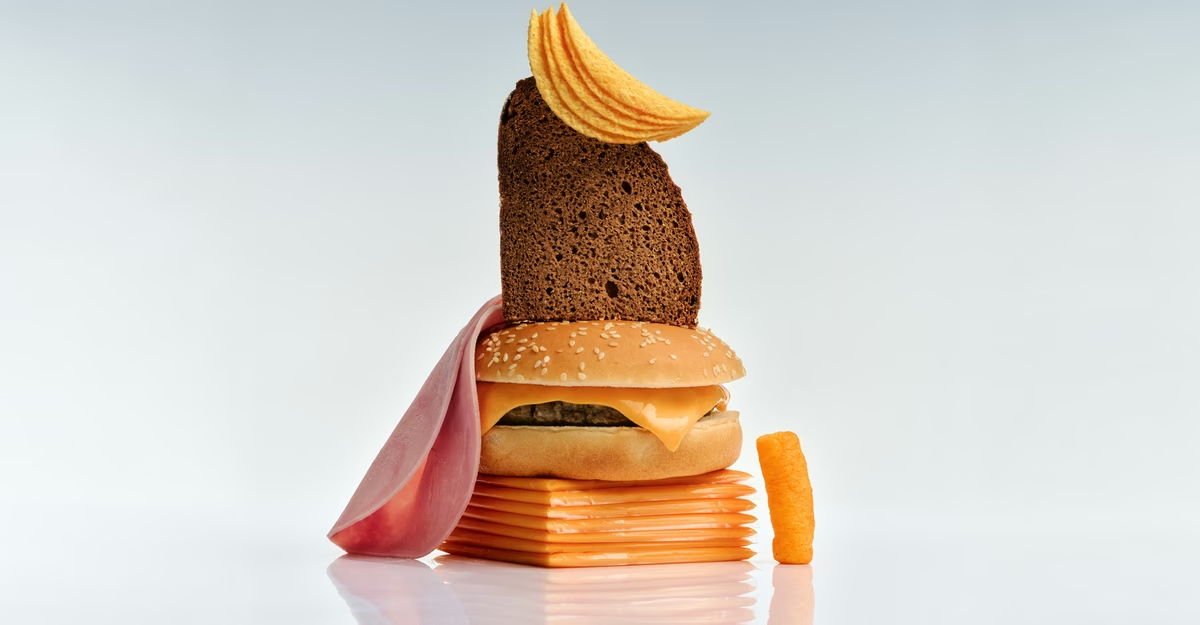
The first-of-its-kind case cited alarming statistics: ultra-processed foods – those high in sugary, salty, savoury, creamy or crunchy qualities – now make up 55 per cent of the US diet, climbing to 67 per cent among teenagers.
Similar figures are reported in the UK, at 57 and 66 per cent, respectively. And all around the globe, consumption of ultra-processed foods is on the rise.