Eating is about far more than simply getting enough calories. The body must also obtain the right balance of nutrients, especially essential amino acids, which are the building blocks of protein that the body cannot produce on its own.
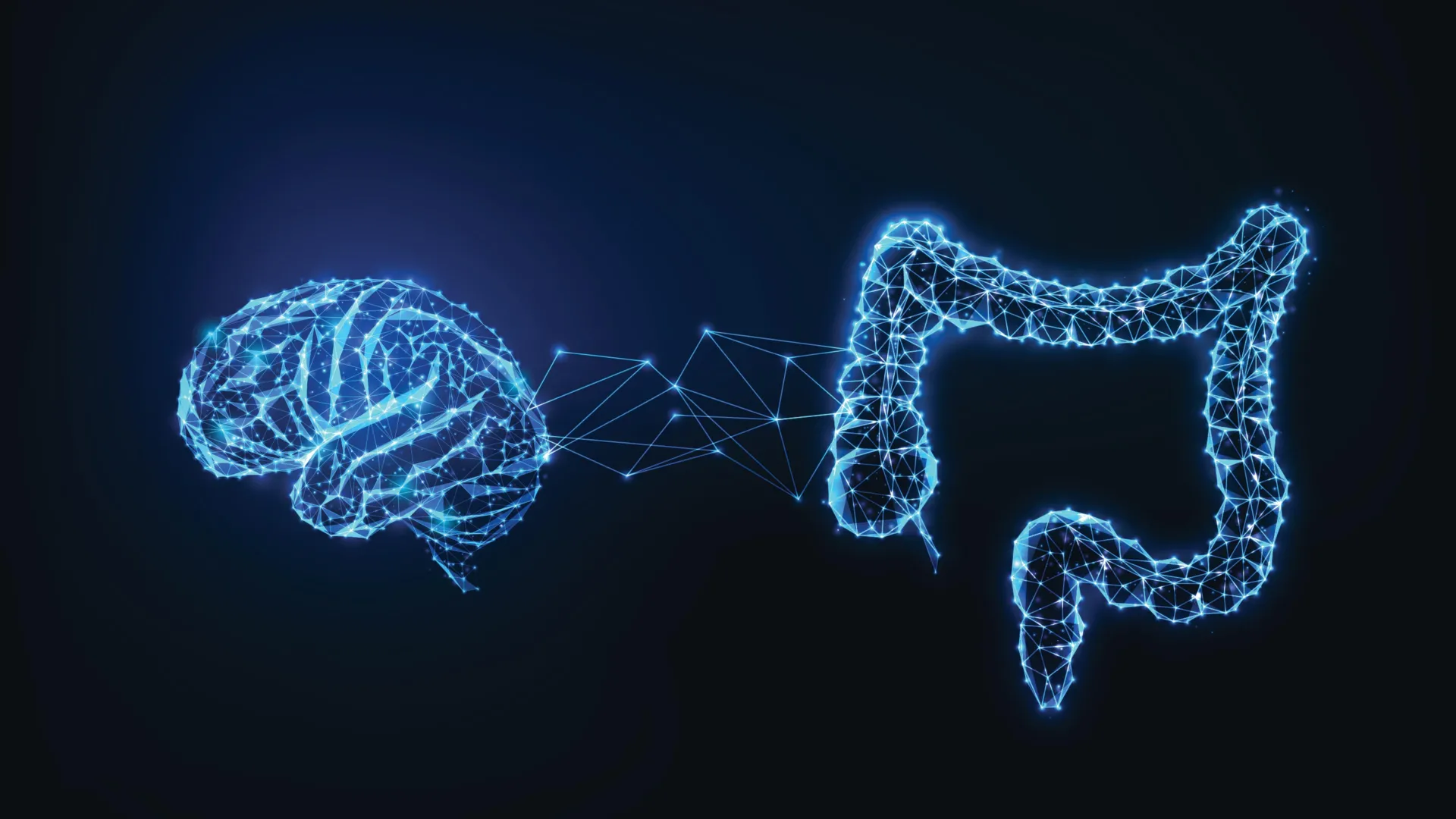
Now, researchers have uncovered a hidden communication system between the gut and brain that helps animals detect when protein is missing and pushes them to seek out the nutrients they need.
A team led by Director SUH Seong-Bae of the Center for Microbiome-Body-Brain Physiology at the Institute for Basic Science (IBS), working with scientists from Seoul National University and Ewha Womans University, identified a previously unknown gut-brain signaling network that rapidly changes feeding behavior when protein levels drop.
The findings were published in the journal Science on May 21.
How the Gut Detects Protein Deficiency