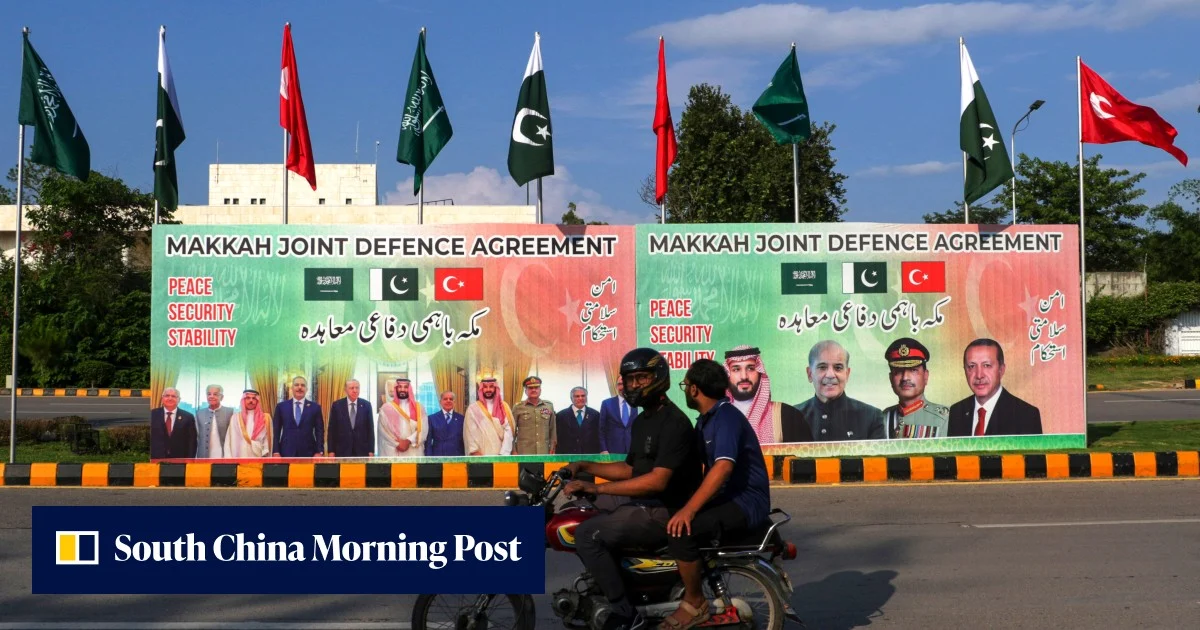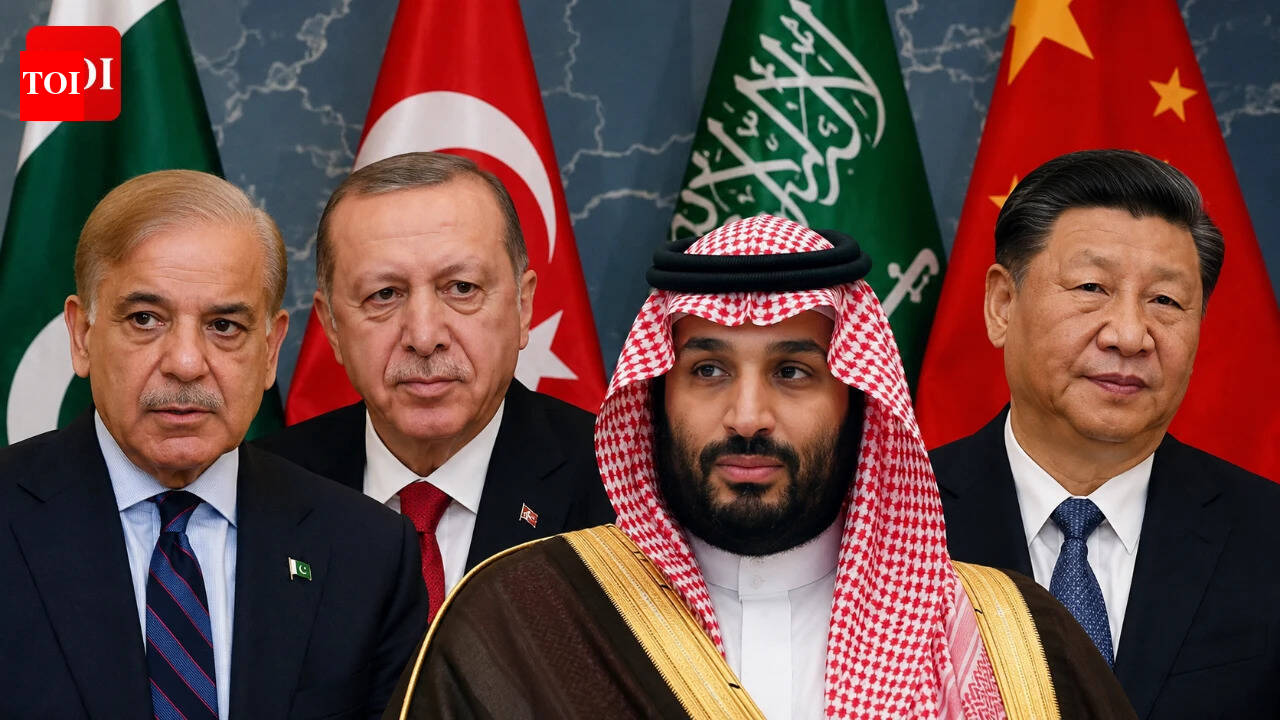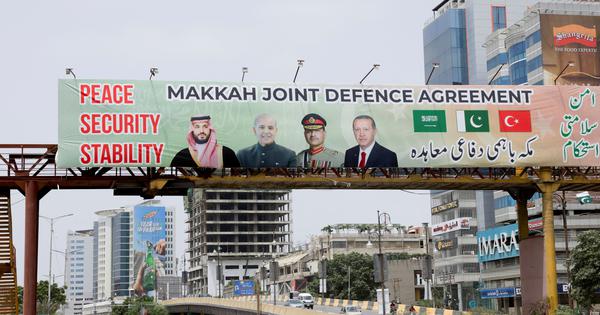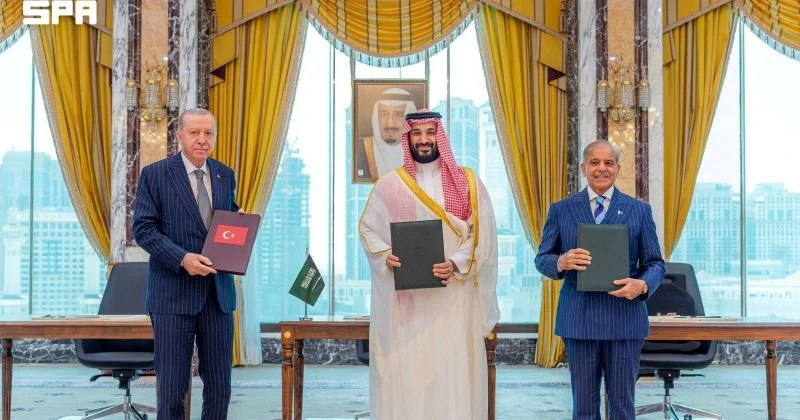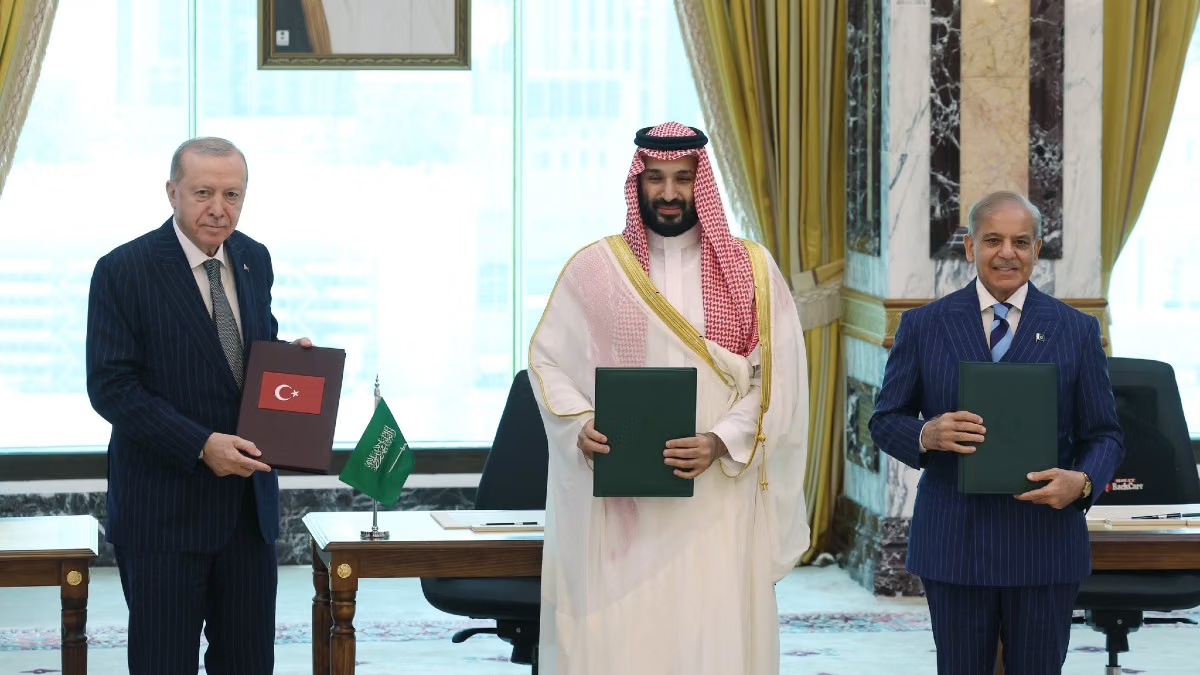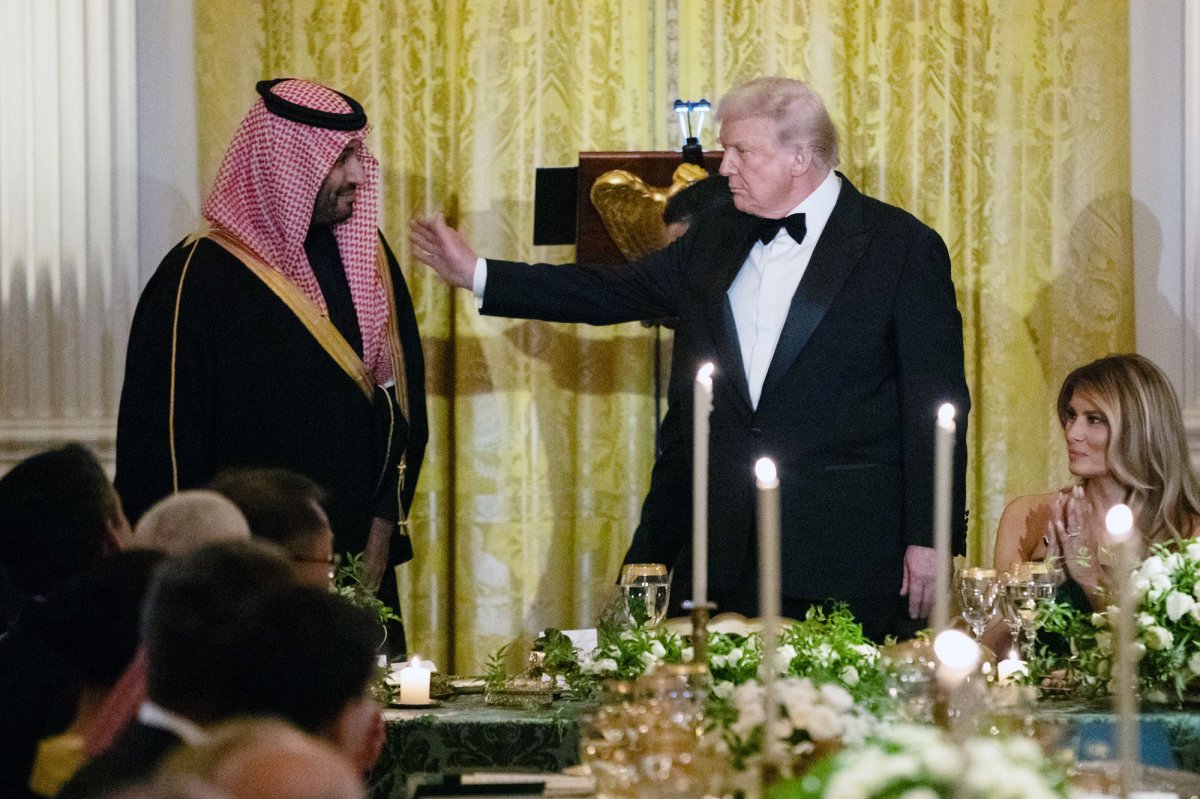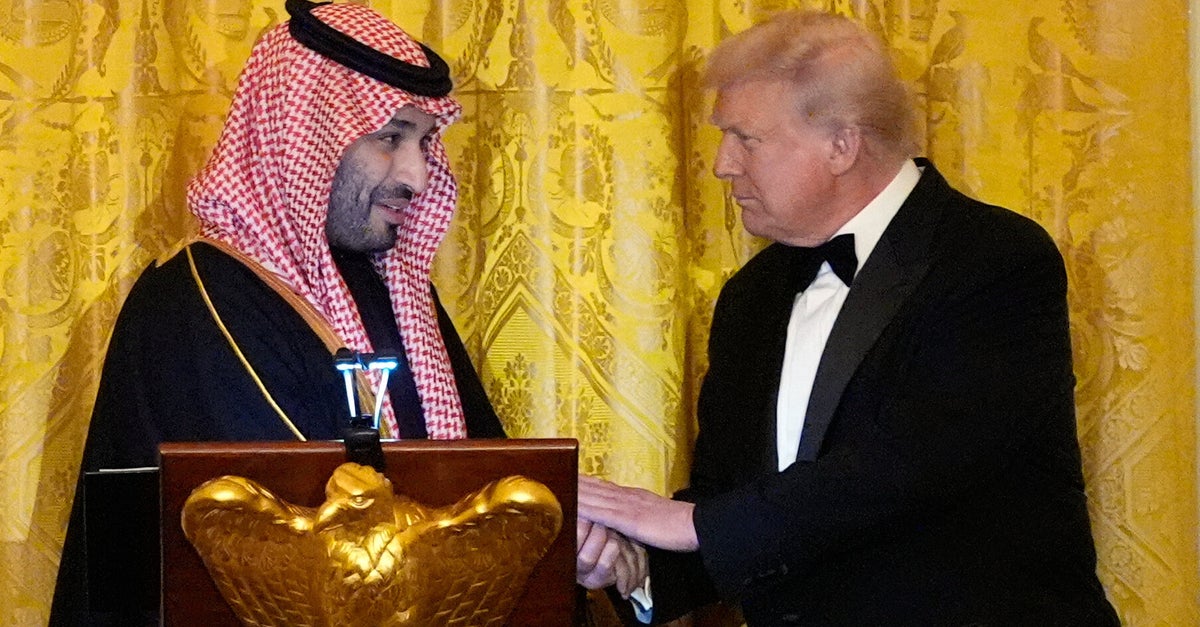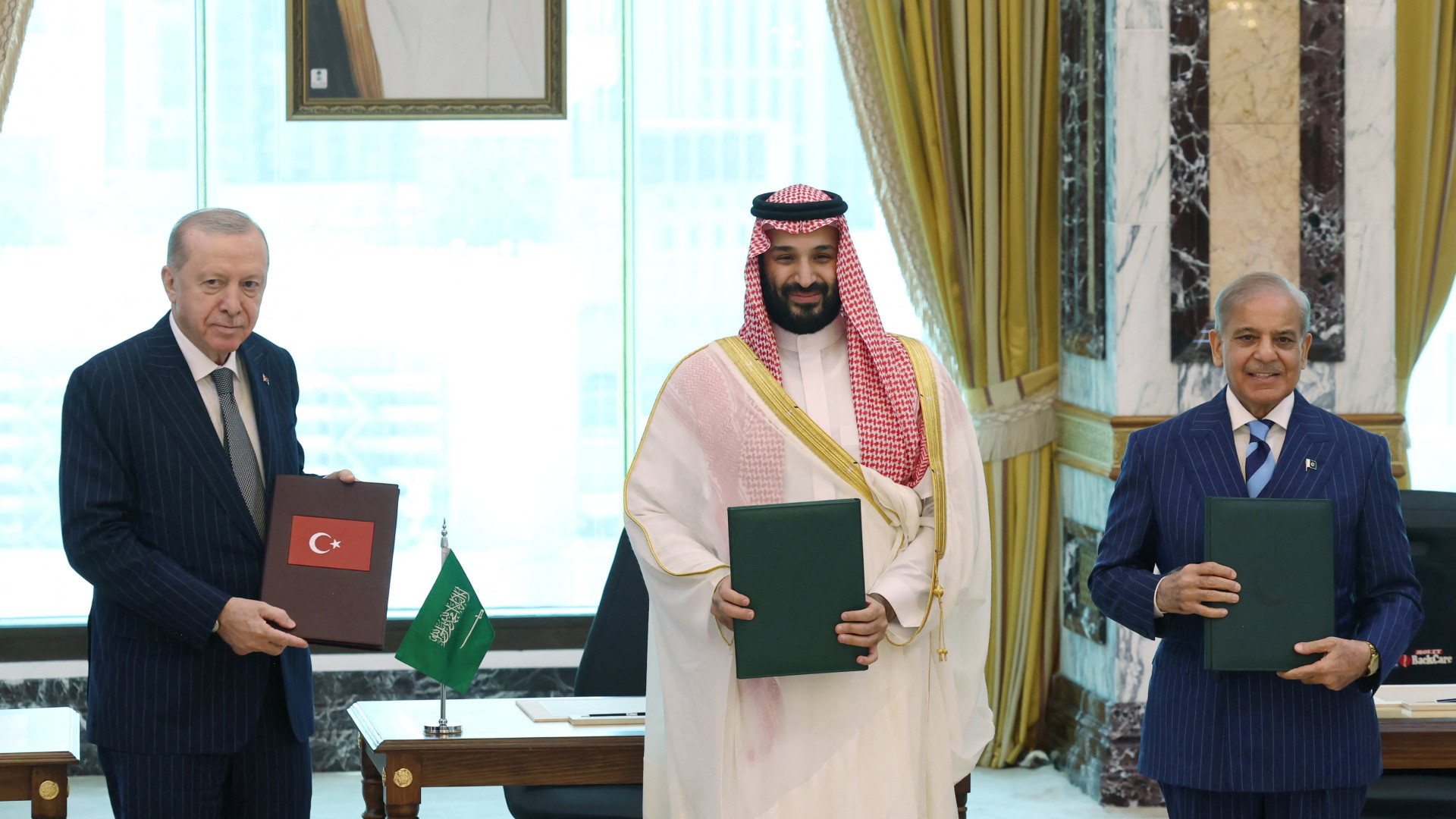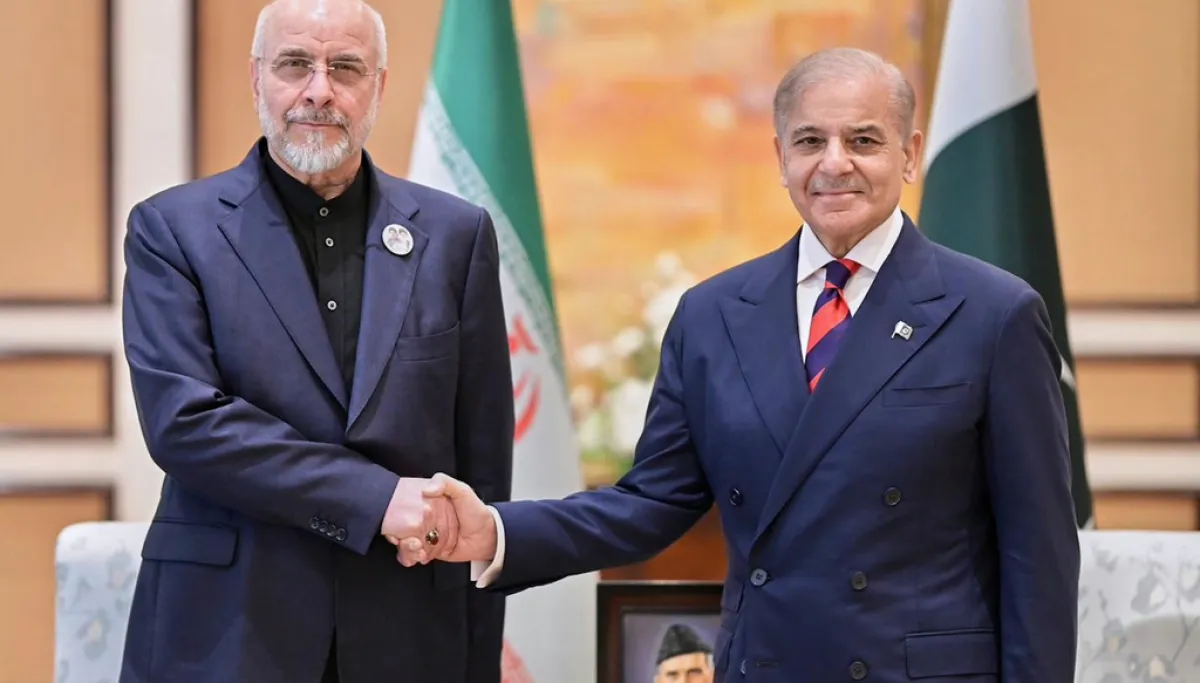
Major non-NATO ally status bestows privileges on countries that are not NATO members but are considered crucial allies. At present, the United States recognizes nearly two dozen such countries, ranging from Australia and New Zealand to Japan and South Korea. The status is not only a diplomatic honor but one that comes with real advantages. It opens the door to priority deliveries of military goods and the right to buy certain advanced technology unavailable to other countries, the ability to join Department of War research products, and qualification to conduct often lucrative maintenance work on U.S. bases.China is today America’s greatest military rival. Its espionage and cyberhacking have stolen hundreds of billions of dollars of advanced U.S. military technology. While every president from President George H.W. Bush to Barack Obama spoke of China as a possible partner rather than a rival and sought to co-opt Beijing, President Donald Trump’s first term left a legacy of establishing a bipartisan consensus that China was an adversary. Trump has not reversed this. While his detractors feared President Xi Jinping might sweet-talk Trump during the China summit to strike a deal in which Trump would sacrifice Taiwan’s defense, Trump held firm. Certainly, Trump does not consider China an ally.While the question about whether Trump considers China a major non-NATO ally might then seem ridiculous, the problem is that an increasing number of major non-NATO allies flirt with, if not tilt toward, Beijing.
End major US ally status for China cronies, Saudi Arabia and Pakistan
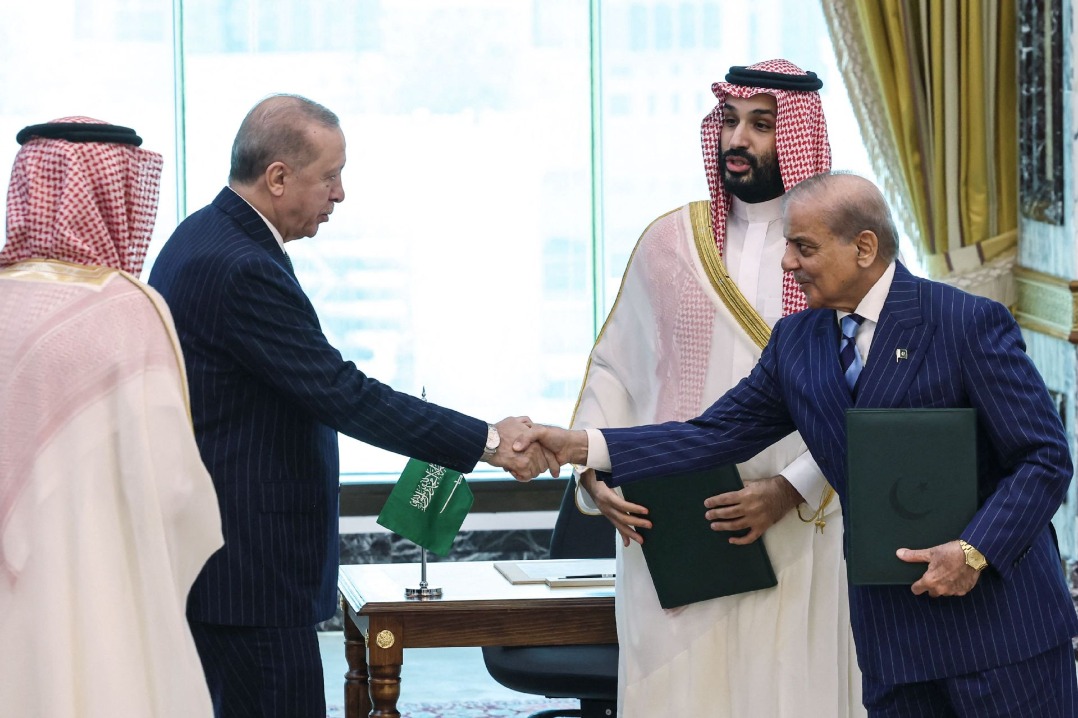
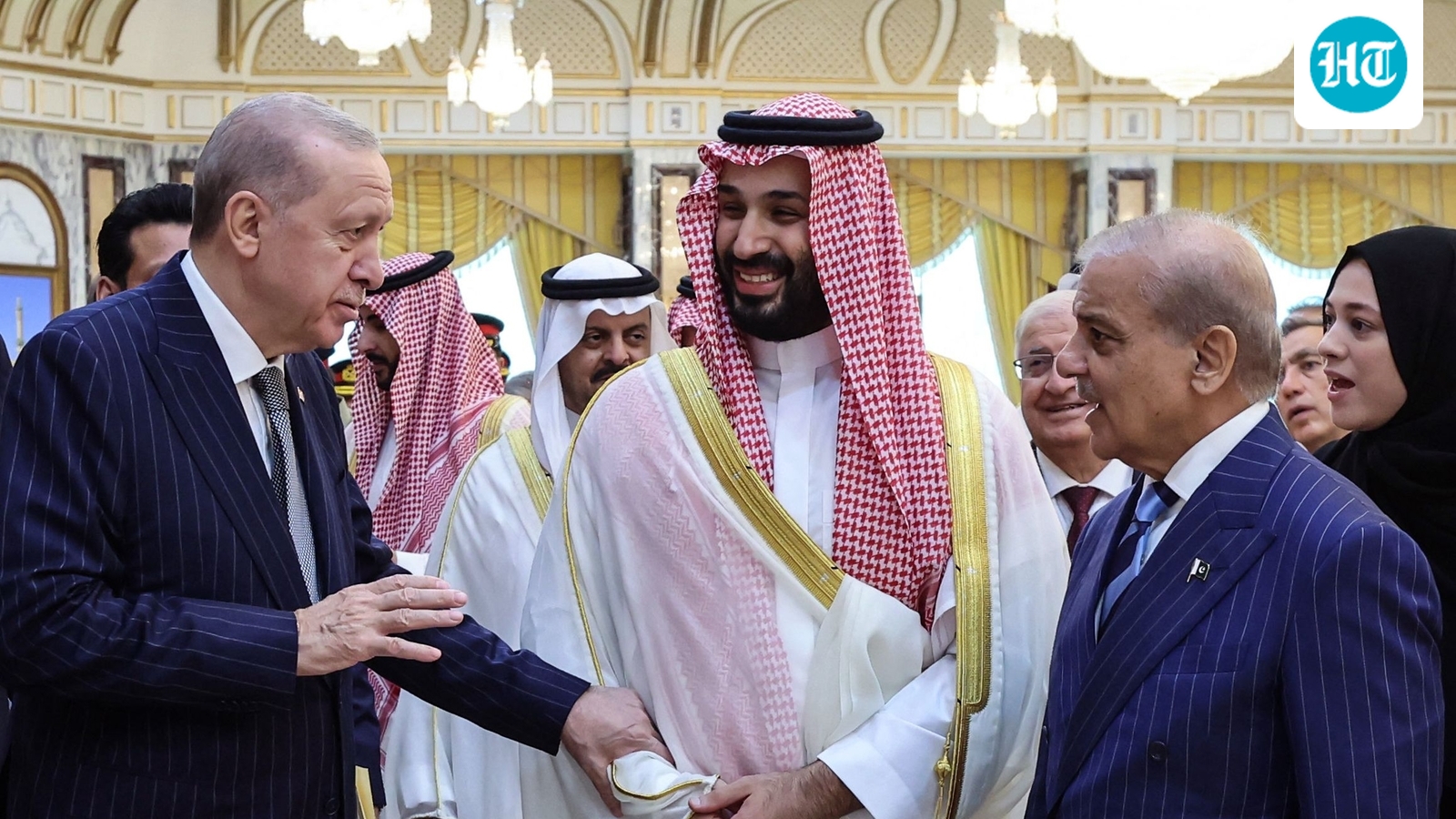
Considering their close relations with China, Donald Trump should revoke major non-NATO ally status from Saudi Arabia and Pakistan.
631 words~3 min read