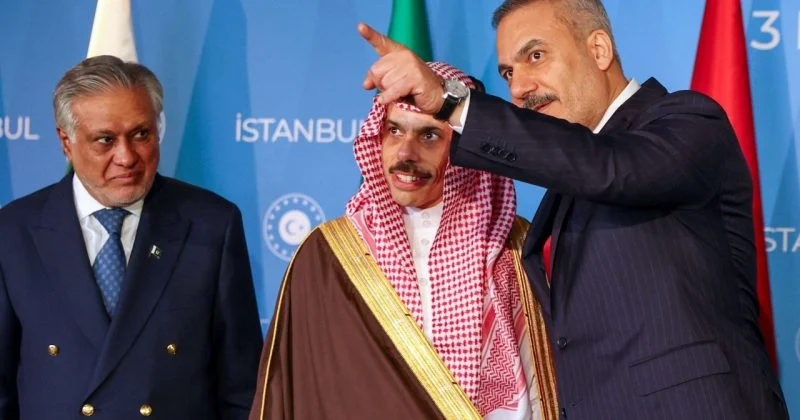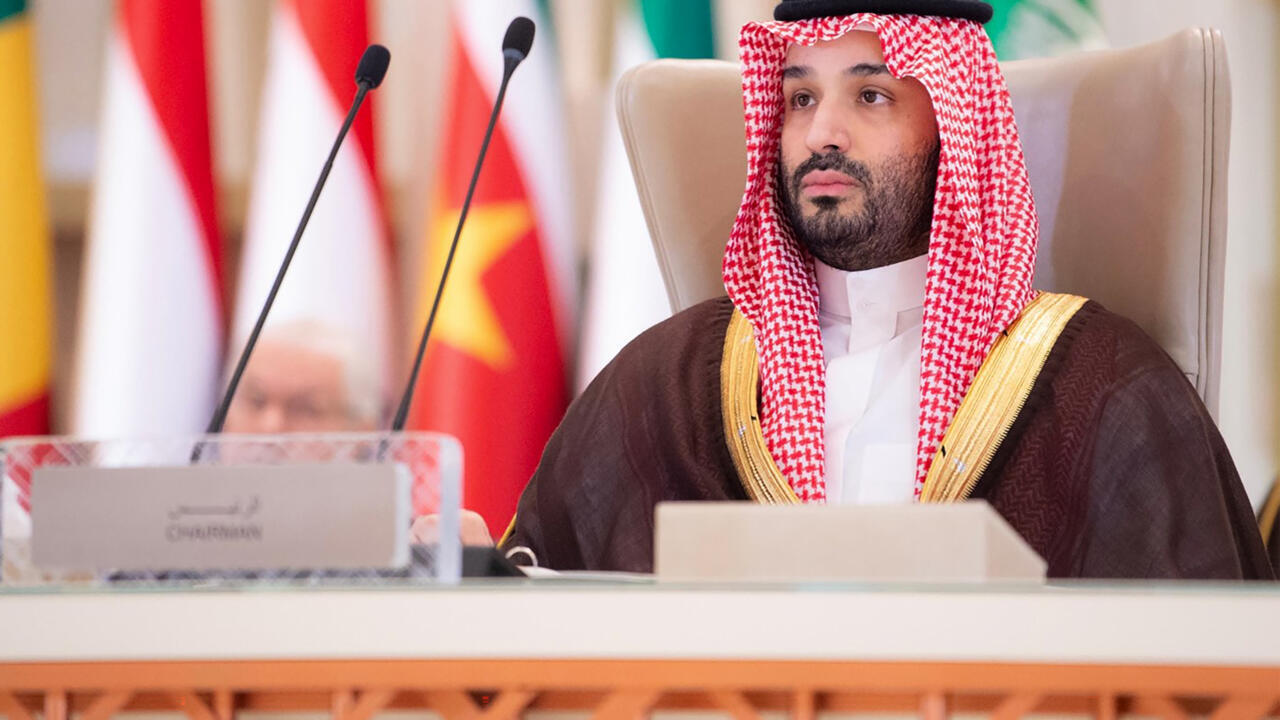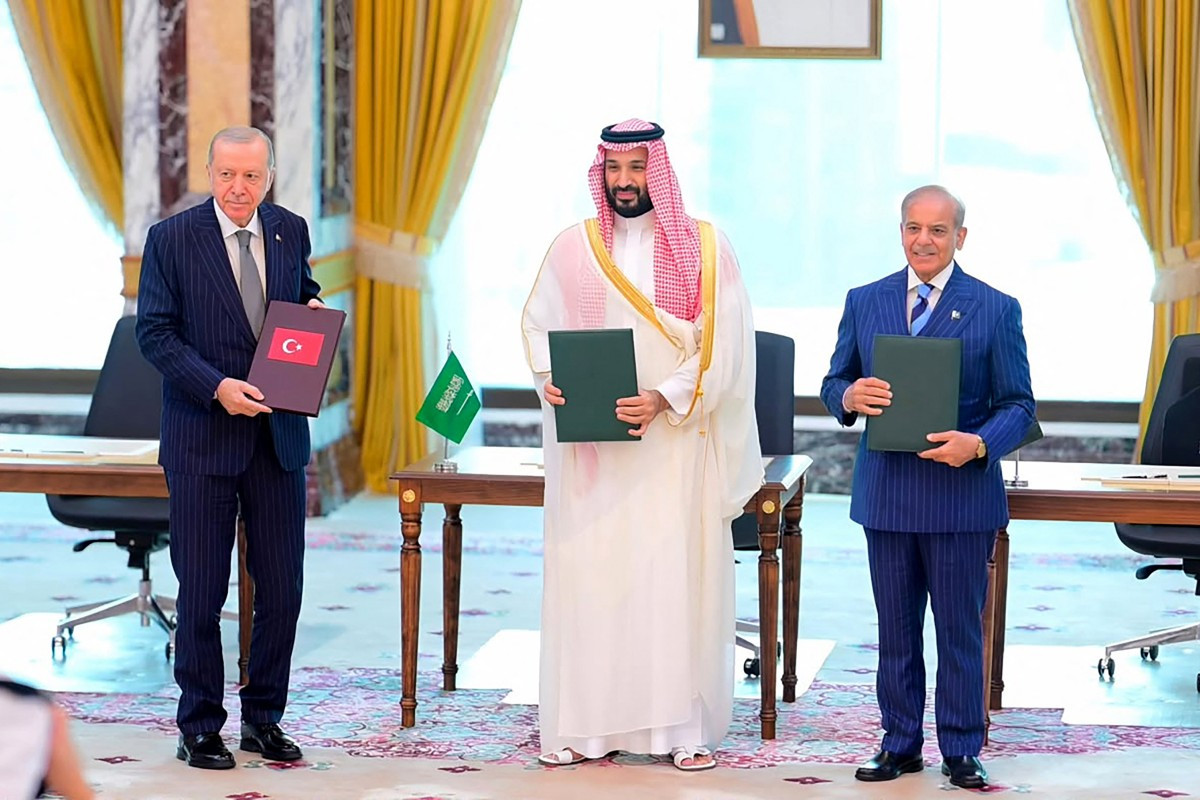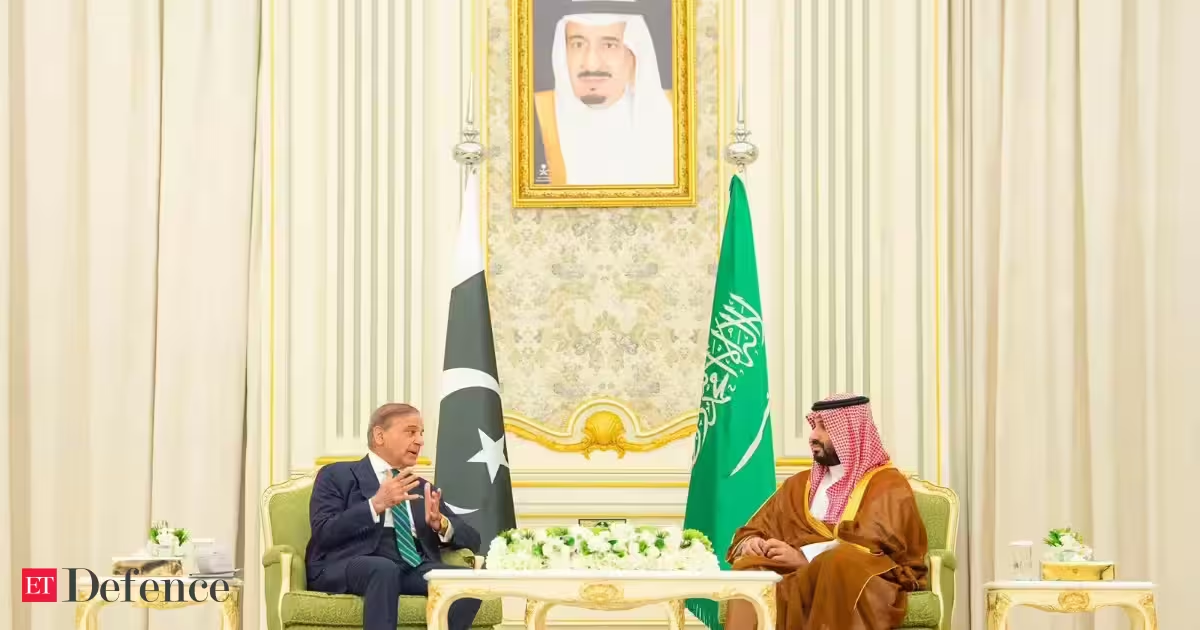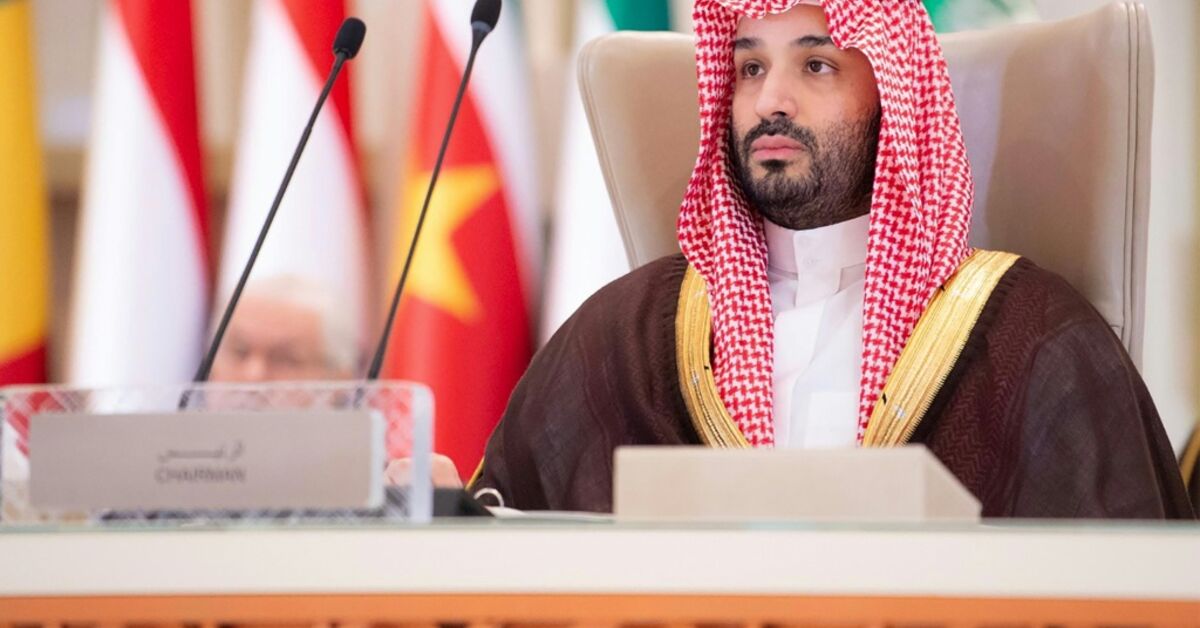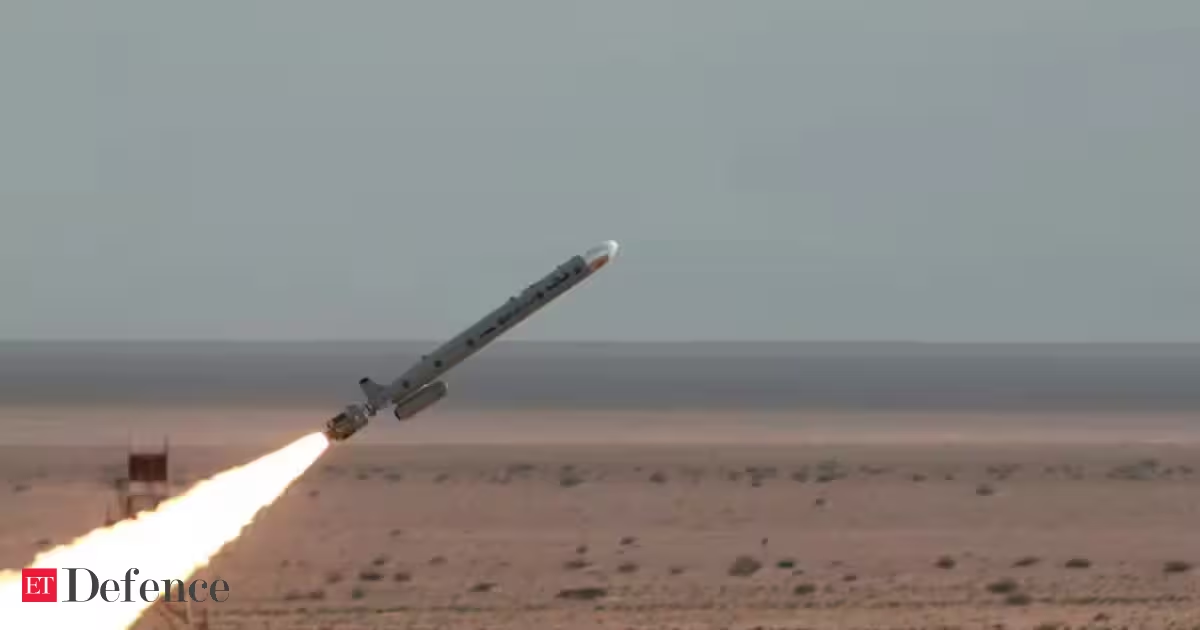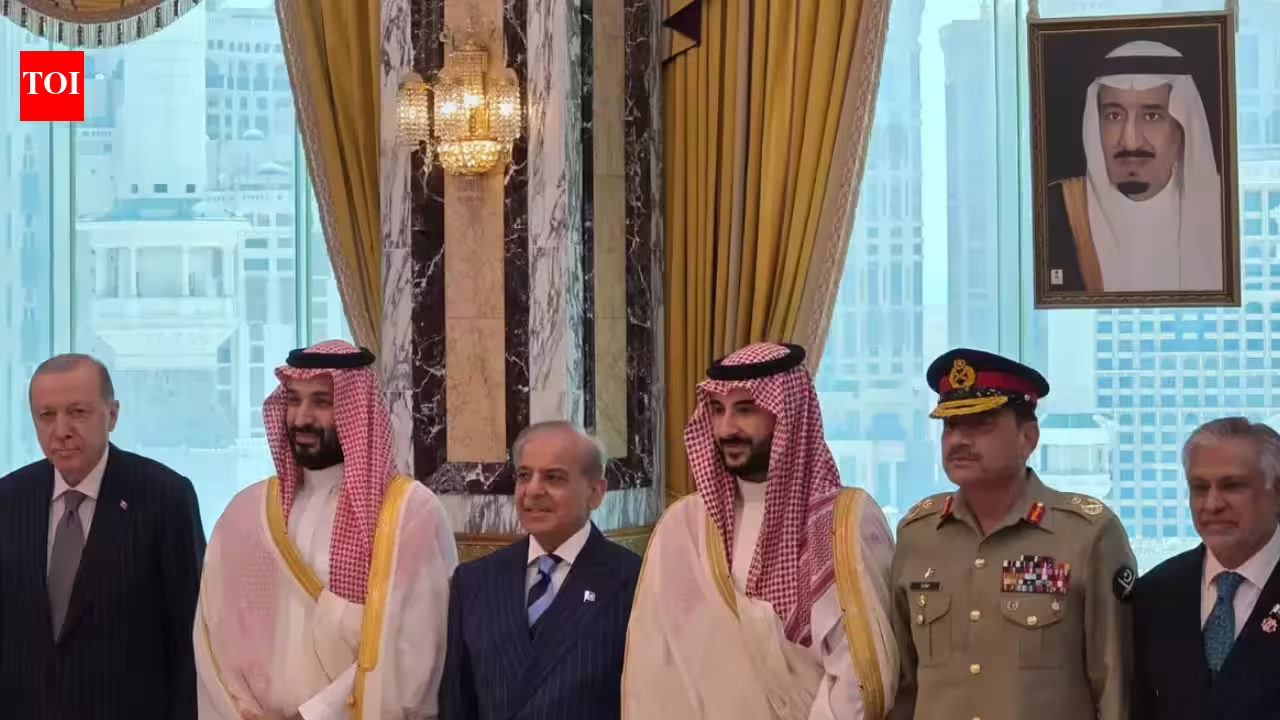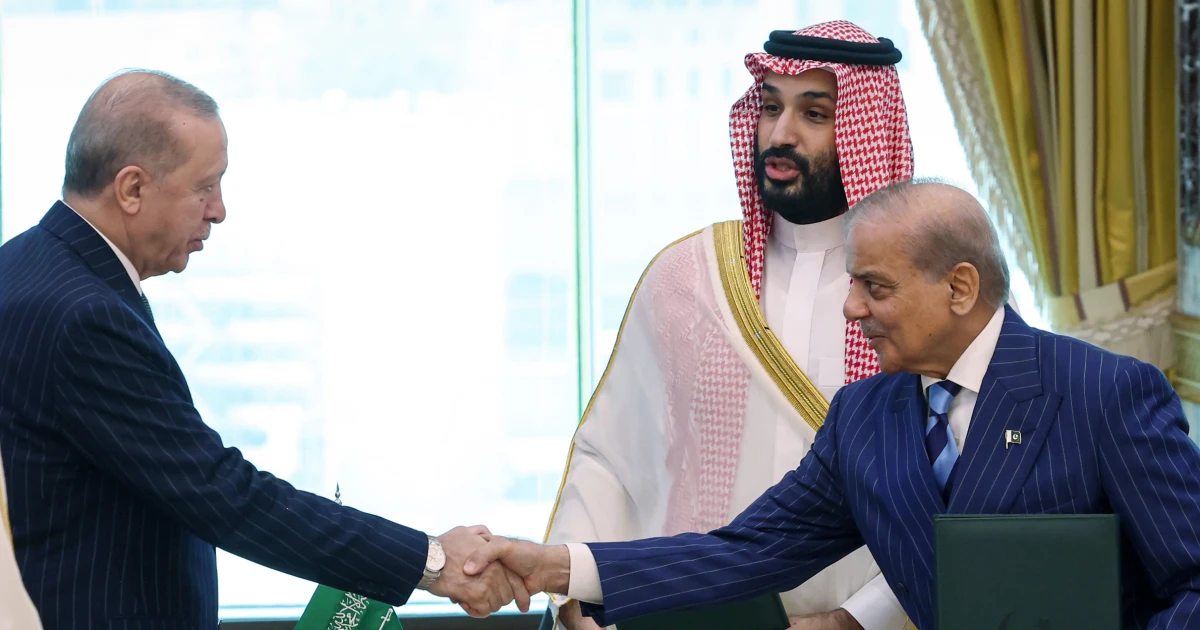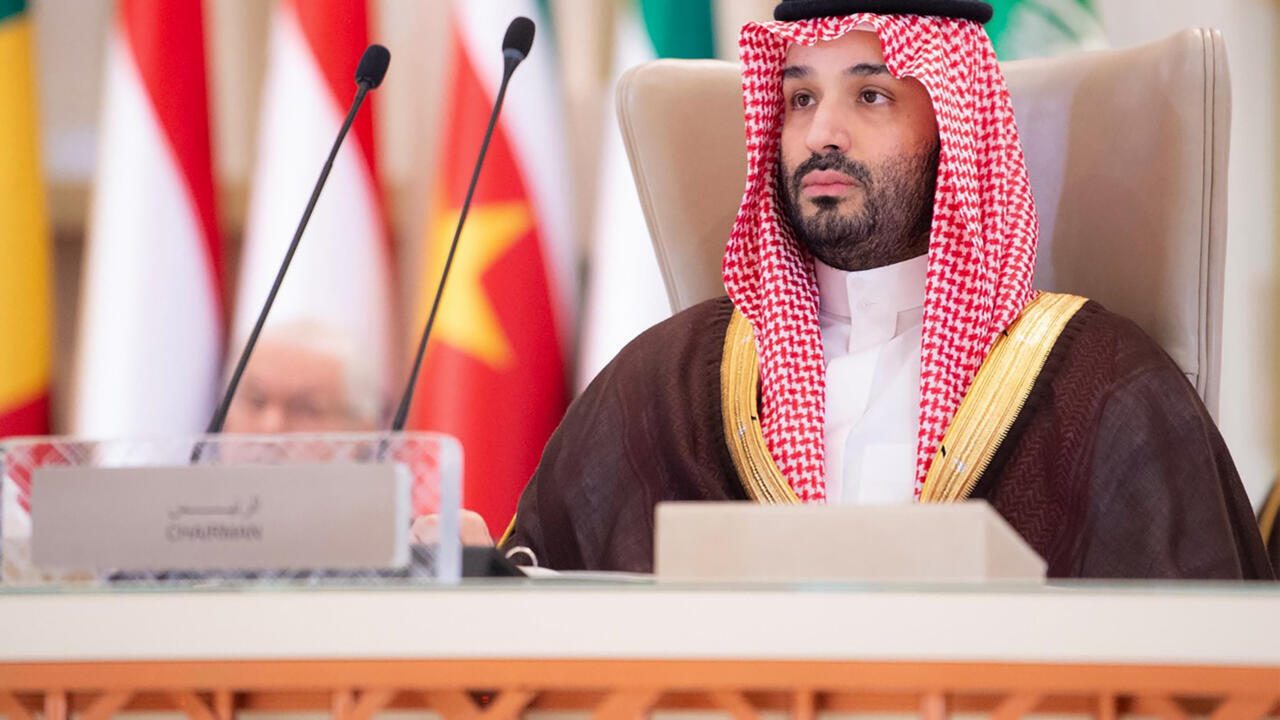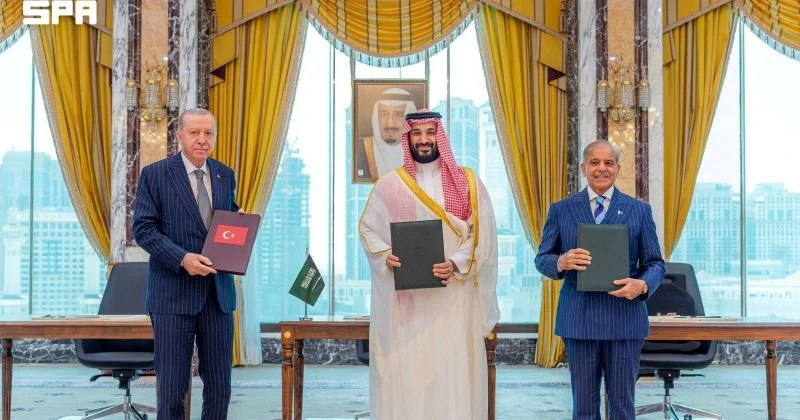
Saudi Arabia, Pakistan, and Turkiye have formed a defense pact amid a complex geopolitical landscape in the Middle East. This move is seen as a part of a broader regional security realignment, sparking mixed reactions, particularly from Iranian officials who question its security assurances. Meanwhile, Iran and Oman have agreed on a framework concerning the Strait of Hormuz, a critical global shipping lane, though the details remain to be finalized. Concurrently, the conflict in Yemen has intensified, with government forces and Houthi rebels engaging in renewed hostilities.
Markets appear to interpret these developments as increasing regional tensions, which could affect the likelihood of a US-Iran agreement on the Hormuz framework. Current odds for an agreement by August 15 have decreased from 40% to 32.5%, and by August 31, from 56% to 49%. The pricing trend suggests that the defense pact and the skepticism from Iranian officials may be seen as complicating diplomatic efforts.
In the context of US-Iran relations, market odds for a diplomatic meeting by August 31 stand at 40.5%, reflecting a cautious outlook, while the likelihood of such a meeting by September 30 is priced higher at 69.5%. These figures indicate a potential expectation of a diplomatic shift following the recent developments.