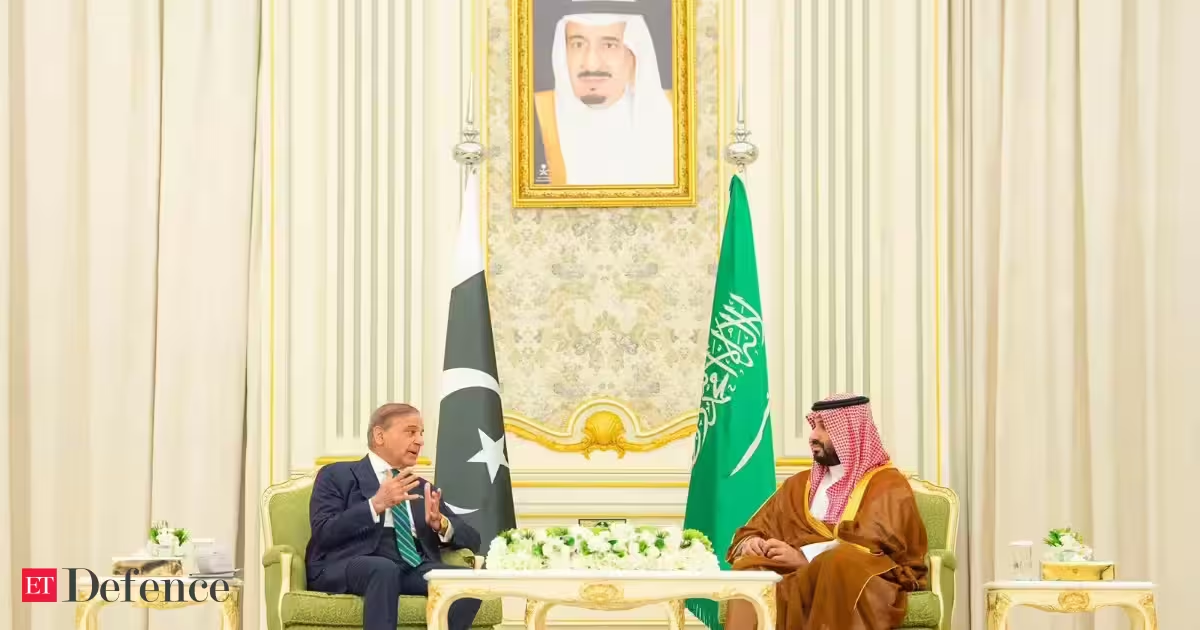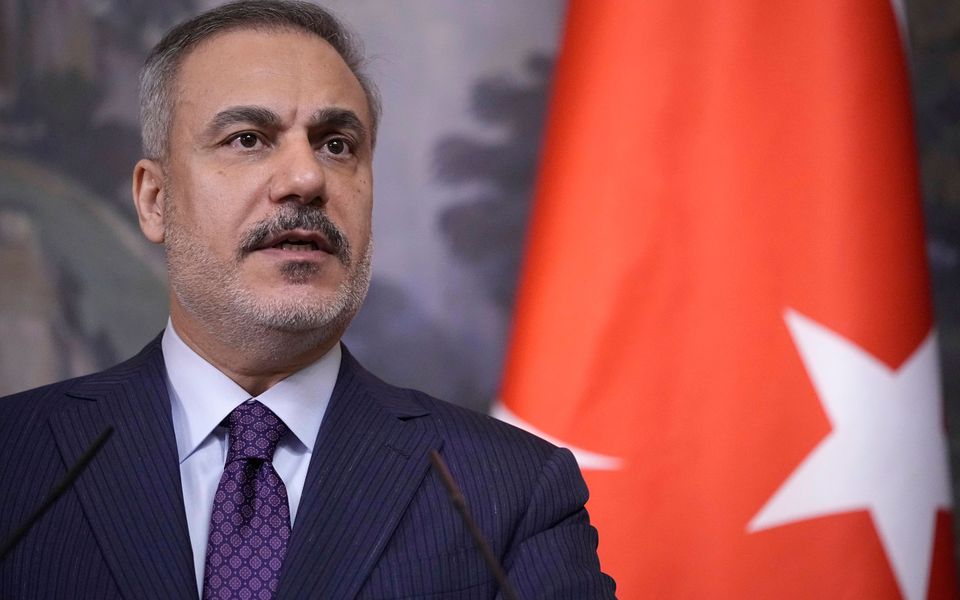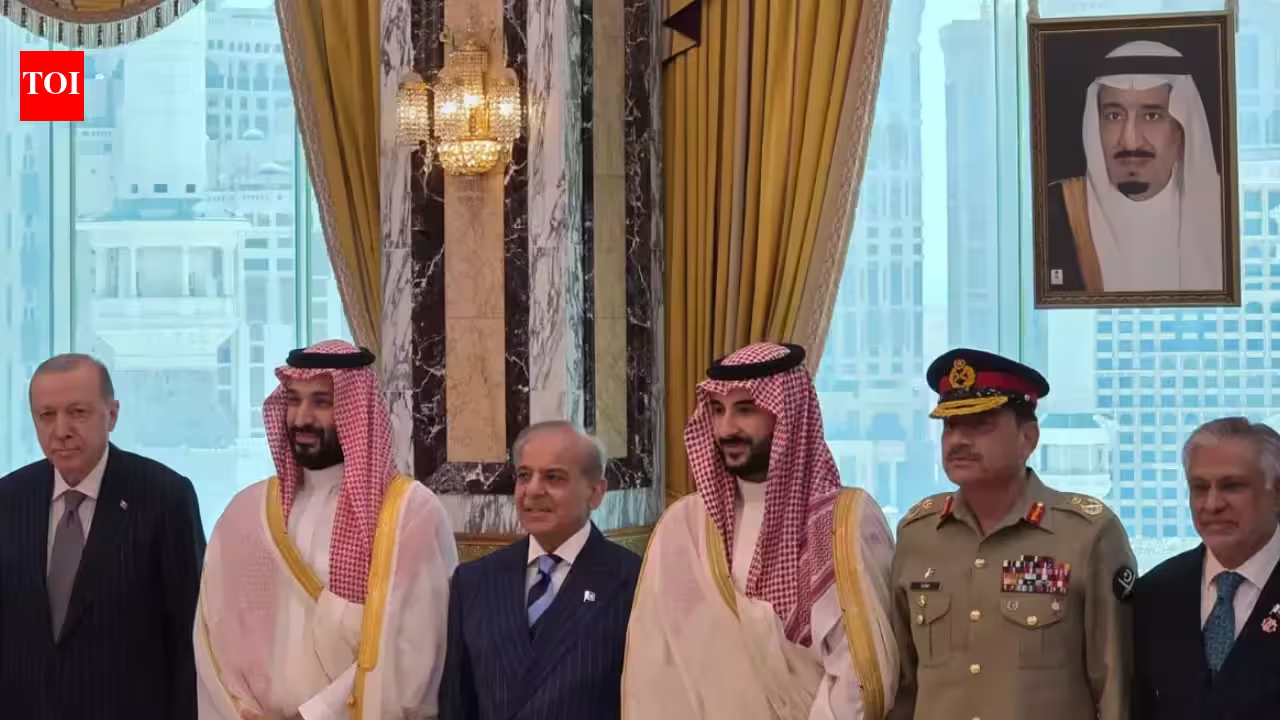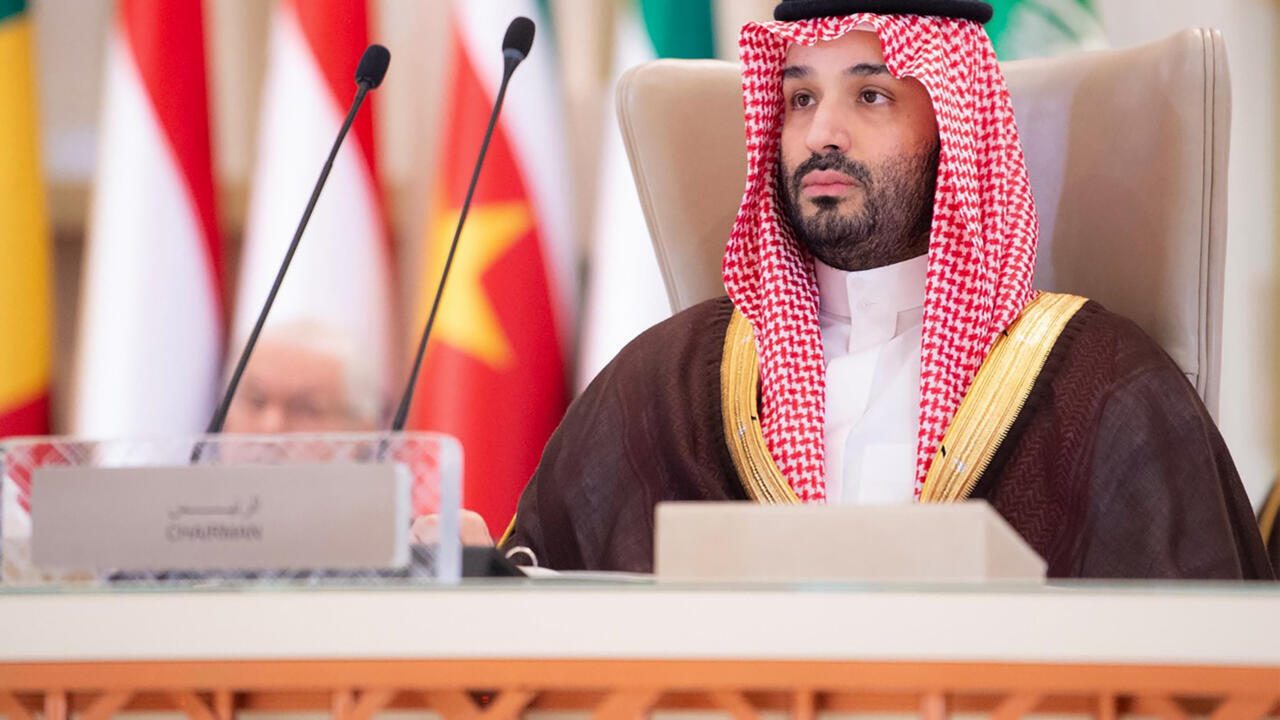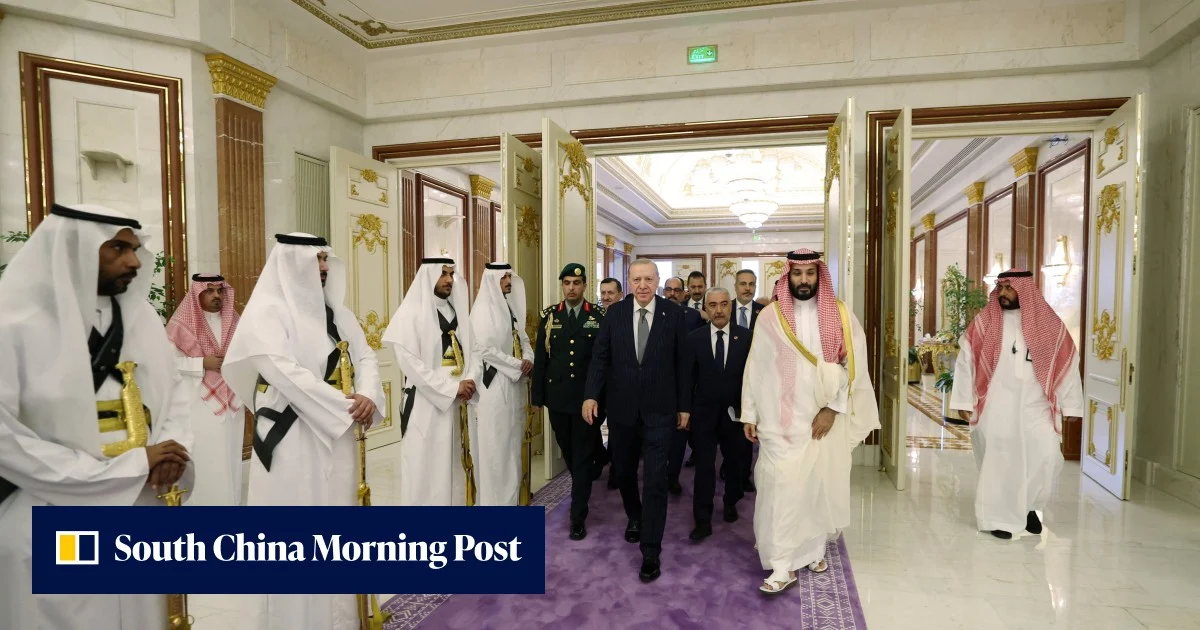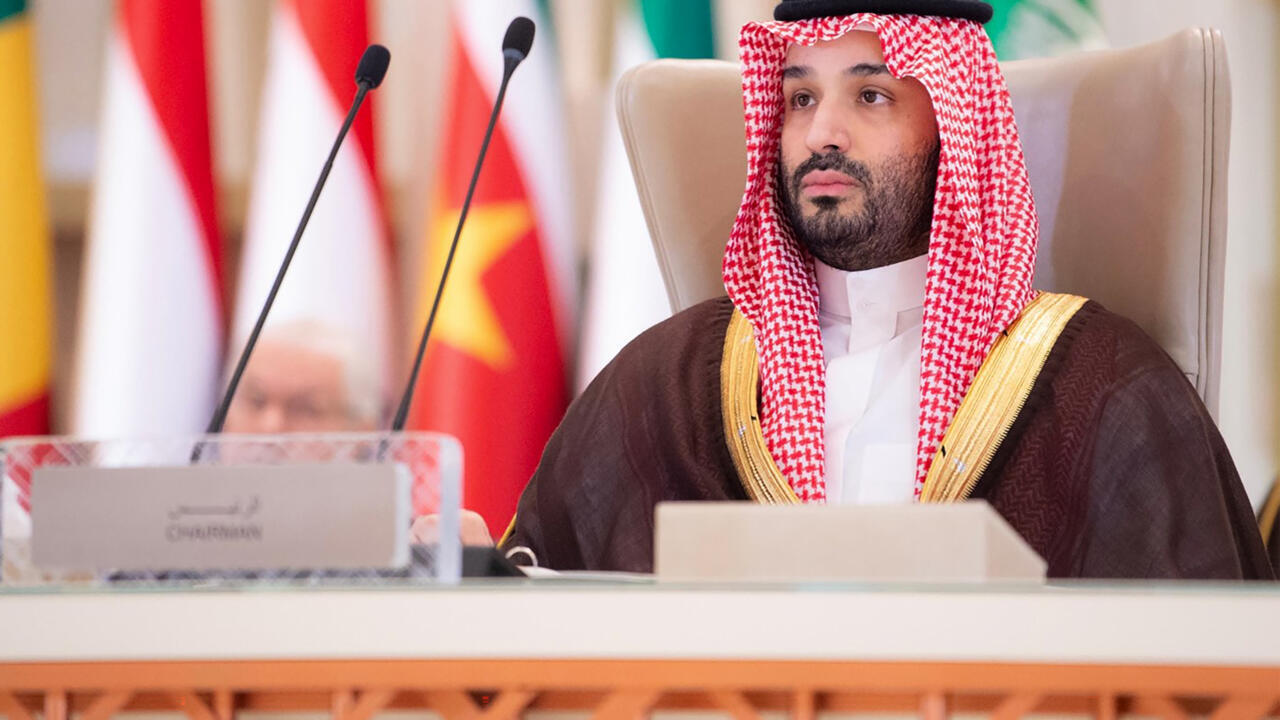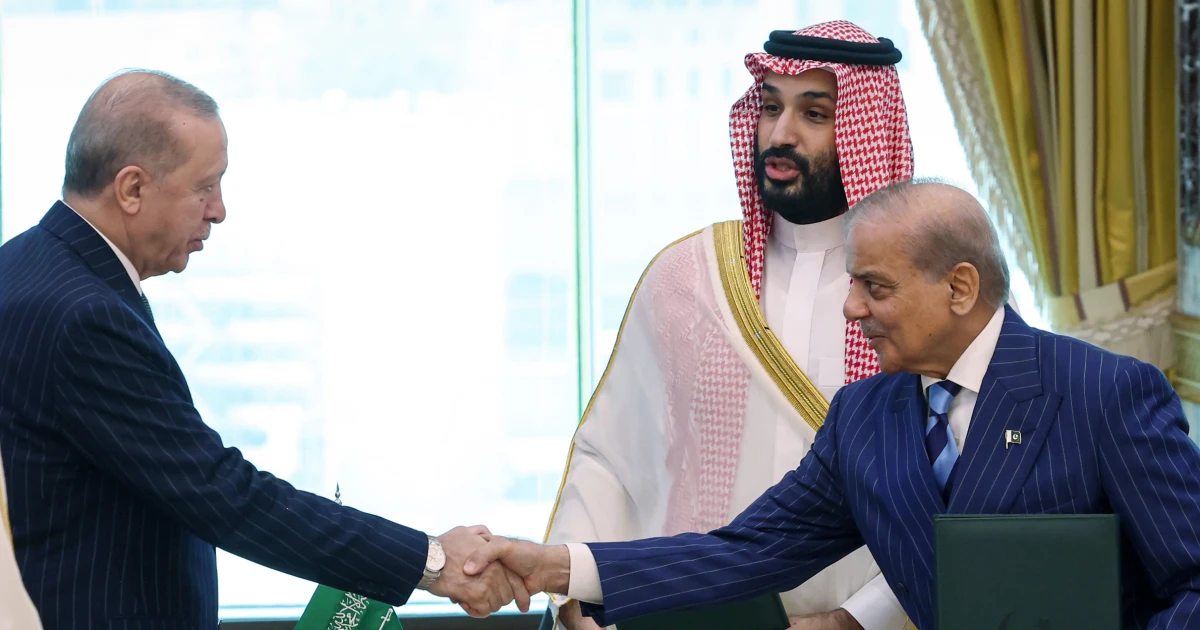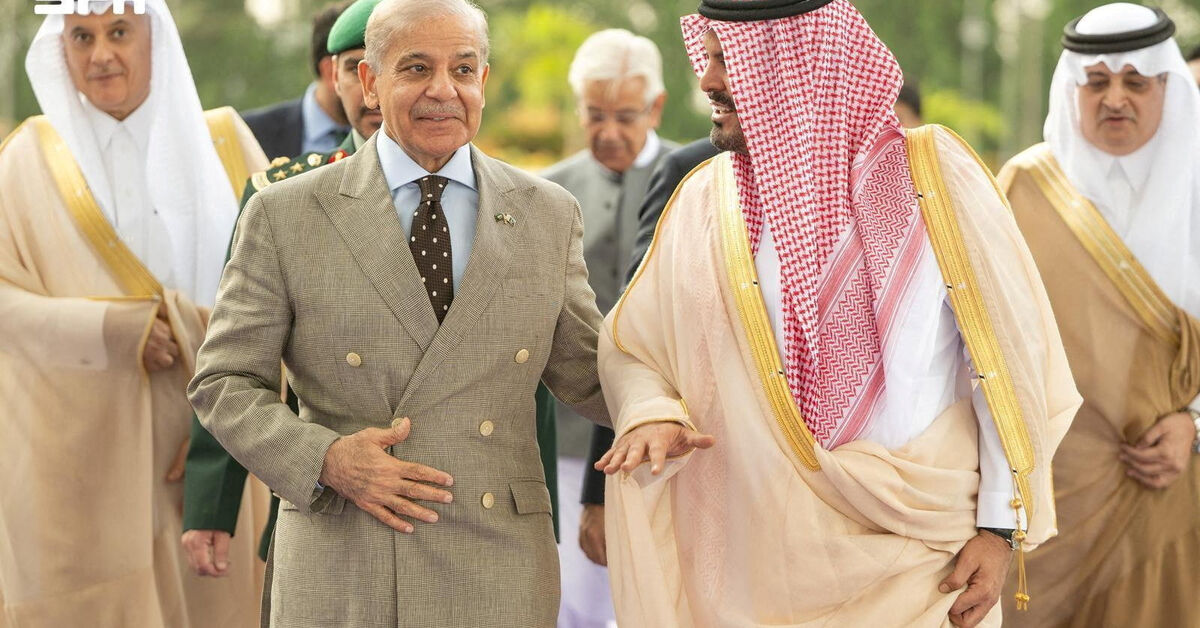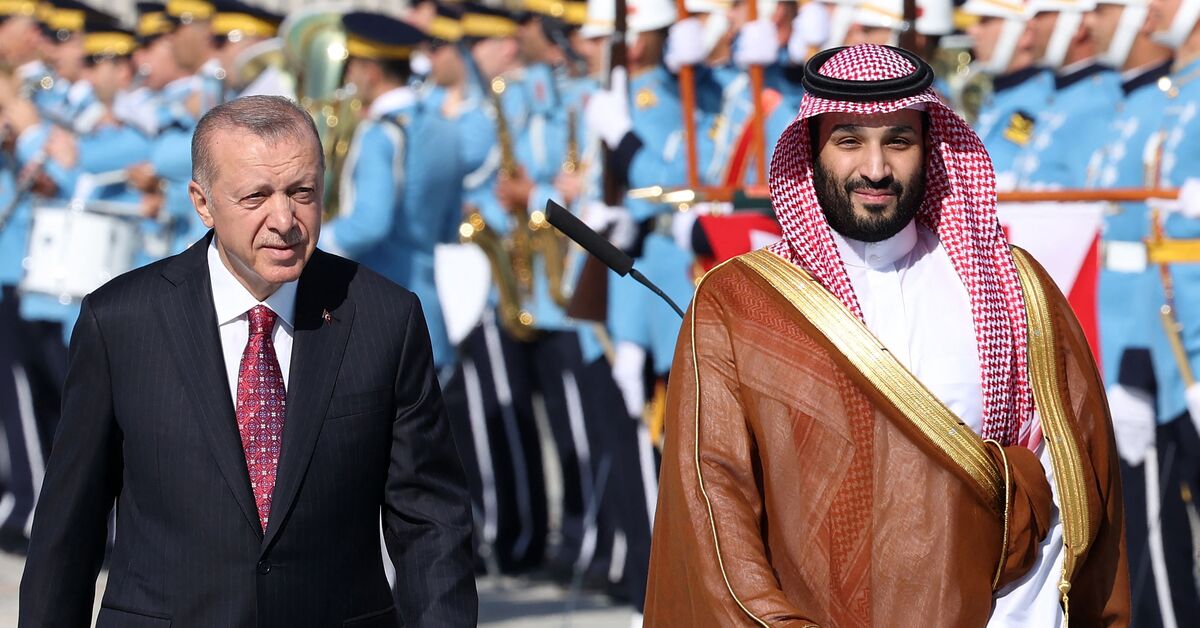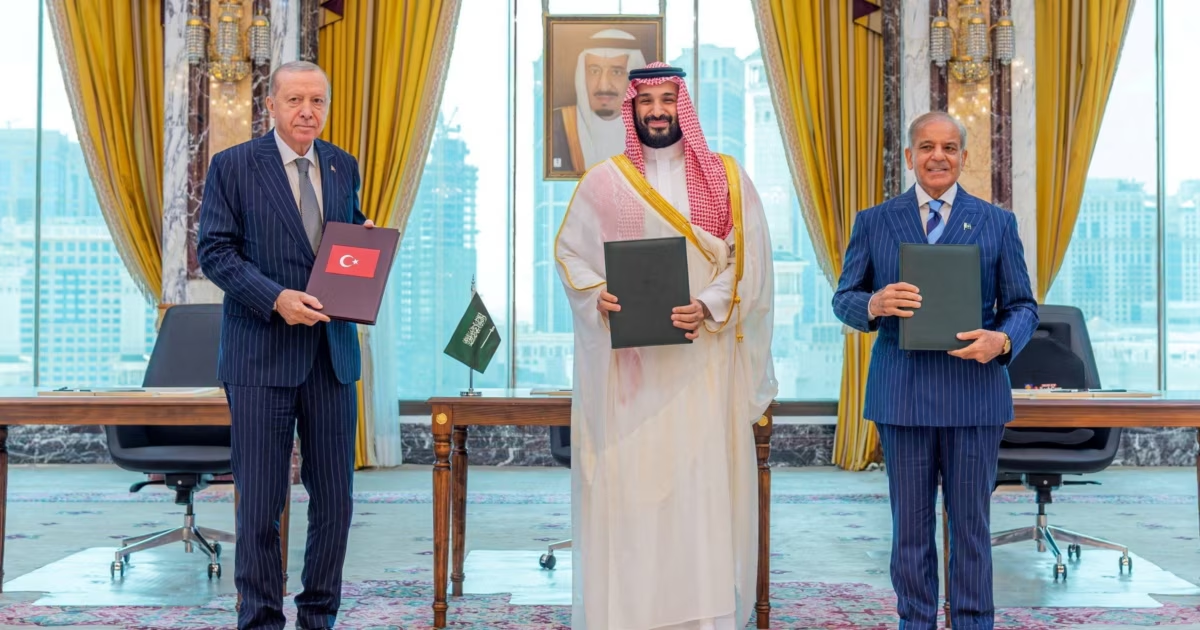
As regional security tensions continue to mount amid the protracted conflict between Iran and the United States, the leaders of Saudi Arabia, Pakistan, and Turkey came together on August 7 to sign a joint defense agreement in order to "strengthen collective deterrence against any act of aggression."The Mecca Joint Defense Agreement stipulates that "any armed attack against any one of the three states shall be regarded as an attack against them all," said Pakistan’s Foreign Ministry on August 7.Signed by the Saudi Crown Prince Mohammed bin Salman, Turkish President Recep Tayyip Erdogan, and Pakistani Prime Minister Shehbaz Sharif in the Saudi city of Mecca, the trilateral pact comes at a time of growing uncertainty in the Middle East, with no immediate end in sight to the confrontation between Tehran and Washington.The agreement reflects the shared commitment of the three states to further strengthen their collective security and to "promote peace, security and stability in the region and beyond in pursuit of a secure and prosperous future," the ministry said in a statement.Discussions over the agreement took nearly a year.
Calling the agreement "a converging vision," Turkish daily newspaper Sabah wrote in its February 1 editorial that such a pact was necessary in light of Israel's actions in Gaza and the Golan Heights, deteriorating relations between Gulf capitals and Washington, separatist activities, terrorism, and proxies in the region."All the three actors are firmly opposed to separatism and terrorism in the region, and they increasingly view sustainable defense-industrial cooperation as a strategic necessity rather than a commercial luxury," wrote the Turkish newspaper, which added that the long-term partnerships would encompass coproduction, technology transfer, and capacity-building, as well as security.Analysts point to the shared views of Riyadh, Islamabad, and Ankara on separatist tendencies and movements within their borders or neighborhoods as one of the key converging factors in bringing them together.Saudi Arabia, for example, backs the Yemeni government against the Iran-backed Houthis. Riyadh has also deepened its cooperation with Egypt and Somalia to counter the separatist movement in Somaliland. Pakistan, on the other hand, is faced with a low-level insurgency wherein the ethnic Baloch are fighting for independence from Islamabad."Shared threat perceptions and converging visions naturally draw like-minded actors closer together," Sabah wrote.