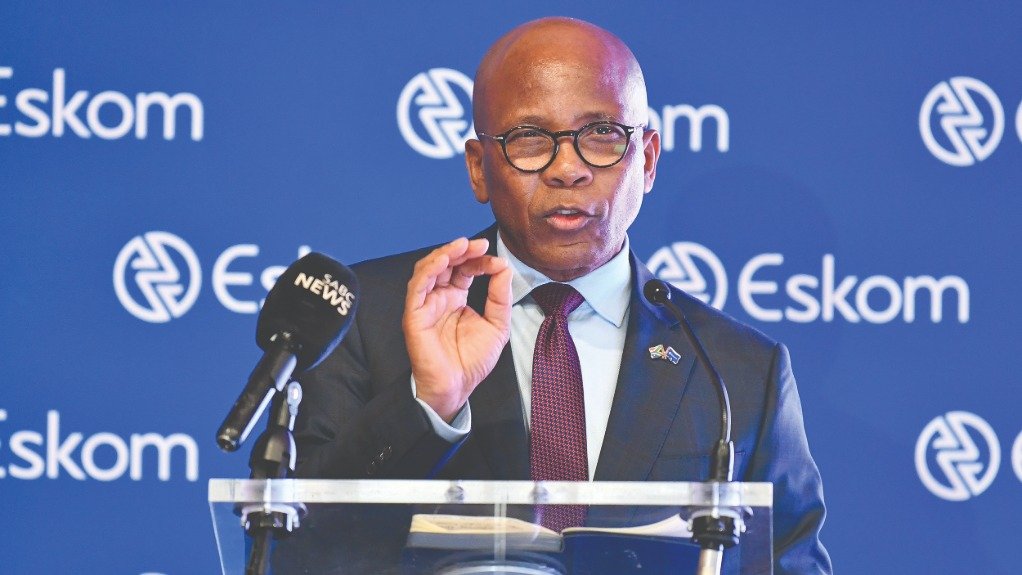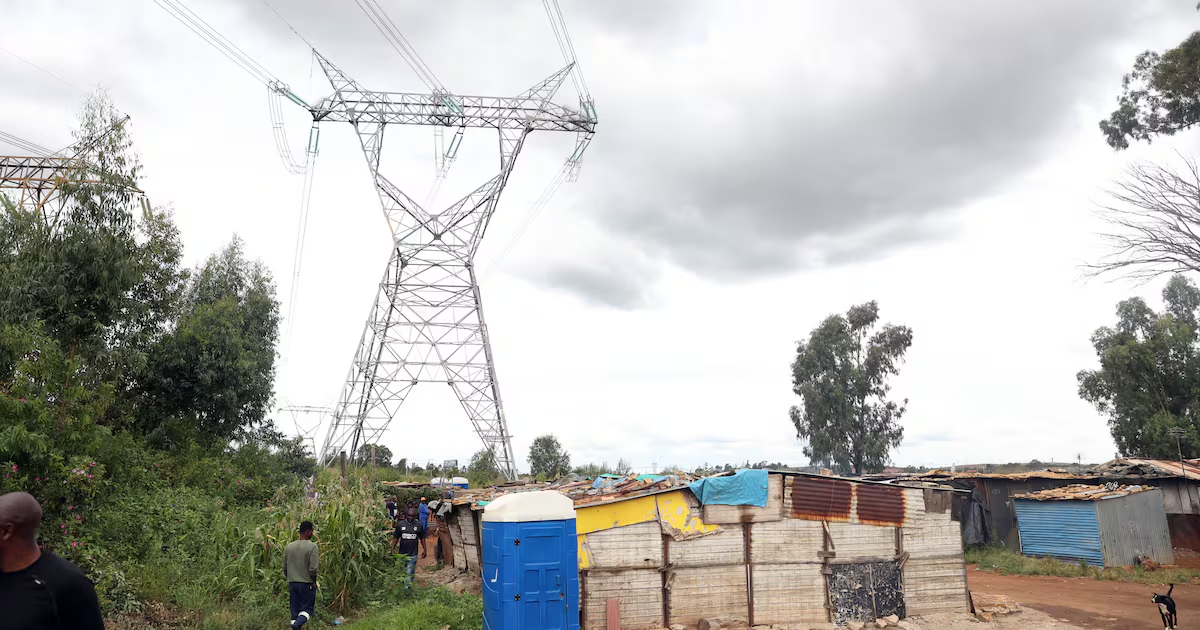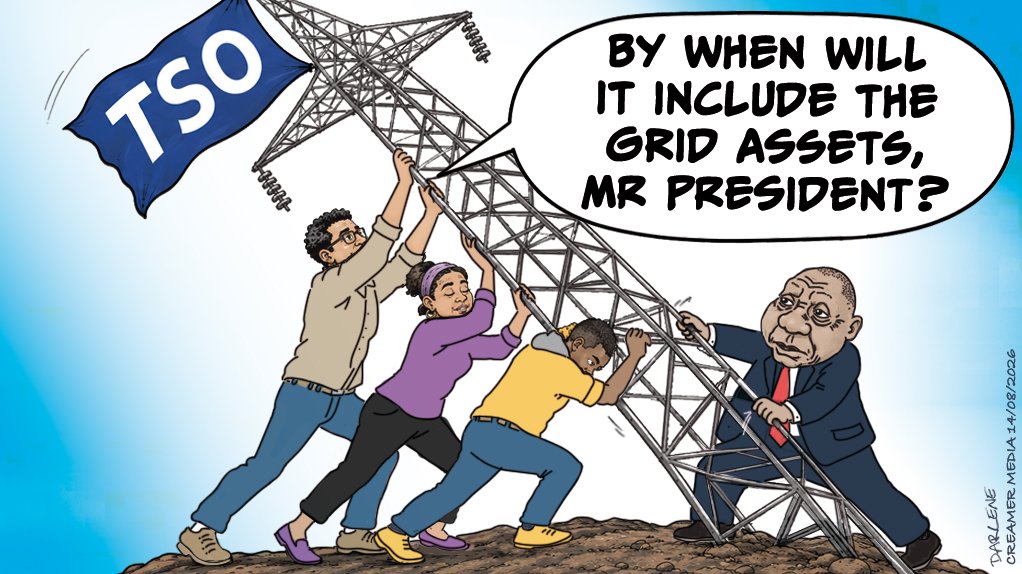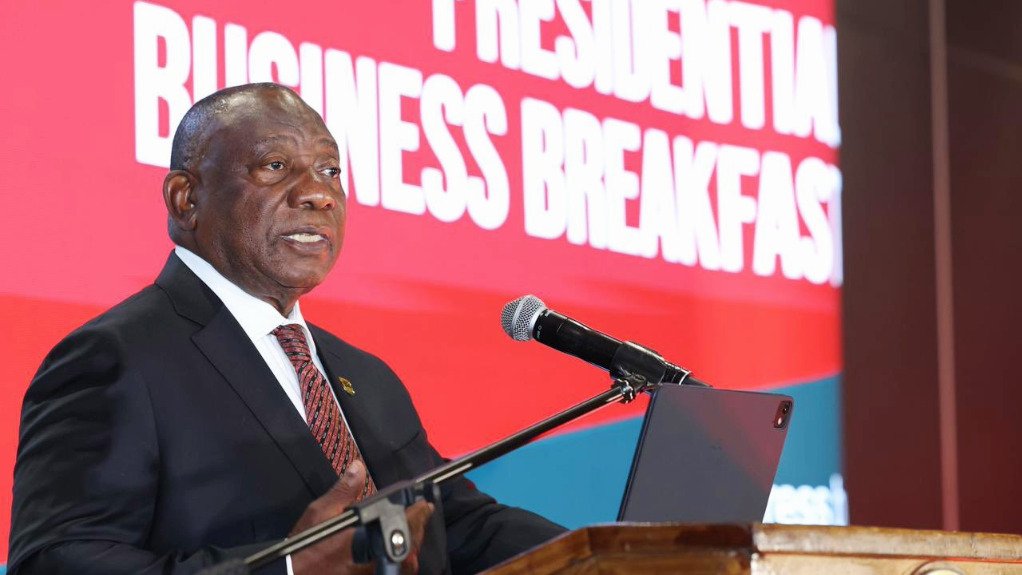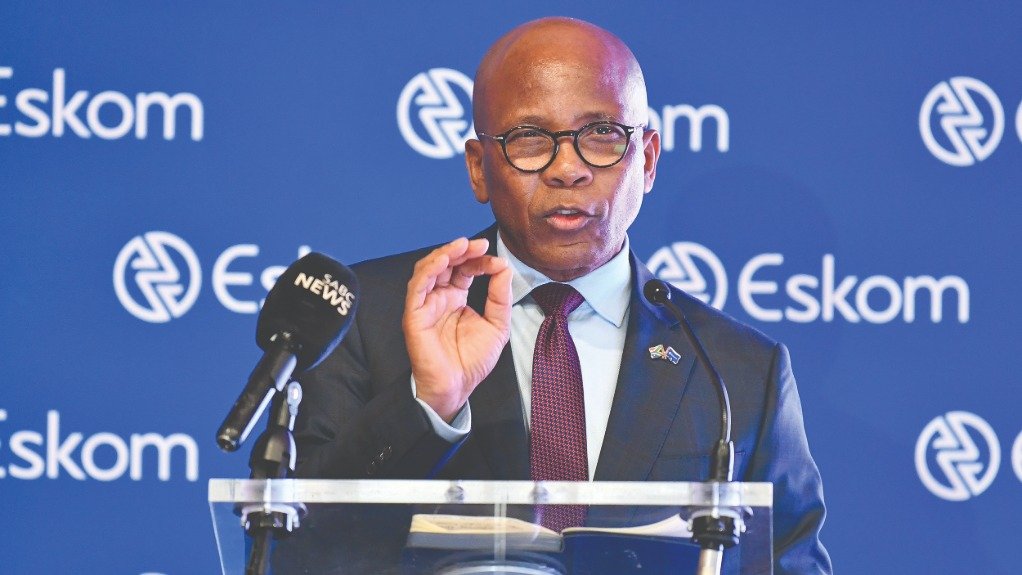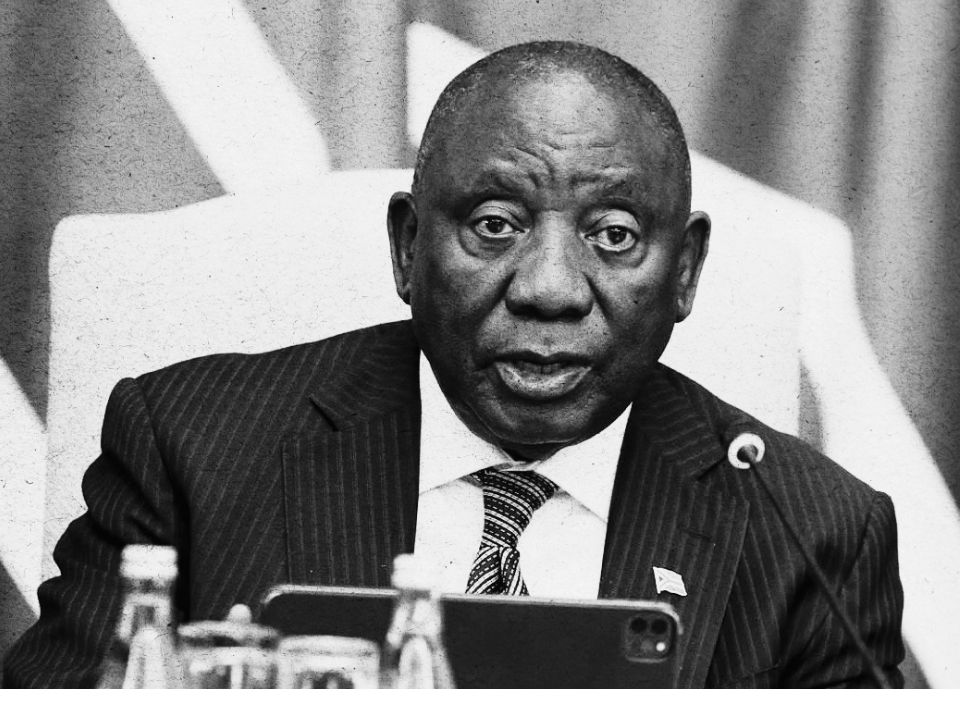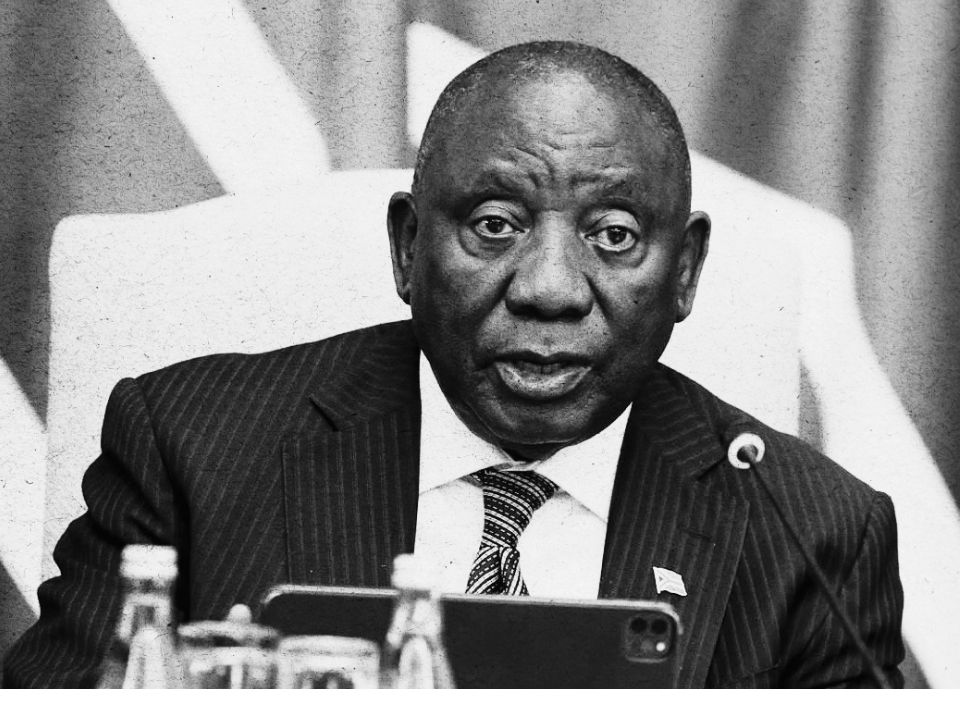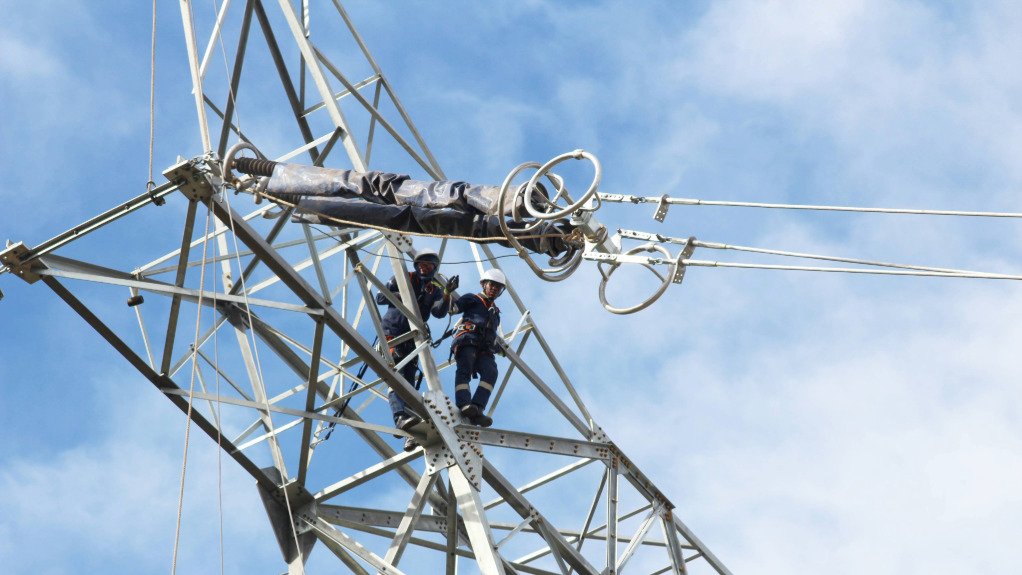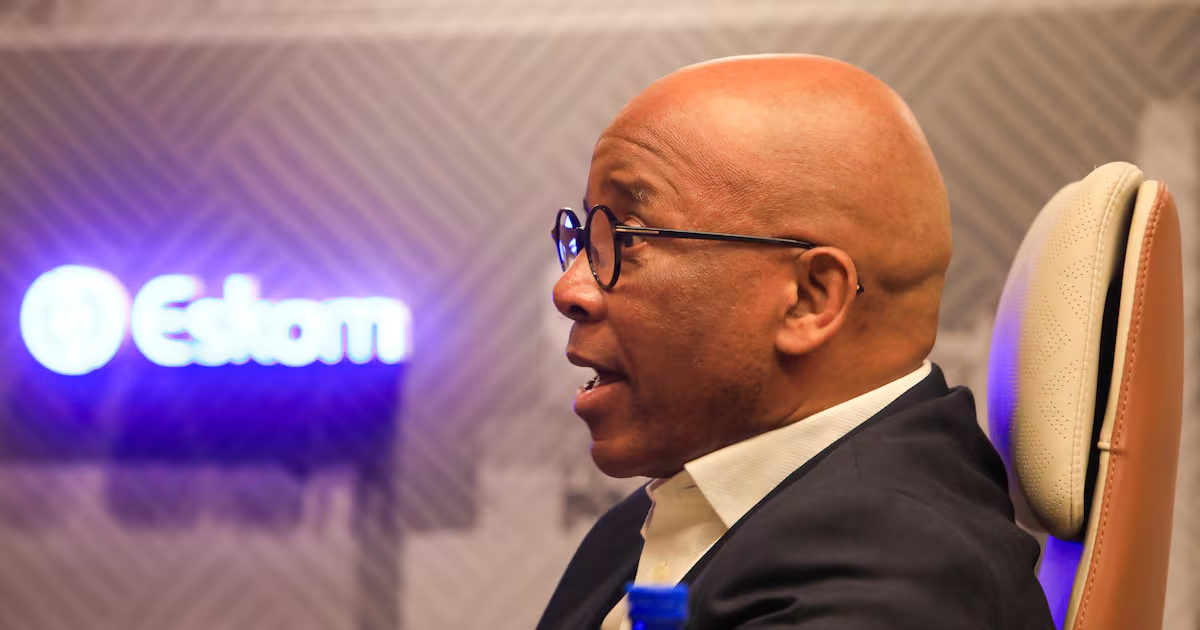
A simmering fight over who should own and control Eskom’s 33,000km electricity transmission network as reform of the South African power market plods slowly ahead is not nearly over. This week President Cyril Ramaphosa’s spokesman, Vincent Magwenya, saw fit to publicly admonish Eskom’s highly regarded chair, Mteto Nyati, for questioning the wisdom of handing the entire network over to a new national Transmission Systems Operator (TSO). The idea is that the new company would then create a new market by buying power independently from Eskom and private-sector renewable power producers, based on price and other vagaries of demand. Already a National Transmission Systems Company has been created as an Eskom subsidiary to house the transmission network until the TSO is up and running. But as much as they have signed up to Ramaphosa’s reforms, Nyati and Eskom CEO Dan Marokane barely hide their misgivings about reform.“It is unfortunate that Mr Nyati creates an impression as if there’s a process under way without the inclusion of Eskom and at [sic] the detriment of Eskom,” Magwenya said on Tuesday. Their issues won’t go away though. For a start, any monopoly as big and old as Eskom would be naturally wired against giving up assets and powers. Add to that its huge R300bn debt and a balance sheet already compromised by outstanding debt of about R120bn from, mainly, bankrupt municipalities, and any ambitions the entity might have of competing for leadership of the South African power market in future are clearly being threatened. Ramaphosa is playing hardball though. He wants control of transmission and prices in entirely Eskom-free hands. Business is largely supportive. Eskom, which has been intimately involved in the reform process thus far, has had to pay lip service to the political leadership. But it’s in the politics that the real fight may play out. Electricity minister Kgosientsho Ramokgopa raised a hand in support of the misgivings of the Eskom leadership earlier this year and was quickly shut down by Ramaphosa. He would not have enjoyed that. The president’s hand has become weaker with time though, not stronger, and the appalling unemployment numbers out this week will weaken him further. What’s more, with about 16 months to go before the ANC chooses a new leader at the end of next year, a run from Ramokgopa isn’t impossible. He doesn’t have a faction in the party, but he’s a popular figure in the party. He has just led a delegation to China and returned with all sorts of Chinese promises to build factories to supply pylons and wire for the additional 14,000km of transmission lines the country needs to meet its targets to more than double our power-producing capacity. I have to say I wondered how he was able to live with the reporting that followed his return if he, like Ramaphosa, truly believes a TSO would independently control the network. Who decides this early that this or that Chinese company would get wire or pylon contracts when the customer hasn’t even been created yet? Of course, he wouldn’t be the first politician to let ambition run away with him, but the issue is already nestling deep inside the ANC. The turnaround in Eskom’s ability to keep the lights on has re-endeared it to the dominant party in government, and a threat by the National Union of Mineworkers (NUM) to take the breakup of the monopoly to court will find easy purchase among Ramaphosa’s many enemies in the ANC. It smacks of privatisation, even though that’s not what is happening; yesterday Business Day quoted the NUM arguing that the “privatisation” would drive up electricity costs and threaten job security. So fevered is the debate over the breakup of Eskom becoming that its having driven the price of electricity up more than 1,000% in the past two decades is quite forgotten. And while it has managed to recover its energy availability factor to well above 60%, it is still producing less electricity per worker than it did in 2006. Obviously there is a conversation to complete about how to protect the generating business Eskom will be left with after (if) transmission is detached. And it would be foolish in the extreme to alienate Eskom’s solid leadership. But introducing competition into the market has to be a good thing. What must be gotten right are the rules. Water and rail privatisation in the UK have clearly gone wrong and now, under Labour, invite renationalisation. But smarter partnerships between the private sector and the state would have avoided that. Getting those partnerships right in South Africa now, early on, is going to be critical to our success. Sadly, our crazy election cycle, which puts ideology at the centre of everything almost all the time, doesn’t make doing the sensible thing easy.• Bruce is a former editor of Business Day and the Financial Mail.Business Day
PETER BRUCE | Politics trump practicality as Eskom transmission battle heats up
Union threats and debt concerns cloud path to independent management
809 words~4 min read