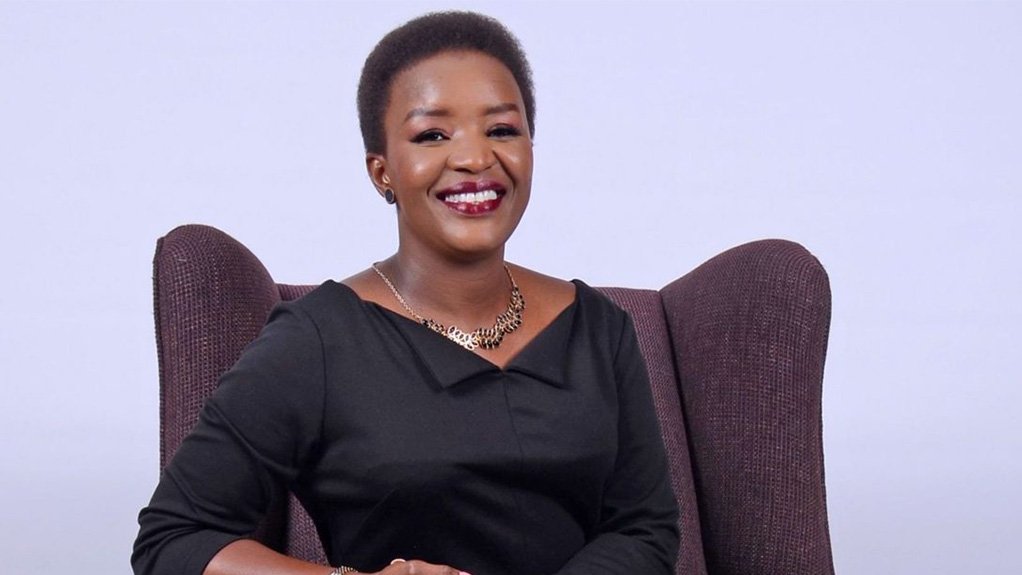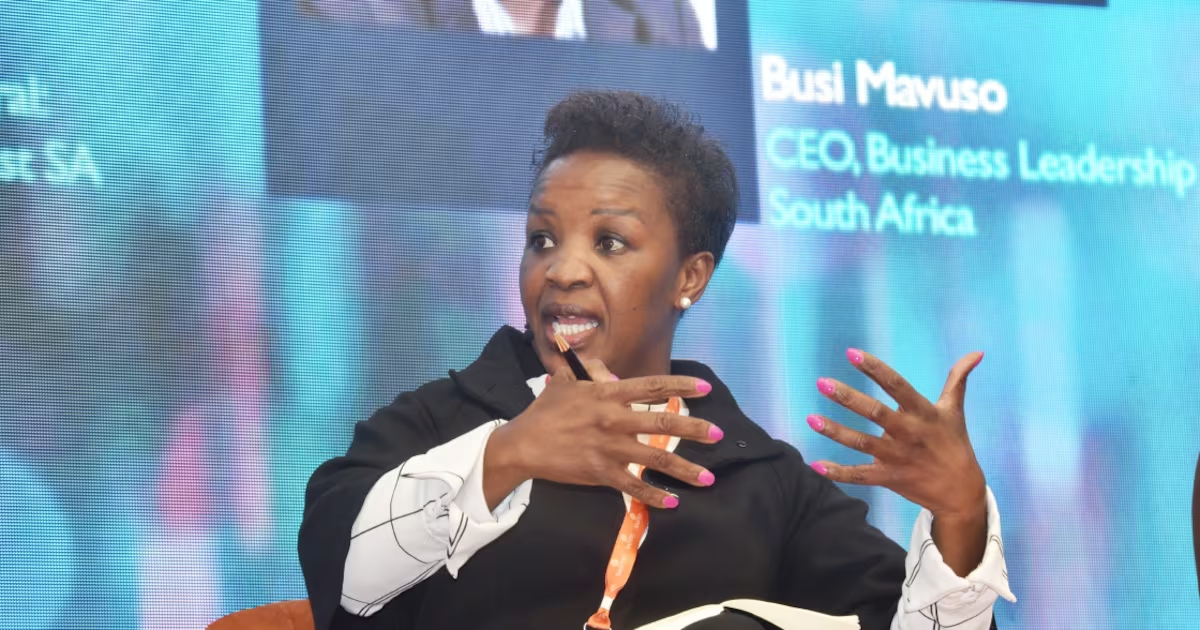
Business Leadership SA (BLSA) CEO Busi Mavuso has urged the government to move ahead with the implementation of an independent transmission system operator after President Cyril Ramaphosa endorsed the first-phase report of the Eskom restructuring task team.In his state of the nation address (Sona) in February, Ramaphosa announced the establishment of the task team to oversee Eskom’s restructuring, with the aim of creating a fully independent, state-owned operator.The new entity would own and manage the country’s transmission assets while operating the electricity market.The move is widely regarded as a cornerstone of South Africa’s electricity sector reforms, which are aimed at creating a reliable, affordable and sustainable power supply by opening the grid to greater competition and improving the efficiency of electricity transmission.The task team comprises representatives from the Presidency, Treasury, the department of electricity and energy, Eskom, and the National Transmission Company South Africa. In her weekly newsletter on Monday, Mavuso said Ramaphosa’s endorsement on Friday of the task team’s phase one report provided the clearest vision yet for the system operator and the foundation of a competitive electricity market. “I welcome that endorsement unreservedly,” said Mavuso. BLSA has argued that an independent grid operator is the only way to build a truly competitive electricity market — one that treats all electricity generators equally, brings prices down over time and gives investors the certainty they need to commit capital.“The president has now made that policy unambiguous and there cannot be any further debate,” she said. “The system operator is the foundation of a competitive electricity market. Without it, Eskom controls both generation and the grid, the equivalent of letting one airline also control the airports.”“Private generators cannot compete on fair terms, new investment is constrained, and the promise of lower electricity prices remains out of reach,” Mavuso said. She said that on Friday, the president reinforced that electricity reform must create the foundation for South Africa’s growth. “I agree entirely. Getting the system operator right is how we deliver on that commitment.” Ramaphosa said the task team report showed how the government could ensure that the architecture of the electricity sector can change as it continues to evolve. This, he said, would create the foundation for the country’s growth. “The report reflects a clear and unified vision across government to establish an independent Transmission System Operator, which will be separated from Eskom. The system operator is a key enabler of a successful competitive wholesale electricity market that is expected to deliver reliable and cost-effective electricity,” Ramaphosa said, adding that the reform will support higher rates of economic growth, investment and job creation. Mavuso said Ramaphosa’s endorsement is “highly positive for investment” as uncertainty about whether South Africa would follow through on electricity market reform had been a source of concern for independent power producers and large industrial consumers alike. “That uncertainty is now substantially reduced. A long-term, sustainable electricity market will emerge. Investors can plan accordingly,” she said. The task team identified municipal debt to Eskom (over R114bn) as the biggest single threat to the utility’s long-term sustainability, and recommended that a working group develop a consolidated action plan to address it. “BLSA will continue working with the national electricity crisis committee and all role players to support implementation. The policy is clear; what is needed now is execution. South Africa’s growth outlook depends on getting this right,” Mavuso said. The task team is now working on a phase two report covering the transaction structure and implementation plan, due within three months. Business Day
‘No further debate’: Eskom transmission plan must be executed
Business says separating transmission from Eskom is key to improving grid access and ensuring long-term energy security
584 words~3 min read