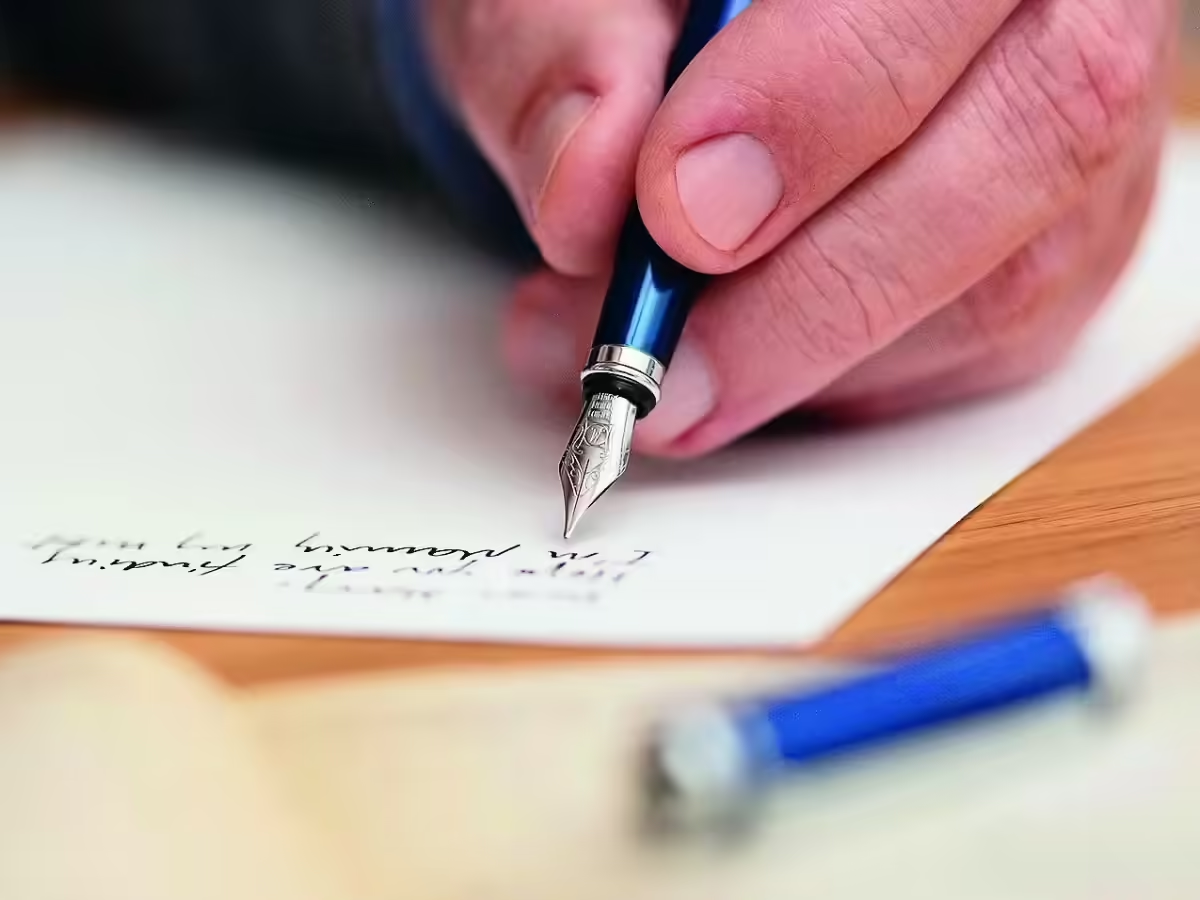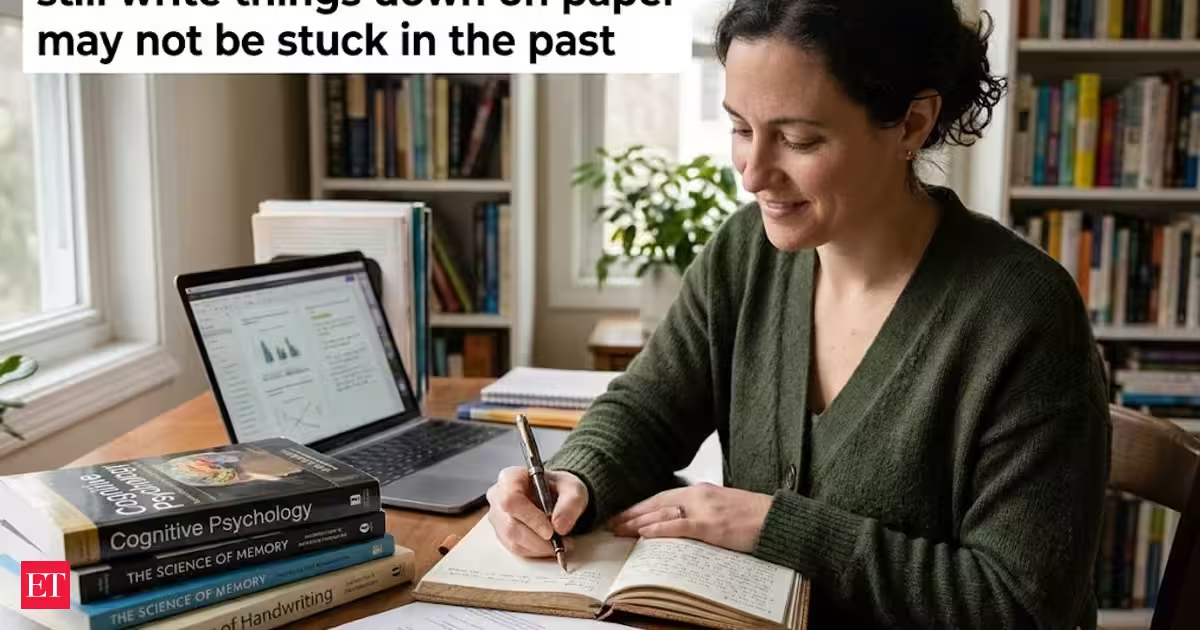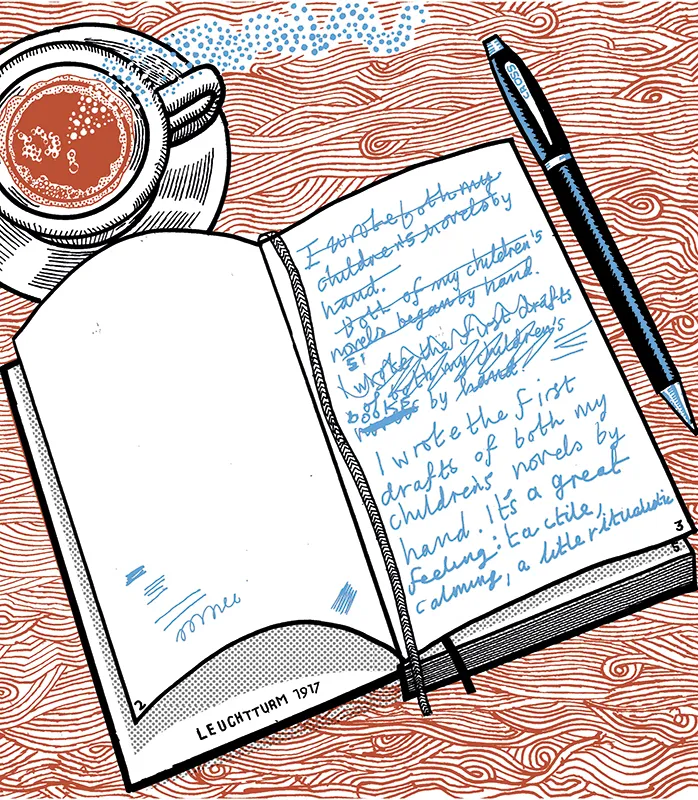
I wrote the first drafts of both of my children’s novels by hand. It’s a great feeling: tactile, calming, a little ritualistic. I crack open a brand new Leuchtturm notebook, bought from the artsy place round the corner, pour myself an espresso, and set to work with the Cross ballpoint my nan gave me as a graduation present.
It’s a slow and painstaking process, but one that is hugely rewarding. As a journalist and novelist, I can touch-type 100-odd words per minute, which is great when I’ve got a deadline for an article. It’s not what I’m after in a novel’s first draft manuscript, however. Time needs to be taken, the narrative voice discovered, pacing slowed a bit. Because my pen cannot keep up with the speed of my thoughts, especially after a few espressos, every sentence is weighed and measured before it goes down. I’m far less inclined to overwrite this way, too.
The slow work of pen on paper demands complete attention, which it’s rare to give to anything these days. I stop and start, pausing at times to stare into the middle distance, rather than having my eyeballs bulging at a screen with podcasts or music playing in the background and YouTube shorts forever on tap.
This all points to the many benefits to be had from picking up pen and paper. A surprisingly robust body of evidence, amassed over the past 15 years or so, has shown us that writing by hand is good for you. Studies have found that students doing so consistently outperformed their keyboard-addicted peers, especially on conceptual questions. The slower pace forced them to process and summarise information before putting it down, rather than simply unthinkingly transcribing it.