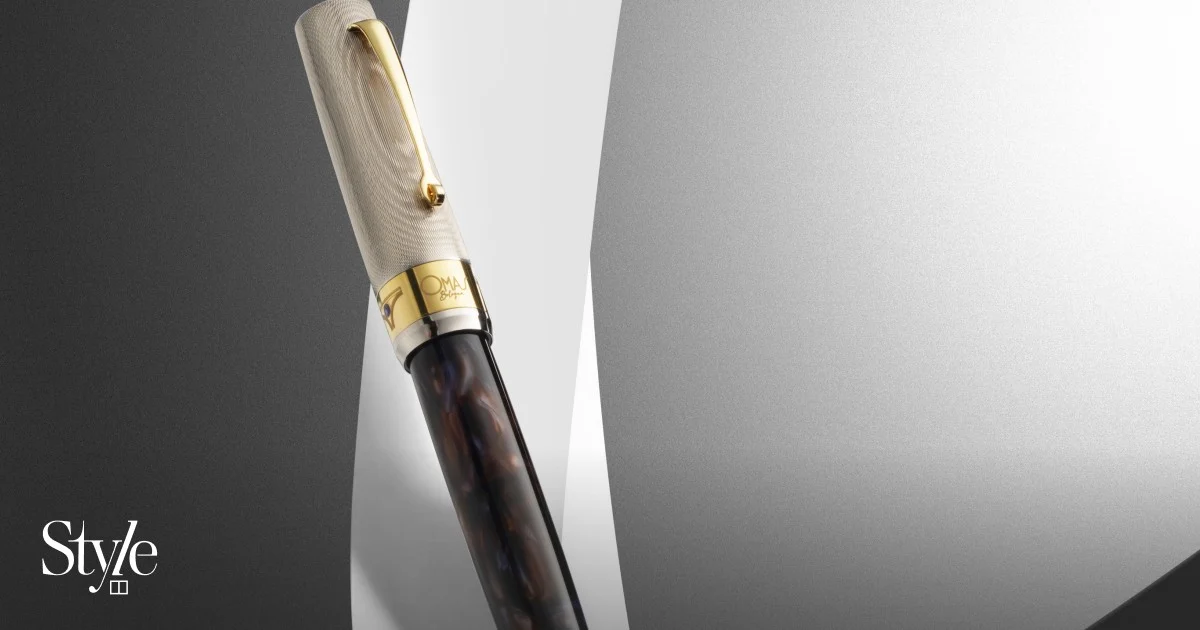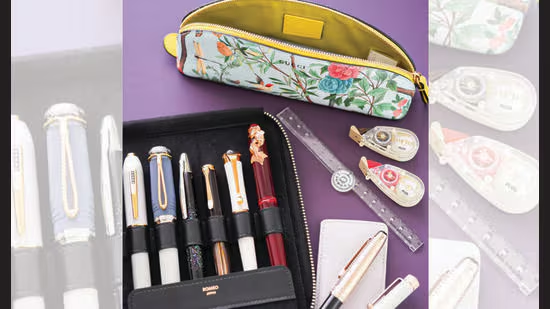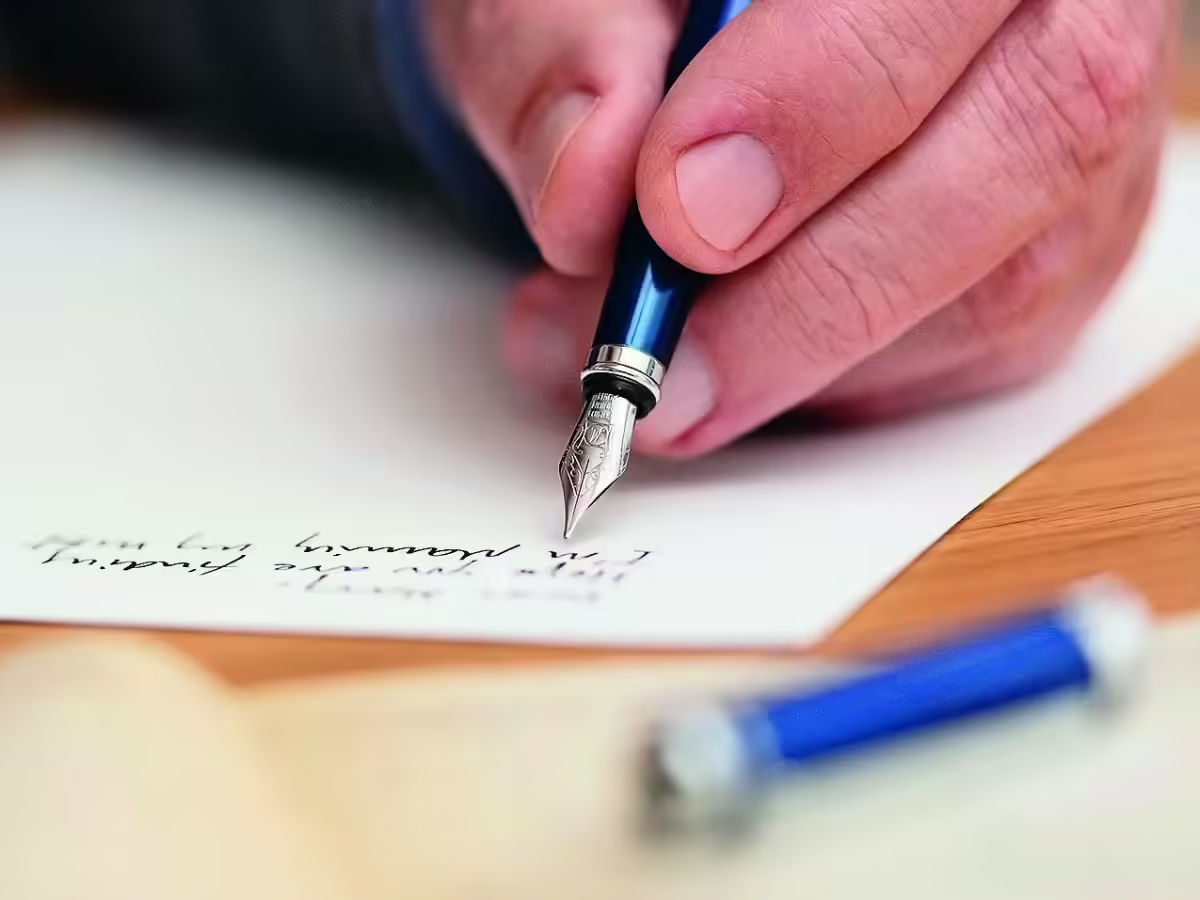
SynopsisWriting with a fountain pen provides a unique connection. The nib on paper transforms thought into tangible form. Each mark reflects the writer's individuality. Digital text offers uniformity, lacking the human touch. Ink on paper is imperfect, making it special. This method makes writing an intimate act. It resists digital dominance, asserting words as art and craft.Writing with Fountain PenThere is joy in writing with a fountain pen that no keyboard, however backlit, can replicate. To press nib to paper is to feel thought become matter, ink turn into intention. Each stroke carries your personality: the flourish of a 'y', hesitation of a comma, boldness of a capital.A typeface on a screen, by contrast, is soulless uniformity. Arial doesn't blush, Times New Roman doesn't falter. Every 'a' is the saaame, every 's' is sssterile. The machine erases the poised tremor of the hand, the pause of reflection, and accidental smudge that marks humanity.Ink on paper is imperfect. And therein lies its bliss. It's tactile, fragrant, alive. A fountain pen makes writing an act of intimacy. As you lean into the page, you hear the scratch and feel the weight of words.To write with a fountain pen is to resist the tyranny of the pixel. It is to insist that words are not just information but art, not just content but craft - bliss, made to leave its mark in ink. ...moreElevate your knowledge and leadership skills at a cost cheaper than your daily tea.Subscribe Now
Writing with fountain pen - The Economic Times
Writing with a fountain pen provides a unique connection. The nib on paper transforms thought into tangible form. Each mark reflects the writer's individuality. Digital text offers uniformity, lacking the human touch. Ink on paper is imperfect, making it special. This method makes writing an intimate act. It resists digital dominance, asserting words as art and craft.
245 words~1 min read