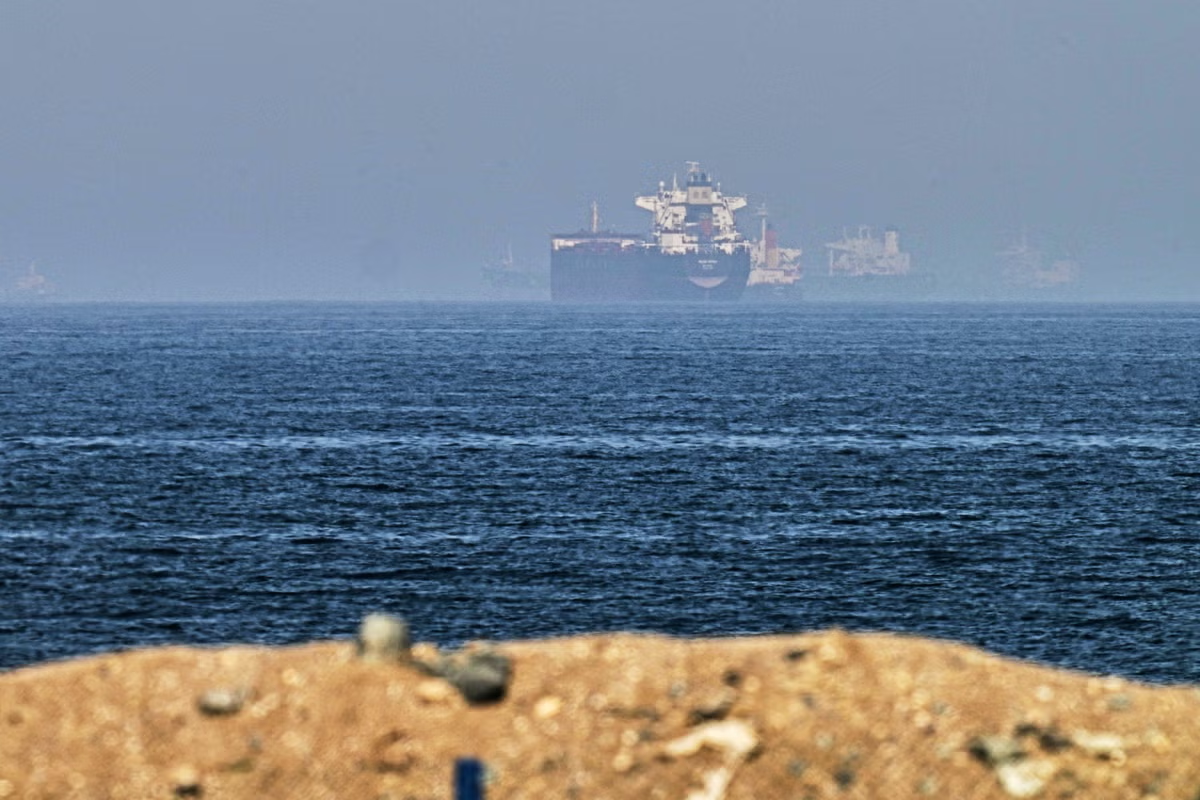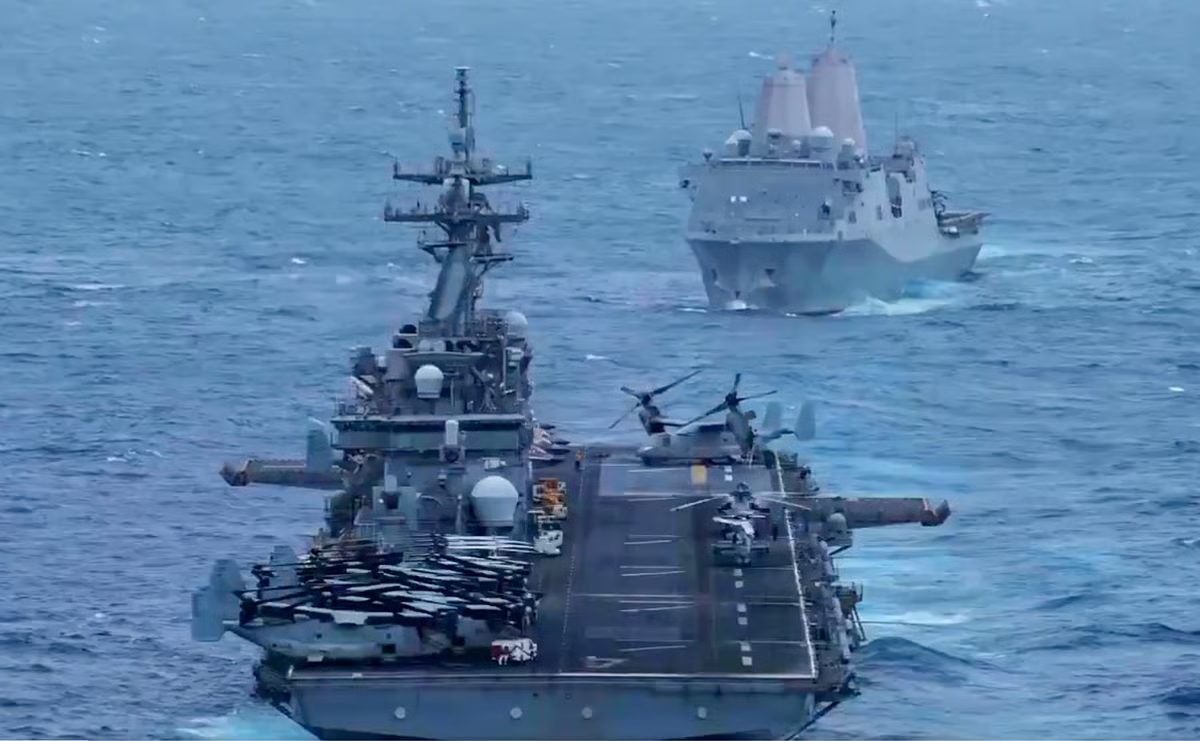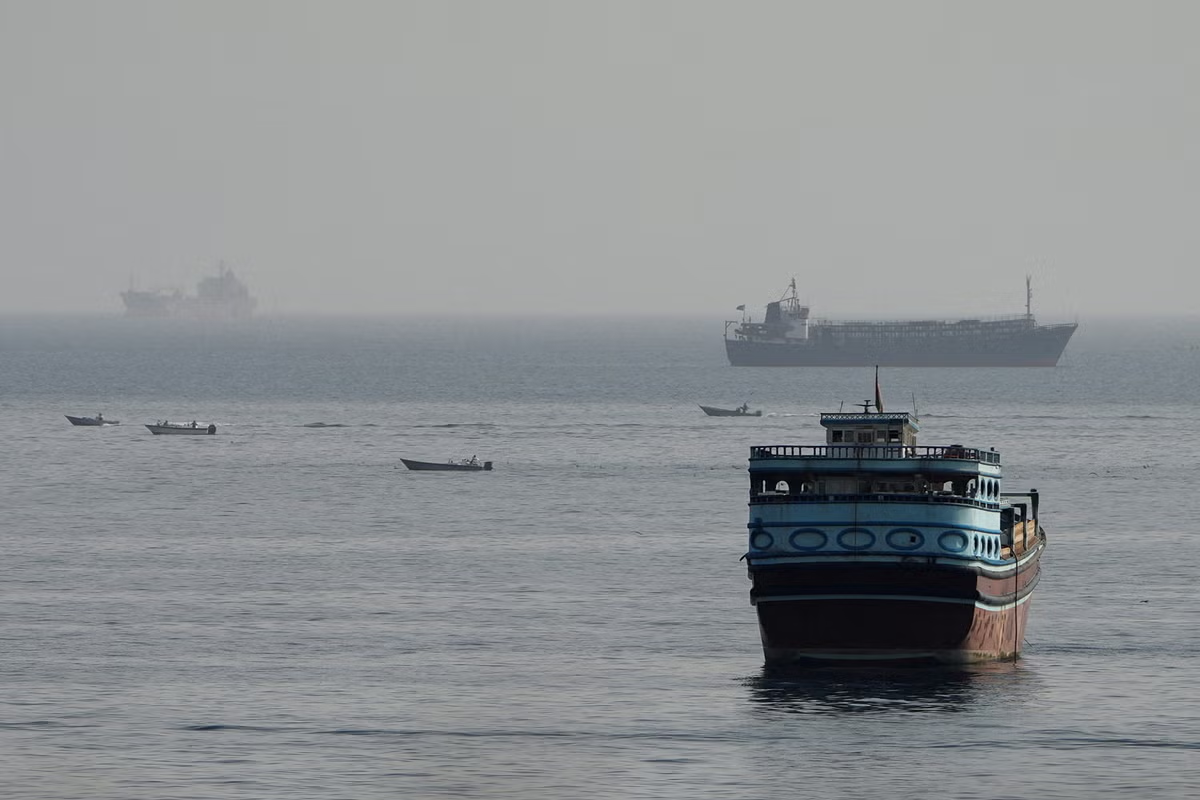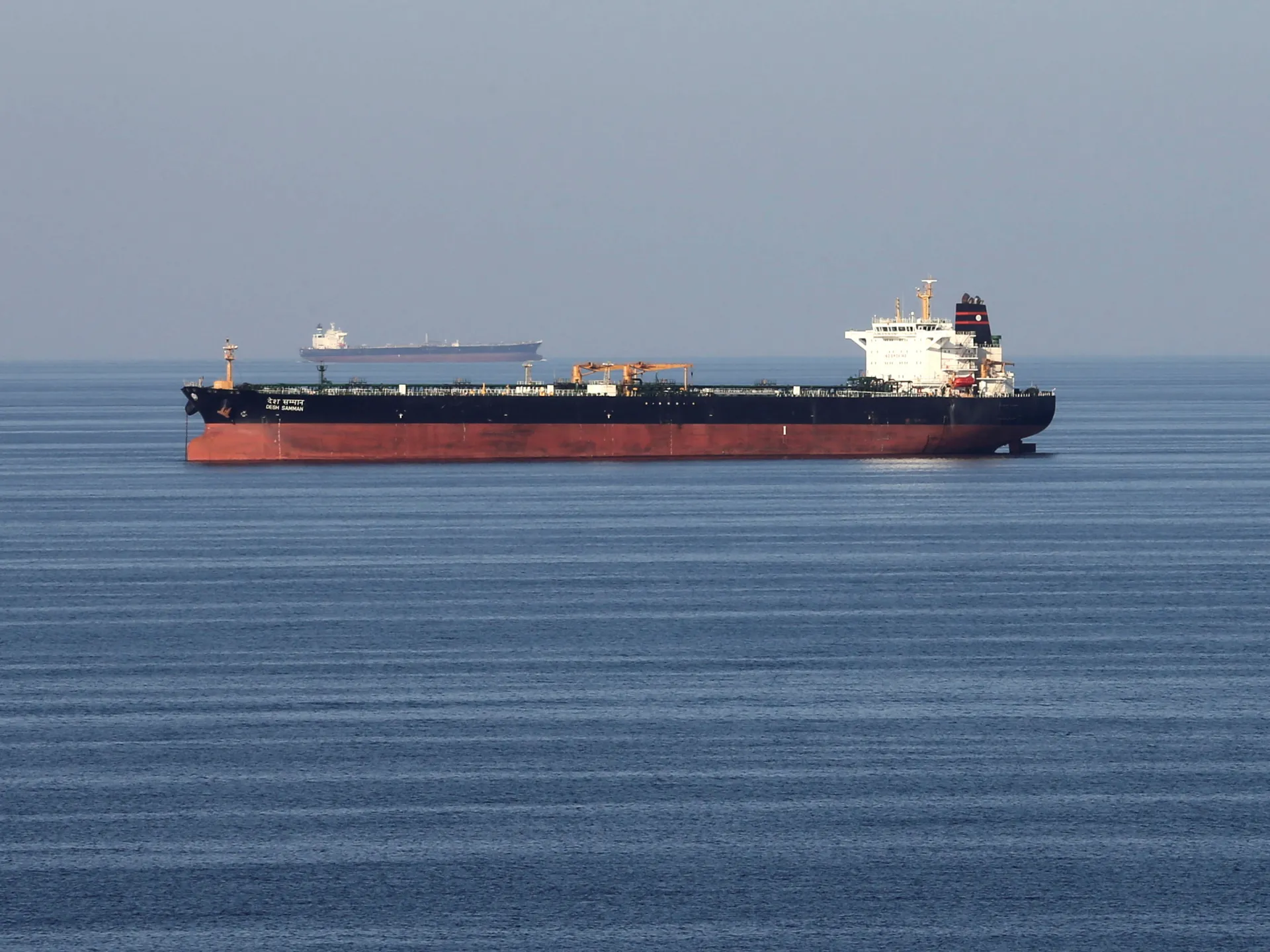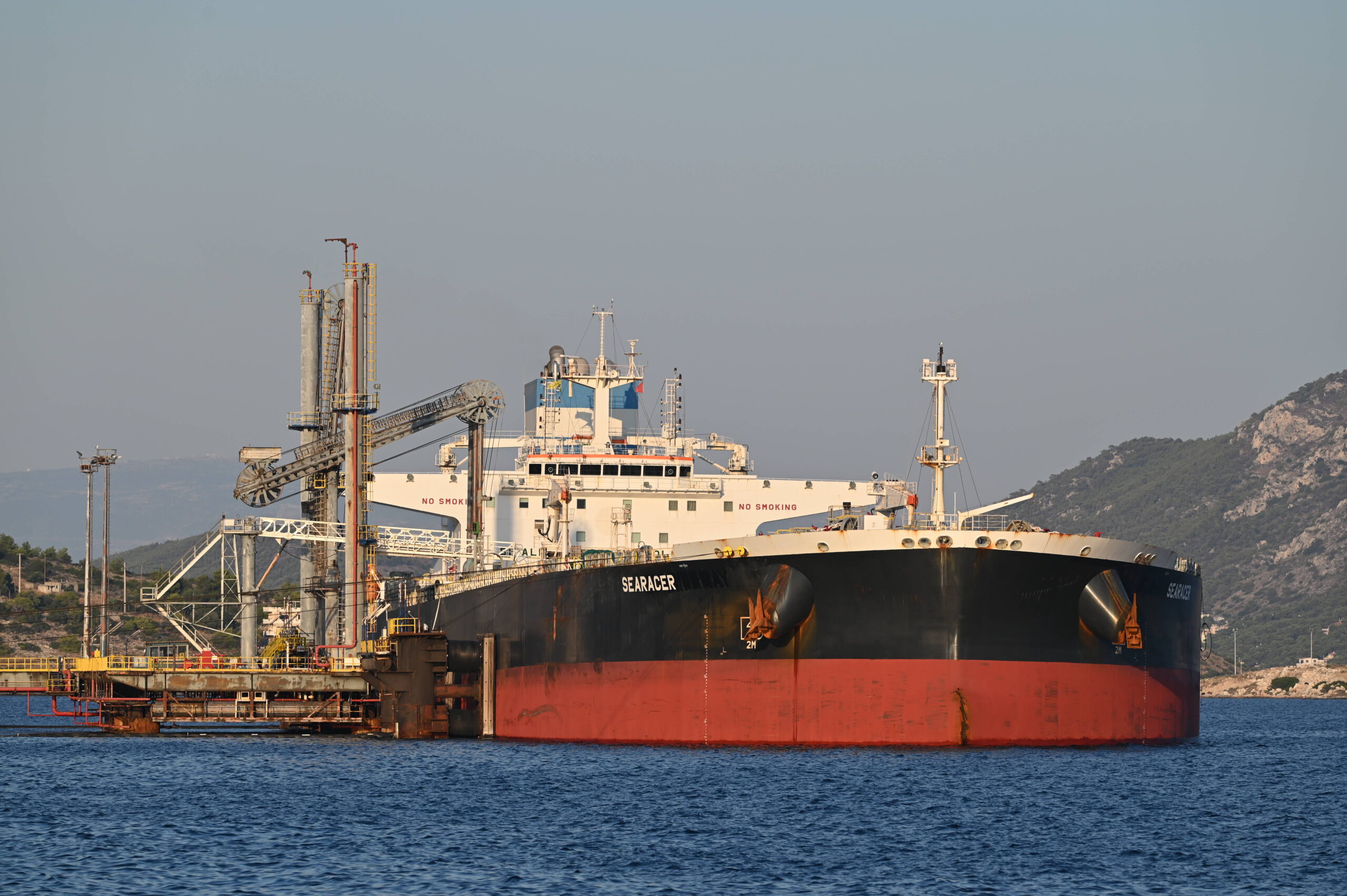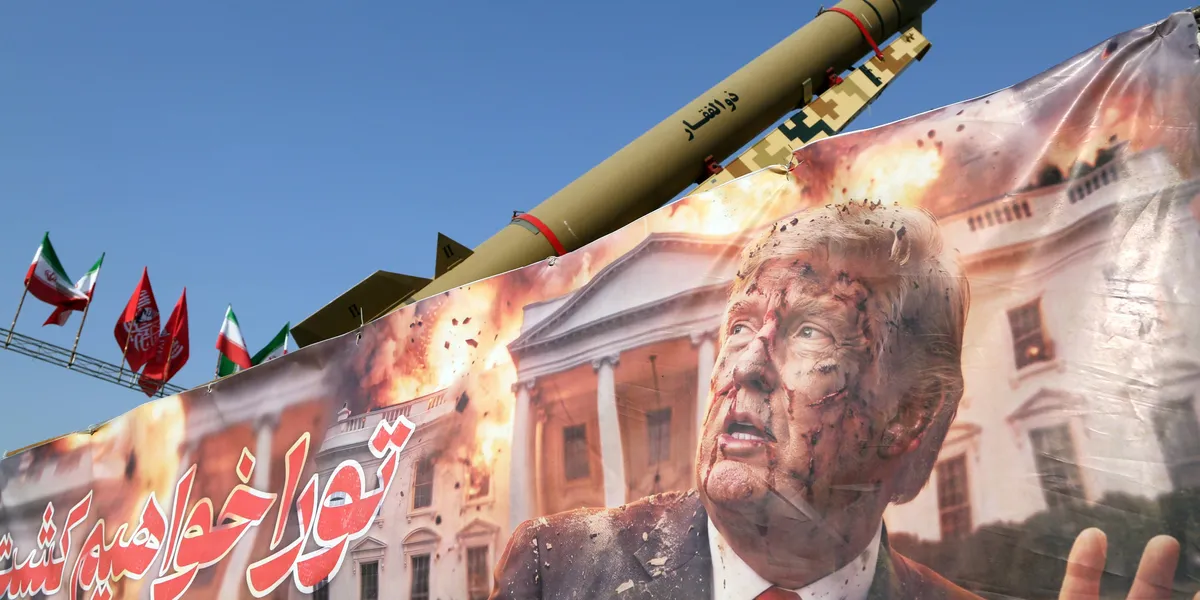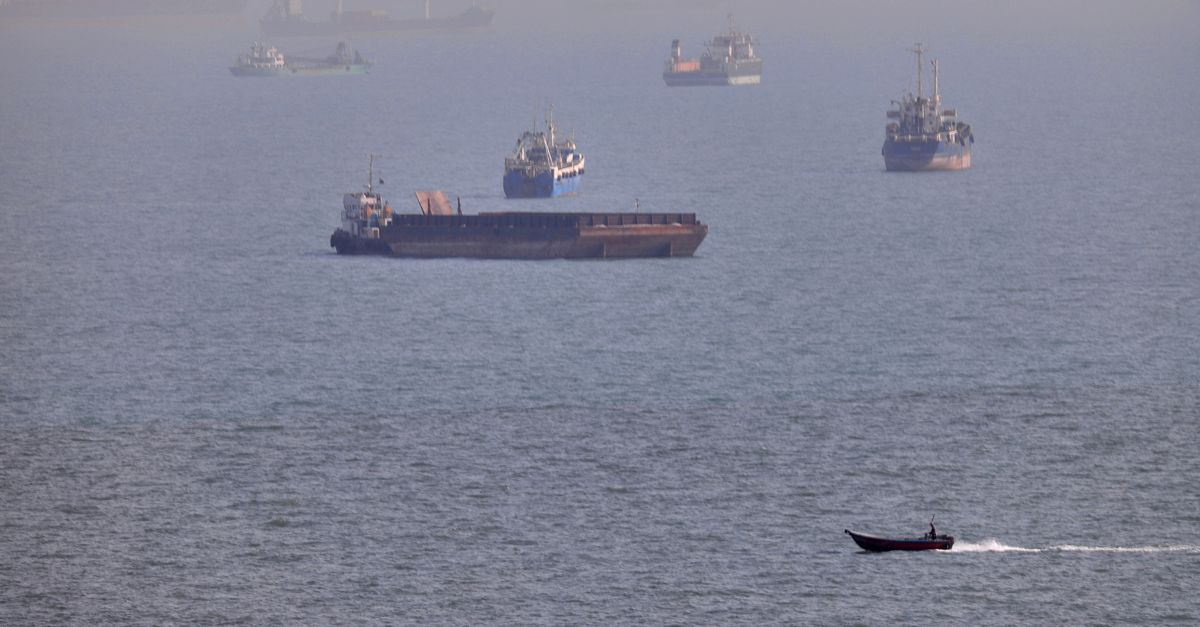
The gulf states are caught in a mess of Donald Trump’s making. After more than five months of war, the Strait of Hormuz is still mostly closed. A familiar pattern has emerged. When talks between America and Iran fail to yield progress, the two sides return to fighting; when bombs fail to break the deadlock, negotiations resume. In recent days Mr Trump has once again both talked up a deal on Hormuz and threatened to hit Iran „really hard”. He gave Iran „one last chance” to reopen the strait. Once again.
Iran, however, still insists on near-total control of the waterway. Its exasperated neighbours seem to hold out little hope that it will soften its stance—or be forced to do so. Even a new regime in Tehran, supposing one sprung up, may be unwilling to surrender its new prize.
De redactie van NRC selecteert de beste artikelen uit The Economist voor een breder perspectief op internationale politiek en economie.
Instead, Gulf countries are racing to make the Strait of Hormuz obsolete. Saudi Arabia and the United Arab Emirates are both building or expanding oil pipelines to bypass the strait; Iraq plans to divert its barrels north. American and Saudi investors are considering a giant refinery outside the strait. Such workarounds will help. But, as our „Hormuz dependency dashboard” shows, this quest for resilience unfortunately has its limits.