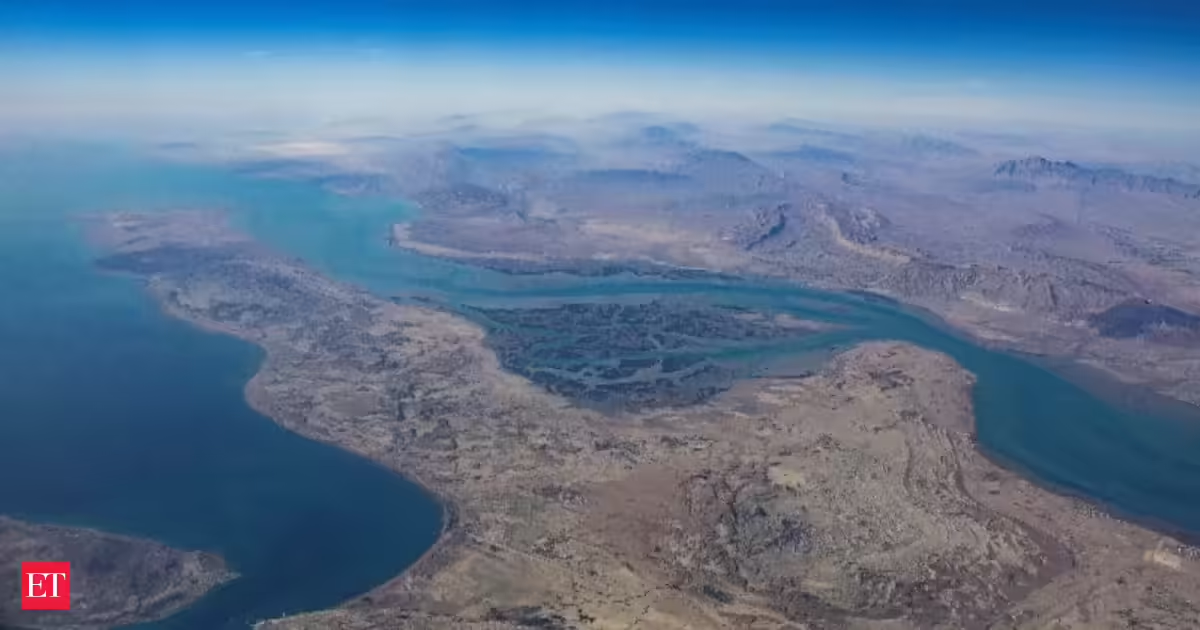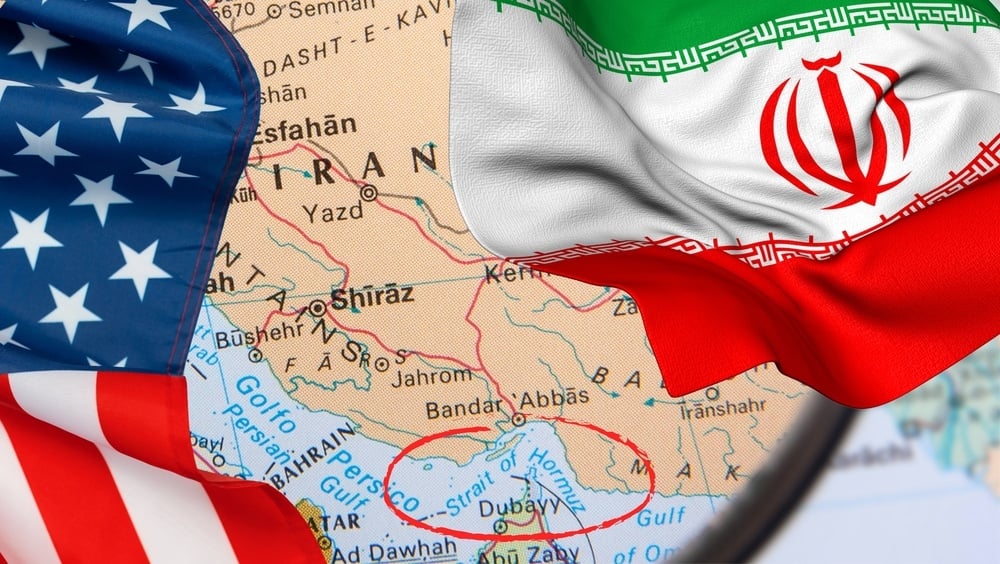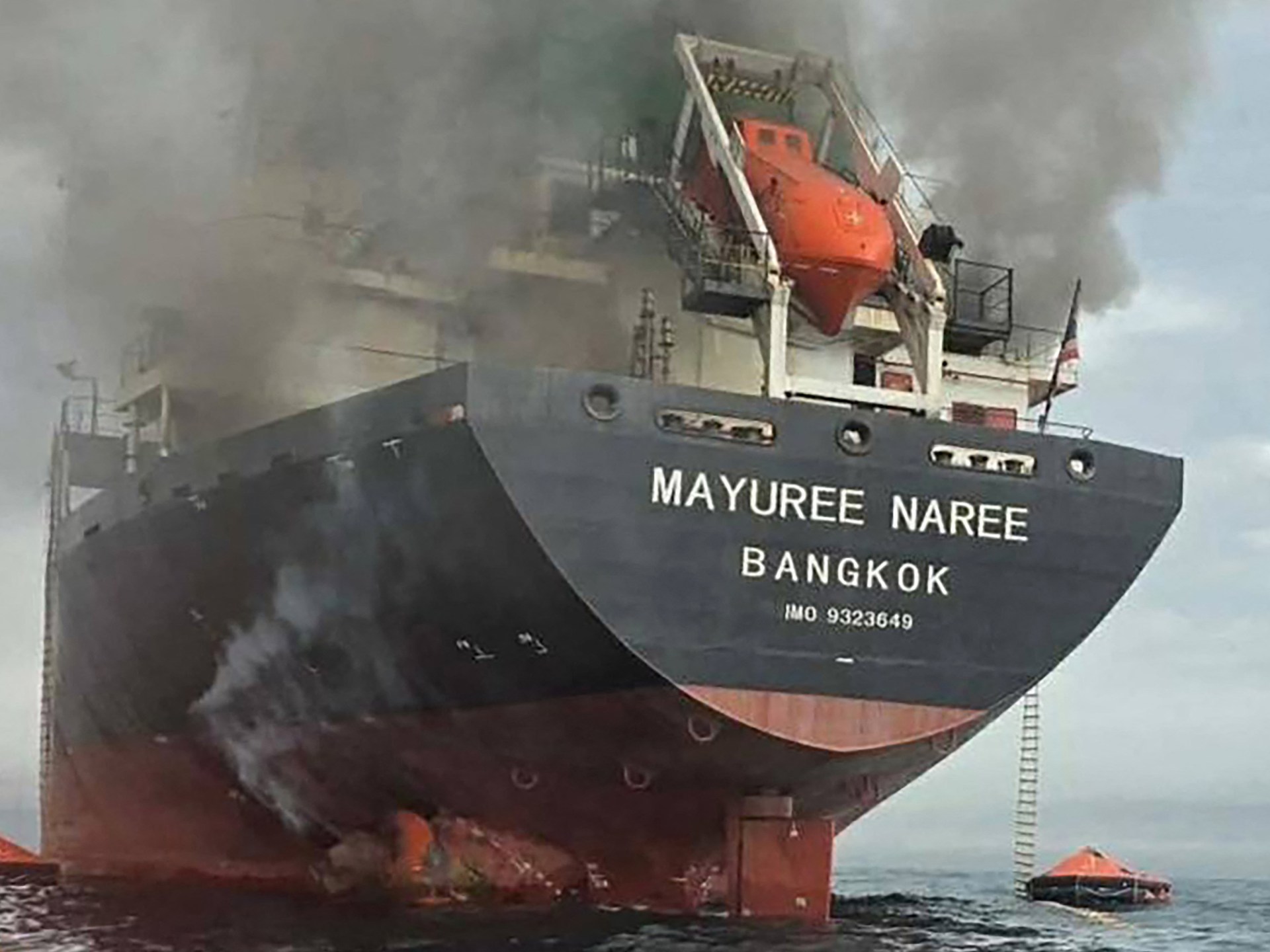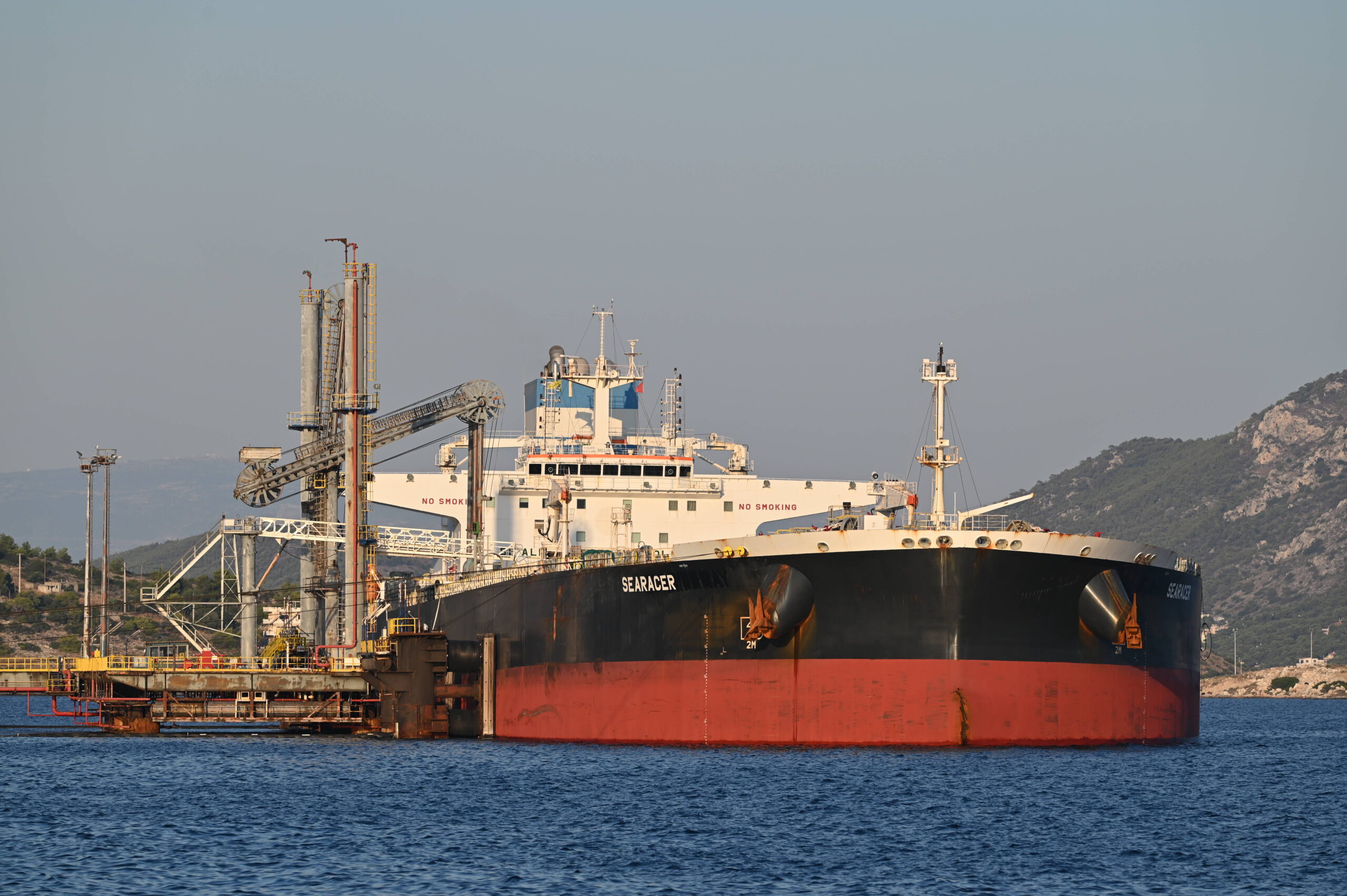
WASHINGTON—At what point does the United States stop treating the Strait of Hormuz as a crisis to manage and start treating it as an opportunity to permanently redraw the global energy map?
For weeks, Iran has benefited from a basic strategic assumption: The Strait of Hormuz is too important to the global economy for the United States and its partners to tolerate its prolonged disruption. Tehran may not be able to defeat the United States militarily, so the thinking goes, but it can impose enough economic pain on Washington and its allies to force concessions at the negotiating table.
That assumption is now being tested. And with each passing day, it is becoming less true.
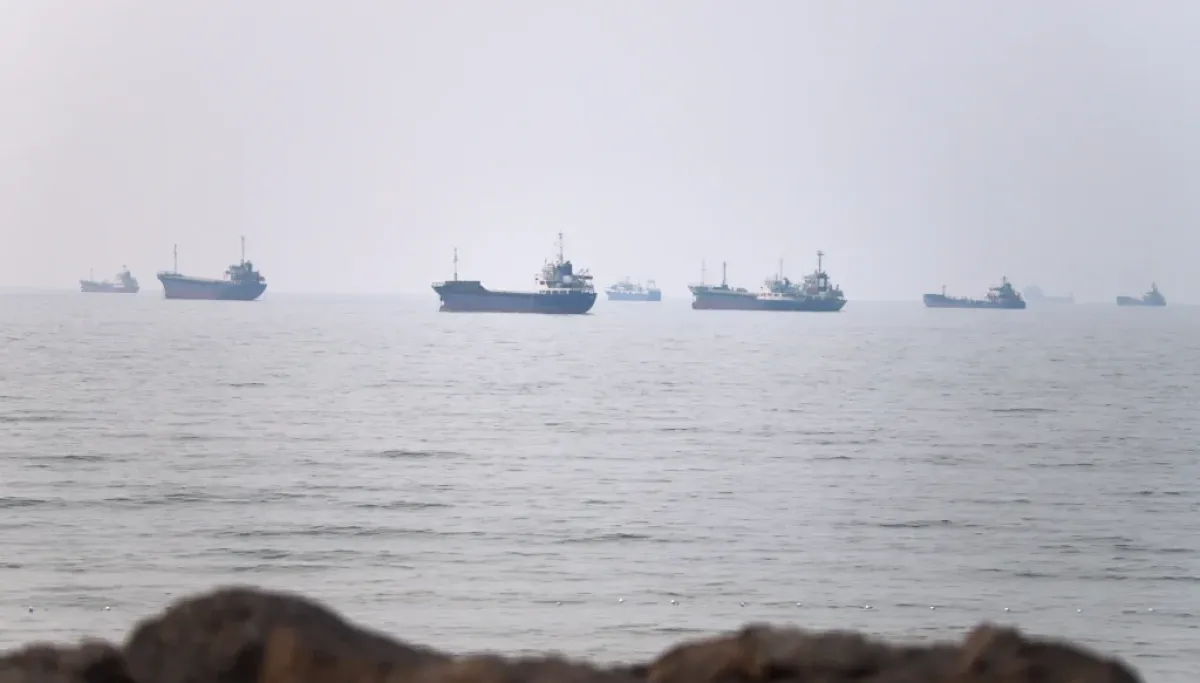
This does not mean that the economic consequences of Iran’s continued weaponization of the strait are trivial. They are not. Oil inventories have been drawn down sharply, petroleum products remain tight, and energy-importing economies are absorbing significant costs.
But the relevant question for US strategy is not whether the closure of Hormuz is painful. It is. The question is whether that pain is more strategically endurable than the concessions Tehran hopes to extract in return for ending it.