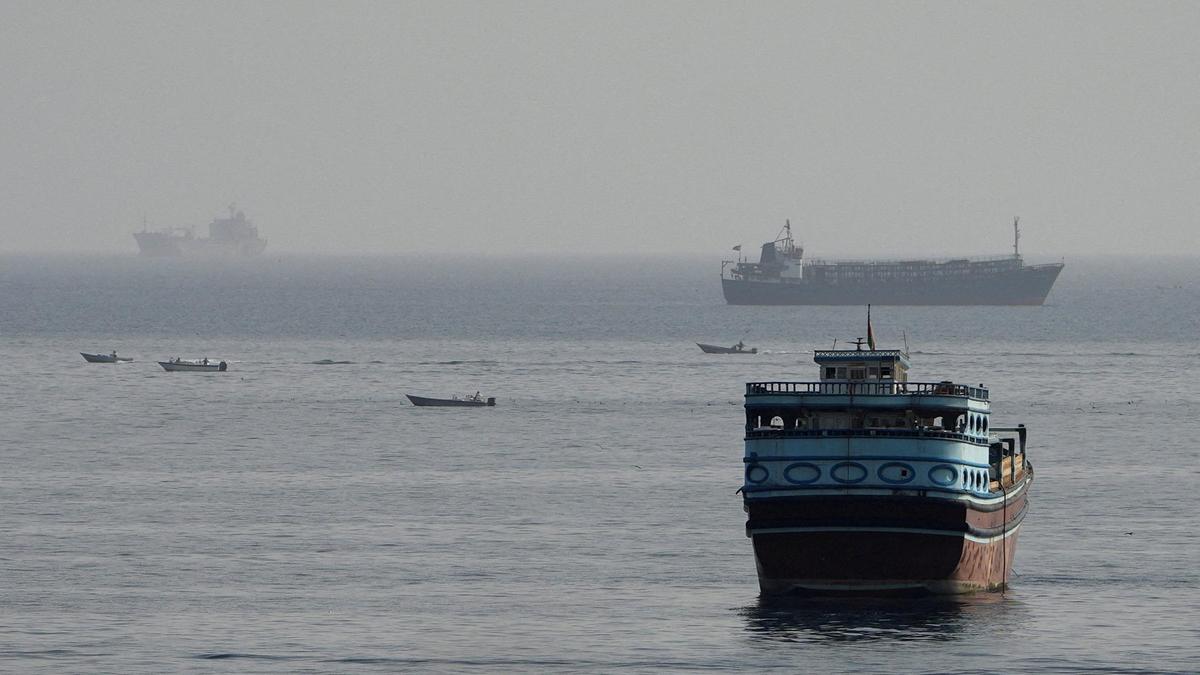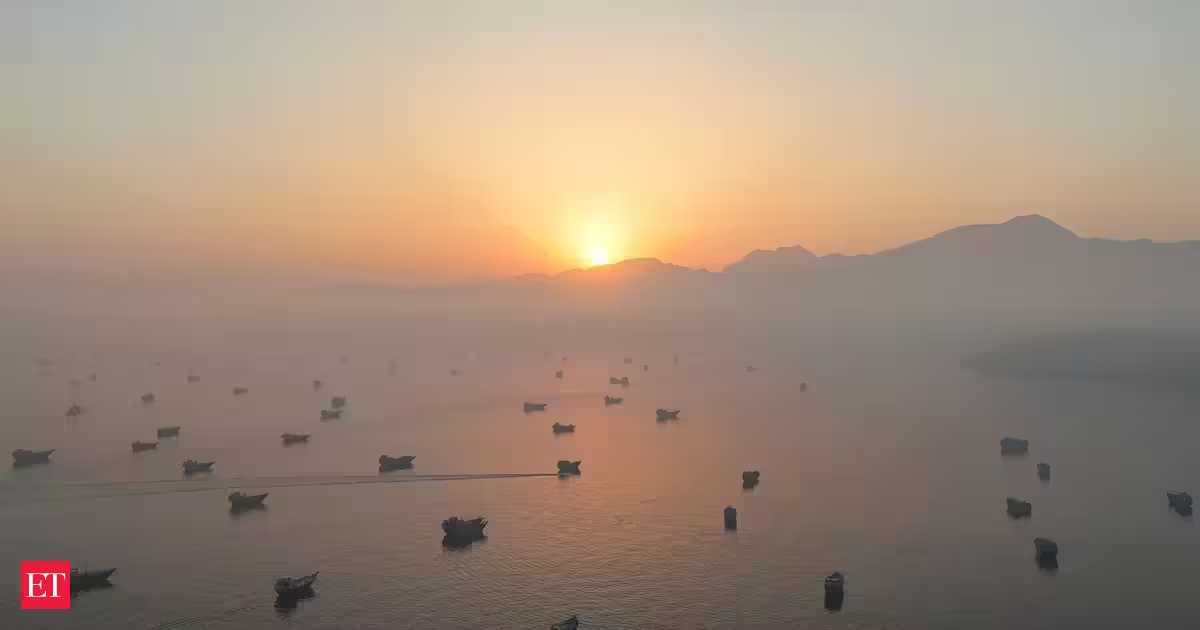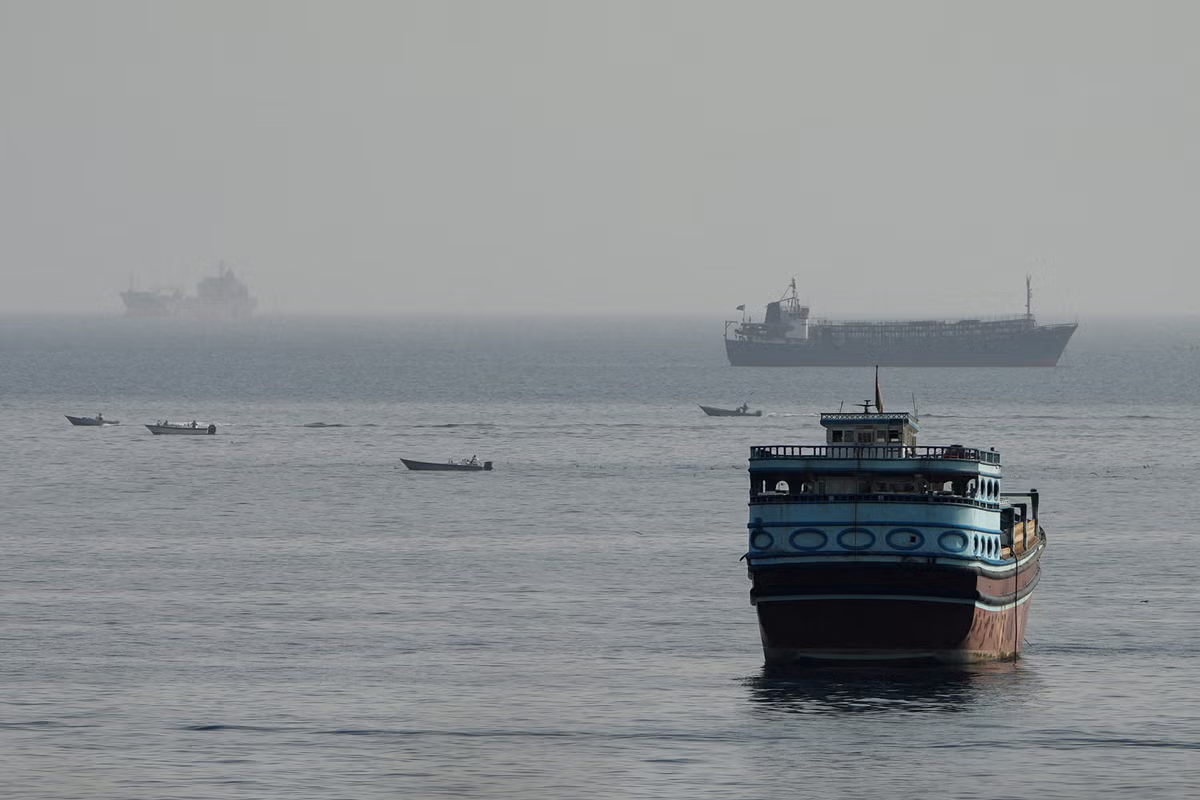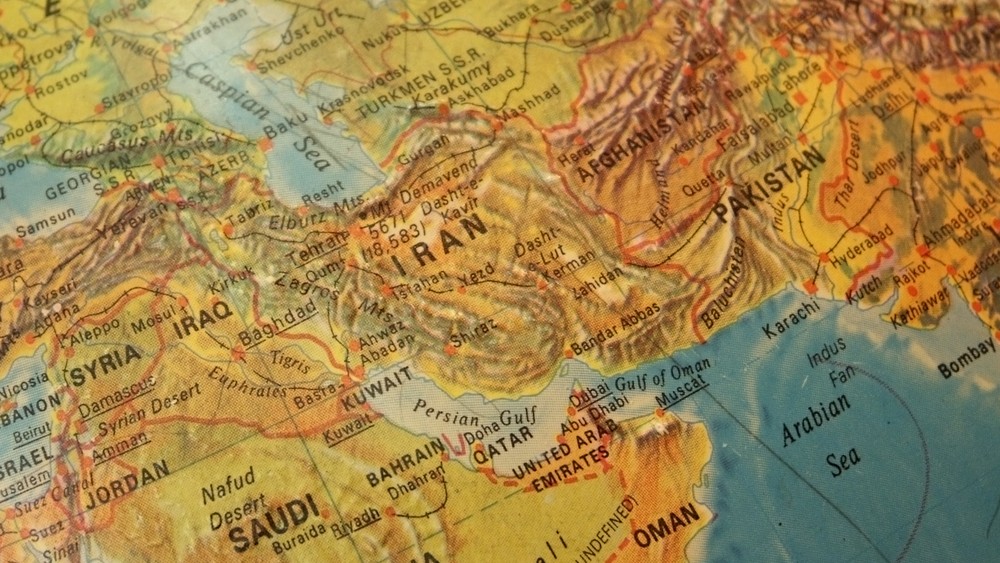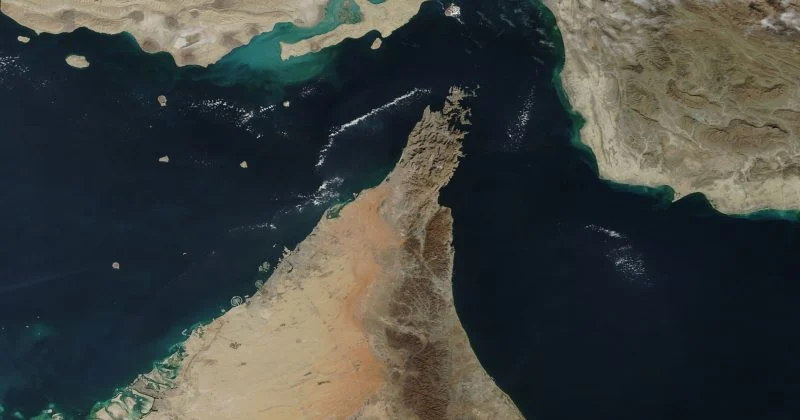
ByDANYA SAPERSTEINAUGUST 10, 2026 13:39Iran's demands for reopening the Strait of Hormuz echo what the US agreed to in the memorandum of understanding (MoU) signed June 17th, with Iran seeing the strait as its leverage to ensure that US President Donald Trump fulfills his promises even after the MoU fell apart, the New York Times wrote on Monday. Citing expert analysts, the NYT wrote that Iran considers denying Trump victory over the strait is the most efficient way to persuade him to recommit to the agreements. Keeping the strait closed exerts pressure on the economies of Gulf states that rely on the waterway for exports and on the US as elevated energy prices continue.Iran wants to ensure it receives economic relief to enable reconstruction before it gives up any control over the strait, not trusting the US to keep its commitments once it's opened, NYT cited Esfandyar Batmanghelidj, a founder of the Bourse & Bazaar Foundation think tank focused on economic diplomacy, as saying. “Iranian officials are concerned that if the strait opens, Trump would walk away from this conflict without feeling the need to resolve it. They want to use the strait as a commitment mechanism to ensure Trump implements the various provisions of the MoU,” he told NYT.Iran project director for the International Crisis Group Ali Vaez compared the strait to a "sword of Damocles over Trump," to NYT. Ships and tankers in the Strait of Hormuz off the coast of Musandam, Oman, April 18, 2026. (credit: REUTERS/STRINGER/FILE PHOTO)“Iran wants to front-load benefits without surrendering its main leverage, which is Hormuz,” Vaez said.IRGC announces six conditions to reopen straitIslamic Revolutionary Guard Corps (IRGC) commander Mohammad Bagher Zolghadr announced Iran's demands in a statement on Friday, laying out six conditions.According to Zolghadr, the US must end all aggression against Iran, Lebanon, Yemen, Iraq, and Palestine; Never verbally threaten Iran; Lift its naval blockade and withdraw all naval and air forces; Pay for the damages of the wars against Iran; Lift all sanctions against Iran; And release all frozen Iranian assets.With the exception of payment for damages, all the demands had been agreed to in the 14-point MoU.Iran and Oman have essentially completed their negotiations on how traffic would proceed through the strait once it is open, but Iran wants the opening to be reliant on the US committing to these demands, Vaez told NYT. Iranian Foreign Minister Abbas Araghchi confirmed on Sunday that talks with Oman on the Strait of Hormuz were "in final stages," but added that an agreement with Oman does not mean reopening the strait, which remains dependent on fulfilling conditions conveyed through mediators.Both countries believe other administration dividedFurther complicating the confusion around the reopening are divisions within the Iranian system about how to proceed, which led to the emphasizing of these demands, Sanam Vakil, the director of the Middle East and North Africa program at the London Chatham House think tank, told NYT. While some officials prefer diplomacy as the first option, the hardliners “are so skeptical and paranoid that they would prefer to hold on to their leverage rather than think of the economy," she said.However, Vakil added that the Iranians also see the US as divided, with some officials pushing to resume strikes and others preferring diplomacy, and Trump being swayed from one side to the other.Additionally, some in Washington fear that after the strait is opened, Trump may walk away from the issue, leaving Iran's highly enriched uranium in the ground. The Iranians “don’t want to do this for free,” Vakil said. “The strait is not about fees, it’s about control and leverage for the rest of the package.”It's also about trust, according to Batmanghelidj.“What matters less is the particular figure or amount or concession, but what the US can do to prove to Iran that it can make good on any of these commitments,” he said.The MoU “is the floor from which everyone will try to build a structure for a deal. But we’re far away from that,” Vakil said.Follow us on Google
Iran uses Strait of Hormuz to pressure Donald Trump to fulfill June MoU promises | The Jerusalem Post
Citing expert analysts, the NYT wrote that Iran considers denying Trump victory over the strait is the most efficient way to persuade him to recommit to the agreements.
672 words~3 min read