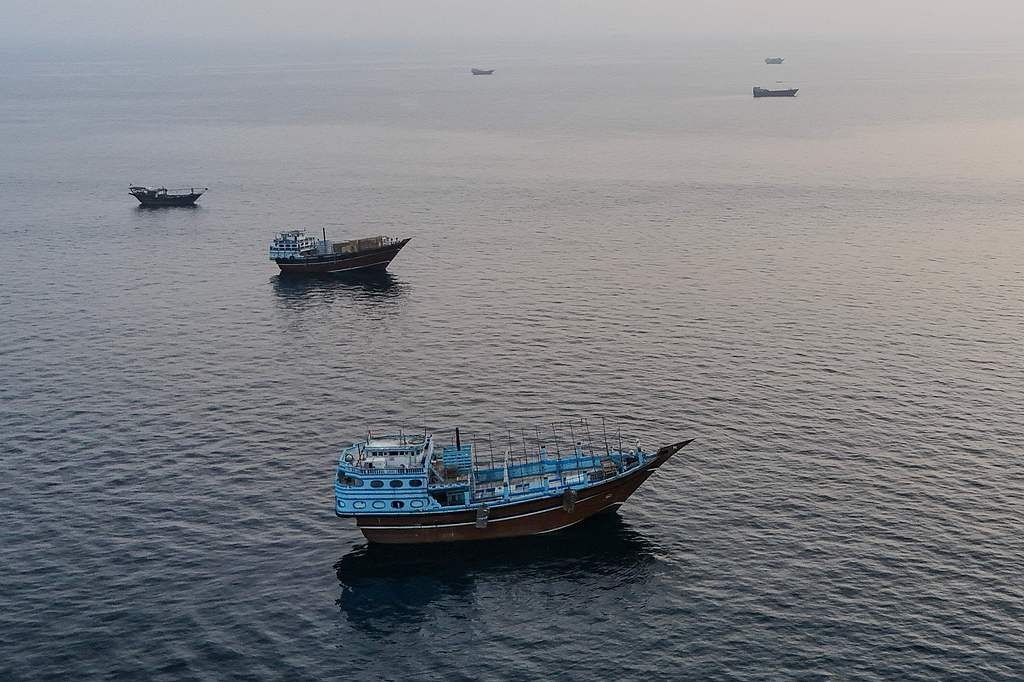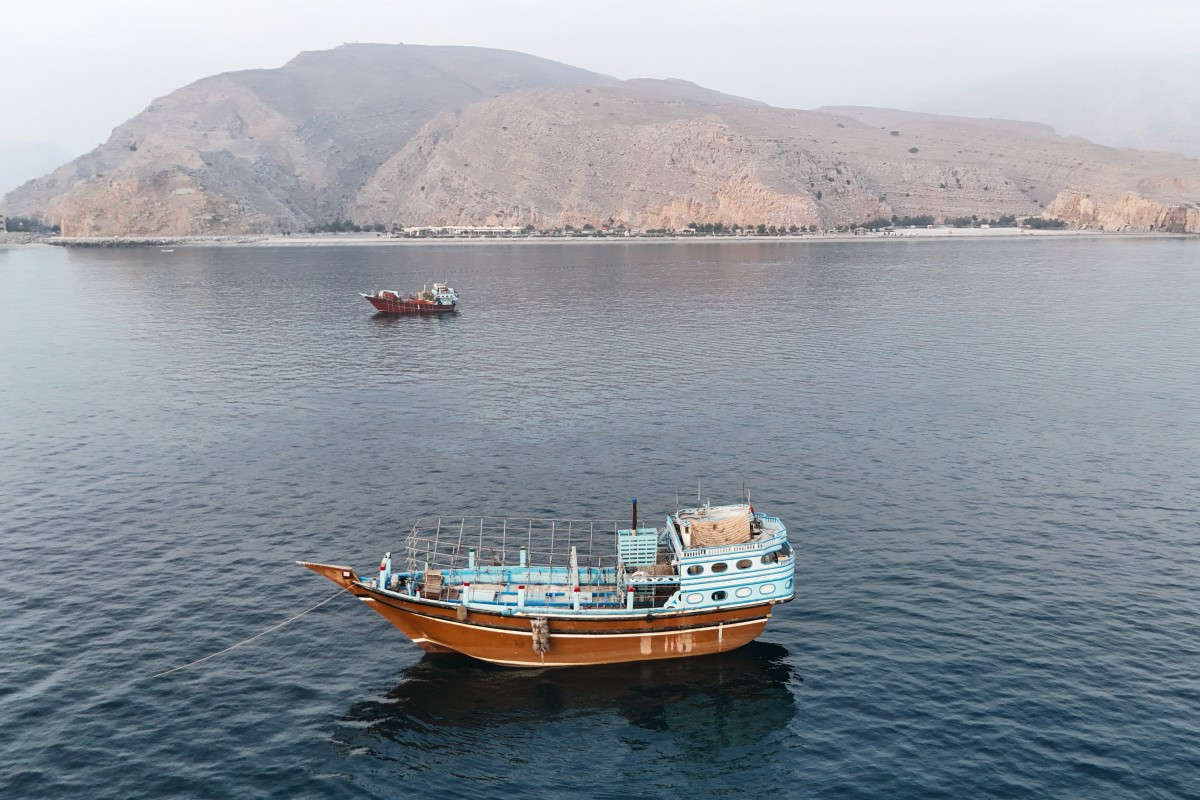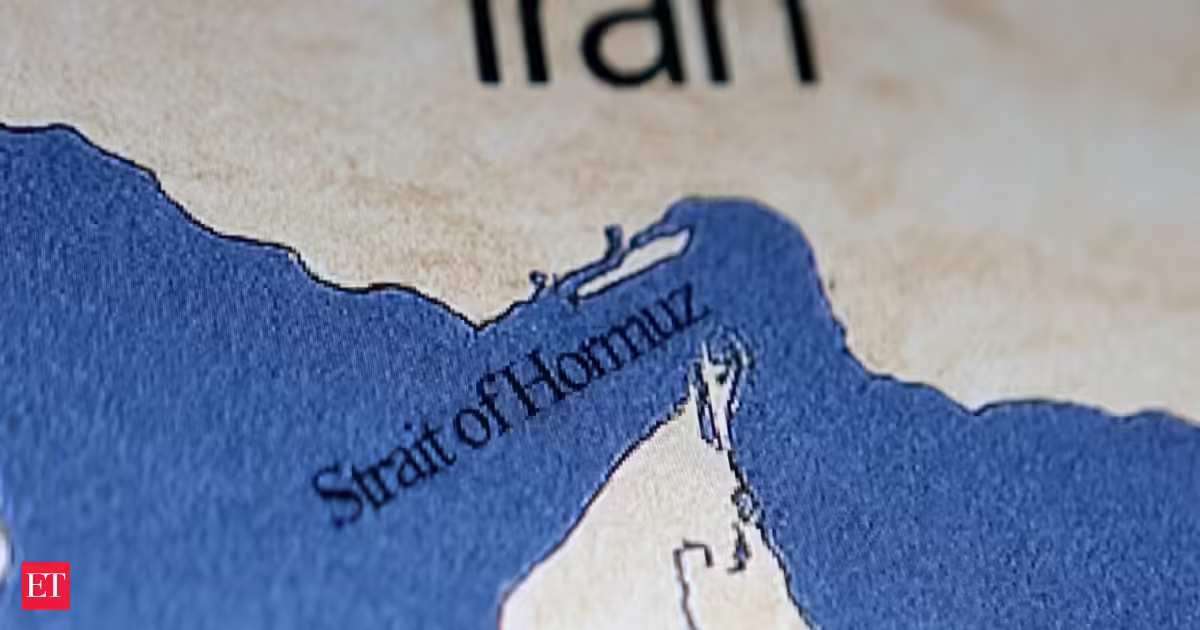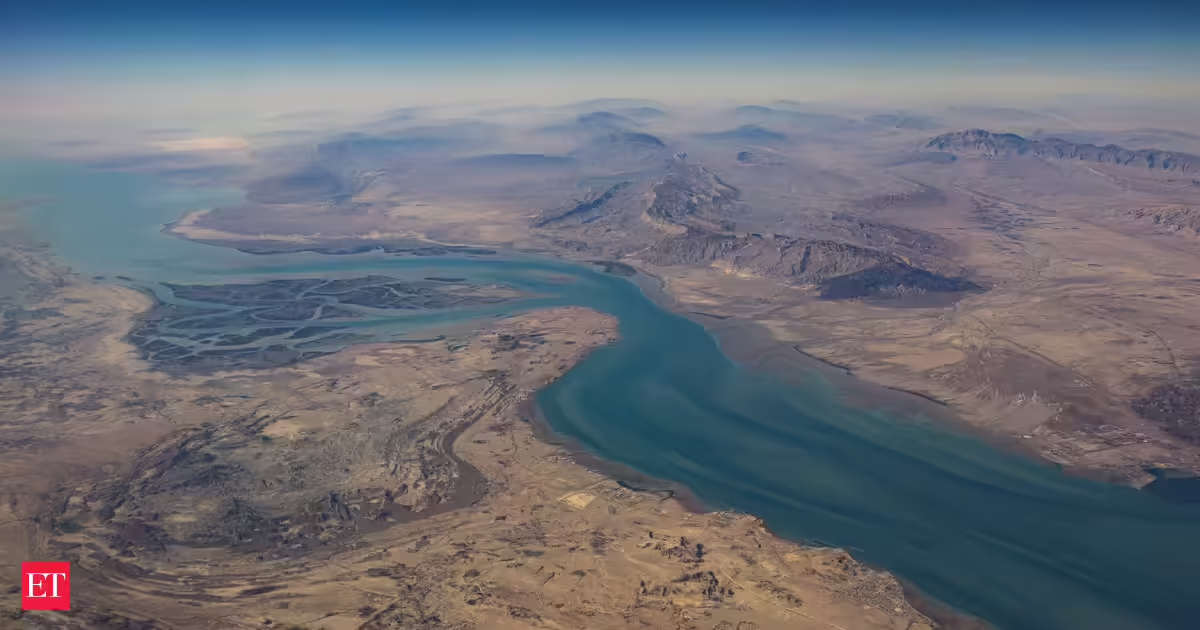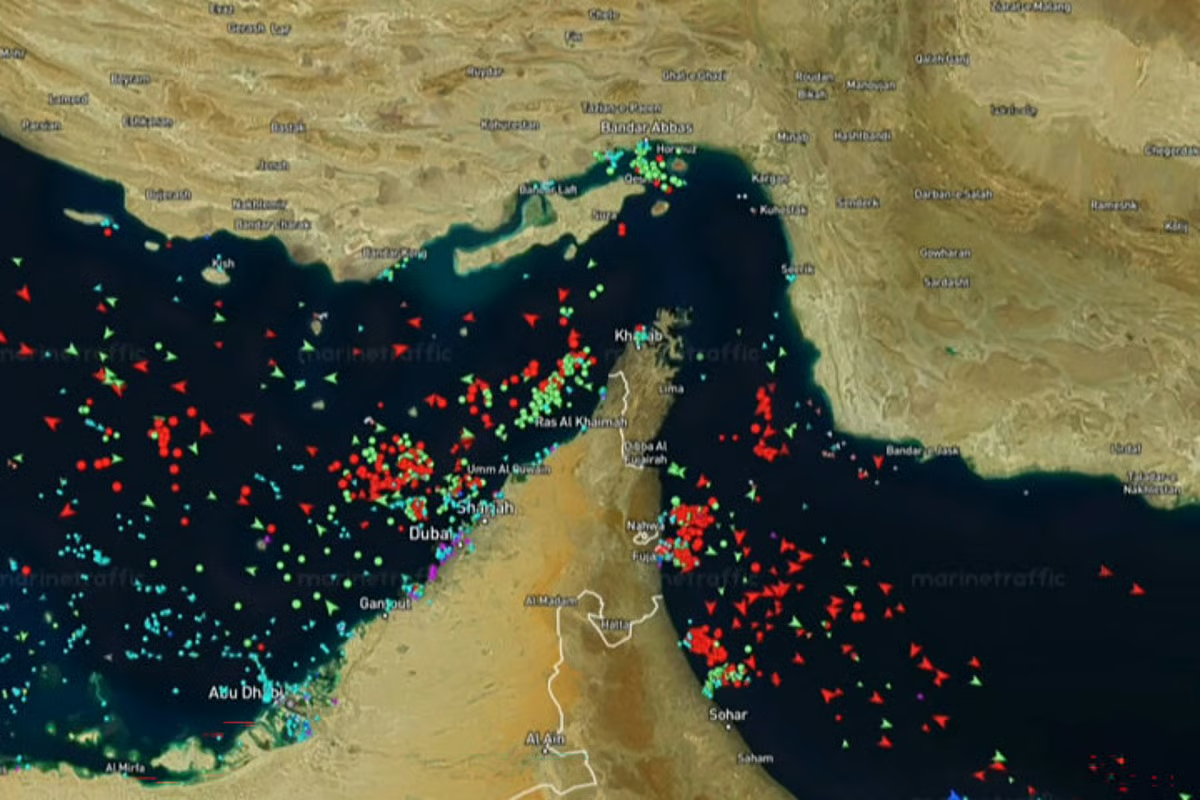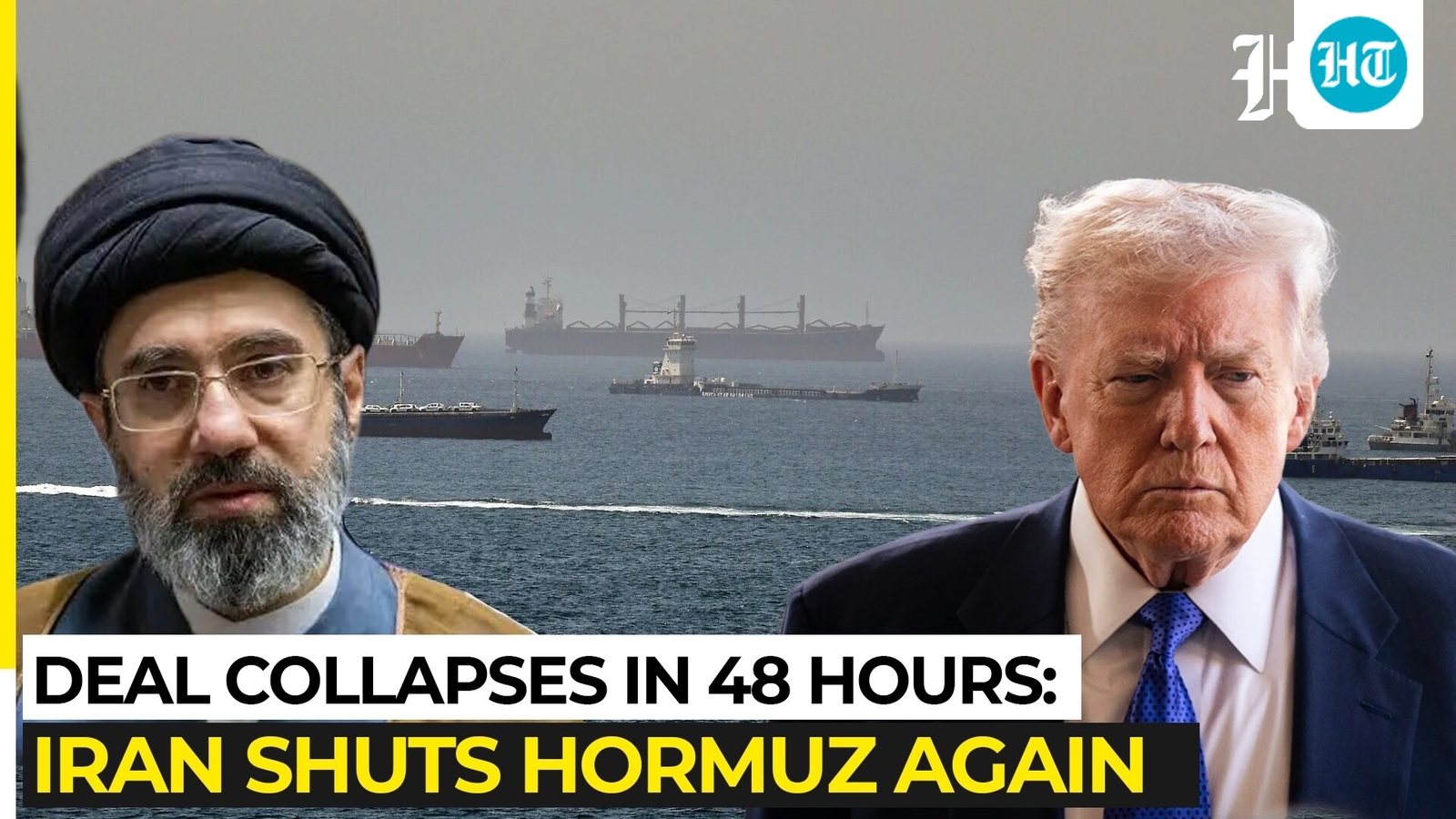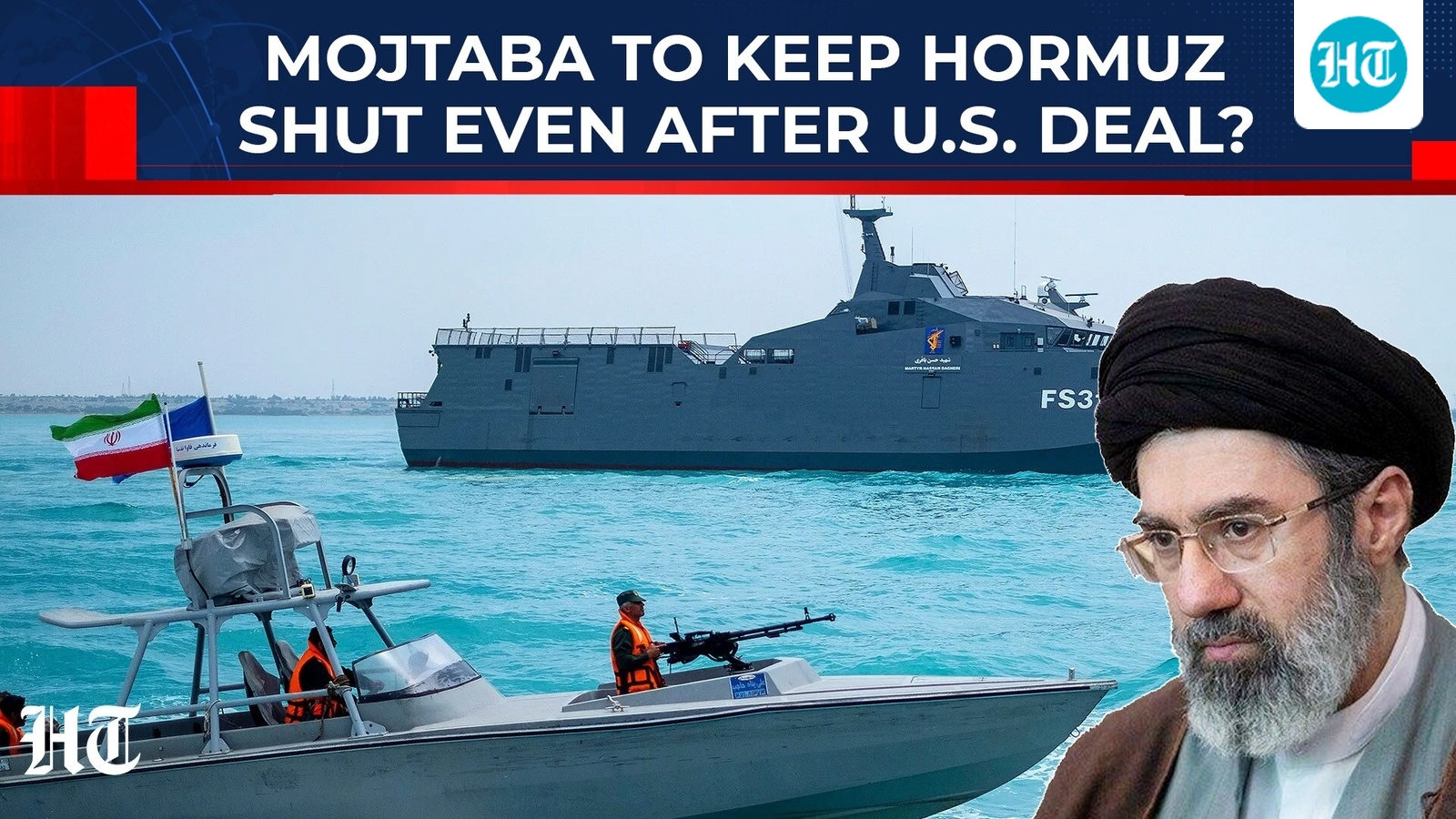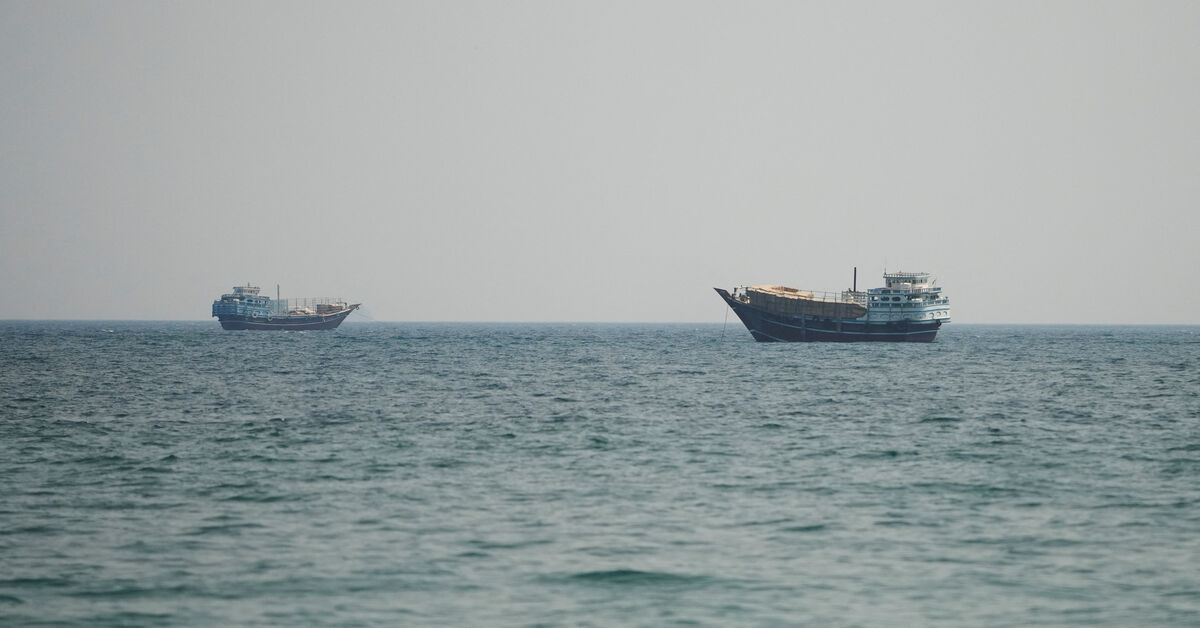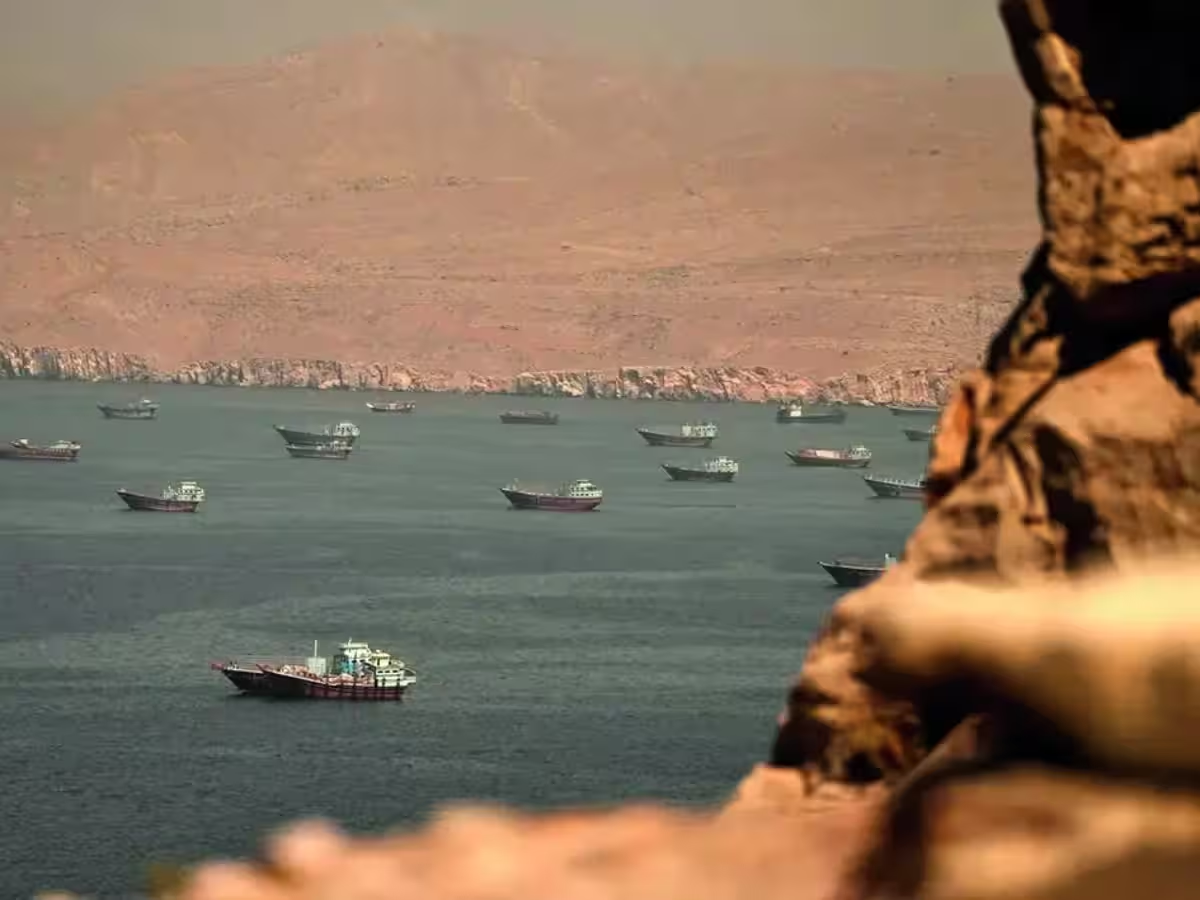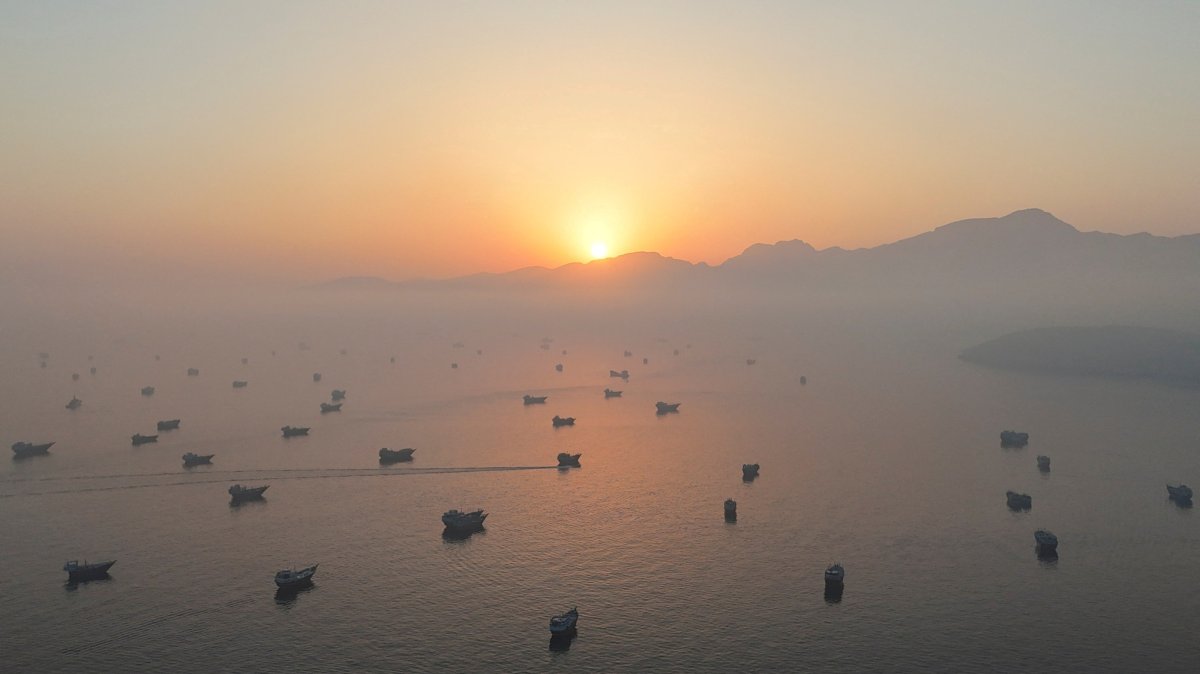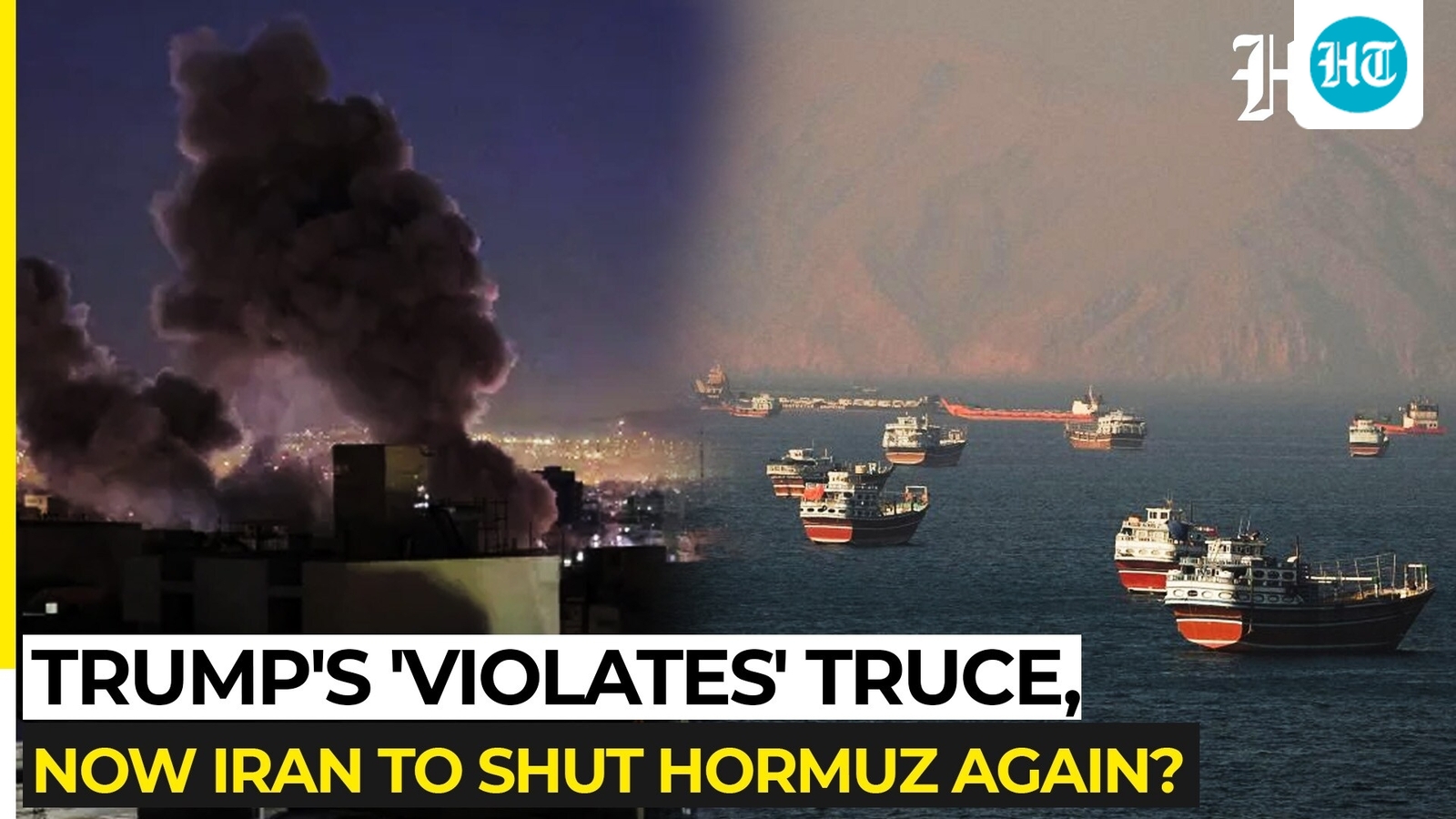
Just ten days after Donald Trump’s much‑publicised peace memorandum with Iran, the deal is already in serious trouble. As Iran and the U.S. traded fire following tanker attacks in the Strait of Hormuz, Tehran’s hardline newspaper ‘Kayhan’ published a blistering editorial calling for the suspension of the agreement and the full closure of Hormuz. With a second tanker hit in Hormuz on June 27 and hardliners urging Tehran to shut the waterway until “the enemy’s threats stop on all fronts,” the risk is clear: one misstep could send oil markets soaring again and push the U.S.–Iran deal from fragile limbo into complete collapse.
Iran hardliners push for Hormuz closure after Trump 'violates' truce; US errs, world pays for it?
Just ten days after Donald Trump’s much‑publicised peace memorandum with Iran, the deal is already in serious trouble. As Iran and the U.S. traded fire following tanker attacks in the Strait of Hormuz, Tehran’s hardline newspaper ‘Kayhan’ published a blistering editorial calling for the suspension of the agreement and the full closure of Hormuz. With a second tanker hit in Hormuz on June 27 and hardliners urging Tehran to shut the waterway until “the enemy’s threats stop on all fronts,” the risk is clear: one misstep could send oil markets soaring again and push the U.S.–Iran deal from fragile limbo into complete collapse.
TL;DRAI
Ten days after Trump's Iran peace deal, hardliners demand Hormuz closure following tanker attacks, threatening truce suspension. Oil price spikes from a collapsed deal would strain tech supply chains and increase data-center energy costs, impacting capex budgets.
103 words~1 min read