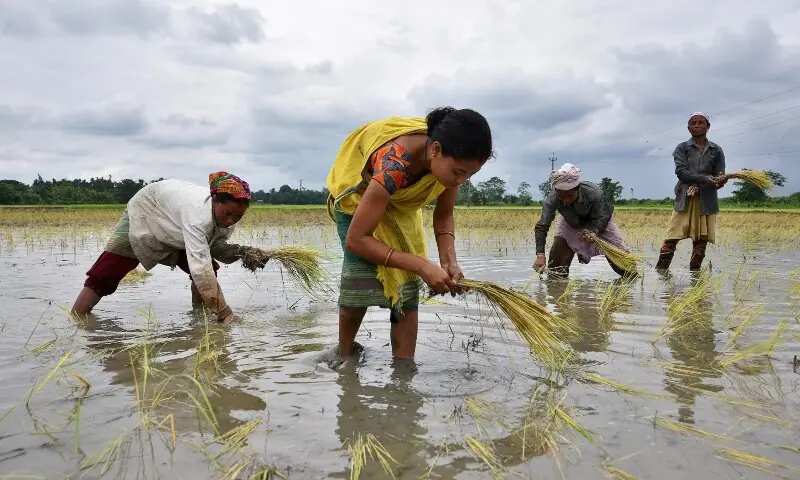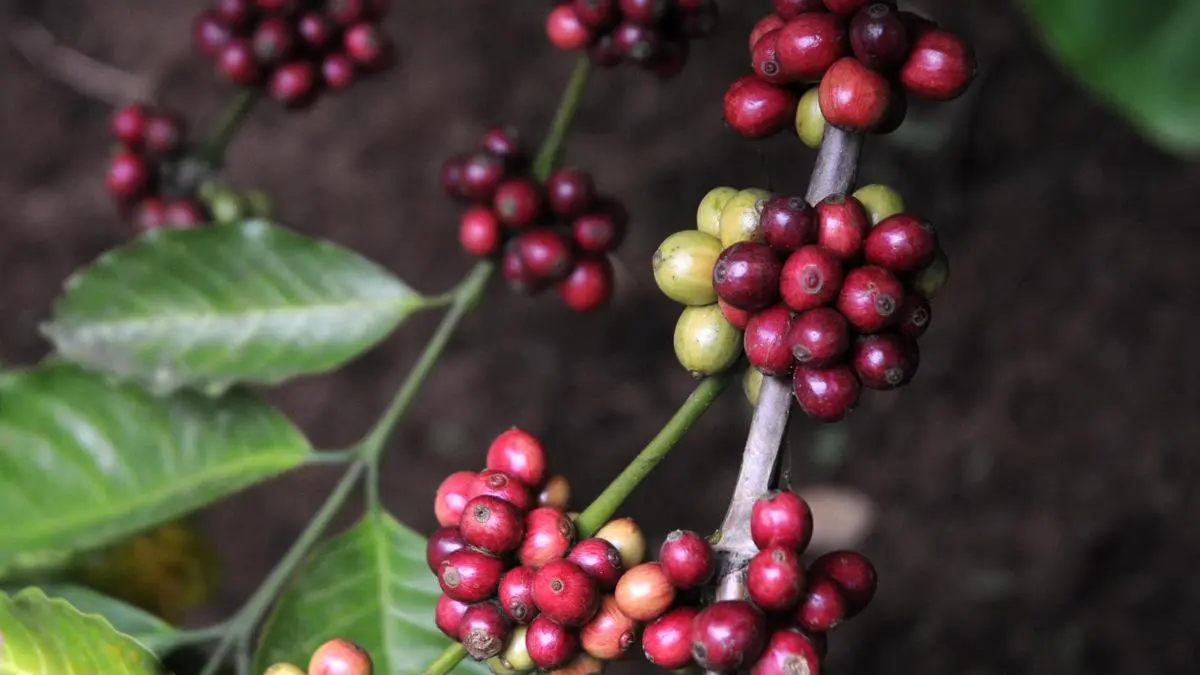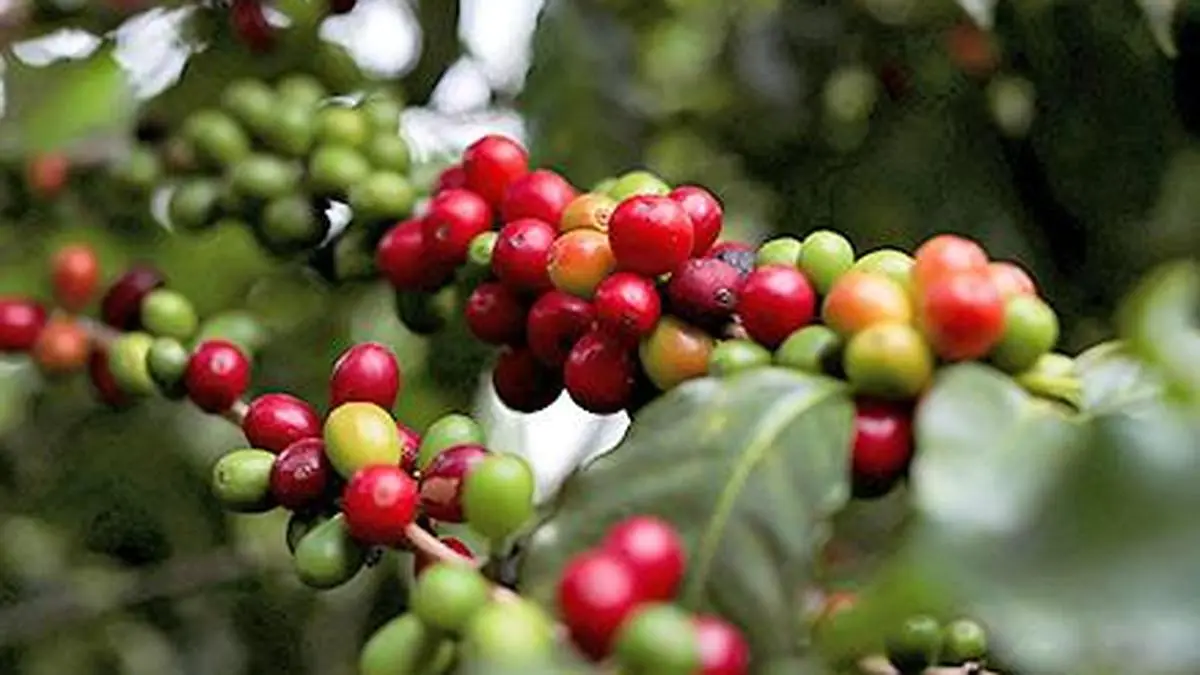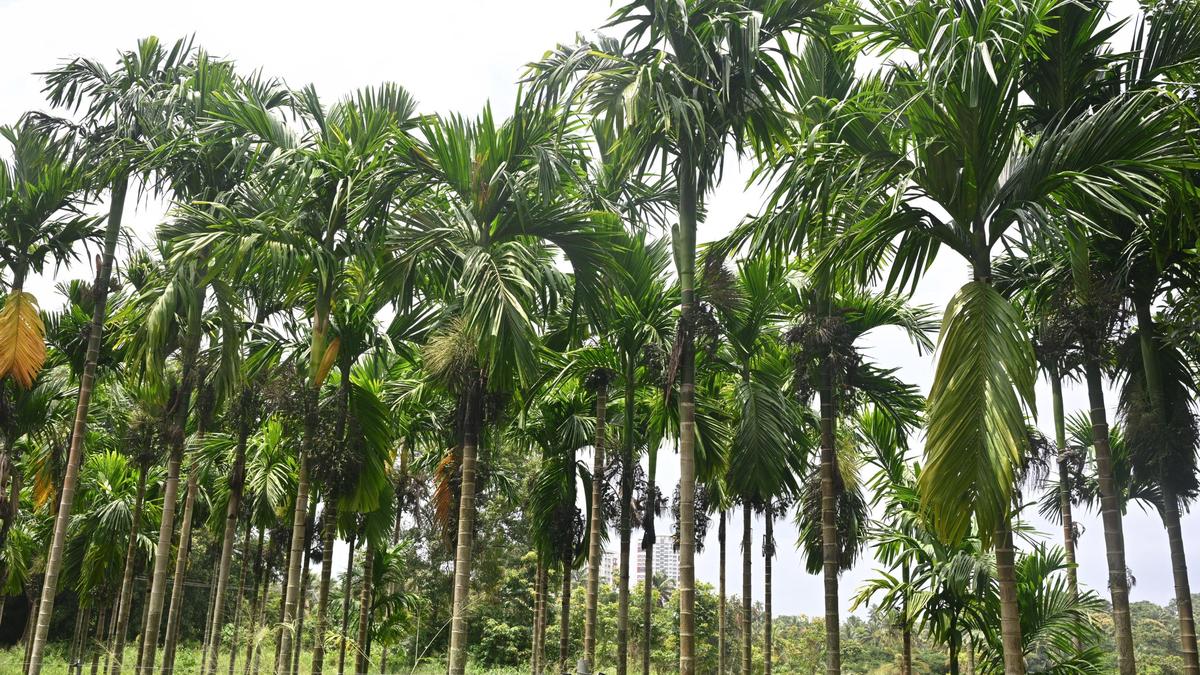
The four key districts — Kodagu, Chikmagalur, Hassan and Wayanad accounted for about 87 per cent of the 3.73 lakh tonnes of coffee produced during 2025-26
| Photo Credit:
H.VIBHU
Key coffee-producing regions have received uneven rains this monsoon, and the trend is likely to impact the output for the 2026-27 crop year starting in October. The four major coffee-producing districts in Karnataka and Kerala have seen a rainfall deficit ranging from 2 to 61 per cent, as per the Indian Meteorological Department data and the shortfall is likely to influence the crop development.The four key districts — Kodagu, Chikmagalur, Hassan and Wayanad accounted for about 87 per cent of the 3.73 lakh tonnes of coffee produced during 2025-26.In Kodagu, the largest coffee-producing district in the country, the cumulative monsoon deficit has been about 25 per cent till date since June 1. Kodagu has received cumulative rainfall of 1260.6 mm during June 1-Aug 11 period, against a normal of 1677.3 mm.Pest infestationIn Chikmagalur, the rainfall deficiency is around 2 per cent, and the district has received precipitation of 1071.2 mm against a normal of 1088.2 mm during the period. In Hassan, the cumulative rainfall deficit has been 61 per cent for the monsoon season. Against a normal of 445.7 mm, Hassan district has received actual rainfall of 173.7 mm from June 1 till date.Similarly, in Wayanad, the cumulative rainfall deficit stood at 50 per cent. Wayanad district has received actual rains of 955 mm against a normal of 1904.2 mm for the period from June 1 till date.The deficit rainfall coupled with the dry spells has triggered the infestation of white stem borer (WSB), a dreaded pest that affects the arabica variety and growers say that could influence the output.2-3 weeks to go“After a very slow start from June till mid-July, the monsoon has picked up in several coffee-growing regions from July 15 onwards. While it has been uneven across the coffee regions, so far, there’s still another 2-3 weeks of monsoon to go. A weak monsoon will have a negative impact on the macro environment factors like rivers, water bodies and availability of water resources for the coming season,” said Sahadev Balakrishna of UPASI Coffee Committee.Commenting on the crop condition, Balakrishna said robusta seems to be a higher crop so far, while a clearer picture would emerge once the monsoon is over. “Lets wait for another 2-3 weeks till the full monsoon season is over” he said.M Salman Baseer, Chairman of Karnataka Planters Association, said the monsoon was uneven this year with several regions receiving deficit rains. “While the robusta crop looks okay, there could be a drop in the production of arabicas,” he said.Board estimateBaseer said the flare up in white stem borer has been a concern for arabica growers this year. The WSB infestation is more this year compared to last couple of years because of the dry weather pattern. Over the past couple of years, the infestation of WSB was under control because of food rains.“About 70 per cent of the places have not received the required rainfall. It remains to be seen how the rains pan out in the next 2-3 months. The concern for arabica growers is the flare up in white stem borer this year due to the dry spells. Some growers have started removing the WSB affected plants. Arabica will be definitely affected but we will have to wait and watch,” said Nanda Belliappa. Chairman, Coorg Planters Association.In its post-blossom estimates for 2026-27, the Coffee Board has projected an output of 4.04 lakh tonnes, comprising of 1.2 lakh tonnes of Arabicas and 2.84 lakh tonnes of Robustas. The final estimate for 2025-26 was 3.73 lakh tonnes comprising of 1.11 lakh tonnes of arabica and 2.62 lakh tonne of Robusta.Published on August 12, 2026