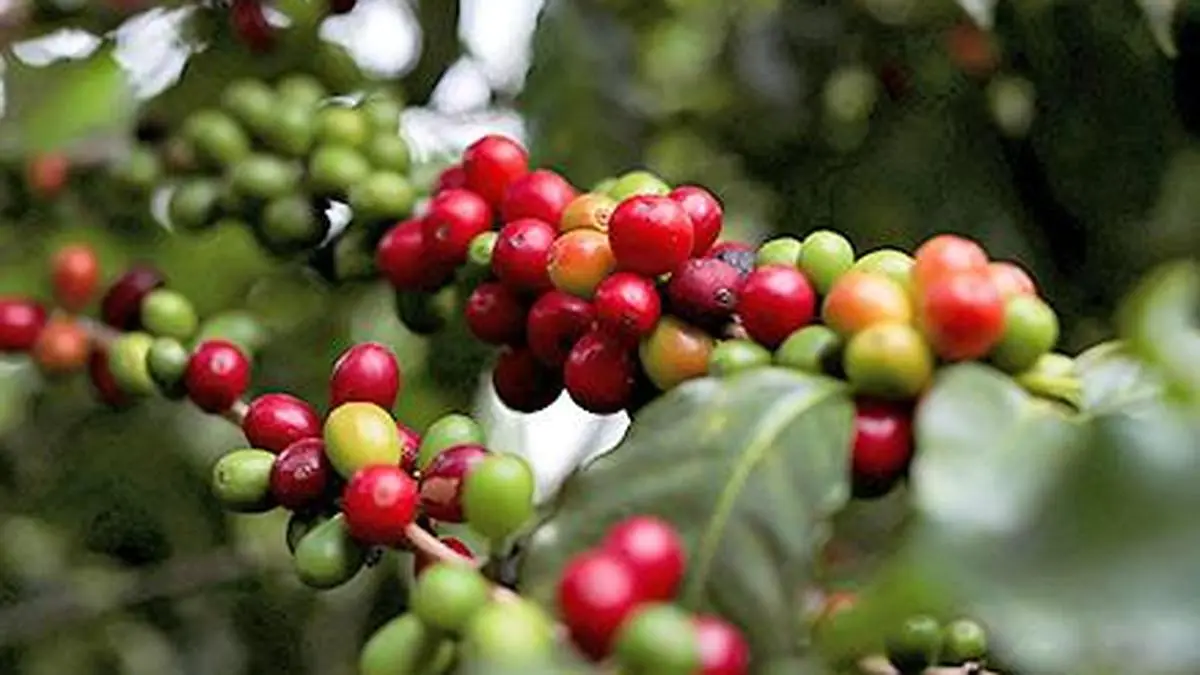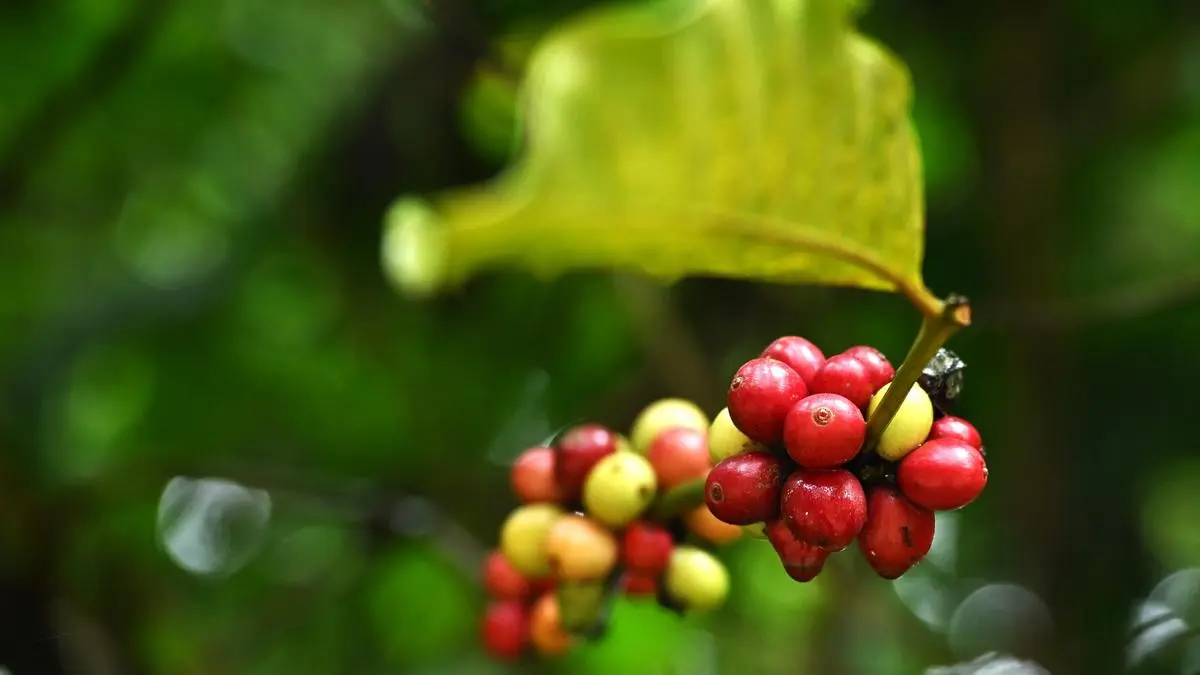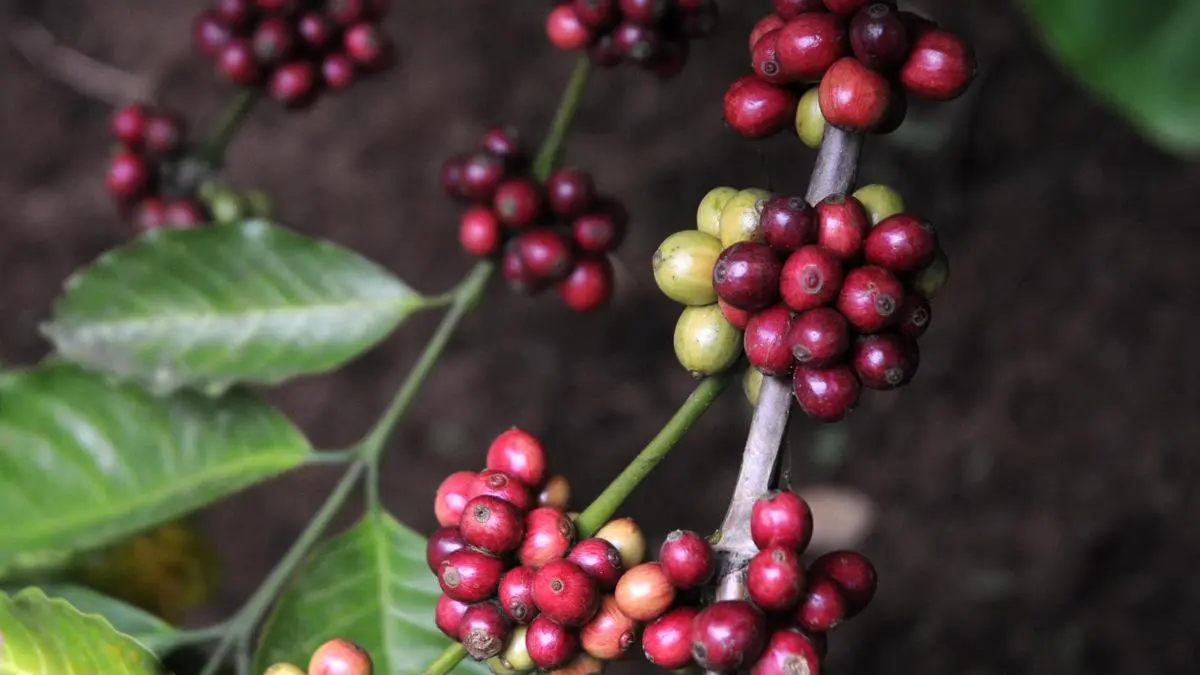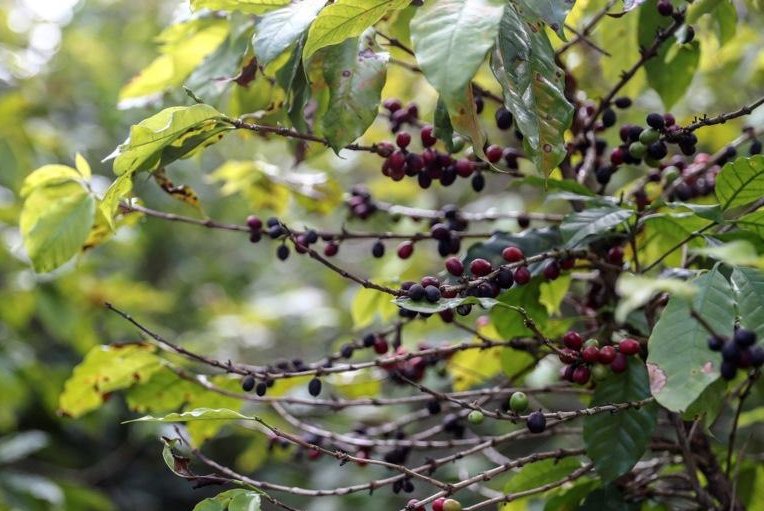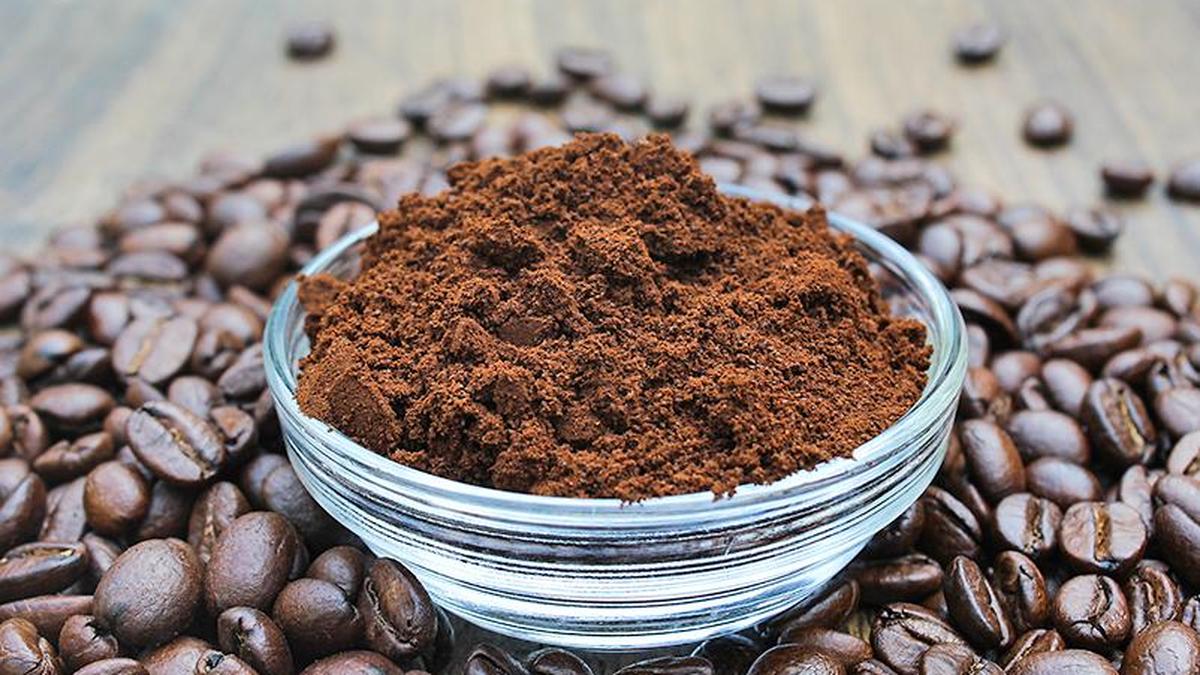
India’s coffee output for the 2026-27 crop year starting October is likely to see a decline of about 4 per cent at around 6.14 million bags of 60 kg each or 3.68 lakh tonnes on drop in yields due to unfavourable weather, according to the US Department of Agriculture’s local office in Mumbai.FAS Mumbai in a recent report said the projected output of 6.14 million bags comprising 1.56 million bags of Arabica (93,600 tonnes) and 4.58 million bags of Robusta (2.74 lakh tonnes). For 2025-26, the USDA Post has maintained the production at around 6.4 million bags or 3.84 lakh tonnes, comprising of 1.73 million bags of Arabica and 4.7 million bags of Robusta.The state-run Coffee Board is yet to announce its initial or post-blossom crop projections for 2026-27 and final crop estimates for 2025-26. In its initial estimates for the 2025-26, the Board had projected a crop of 4.03 lakh tonnes comprising of 1.18 lakh tonne of Arabicas and 2.84 lakh tonne of Robustas.Below-normal rain impactAccording to the USDA post, India’s Arabica output is expected to decline due to below normal monsoon rainfall combined with unusually high temperatures, which may adversely affect flowering and fruit-set. In contrast, Robusta production is projected to remain relatively strong, reflecting its greater resilience to weather variability, it said. Robusta accounts for over 75 per cent of India’s total coffee production.“Timely rains in March and April supported flowering and early crop development, but recent extreme heat has increased moisture stress and evapotranspiration. Erratic, light showers have been insufficient to stabilize conditions, raising concerns over fruit set and reinforcing the need for adequate blossom (February-March) and backing rains (April-May) for optimal development.“This is particularly significant for Arabica, which is more temperature sensitive and has higher water requirements compared to Robusta. Under sustained heat stress, Arabica plants may experience reduced photosynthetic efficiency, increased flower drop, and greater irrigation demand,” it said.“This is particularly significant for Arabica, which is more temperature sensitive and has higher water requirements compared to Robusta. Under sustained heat stress, Arabica plants may experience reduced photosynthetic efficiency, increased flower drop, and greater irrigation demand,” it said.Production uncertaintyHowever, the below-normal rainfall in 2026-27 is expected to be broadly favourable for the robusta coffee crop, particularly following two consecutive seasons of excessive rainfall, and will likely lower the incidence of fungal diseases that proliferate under prolonged wet conditions.But the increasing frequency of erratic rainfall events and extended dry spells after heat events has added to production uncertainty in recent years, it said. Further, the Post has projected an 8 per cent decline in Arabica yields at 452 kg per hectare for 2026-27, while Robusta yields are expected to fall marginally by two percent to 1,239 kg per hectare .The Post sees India’s domestic coffee consumption during 2026-27 at 1.58 million bags of 60 kg each or 94,800 tonnes, marginally up, supported by rising demand for soluble or instant coffees. “Household consumption of soluble coffee is expected to account for a significantly larger share of domestic consumption, rising to around 73 per cent next year. Domestic soluble coffee manufacturers recorded double digit growth in the previous year and remain optimistic about continued expansion, particularly as India’s per capita coffee consumption of 0.04 kilograms remains well below the global average of 1.3 kg,” it said.Published on May 23, 2026
India’s coffee output for 2026-27 may dip 4% on weather concerns
India's coffee output for 2026-27 is projected to decline 4% due to unfavorable weather conditions, according to USDA.
552 words~3 min read