Get the latest news and updates from Dawn
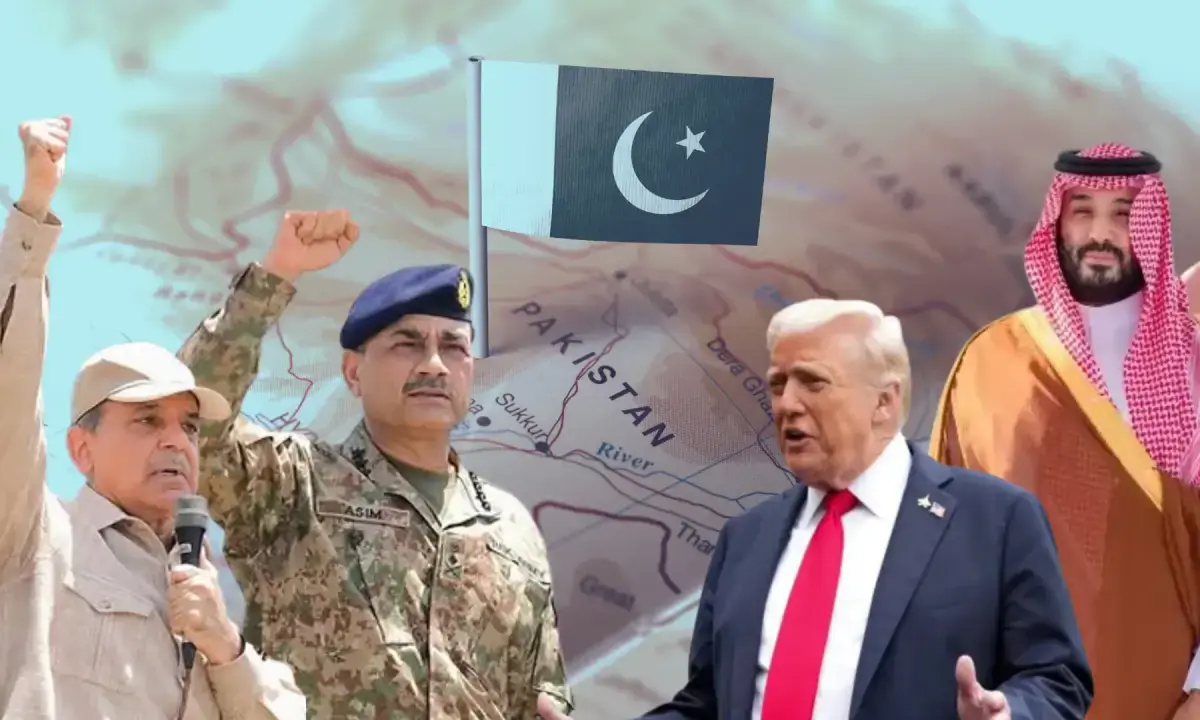
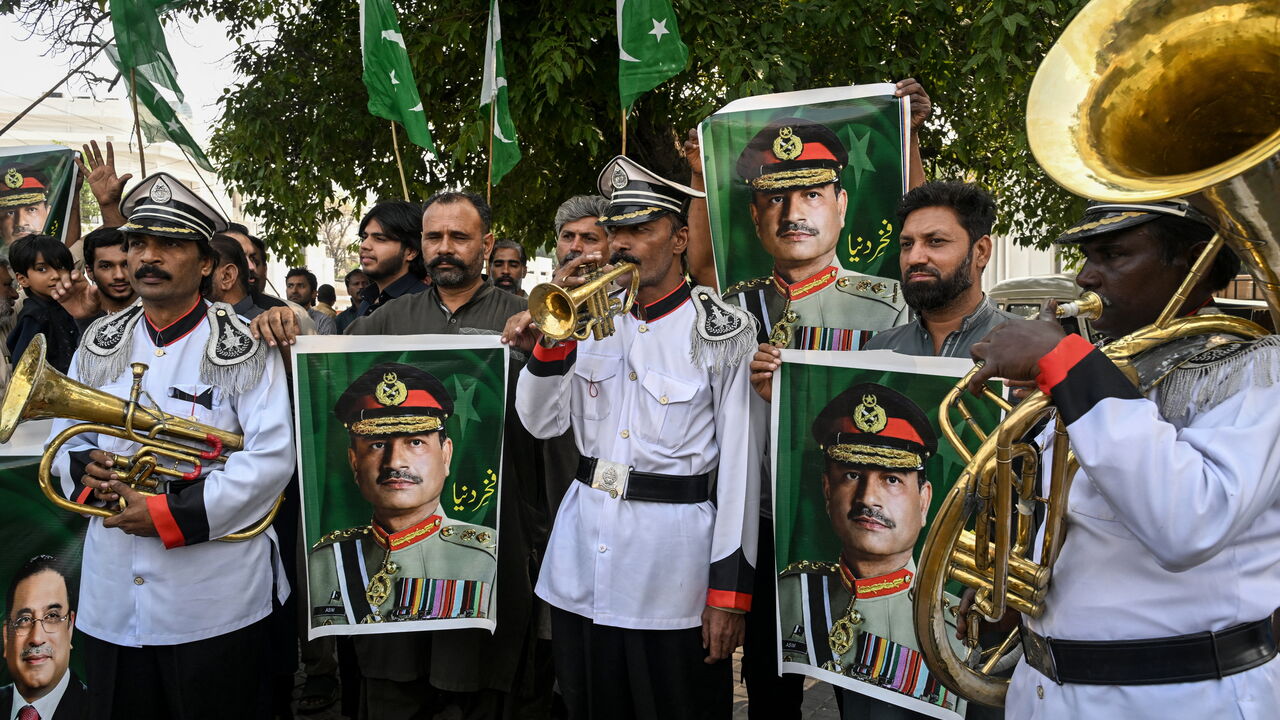
THE ongoing tumult in the Middle East has generated varied notes of discourse. Pakistan and its armed forces deserve all plaudits extended to them for their incessant efforts towards peace.
But beneath these multiple narratives was one particular strand so conspicuous that it went nearly unnoticed. Almost every shifting tide in the conflict was measured in financial outcomes and the impact on global stock markets. The notion of peace itself — including numbers of lives lost — took a position of diminished significance in relation to the vagaries and movements of capital markets.
The preponderance today of global finance under the Washington Consensus is undisputed. What necessitates critical inquiry is how this sheer dominance emerged, and how the very concept of loss, violence and peace is reduced to financial calculations, predictions and number crunching.
Multiple writers have sought to engage with this query. Critics like David Harvey and Wendy Brown trace the financialisation of the everyday to neoliberalism and the writings of Friedrich Hayek and his disciple Milton Friedman. Michael Hudson, the author of The Bubble and Beyond, identifies the financial sector with ‘rentier overhead’ and the creation of ‘balance sheet wealth’ which has displaced industrial output.